
共享智造

Search documents
把民声民意带上市两会
Xin Lang Cai Jing· 2026-01-31 23:41
Group 1 - Local representatives are actively engaging in grassroots research to gather public opinions and needs, aiming to refine proposals for the upcoming municipal conference [1] - A representative from Xishihe Village is focusing on the development of the sour jujube processing industry, emphasizing the importance of this initiative for local employment and income [1] - The representative's proposal includes a comprehensive assessment of sour jujube processing capabilities and the establishment of processing points and leading enterprises [1] Group 2 - A representative is advocating for the activation of red tourism resources, aiming to enhance regional development through cultural heritage [2] - The proposal focuses on upgrading red tourism quality and integrating it into the development of the local tourism sector [2] - A local automotive industry representative is addressing the challenges faced in the transition to a "shared intelligent manufacturing" model within the electric vehicle and parts sector [2][3] Group 3 - The automotive representative plans to propose the establishment of a shared intelligent manufacturing platform to enhance collaboration and innovation in the industry [3] - A cultural tourism representative is exploring ways to convert tourism traffic into increased consumer spending, emphasizing the need for unique and immersive experiences [3] - The representative suggests developing brand-influential cultural tourism products that highlight local history and natural attractions [3] Group 4 - A representative from a new materials company highlights the critical role of technological innovation and talent attraction in regional industrial upgrades [4] - There are concerns regarding the challenges of innovation capabilities and retaining high-end technical talent within traditional industries [5] - The representative plans to gather further insights from industry experts to propose constructive solutions at the municipal conference [5]
“共享智造”何以成河北两会热词?
Xin Lang Cai Jing· 2026-01-31 04:03
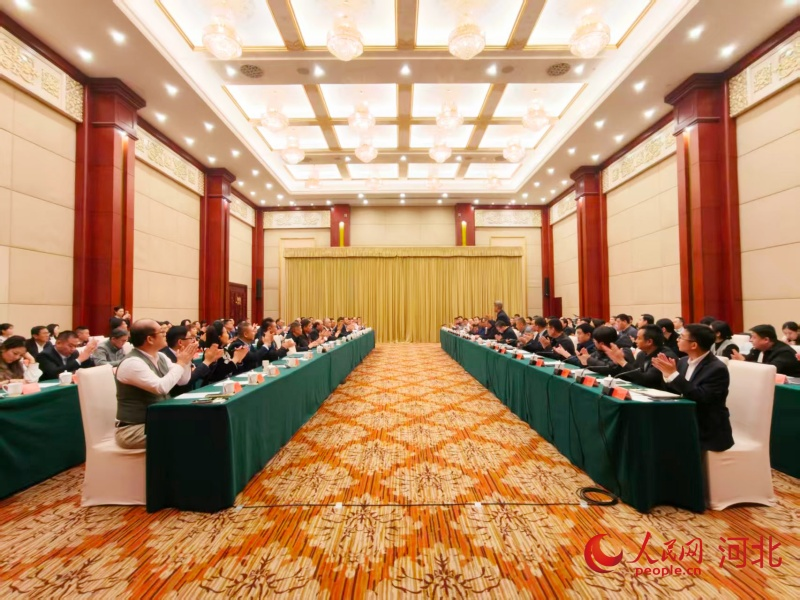
Core Insights - The concept of "shared intelligent manufacturing" has become a focal point during the 2026 Hebei Provincial Two Sessions, emphasizing its role in empowering regional industrial clusters and enhancing local economies [1][3] Group 1: Definition and Implementation - "Shared intelligent manufacturing" is defined as a model that leverages industrial internet platforms to integrate dispersed resources across R&D, production, and testing, aiming to reduce costs for SMEs and improve resource efficiency [1][3] - Hebei has achieved full coverage of 107 key industrial clusters under this model, establishing 222 shared factories and involving nearly 20,000 enterprises in collaborative development [4] Group 2: Economic Impact - From January to November 2025, the revenue of Hebei's 107 key industrial clusters grew by 6.3% year-on-year, while total profits increased by 13.5%, indicating the effectiveness of shared intelligent manufacturing in enhancing industrial efficiency and reducing operational costs [4] Group 3: Challenges and Recommendations - Despite notable achievements, representatives have expressed concerns regarding insufficient collaboration and the need for deeper integration within the shared manufacturing ecosystem [7][9] - Suggestions include leveraging leading enterprises to guide the development of shared factories and enhancing the functionality of shared platforms to meet the diverse needs of regional industries [8][9] Group 4: Policy Directions - The government report outlines five key areas for future development: integrating shared manufacturing into industrial parks, strengthening supply chains, addressing shortcomings, nurturing leading enterprises, and promoting internationalization [10][12] - Successful examples include the establishment of flexible supply chain platforms in industrial parks, which have significantly improved operational efficiency and reduced costs for participating enterprises [10][12]

只争朝夕持续奋斗 确保“十五五”开好局起好步
Xin Lang Cai Jing· 2026-01-30 22:49
Group 1: Economic Development and Planning - The government work report emphasizes the importance of ensuring a strong start for the "15th Five-Year Plan" by focusing on the goals outlined in the plan [1] - The report highlights the need for high-standard and high-quality construction in the Xiong'an New Area, exploring a modern urban governance model with Chinese characteristics [1] - The report calls for deepening the collaborative development of key industrial chains such as new energy, smart connected vehicles, and robotics in the Beijing-Tianjin-Hebei region [2] Group 2: Robotics Industry Development - Tangshan High-tech Zone is identified as a key area for the development of the robotics industry chain within the "six chains and five clusters" framework of the Beijing-Tianjin-Hebei collaborative development [2] - The focus will be on creating a deep intelligence-driven robotics industry that emphasizes practical functionality, supported by a platform for regular supply-demand matching [2] - The government aims to enhance the "shared manufacturing" initiative, expanding its coverage from 107 key clusters to 280 clusters, promoting shared factories across multiple levels [2] Group 3: Technological Innovation - The report stresses the need to enhance the effectiveness of technological innovation, particularly in sectors like vaccines, cell and gene technology, robotics, satellite detection, and new chemical materials [3] - Collaboration with institutions such as Tsinghua University and Zhongguancun Development Group is encouraged to deepen the integration of innovation resources, financial resources, and industrial projects [3] Group 4: Consumer Economy - The report outlines plans to promote the transformation of cultural and tourism consumption in Handan from a "ticket economy" to a "comprehensive consumption" model [4] - The focus will be on leveraging core cultural resources to innovate and extend the consumption chain, enhancing the quality and effectiveness of cultural tourism [4] Group 5: Agricultural Modernization - The government aims to elevate agricultural modernization by focusing on quality, branding, channels, and integration, particularly in the fruit and vegetable industry [5] - Initiatives include the establishment of high-quality fruit and vegetable demonstration zones and the promotion of precision and standardization in agricultural practices [5] Group 6: Social Welfare and Employment - The report outlines plans for educational improvements, including the renovation of 50,000 classrooms and 500 sports facilities, with a completion target by the end of August [6] - A focus on healthcare training is highlighted, with plans to train over 11,000 rural doctors through both offline and online programs by 2025 [6]
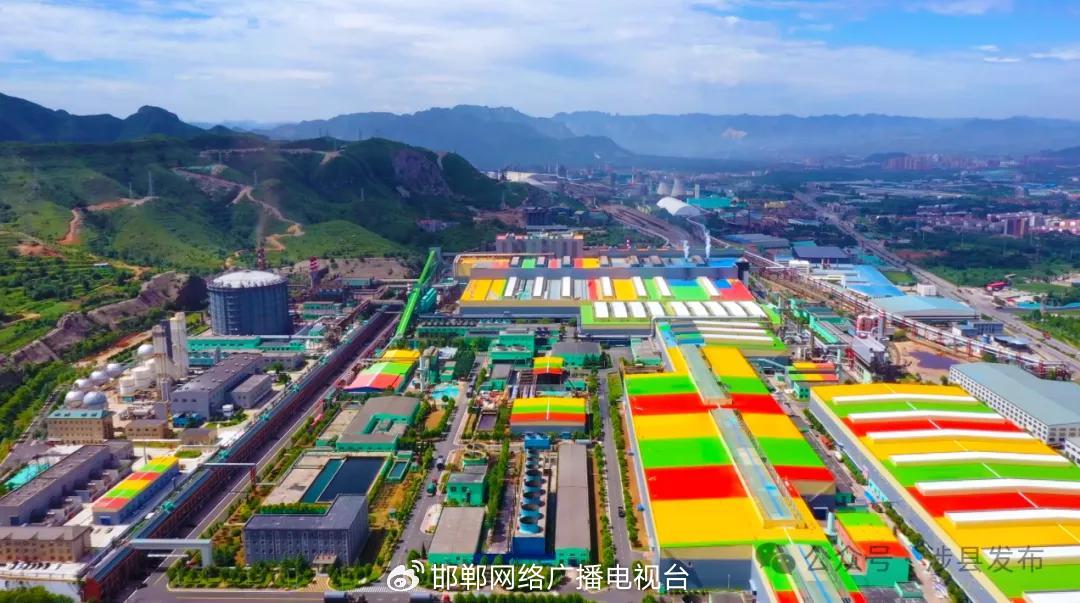
涉县:共享智造走出高质量发展新路径
Xin Lang Cai Jing· 2026-01-25 09:01
Core Insights - The article highlights the establishment of various shared platforms in Shexian, which facilitate collaboration among local enterprises, enhancing efficiency and reducing costs in the steel industry [3][15] - The development of shared testing and manufacturing centers is transforming Shexian into an innovation hub, allowing local companies to access advanced technologies and resources without significant investment [5][9] Group 1: Shared Platforms - The shared detection center in Shexian enables local small and medium-sized enterprises to conduct necessary testing without leaving the county, significantly lowering testing costs [1] - The concept of "shared manufacturing" is introduced, which includes shared detection, research and development, and contract manufacturing, promoting collaborative efforts among businesses [3] Group 2: Innovation and R&D - The Tian Dong Thermal Media Shared R&D Center collaborates with institutions like Tianjin University and the Chinese Academy of Sciences to tackle core technologies in new materials, thus reducing innovation risks for local enterprises [5] - The establishment of shared manufacturing centers, such as the Yuzhu Liangpin Foundry Shared Manufacturing Center, addresses production interruptions and order delivery risks for small foundries by providing specialized services [9] Group 3: Cost Reduction and Competitiveness - The Shunheng Shared Contract Manufacturing Center offers local enterprises essential pre-treatment services, eliminating the need to outsource these processes, which enhances local competitiveness and reduces costs [12] - The four shared centers collectively empower leading enterprises, fostering collaboration and innovation while promoting sustainable development in the region [15]
奋进的河北“十四五”答卷丨共享为钥 智造为翼 河北特色产业集群焕新发展
Xin Lang Cai Jing· 2026-01-18 05:04
Core Viewpoint - Hebei province is advancing its "shared intelligent manufacturing" model, which has led to the establishment of numerous shared factories and equipment, fostering collaboration among local enterprises and driving high-quality development in traditional manufacturing sectors [3][6][27]. Group 1: Shared Manufacturing Development - Since the "14th Five-Year Plan," Hebei has developed 194 shared factories with over 15,000 shared devices, benefiting nearly 20,000 enterprises [3]. - Shijiazhuang has integrated 12 provincial-level industrial clusters into its shared factory cultivation project, with 24 projects in total, including 18 completed and 6 under construction, involving 590 shared devices and 595 participating enterprises [6]. - Zhangjiakou has established 10 shared intelligent manufacturing service centers, integrating over 700 shared devices and involving more than 300 enterprises [8]. Group 2: Robotics Industry Focus - Tangshan, as a major hub for the robotics industry, has over 240 robotics companies, accounting for more than 60% of the province's total, and is implementing a collaborative shared manufacturing model [11]. - The first dedicated shared service platform for non-standard robotics products in the country offers design and manufacturing services, allowing innovators to focus on their core innovations [10]. Group 3: Efficiency and Cost Reduction - The introduction of shared factories has significantly reduced costs for companies, with one firm reporting a direct reduction in equipment investment costs from millions to a more manageable level [8]. - In Hengshui, the shared manufacturing platform has improved efficiency, with one company doubling its revenue to approximately 13 million yuan [18]. - Xingtai's "shared park within a park" model has reduced production time for garments by over 90%, with participating companies seeing an average profit margin increase of 10% [23]. Group 4: Industry Cluster Expansion - Handan has identified shared intelligent manufacturing as a key strategy for developing industrial clusters, resulting in 42 distinct industrial clusters and 21 shared factories with over 2,000 shared devices benefiting more than 1,000 enterprises [27].

河北菜园供应北京菜篮 共享智造助企降本增效
Xin Lang Cai Jing· 2025-12-26 22:03
Group 1: Agricultural Development - Hebei has established a facility vegetable industry cluster around Beijing, achieving a 42.5% market share in Beijing's wholesale vegetable market by 2024 [5] - The province has cultivated nine key vegetable-growing counties, each with over 200,000 acres, and has built 183 vegetable bases in collaboration with Beijing, supplying over 500,000 tons annually [5] - Hebei promotes smart planting technologies, including intelligent temperature control and integrated water and fertilizer systems, to enhance traditional farming practices [5] Group 2: Urban Development - Shijiazhuang has constructed and opened 62 pocket parks this year, exceeding the target of 50, enhancing urban green spaces and improving residents' quality of life [8] - The parks are designed with unique themes, such as the "Lingyu Park," which integrates cultural elements into its landscape, promoting a blend of culture and environment [8] Group 3: Economic Growth and Innovation - Xiong'an New Area is progressing towards becoming a modern city with an annual investment of 200 billion yuan and a GDP growth rate of 17.1%, focusing on quality and sustainability [6] - Hebei's "shared intelligent manufacturing" initiative aims to upgrade county-level industrial clusters, addressing issues like small scale and low efficiency, with 107 clusters now covered by this model [10] - The province has established 194 shared factories, engaging 18,000 enterprises to improve operational efficiency, as seen in the Anping wire mesh cluster and Ningjin cable base [10] Group 4: Talent Acquisition - The 16th Hebei High-level Talent Introduction and Exchange Conference attracted over 13,000 talents from 263 universities, focusing on the province's eight key industries [11] - The event featured 25 quality technology projects for roadshows and invited financial institutions to facilitate collaboration, aiming to attract technology, projects, and capital to Hebei [11]
坚定信心 勇挑大梁·资源共享 智造同行 | 借“共享”之力聚成长动能——石家庄市大力推进特色产业集群“共享智造”建设
Xin Lang Cai Jing· 2025-12-24 09:40
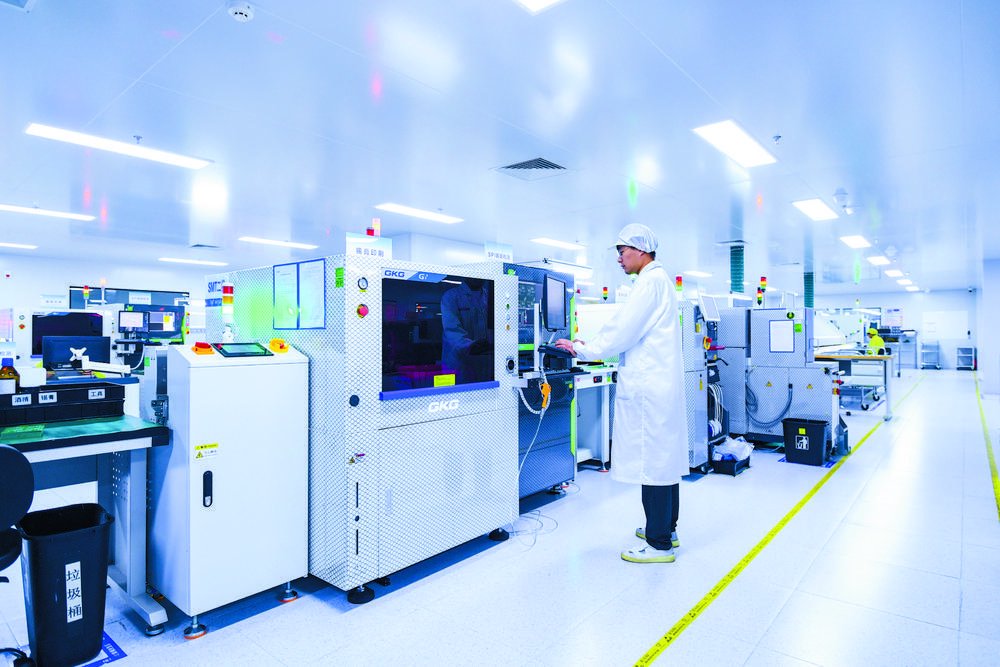
Core Viewpoint - The article highlights the efforts of Shijiazhuang City in promoting the "Shared Intelligent Manufacturing" initiative, showcasing its measures and achievements in empowering industrial clusters for high-quality development [1][18]. Group 1: Overview of Shared Intelligent Manufacturing - Shijiazhuang City has transformed its long-standing craftsmanship, quality, and production management systems into an open service resource, becoming a regional high-end electronic equipment sharing platform [3][20]. - The "Shared Intelligent Manufacturing" initiative aims to facilitate the transition of traditional manufacturing towards high-end, intelligent, and green development, while also reducing costs and increasing efficiency [3][4]. - Since the launch of the provincial "Shared Intelligent Manufacturing" action in June 2024, Shijiazhuang has actively promoted the construction of shared factories, parks, and laboratories, achieving significant results [3][4]. Group 2: Policy and Mechanisms - The city has established a policy guidance mechanism, including a three-year action plan for upgrading industrial clusters, with an annual budget of approximately 10 million yuan for supporting shared factories and smart manufacturing [7][24]. - Shijiazhuang has cultivated 97 leading enterprises in its industrial clusters, the highest in the province, enhancing the role of leading enterprises in driving development [7][24]. - The city has organized training sessions and established a nurturing database for shared intelligent manufacturing, integrating resources from various sectors [7][24]. Group 3: Types of Shared Models - The 12 provincial-level industrial clusters have begun to form distinct shared models, categorized into four types: - **Technology Empowerment Sharing**: Focuses on innovation and value chain elevation, exemplified by the integration of national testing centers and innovation alliances [10][27]. - **Process Breaking Sharing**: Aims to enhance efficiency by addressing bottlenecks, as seen in the textile and equipment manufacturing sectors [11][28]. - **Platform Collaborative Sharing**: Constructs an ecological network for flexible resource allocation, demonstrated by digital platforms facilitating multi-factory collaboration [12][29]. - **Green Circular Sharing**: Emphasizes sustainability and resource integration, with practices in eco-friendly leather and metallurgy sectors [13][30]. Group 4: Future Directions - Shijiazhuang aims to deepen and broaden its sharing practices, transitioning from isolated applications to a comprehensive ecosystem that enhances the entire industrial chain [14][31]. - The city is focused on evolving its shared practices from basic to advanced levels, providing diverse and replicable upgrade templates for high-quality industrial development [14][31].
神州答卷|集群发展 串珠成链 创新赋能——河北省县域经济发展观察
Xin Hua Wang· 2025-12-23 01:34
Core Insights - Hebei Province is leveraging its historical strengths in county-level industrial clusters to drive economic development through innovation and efficiency improvements [1][25] - The province has established 107 provincial-level key characteristic industrial clusters, focusing on quality upgrades and cost reductions to support high-quality economic growth [1][11] Industrial Clusters: New Engines of Growth - The construction of the new industrial park in Xinhai Economic Development Zone is progressing, with an expected annual output value of 200 million yuan upon completion [2] - The focus on optimizing traditional industries through shared resources and technology exchange is enhancing operational efficiency and reducing costs [4][21] Innovation Empowerment - The cosmetic brush industry in Qingxian has seen significant growth, with annual production exceeding 500 million brushes and a market share of over 50% in China [6] - Local enterprises are collaborating with renowned cultural institutions and utilizing advanced technologies to enhance product quality and market appeal [6][12] Food Industry Development - Qiu County has developed a comprehensive food industry chain, attracting over 200 food enterprises and creating more than 10,000 jobs [11] - The integration of various food production processes is fostering local economic growth and enhancing the region's market competitiveness [11] Agricultural Innovation - The introduction of ice sweet potatoes in Baixiang County has significantly increased product value, with a full-chain digital agriculture system in place [12][14] - New technologies in mushroom cultivation are enabling year-round production, contributing to local economic development [16] Technological Advancements - Hebei Province is focusing on high-end manufacturing and technological innovation, with significant investments in automation and smart manufacturing processes [21][24] - The province aims to enhance the competitiveness of its industrial clusters through shared manufacturing capabilities and technological breakthroughs [25]
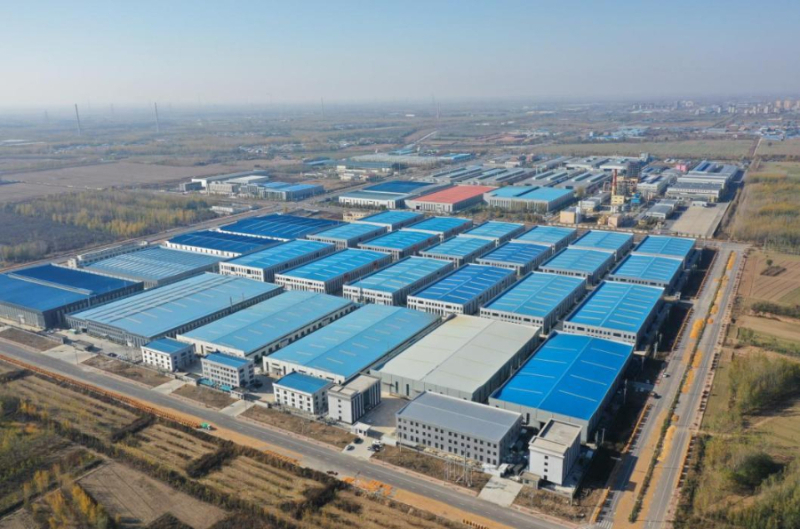
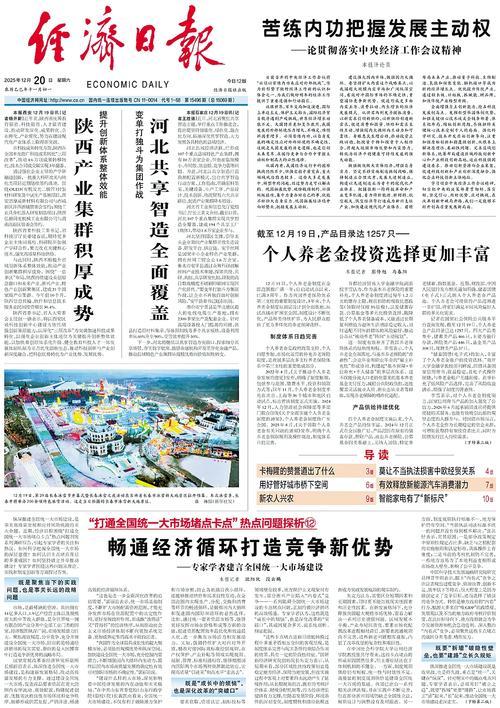
河北共享智造全面覆盖
Jing Ji Ri Bao· 2025-12-20 05:40
Core Viewpoint - Hebei Province is focusing on shared intelligent manufacturing to enhance county-level economies, addressing challenges such as small scale, scattered layout, low efficiency, and weak competitiveness [1][2] Group 1: Shared Intelligent Manufacturing Initiatives - Hebei has established 107 key county-level industrial clusters with over 100,000 enterprises, aiming to create a new resource allocation model through shared intelligent manufacturing [1] - The province has implemented a shared intelligent manufacturing action plan and guidelines, outlining six key shared paths: raw material procurement, key equipment, production processes, product design, technological innovation, and logistics trade [1] - As of now, all 107 key clusters in Hebei have achieved full coverage of shared intelligent manufacturing, with 194 shared factories established, engaging 18,000 enterprises [1] Group 2: Case Studies and Local Initiatives - Anping County, known for its wire mesh industry, has over 16,000 enterprises and is utilizing crowdfunding for research to solve technological challenges, promoting a collaborative research and development mechanism [1] - In Ningjin County, the largest wire and cable production base in North China, over 2,300 production and supporting enterprises have increased equipment utilization from 60% to 90% and improved delivery efficiency by 50% through shared platforms [2] Group 3: Future Directions - Hebei plans to continue leveraging shared intelligent manufacturing as a breakthrough point, exploring detailed shared scenarios and encouraging financial institutions to develop differentiated financial products [2] - The goal is to transition county-level characteristic industrial clusters from scale advantages to value-driven success [2]
变单打独斗为集团作战 河北共享智造全面覆盖
Jing Ji Ri Bao· 2025-12-19 22:25
Group 1 - The core focus of Hebei Province is on shared intelligent manufacturing, emphasizing smart, green, and integrated development to enhance county-level economies [1] - Hebei has established 107 key county-level industrial clusters with over 100,000 enterprises, but faces challenges such as small scale, scattered layout, low efficiency, and weak competitiveness [1] - The province has implemented a shared intelligent manufacturing action plan that includes six major shared paths: raw material procurement, key equipment, production processes, product design, technological innovation, and logistics trade to reduce costs and improve efficiency [1] Group 2 - As of now, all 107 key clusters in Hebei have achieved full coverage of shared intelligent manufacturing, with 194 shared factories established, engaging 18,000 enterprises [1] - The county of Anping, known for its wire mesh industry, has developed a collaborative research mechanism to address technological challenges, resulting in the domestication of high-precision stainless steel printing nets [1] - In Ningjin County, the largest wire and cable production base in North China, the utilization rate of equipment has increased from 60% to 90%, and delivery efficiency has improved by 50% through shared platforms [2]