关键人物风险

Search documents
特斯拉股东投票批准马斯克“万亿薪酬包”,十年持股或增至25%
美股IPO· 2025-11-07 00:50
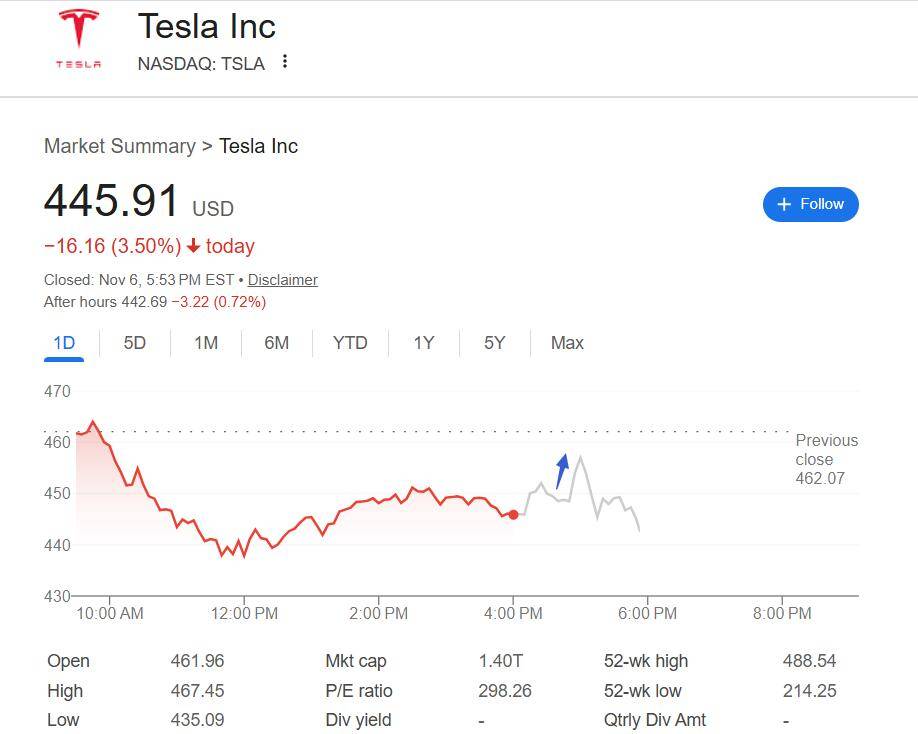
Core Viewpoint - Tesla's shareholders approved a historic $1 trillion compensation package for CEO Elon Musk, with over 75% of voting shareholders in favor, despite prior opposition from significant shareholders [1][4][8]. Group 1: Compensation Package Details - The approved compensation plan allows Musk to potentially increase his stake in Tesla from 15% to approximately 25% over ten years, contingent on achieving significant market and performance targets [2][6]. - To receive the full compensation, Musk must elevate Tesla's market value from $1.5 trillion to $8.5 trillion, sell 12 million vehicles, deploy 1 million Robotaxi vehicles, achieve 10 million subscriptions for the Full Self-Driving (FSD) service, and deliver 1 million robots [6][10]. Group 2: Market Reactions - Following the approval of the compensation plan, Tesla's stock initially dropped 3.5% but later rose over 3% before ultimately declining again [3][4]. - Morgan Stanley warned that a rejection of Musk's compensation plan could lead to a more than 10% drop in Tesla's stock price, as it would be perceived as a lack of confidence in Musk's leadership [7]. Group 3: Shareholder Opposition - Significant shareholders, including the California Public Employees' Retirement System (CalPERS) and the Norwegian Oil Fund, expressed opposition to the compensation plan, citing concerns over excessive pay and potential dilution of shareholder value [8][9]. - Shareholder advisory firms Glass Lewis and ISS recommended that investors reject the proposal linking Musk's pay to stock price and operational performance [9]. Group 4: Governance Concerns - Experts criticized the compensation plan for violating governance principles, arguing that it places too much power in the hands of a single leader with potential conflicts of interest [10][11]. - Some governance specialists noted that the board appears to be under pressure from Musk, labeling him a "superstar CEO" who may be leveraging his position [11].

特斯拉股东投票批准“万亿薪酬包”,达标后马斯克持股或增至25%
Sou Hu Cai Jing· 2025-11-06 23:25
Core Points - Tesla's shareholders approved a historic $1 trillion compensation package for CEO Elon Musk, with over 75% of voting shareholders in favor [1] - The approval of the compensation plan is seen as a significant event for Tesla, potentially allowing Musk's personal wealth to exceed $1 trillion, contingent on achieving major performance targets [1][4] - Musk's compensation plan requires him to increase Tesla's market value from $1.5 trillion to $8.5 trillion over ten years, among other ambitious goals [4] Shareholder Reactions - Following the approval, Tesla's stock experienced volatility, initially dropping 3.5% but later rising over 3% before declining again [2] - Some major shareholders, including CalPERS, expressed opposition to the compensation plan, citing concerns over its size compared to industry standards and the concentration of power it would create [5][6] - Shareholder advisory firms Glass Lewis and ISS recommended that investors reject the plan, indicating a lack of alignment with shareholder interests [6] Governance Concerns - Experts have raised alarms about the governance implications of the compensation plan, arguing it undermines principles of accountability and could lead to excessive power for Musk [7][8] - The board's decision to tie Musk's compensation to stock performance has been defended by some as aligning with shareholder interests, but concerns remain about the risks associated with relying heavily on a single leader [8]
决定特斯拉命运的投票!马斯克“万亿美元薪酬方案”引股东论战,散户喊“他离职我清仓”,有机构斥其“为权力付费”
Mei Ri Jing Ji Xin Wen· 2025-11-06 11:32
Core Viewpoint - The focus of Tesla's annual shareholder meeting is a controversial compensation plan for Elon Musk, potentially worth up to $1 trillion in stock incentives, facing significant opposition from institutional investors and some retail shareholders [1][2][4]. Institutional Investor Opposition - Norges Bank Investment Management, the world's largest sovereign wealth fund, has publicly stated its opposition to Musk's compensation plan, citing concerns over its scale, dilution risk, and reliance on key personnel [2]. - Calpers, the largest public pension fund in the U.S., also criticized the plan for being excessively high compared to peers and for concentrating power [2]. - Thomas DiNapoli, New York State Comptroller, labeled the proposal as "paying for power rather than performance" and urged shareholders to oppose the re-election of all directors seeking reappointment [4]. Retail Investor Sentiment - Retail investors are divided; some view the compensation plan as essential for retaining Musk, while others express strong discontent, linking their investment decisions to Musk's actions and statements [5][6]. - A retail investor holding 4,000 shares indicated that Musk's departure would lead to a complete sell-off of their holdings, emphasizing Musk's critical role in Tesla's success [5]. - Conversely, another long-term investor criticized Musk's behavior, arguing it has damaged Tesla's reputation and sales potential, advocating for a change in leadership [6]. Board and Musk's Defense - Tesla's board has launched a public relations campaign to support Musk's compensation plan, emphasizing his irreplaceable role in the company's future [7]. - Musk has personally engaged in defending the proposal, labeling critics as "corporate terrorists" and suggesting that the vote outcome could impact the future of civilization [9]. - Despite significant opposition from major institutional investors, market predictions indicate a high probability (96%) of the proposal's approval [9][11]. Compensation Plan Details - The compensation plan involves granting Musk up to 423.7 million restricted stock units, contingent on achieving specific market capitalization and operational milestones over a ten-year period [16][21]. - The first milestone requires Tesla's market value to increase from approximately $1.5 trillion to $2 trillion, with subsequent phases increasing the target by $500 billion, ultimately aiming for $8.5 trillion [21][22]. - Operational goals include delivering 20 million vehicles, achieving 10 million active FSD subscriptions, and launching 1 million Robotaxi units into commercial operation [23].

红牌了!马斯克万亿薪酬方案遭否决
Sou Hu Cai Jing· 2025-11-05 15:02
Core Viewpoint - The rejection of Elon Musk's exorbitant compensation plan by Norway's sovereign wealth fund and a U.S. court highlights concerns over corporate governance and shareholder interests rather than a denial of Musk's contributions [1][4]. Group 1: Compensation Concerns - The proposed compensation plan required Musk to increase Tesla's market value to $8.5 trillion over the next decade, which is approximately eight times the current market value, potentially granting him stock worth about $1 trillion, equivalent to 12% of the company [4]. - Investors are worried that such a massive reward could significantly dilute the ownership stakes of other shareholders, leading to a decrease in stock value [4]. Group 2: Dependency on Key Individuals - There are concerns regarding Tesla's over-reliance on Musk, referred to as "key person risk," which poses significant uncertainty for the company's operations if Musk were unable to fully engage in his role [4]. - The chairman of Tesla indicated that if the compensation plan were not approved, Musk might consider leaving the company, underscoring the extent of the company's dependency on him [4]. Group 3: Decision-Making Process Issues - The U.S. court previously rejected Musk's $56 billion compensation plan due to procedural flaws, with opposition focusing on potential harm to other shareholders and a lack of fairness and transparency in the decision-making process [5]. - The board's lack of independence was highlighted, as several members had close personal ties with Musk, including long-term business relationships and personal connections [6]. - Insufficient information disclosure during the shareholder voting process led to decisions made without adequate understanding of the compensation plan's formulation, which the court deemed insufficient to rectify the initial procedural issues [6].