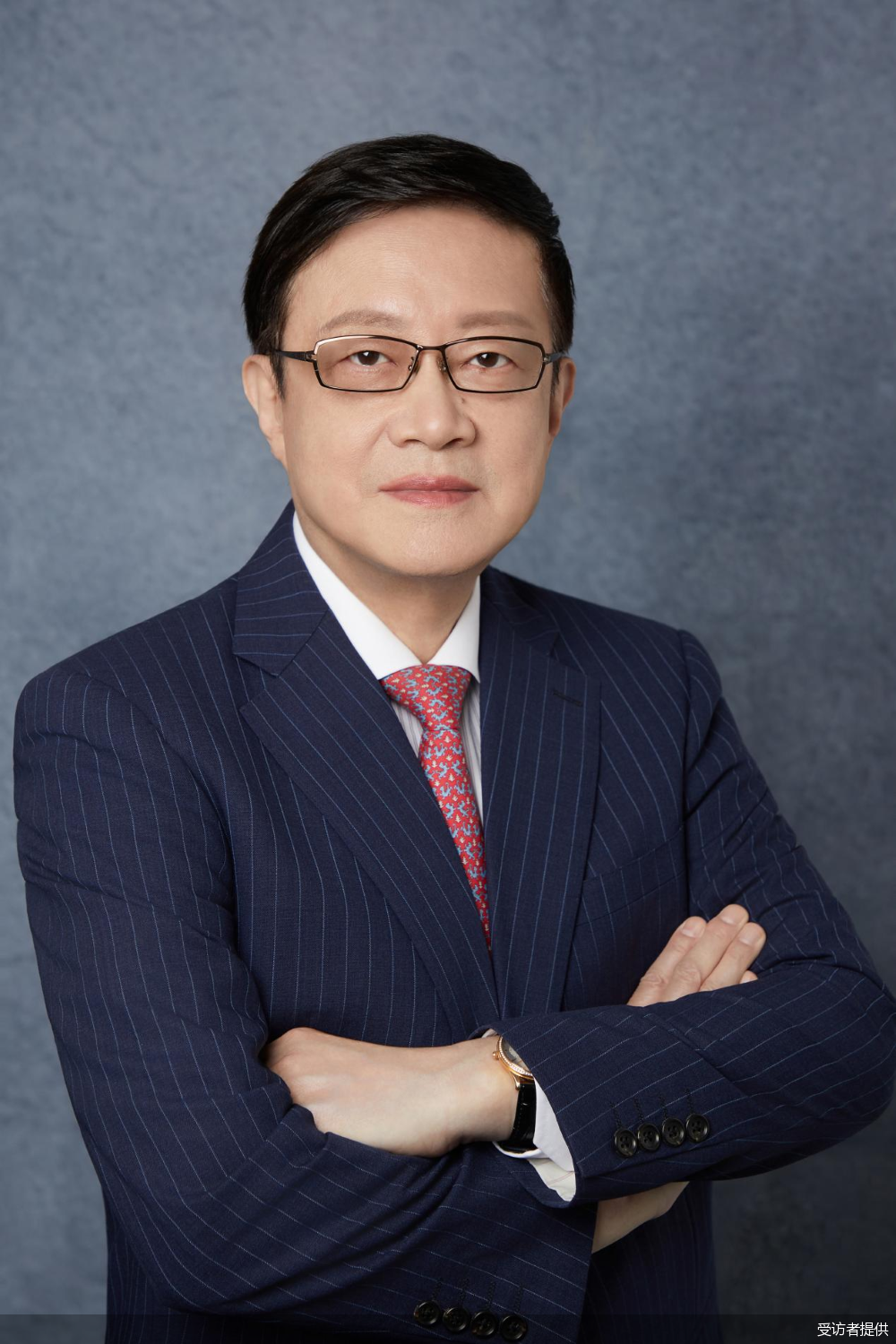
内外循环深度融合

Search documents
连平:推动内外循环深度融合
Sou Hu Cai Jing· 2025-12-22 01:52
Core Viewpoint - The Chinese economy is at a historical juncture as it transitions from the "14th Five-Year Plan" to the "15th Five-Year Plan," facing both opportunities and challenges in the macroeconomic environment. The focus for 2026 is on balancing short-term recovery with long-term transformation, emphasizing sustainable consumption growth and the integration of "internal circulation" and "high-level opening up" strategies [1][3]. Group 1: Economic Environment and Policy Direction - The global economy is still searching for a recovery rhythm amid fluctuations, while China's economy shows resilience due to policy synergy [1]. - The Central Economic Work Conference has set the tone for 2026 as "seeking progress while maintaining stability, improving quality and efficiency" [1]. - The importance of balancing short-term recovery with long-term transformation is highlighted, particularly in achieving sustainable consumption growth [1]. Group 2: Internal and External Circulation - The integration of internal and external circulation is crucial for China's economic development, especially in light of global trade restructuring and the spillover effects of major economies' policies [3]. - The Central Economic Work Conference emphasizes the need to coordinate domestic and international situations and to maintain openness while promoting win-win cooperation in multiple fields [3]. - The urgency of stabilizing foreign trade and foreign investment is underscored, given the moderate slowdown of the global economy and the challenges posed by geopolitical risks [3]. Group 3: Strategic Focus for 2026 - Key areas of focus for the upcoming year include actively expanding autonomous opening up, enhancing the quality and efficiency of foreign trade, and expanding bilateral investment cooperation [4]. - Achieving synergy between internal circulation and external opening requires policy guidance and improved market mechanisms [4]. - The establishment of 22 pilot free trade zones is seen as a vital node for promoting the flow of domestic and foreign factors and goods, facilitating the integration of internal and external circulation [4].

“十五五”首席观察|专访连平:扩大内需,推动内外循环深度融合
Bei Jing Shang Bao· 2025-12-18 06:01
Core Viewpoint - The macroeconomic environment in China is characterized by both opportunities and challenges as it transitions from the "14th Five-Year Plan" to the "15th Five-Year Plan," with a focus on stimulating domestic consumption and optimizing financial supply [1] Economic Policy and Monetary Measures - The People's Bank of China (PBOC) continues to maintain a loose monetary policy through tools like reserve requirement ratio (RRR) cuts and interest rate reductions to support economic recovery [1][8] - In 2026, there is a likelihood of a 0.25-0.5 percentage point RRR cut, and policy interest rates may be lowered by 0.1-0.3 percentage points to stimulate consumption and investment [2][9] Consumer Spending and Real Estate - Weak consumer spending is primarily attributed to a sluggish real estate market and income constraints, with future policies expected to focus on income growth and targeted real estate measures to unlock consumption potential [2][5] - The core issues affecting consumer spending include a decline in housing transactions impacting related consumption and the overall growth of various income sources [5] Consumption Growth Strategies - In 2026, China aims to expand the supply of quality consumer goods and services, fostering new consumption growth points and creating new consumption scenarios [6] - Policies will include increasing subsidies for consumption, optimizing the implementation of new policies, and enhancing income through various channels [6][7] Structural Financial Policies - The central economic work conference emphasizes the need for financial institutions to support key areas such as expanding domestic demand and technological innovation [10] - Structural monetary policy tools are expected to be expanded, with potential interest rate reductions to enhance support for small and micro enterprises and other critical sectors [10] Currency Outlook - The Chinese yuan is expected to appreciate in 2026, supported by factors such as stronger economic growth compared to the U.S., a favorable trade balance, and changing market expectations [12][11] - However, significant fluctuations in the yuan's value are unlikely, as regulatory measures will aim to maintain stability within a reasonable range [13] International Trade and Investment - The restructuring of global trade and the spillover effects of major economies' policies will remain significant external variables for China's economic development in 2026 [14] - Strategies will include enhancing foreign trade quality, expanding import trade, and promoting digital trade to foster a more integrated domestic and international market [15][16]