军工出口

Search documents
新华财经早报:2月1日
Xin Hua Cai Jing· 2026-02-01 01:15
Group 1: Manufacturing and Economic Indicators - In January, China's manufacturing Purchasing Managers' Index (PMI) was reported at 49.3%, a decrease of 0.8 percentage points from the previous month, indicating a contraction in the manufacturing sector [2] - The production index stood at 50.6%, indicating continued expansion, while the new orders index fell to 49.2%, reflecting a decline in market demand [2] - Industries such as agricultural and food processing, as well as railway, shipping, and aerospace equipment, showed production and new orders indices above 56.0%, indicating rapid release of supply and demand [2] - Conversely, industries like petroleum, coal, and automotive had indices below the critical point, signaling a slowdown in market demand and production [2] Group 2: Taxation and Regulatory Updates - The Ministry of Finance and the State Taxation Administration issued an announcement clarifying the calculation of taxable sales for value-added tax (VAT) transactions, particularly for financial products [2] - New regulations specify that the sales amount for transferred financial products is calculated based on the balance after deducting the purchase price from the selling price, with provisions for handling negative balances [2] - Additional announcements were made regarding VAT and consumption tax policies for export goods and cross-border services, providing clarity on tax exemptions and refunds [2] Group 3: Transportation and Mobility - The 2026 Spring Festival travel season will begin on February 2 and last for 40 days, with an expected cross-regional mobility of 9.5 billion people, marking a historical high [2] - Self-driving travel is anticipated to dominate, accounting for approximately 80% of the total travel, while railway and civil aviation passenger volumes are projected to reach 540 million and 95 million, respectively [2]


经济日报财经早餐【2月1日星期日】
Jing Ji Ri Bao· 2026-01-31 23:58
Group 1 - The Central Committee of the Communist Party of China emphasized the importance of leveraging comparative advantages and promoting breakthroughs in future industry development during a collective study session on January 30 [1] - The Ministry of Natural Resources reported significant progress in land rights registration during the 14th Five-Year Plan, with over 2,100 key areas completing registration, covering more than 340,000 square kilometers [1] - The manufacturing Purchasing Managers' Index (PMI) for January was reported at 49.3%, indicating a contraction in the manufacturing sector [1] Group 2 - The Dalian Commodity Exchange launched soybean meal and corn options on January 30, providing more flexible hedging options for industry players, marking a significant advancement in the agricultural commodity options market [2] - The Ministry of Industry and Information Technology projected a positive outlook for the software and information technology services industry by 2025, with software business revenue expected to reach 1,548.31 billion yuan, a year-on-year increase of 13.2% [2] Group 3 - France's economy is projected to grow by 0.9% in 2025, slightly above previous expectations, although still lower than the growth forecast for 2024 [3] - Germany's unemployment rate reached 3.08 million in January, an increase of 177,000 from December, marking the highest level in 12 years [3] - Russia plans to significantly increase military exports by 2026, focusing on military-technical cooperation with the Collective Security Treaty Organization and CIS countries [3]
印尼防长:将采购中国歼-10战斗机
第一财经· 2025-10-16 01:23
Group 1 - Indonesia's Defense Minister confirmed the purchase of Chinese J-10 fighter jets, indicating they will soon be present in Jakarta [2] - Specific details regarding the timeline and quantity of the procurement were not disclosed by the Defense Minister [2]

中国军工出口爆20倍?全球疯抢中国战争套餐,2030年收割万亿市场
Sou Hu Cai Jing· 2025-10-05 06:26
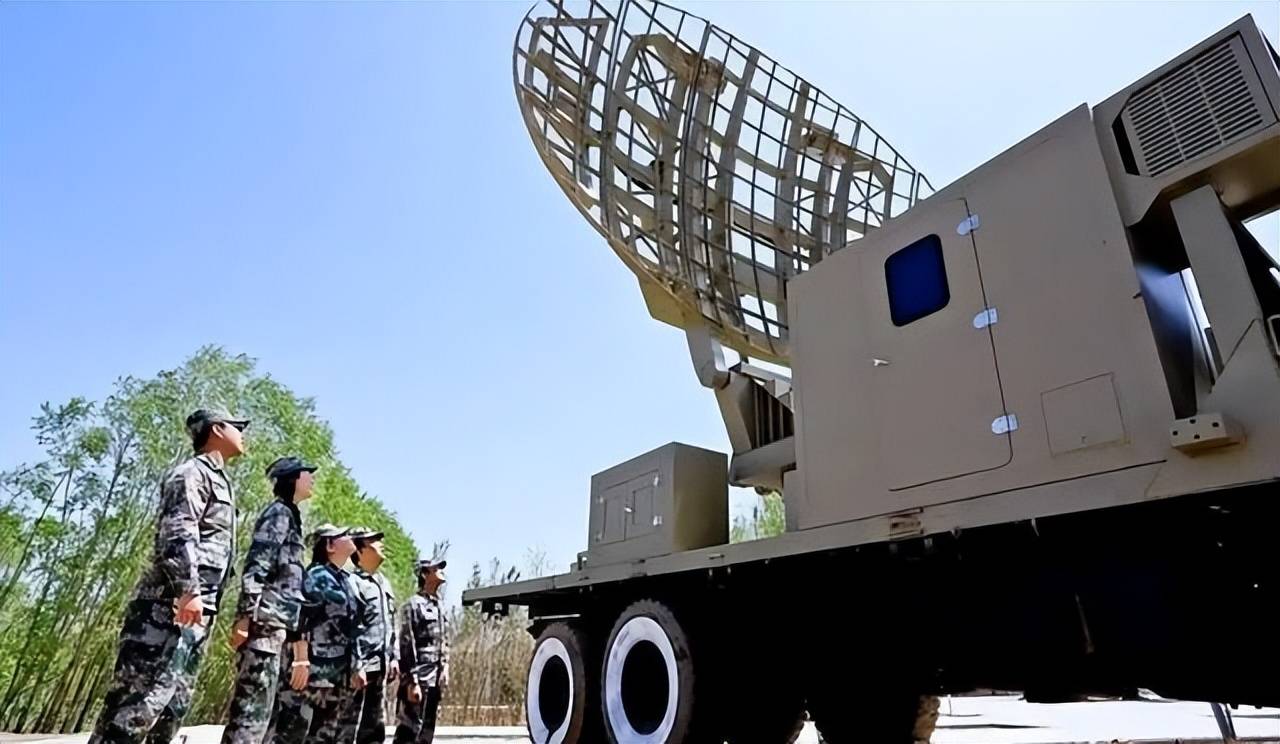
Core Insights - The Chinese military industry is experiencing unprecedented growth opportunities amid complex global geopolitical dynamics, with steady increases in weapon exports showcasing technological prowess and attracting global attention [1][9] - China ranks fourth globally in arms exports, accounting for 5.9% of the total from 2020 to 2024, with key markets in Asia and Africa [1][7] Export Performance - Weapon exports have remained stable compared to the 2015-2019 period, with Pakistan being a significant partner, accounting for 63% of China's military exports [1][4] - Other notable markets include Serbia and Thailand, contributing 6.8% and 4.6% respectively, driven by the high cost-performance ratio and reliability of Chinese products [1][4] Product Competitiveness - Chinese military products, such as the JF-17 fighter jet, are significantly cheaper than Western counterparts, with the JF-17 priced at one-third of the F-16, enhancing affordability for smaller nations [4][9] - The successful export of over 100 JF-17 jets to countries like Pakistan, Myanmar, and Nigeria demonstrates the competitive edge of Chinese military technology [1][4] Technological Advancements - China's military industry has achieved over 90% self-sufficiency in key technologies, including aircraft engines and phased array radar chips, bolstering export capabilities [5][10] - Continuous government support for defense budgets and military-civilian integration policies have facilitated technological innovation and the global application of systems like BeiDou [5][10] Market Trends - The Middle East, Africa, and Southeast Asia are emerging as primary markets for Chinese military exports, with countries like Saudi Arabia and Egypt being major buyers [7][9] - The global arms trade market is projected to exceed $200 billion in the coming years, with China's market share potentially increasing from 10% to 30% [9][10] Future Outlook - The military industry is expected to become a key investment focus over the next decade, surpassing traditional sectors like internet and real estate [10] - The ongoing geopolitical instability presents new growth opportunities for the military sector, particularly in enhancing cooperation with developing regions [10]