利率互换合约

Search documents
【债市观察】年初“股债跷跷板”凸显 10债能否在1.90%企稳?
Zhong Guo Jin Rong Xin Xi Wang· 2026-01-12 03:53
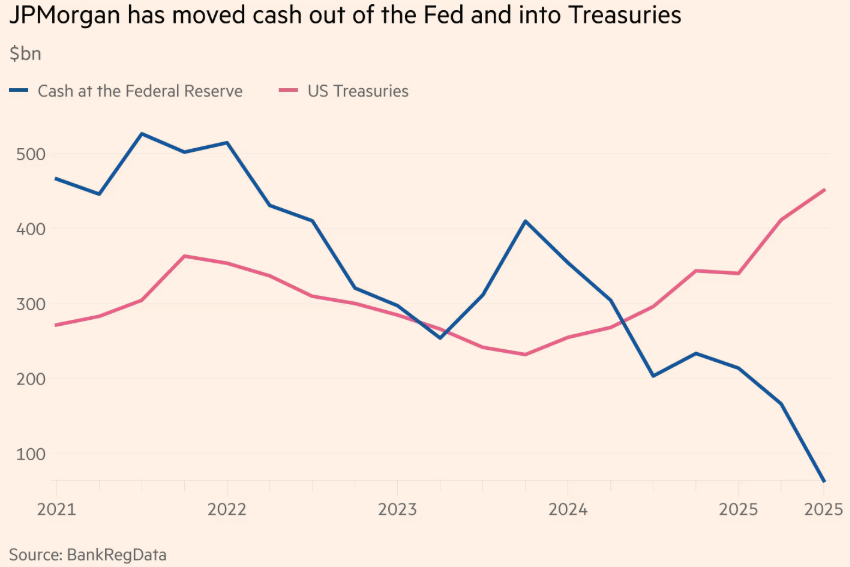
Core Viewpoint - The bond market experienced significant adjustments under multiple negative pressures, while equity and commodity markets rose, with the Shanghai Composite Index surpassing 4100 points. Concerns regarding government bond issuance scale and duration were validated at the beginning of the year, and the central bank's bond purchase announcement fell short of expectations, exacerbating short-term selling pressure [1]. Market Review - From January 5 to January 9, 2026, the bond market saw fluctuations in yields across various maturities, with the 10-year government bond yield approaching 1.90% before stabilizing. The yield curve flattened overall, indicating a shift in market sentiment [2][3]. - On January 9, the yields for different maturities changed as follows: 1-year (-4.35 BP), 2-year (8.4 BP), 3-year (8.54 BP), 5-year (3.04 BP), 7-year (2.77 BP), 10-year (3.55 BP), 30-year (4.95 BP), and 50-year (5.5 BP) [2]. - The bond market faced supply concerns, with the 10-year government bond yield rising to 1.8615% on January 5 and reaching 1.8985% on January 7 before slightly declining [5]. Primary Market - A total of 58 bonds were issued last week, amounting to 763.234 billion yuan, including 6 government bonds (49.5 billion yuan), 26 policy bank bonds (150.57 billion yuan), and 26 local government bonds (117.664 billion yuan) [5]. - The upcoming week (January 12 to January 16, 2026) plans to issue 21 bonds totaling 270.201 billion yuan, including 2 government bonds (167 billion yuan) and 14 local government bonds (70.201 billion yuan) [5]. Economic Indicators - The consumer price index (CPI) for December 2025 rose by 0.2% month-on-month and 0.8% year-on-year, while the core CPI increased by 1.2% year-on-year. The producer price index (PPI) rose by 0.2% month-on-month but fell by 1.9% year-on-year [13]. - As of December 2025, China's foreign exchange reserves stood at 33,579 billion USD, an increase of 115 billion USD from the previous month, reflecting a 0.34% rise [14]. Institutional Perspectives - Financial institutions suggest that the probability of a unilateral rise in interest rates is low, with expectations for the bond market to stabilize after mid-January. Concerns remain regarding long-term bond supply and monetary easing [16]. - Analysts indicate that while there may be short-term adjustments in the market, the overall supply and funding variables remain unclear, necessitating cautious evaluation of downward interest rate potential [17].

摩根大通「逃离」美联储 3500 亿美元猛攻美债
Jin Shi Shu Ju· 2025-12-17 13:41
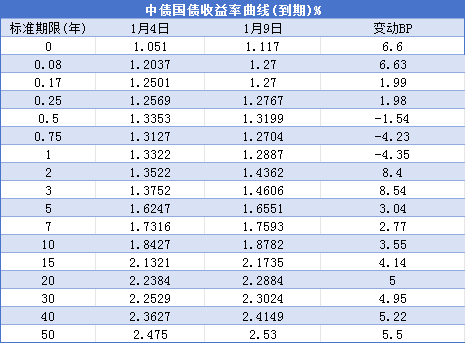
Core Insights - JPMorgan Chase has withdrawn nearly $350 billion from its Federal Reserve account since the beginning of 2023, reallocating most of these funds into U.S. government bonds as a defensive strategy against potential profit erosion from interest rate cuts [1][5] - The bank's balance at the Federal Reserve has plummeted from $409 billion at the end of 2022 to just $63 billion by the third quarter of 2023, while its holdings of U.S. Treasury securities have surged from $231 billion to $450 billion [1][5] - This strategic shift reflects how the largest U.S. bank is preparing for the end of a period of easy profitability, where it previously earned returns on cash held at the Federal Reserve while paying low interest to most depositors [1] Group 1 - JPMorgan Chase is proactively moving funds from the Federal Reserve to U.S. Treasuries to lock in higher yields in anticipation of declining interest rates [5][9] - The bank's actions have been significant enough to offset the total changes in deposits at the Federal Reserve for over 4,000 other banks, which saw total deposits drop from $1.9 trillion to approximately $1.6 trillion since the end of 2023 [9] - The Federal Reserve's interest payments on reserves have surged, with projected payments reaching $186.5 billion in 2024, raising questions about the effectiveness of this policy [9][12] Group 2 - JPMorgan Chase has not disclosed the duration of its U.S. Treasury investments or the extent to which it uses interest rate swap contracts to manage risk [5] - The bank's stable deposit base allowed it to benefit from returns on cash held at the Federal Reserve during high interest periods, contrasting with competitors like U.S. Bank, which faced significant losses [5] - In 2024, JPMorgan Chase is expected to receive $15 billion in interest payments from the Federal Reserve, contributing to its total projected profit of $58.5 billion for the year [12]