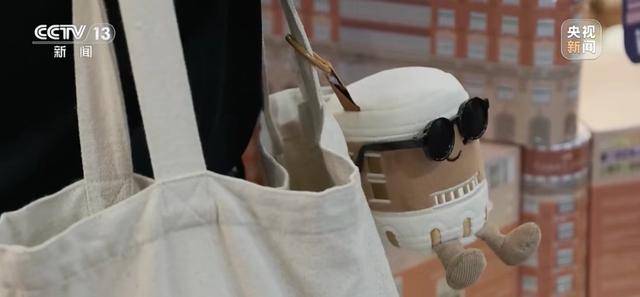
包挂经济

Search documents
玩具新潮催生“包挂经济”(看中国好物七十二变)
Ren Min Ri Bao· 2026-01-14 07:00
Core Viewpoint - The rise of "bag-hanging economy" reflects a shift in consumer preferences towards portable, emotionally resonant products, particularly among younger demographics, emphasizing emotional value over mere utility [2][3][4]. Group 1: Changing Consumer Demand - Bag-hanging products serve as "emotional companions" and social symbols, allowing consumers to express their emotions and connect with like-minded individuals [3][4]. - The trend towards smaller, more affordable bag-hanging items aligns with the emotional consumption trend, where young consumers prioritize products that provide joy and a sense of belonging [3][4]. - Consumers are increasingly treating bag-hanging toys as personal items, often customizing them to reflect their moods and styles, thus enhancing their emotional connection [3][4]. Group 2: Industry Transformation - The bag-hanging economy is supported by a robust supply chain in Guangdong, where over 4,000 toy manufacturers and nearly 1,500 supporting companies create a complete industry chain from design to sales [5][6]. - The shift from mass production to flexible manufacturing allows for rapid design iterations and small-batch production, catering to the fast-changing market demands [6][7]. - Advanced manufacturing technologies, such as 3D printing, enable low-cost, small-scale production, making it feasible to produce unique items without significant upfront investment [6][7]. Group 3: Global Expansion - Chinese bag-hanging products are gaining international popularity, with brands like Labubu and collaborations with local cultural elements resonating with global consumers [8][10]. - The export of Chinese cultural products is seen as a new growth area, with significant sales increases reported in regions like Southeast Asia and the Americas [10]. - The narrative of Chinese creativity and cultural confidence is being reinforced through the global success of these products, showcasing a blend of local culture and international appeal [11].

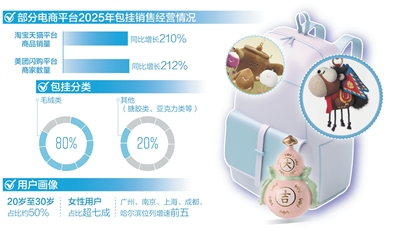
看中国好物七十二变丨玩具新潮催生“包挂经济”
Ren Min Ri Bao· 2026-01-14 04:58
Core Insights - The article discusses the emerging "bag-hanging economy," characterized by the popularity of small, portable accessories that serve as emotional expressions and social symbols among young consumers [4][5][6][8]. Group 1: Consumer Trends - Bag-hanging products are increasingly favored for their small size, low cost, and strong emotional value, catering to the psychological needs of young consumers who prioritize emotional satisfaction over mere utility [6][7][12]. - These accessories serve as "visual emotional expressions," helping consumers identify like-minded individuals and form new social circles [8][9]. - The trend reflects a shift in consumer behavior, where items are not just toys but also personal statements and reminders of experiences, often linked to local culture and personal memories [9][10]. Group 2: Industry Dynamics - Dongguan, known as the "Toy Capital of China," has become a manufacturing hub for bag-hanging products, housing over 4,000 toy manufacturers and 1,500 supporting companies, creating a complete industry chain from design to sales [10][11]. - The industry has shifted from mass production to flexible manufacturing, allowing for rapid design iterations and small batch production, which meets the fast-changing market demands [11][12]. - The integration of smart manufacturing and digital workshops has enabled lower production costs and quicker turnaround times, facilitating the production of unique items even in small quantities [11][12]. Group 3: Global Expansion - Chinese bag-hanging products are gaining international traction, with successful examples like the "Labubu" character and collaborations with popular media, enhancing their appeal in overseas markets [14][15]. - The rise of Chinese cultural products in global markets is supported by a growing acceptance of Chinese culture and aesthetics, with brands adapting their offerings to resonate with local consumers [15][16]. - The Chinese toy industry is leveraging its strong supply chain to enhance its global presence, with significant growth in regions like Southeast Asia, Europe, and the Americas projected for 2025 [15][16].
玩具新潮催生“包挂经济”
Xin Hua Wang· 2026-01-14 00:07
Core Insights - The rise of "bag-hanging economy" reflects a shift in consumer preferences towards portable, emotionally resonant products that serve as social symbols and personal expressions [3][4][5][6][7][8] Group 1: Consumer Trends - Bag-hanging products are increasingly popular among young consumers, characterized by small sizes and emotional value, fulfilling psychological needs beyond mere utility [5][6] - Consumers view bag-hanging items as "emotional companions" and social symbols, facilitating connections among individuals with similar values [7][8] - The trend is driven by a desire for personal expression and emotional connection, with products often reflecting local culture and personal experiences [8] Group 2: Industry Dynamics - Dongguan, known as the "capital of trendy toys," has become a manufacturing hub for bag-hanging products, housing over 4,000 toy manufacturers and 1,500 supporting companies [9][10] - The industry has shifted from mass production to flexible manufacturing, allowing for rapid design iterations and small-batch production to meet changing consumer demands [10][11] - The integration of smart manufacturing and digital workshops has enabled cost-effective production of small quantities, enhancing responsiveness to market trends [10] Group 3: Global Expansion - Chinese bag-hanging products are gaining international traction, with successful entries into markets in North America, Europe, and Southeast Asia, driven by unique cultural narratives and emotional resonance [12][13][14] - The rise of local brands and IP collaborations has enhanced the appeal of Chinese products abroad, showcasing a blend of traditional culture and modern design [14][15] - Future strategies include adapting products to local cultures while maintaining a connection to Chinese heritage, aiming to build emotional ties with global consumers [14][15]
小小包挂,如何撬动百亿消费新蓝海?
Sou Hu Cai Jing· 2026-01-11 14:55
Core Insights - The "bag charm economy" has gained significant traction among young consumers, evolving from a niche accessory to a mainstream market force, driving growth in the trendy and cultural creative sectors [1][5] - Social media platforms like Weibo and Xiaohongshu have seen over 100 million views on topics related to bag charms, indicating a strong consumer interest and emotional connection to these products [1][5] Group 1: Consumer Behavior and Trends - Young consumers view bag charms as a means to express emotions and personal stories, often changing them based on different life scenarios such as classes, dates, or travels [4][5] - The emotional value attached to bag charms is increasingly important, with consumers seeking items that symbolize good fortune or personal memories [4][5] - Online sales of bag charms have exceeded expectations, with some products selling over 500,000 units, reflecting a diverse range of price points and consumer preferences [5][6] Group 2: Industry Dynamics and Opportunities - The rise of the bag charm market presents a critical opportunity for the traditional plush toy industry to innovate and adapt, as many businesses are shifting focus to capitalize on this trend [6][15] - Companies like Anbeisi are transitioning from relying heavily on foreign trade to focusing on domestic markets, with bag charm products contributing significantly to their sales [8][15] - The plush toy industry in Yangzhou, known for its robust manufacturing capabilities, is aiming for a production value of over 30 billion yuan by 2025, with a need for transformation to meet evolving consumer demands [14][15] Group 3: Strategic Initiatives and Future Outlook - Yangzhou's government has introduced measures to support the transformation of the plush toy industry, emphasizing innovation, market expansion, and brand development [15] - The industry is expected to see a rise in the number of large-scale enterprises, with goals set for 2027 to have 55 companies above a certain scale, indicating a push for growth and modernization [15] - The ongoing demand for personalized, emotional, and culturally relevant products suggests that the bag charm economy will continue to expand, requiring businesses to enhance their design capabilities and consumer engagement strategies [15][16]
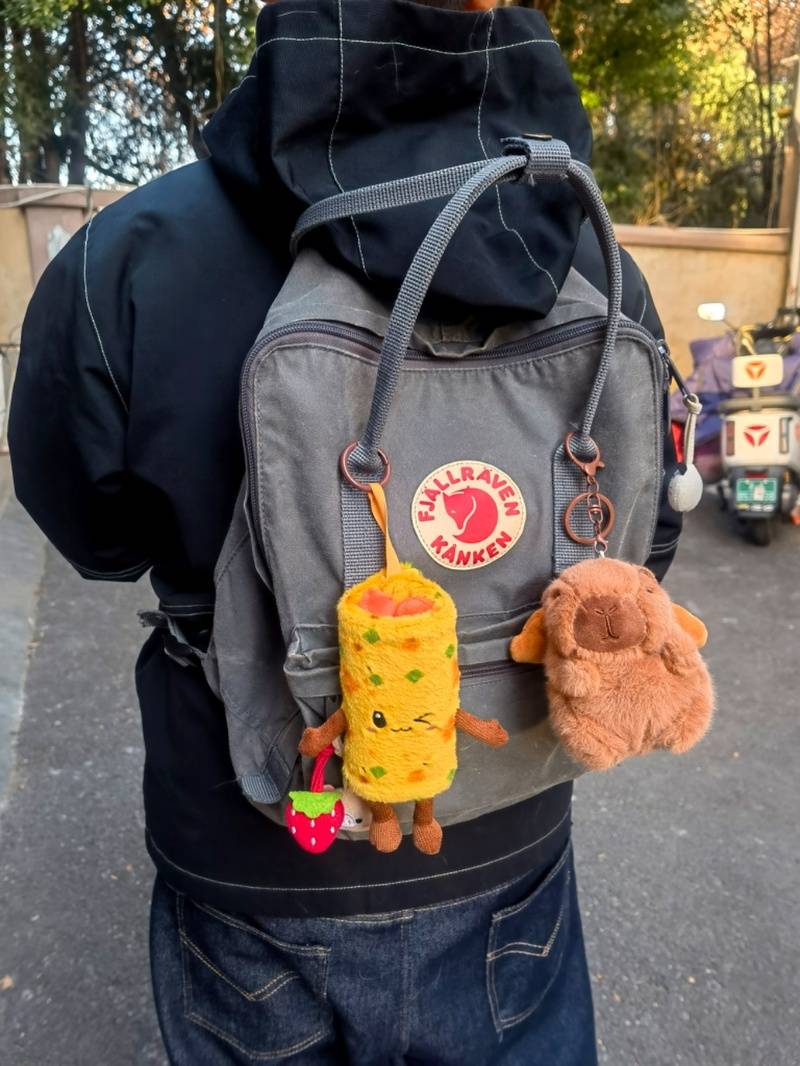
“50块帆布包配3000块包挂”,时髦年轻人背半个身家出门
虎嗅APP· 2025-12-02 14:11
Core Viewpoint - The article discusses the rise of "bag charms" as a significant trend in the fashion industry, particularly among young consumers, highlighting their role in personal expression and identity [7][12][14]. Group 1: Market Trends - The "bag charm economy" has seen a surge in popularity, with sales of plush bag charms on JD Supermarket increasing by 164% year-on-year, and Pop Mart's plush bag charm revenue skyrocketing by 1276.2%, accounting for 44.2% of total revenue, surpassing their figurine business for the first time [12]. - Bag charms, once considered mere accessories, are now recognized as mainstream consumer products, leading to the emergence of independent brands and a complete handmade industry chain [12]. Group 2: Consumer Behavior - Consumers are increasingly seeking personalized items that reflect their individual preferences, moving away from mass-market products to those that serve as personal statements [11][12]. - The trend of bag charms allows for a wide age demographic to engage in fashion, as they provide a means for individuals to express their identity and emotions through accessories [12][14]. Group 3: Cultural Significance - Bag charms have evolved beyond functional items to become symbolic identity markers, fostering community and belonging in a fast-paced digital society [14]. - The nostalgia associated with bag charms resonates with consumers, as they evoke memories of past fashion trends, creating a bridge between generations [18][21].
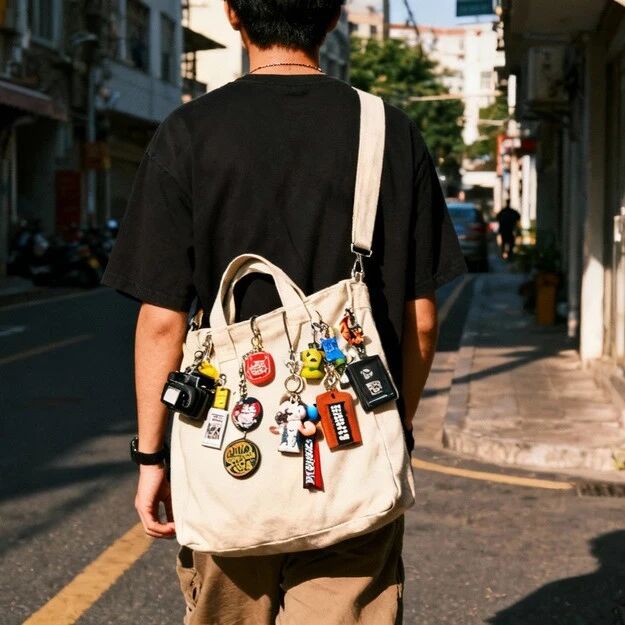
这届年轻人,为何钟爱“包挂”?
Sou Hu Cai Jing· 2025-11-22 13:17
Core Insights - The "bag charm" trend is rapidly gaining popularity among young consumers, with significant sales growth reported in the first half of the year, including a 164% year-on-year increase in plush bag charm sales on an e-commerce platform and a staggering 1276.2% increase in revenue from Pop Mart's plush bag charms, which now account for 44.2% of total revenue, surpassing figurines for the first time [1][2]. Group 1: Consumer Behavior and Trends - Bag charms serve as both decorative items and emotional carriers, allowing young consumers to express their interests and moods through their choices [2][4]. - The affordability of bag charms, typically priced between tens to hundreds of yuan, makes them an attractive option for young consumers seeking to refresh their daily style [2]. - Bag charms are perceived as "social currency," facilitating connections among individuals with shared interests, as they can spark conversations and friendships based on similar tastes [5][6]. Group 2: Cultural Significance and Market Development - Bag charms are increasingly being integrated with cultural elements, serving as mobile representations of local culture and heritage, such as the "Wukang Kang" doll inspired by the Wukang Building in Shanghai [7][9]. - The bag charm market is evolving into a vibrant industry, with a complete ecosystem developing in regions like Dongguan, where over 4,000 toy manufacturers are located, contributing to the production and distribution of bag charms [10][11]. - Continuous innovation and cultural empowerment are essential for maintaining product appeal in this rapidly growing market, with companies encouraged to align product development with the emotional and aesthetic preferences of Generation Z consumers [11][12].