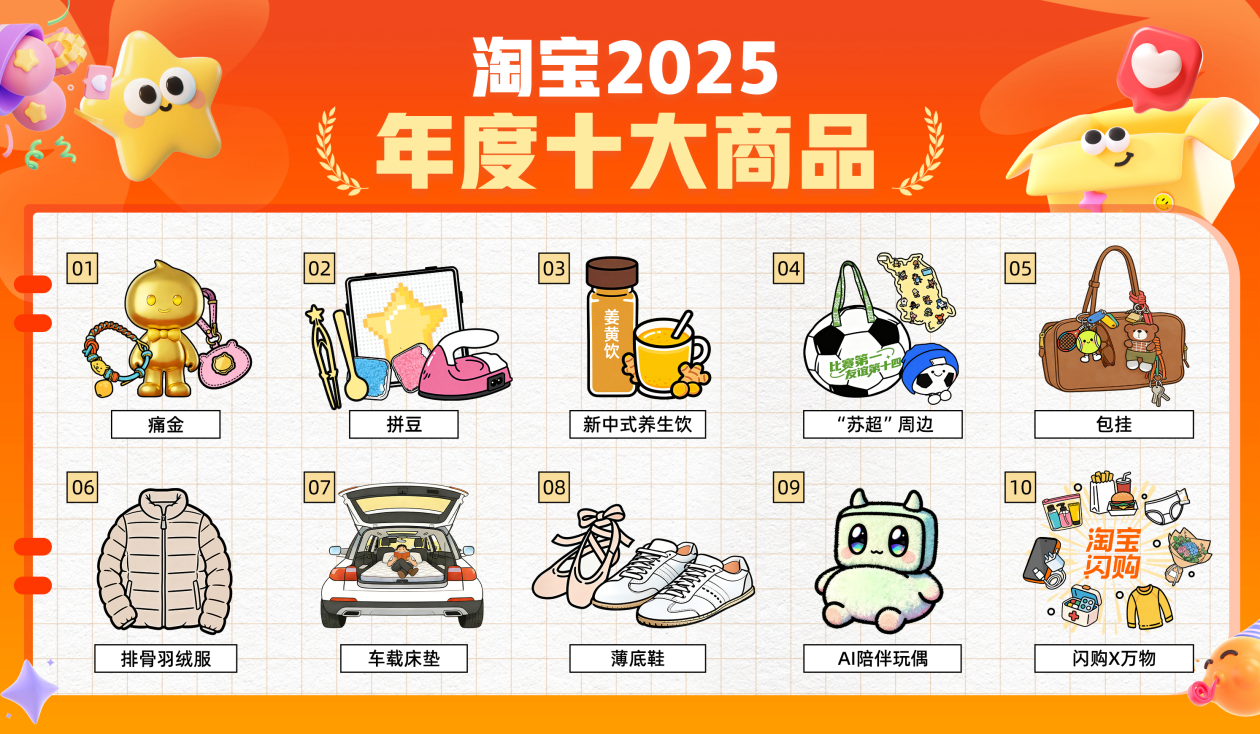
包挂

Search documents
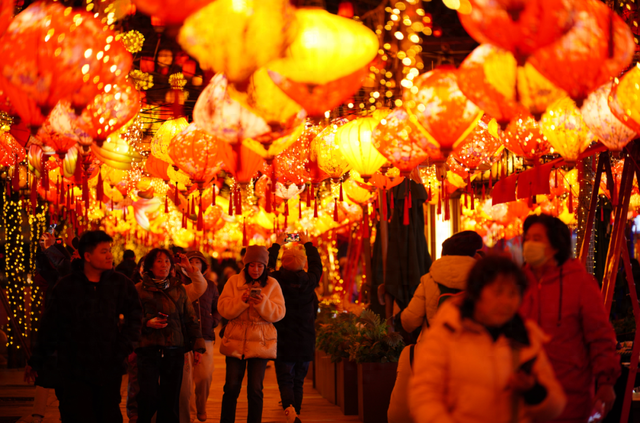
美出圈!颐和园旁这条百年老街,满是年味
Xin Lang Cai Jing· 2026-02-16 03:37
Core Viewpoint - The upcoming Spring Festival activities at Tongqing Street are themed "Galloping Horse to a New Year" and aim to blend traditional and modern cultural elements, creating an immersive experience for visitors [8][22]. Group 1: Event Highlights - The event features artistic installations like the "Ten Galloping Horses" and a flower-themed lantern festival, showcasing a fusion of Eastern aesthetics and floral elements [8][12]. - Activities include an immersive parade, cultural market, and interactive experiences that allow visitors to engage with traditional crafts and foods [11][12]. - The event runs from February 10 to March 3, 2026, and aims to create a vibrant atmosphere that combines viewing, playing, and cultural experiences [22]. Group 2: Cultural and Creative Products - A series of cultural and creative products themed around the Year of the Horse, including blind boxes and various practical items, are being launched to enhance the cultural experience [15][18]. - The "Hai Dian You Li" cultural products are designed to reflect local cultural identity and provide meaningful souvenirs for visitors [13][15]. - Interactive installations, such as a "money eye" challenge, engage visitors and promote traditional cultural knowledge through fun activities [12][11].

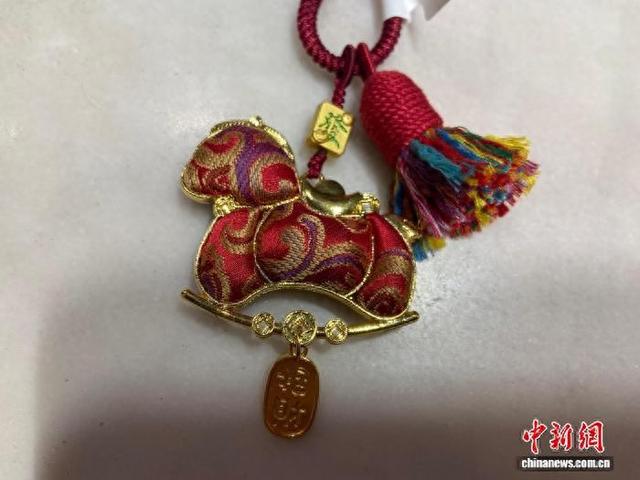
(新春走基层)年轻人过年装备新选择:包挂成“情绪搭子”
Xin Lang Cai Jing· 2026-02-15 06:21
Core Viewpoint - The article highlights a shift in consumer behavior among young people during the Chinese New Year, moving from traditional clothing purchases to decorative bag charms, which are seen as a form of emotional expression and cultural identity [1][3][5]. Group 1: Changing Consumer Trends - Young consumers are increasingly opting for bag charms instead of new clothing for the New Year, with prices ranging from tens to hundreds of yuan [3][5]. - The trend reflects a broader cultural shift where emotional consumption and personal expression take precedence over traditional practices [5][6]. Group 2: Cultural Significance - Bag charms are viewed as "emotional companions" and a means of self-identity, representing a connection to cultural and social circles [5][6]. - The phenomenon indicates a transition from practical needs to emotional connections in consumer behavior, showcasing a deeper evolution in consumption philosophy [6].
上海“试店”空间来了一群大学生
Xin Lang Cai Jing· 2026-02-06 19:58
Core Insights - Lab812 in Shanghai is a unique initiative aimed at supporting young entrepreneurs by providing a space for trial operations, with a rotating brand presence every 7-20 days [2] - The project is a collaboration between the Communist Youth League of Jing'an District and local authorities, focusing on fostering a vibrant youth economy [2][4] - A student team from Donghua University is actively involved in research and operational support for the shops, enhancing their business strategies and customer engagement [3][4] Group 1: Lab812 Overview - Lab812 is a 50-square-meter shop in Jing'an District, Shanghai, designed to support young entrepreneurs by offering free trial space [2] - The initiative features a rotating brand model, allowing different entrepreneurs to showcase their products every few weeks [2] - The project aims to cultivate a "slow growth" environment for local and returning entrepreneurs [2] Group 2: Student Involvement - Donghua University students are divided into research and operational teams, focusing on analyzing the youth economy and assisting shop operations [3][4] - Students engage in hands-on activities, such as being "one-day store managers," where they interact with customers and identify areas for improvement [2][3] - The student team has conducted surveys across 100+ shops, identifying key issues like insufficient foot traffic and media exposure [3] Group 3: Community Engagement and Initiatives - Lab812 has launched initiatives like the "Sweet Winter" campaign to support new employment groups, with student involvement in planning and execution [4] - The project has established a "Lab812 Youth Community" to enhance user retention and engagement through promotional activities [4] - Recommendations from students have led to practical improvements in shop operations, such as enhancing environmental branding for products [5] Group 4: Future Plans and Development - The Jing'an District Youth League plans to continue the project until the last working day before the Spring Festival, aiming to attract talent to the local economy [5] - An archive of over 100 shops has been created, and a "Shop Alliance" group has been formed to address common challenges faced by small businesses [5] - Collaborative efforts with local commerce departments are underway to design consumer incentives and maps to boost foot traffic and sales for the shops [5]

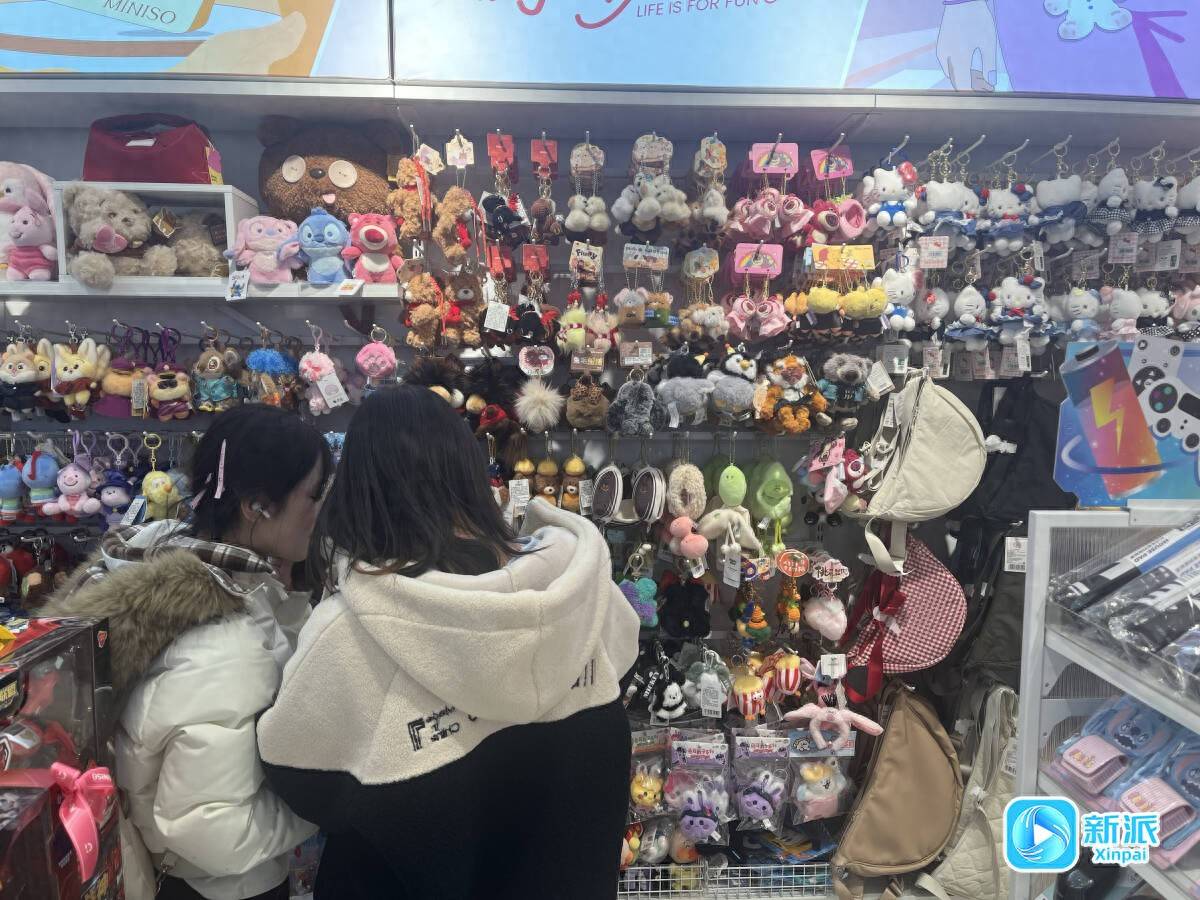
为情绪买单~小包挂给消费市场注入新活力
Sou Hu Cai Jing· 2026-01-21 17:37
Group 1 - The core viewpoint of the article highlights the rising popularity of small and aesthetically pleasing accessories, referred to as "bag hangers," among consumers in Weifang [1] - Various types of bag hangers, including IP toys and cultural creative pendants, are prominently displayed in shopping malls, supermarkets, and cultural venues, indicating a trend towards colorful and diverse designs [1] - Sales of bag hangers are thriving not primarily due to practicality but are more closely associated with the "self-pleasing" consumerism, enhancing the vibrancy of the market with these small "joy factors" [7] Group 2 - A specific store in Weifang reported high customer traffic, especially on weekends, with a new "star person" bag hanger generating significant interest even before its official release [5] - A plush bag hanger inspired by the Weifang elephant has become a favorite among young consumers, with one customer expressing enthusiasm for its quality and design, leading to multiple purchases [5] - The trend reflects a shift in consumer behavior where decorative items are valued for their aesthetic appeal and emotional connection rather than just their functional use [7]
玩具新潮催生“包挂经济”(看中国好物七十二变)
Ren Min Ri Bao· 2026-01-14 07:00
Core Viewpoint - The rise of "bag-hanging economy" reflects a shift in consumer preferences towards portable, emotionally resonant products, particularly among younger demographics, emphasizing emotional value over mere utility [2][3][4]. Group 1: Changing Consumer Demand - Bag-hanging products serve as "emotional companions" and social symbols, allowing consumers to express their emotions and connect with like-minded individuals [3][4]. - The trend towards smaller, more affordable bag-hanging items aligns with the emotional consumption trend, where young consumers prioritize products that provide joy and a sense of belonging [3][4]. - Consumers are increasingly treating bag-hanging toys as personal items, often customizing them to reflect their moods and styles, thus enhancing their emotional connection [3][4]. Group 2: Industry Transformation - The bag-hanging economy is supported by a robust supply chain in Guangdong, where over 4,000 toy manufacturers and nearly 1,500 supporting companies create a complete industry chain from design to sales [5][6]. - The shift from mass production to flexible manufacturing allows for rapid design iterations and small-batch production, catering to the fast-changing market demands [6][7]. - Advanced manufacturing technologies, such as 3D printing, enable low-cost, small-scale production, making it feasible to produce unique items without significant upfront investment [6][7]. Group 3: Global Expansion - Chinese bag-hanging products are gaining international popularity, with brands like Labubu and collaborations with local cultural elements resonating with global consumers [8][10]. - The export of Chinese cultural products is seen as a new growth area, with significant sales increases reported in regions like Southeast Asia and the Americas [10]. - The narrative of Chinese creativity and cultural confidence is being reinforced through the global success of these products, showcasing a blend of local culture and international appeal [11].
看中国好物七十二变丨玩具新潮催生“包挂经济”
Ren Min Ri Bao· 2026-01-14 04:58
Core Insights - The article discusses the emerging "bag-hanging economy," characterized by the popularity of small, portable accessories that serve as emotional expressions and social symbols among young consumers [4][5][6][8]. Group 1: Consumer Trends - Bag-hanging products are increasingly favored for their small size, low cost, and strong emotional value, catering to the psychological needs of young consumers who prioritize emotional satisfaction over mere utility [6][7][12]. - These accessories serve as "visual emotional expressions," helping consumers identify like-minded individuals and form new social circles [8][9]. - The trend reflects a shift in consumer behavior, where items are not just toys but also personal statements and reminders of experiences, often linked to local culture and personal memories [9][10]. Group 2: Industry Dynamics - Dongguan, known as the "Toy Capital of China," has become a manufacturing hub for bag-hanging products, housing over 4,000 toy manufacturers and 1,500 supporting companies, creating a complete industry chain from design to sales [10][11]. - The industry has shifted from mass production to flexible manufacturing, allowing for rapid design iterations and small batch production, which meets the fast-changing market demands [11][12]. - The integration of smart manufacturing and digital workshops has enabled lower production costs and quicker turnaround times, facilitating the production of unique items even in small quantities [11][12]. Group 3: Global Expansion - Chinese bag-hanging products are gaining international traction, with successful examples like the "Labubu" character and collaborations with popular media, enhancing their appeal in overseas markets [14][15]. - The rise of Chinese cultural products in global markets is supported by a growing acceptance of Chinese culture and aesthetics, with brands adapting their offerings to resonate with local consumers [15][16]. - The Chinese toy industry is leveraging its strong supply chain to enhance its global presence, with significant growth in regions like Southeast Asia, Europe, and the Americas projected for 2025 [15][16].
玩具新潮催生“包挂经济”
Xin Hua Wang· 2026-01-14 00:07
Core Insights - The rise of "bag-hanging economy" reflects a shift in consumer preferences towards portable, emotionally resonant products that serve as social symbols and personal expressions [3][4][5][6][7][8] Group 1: Consumer Trends - Bag-hanging products are increasingly popular among young consumers, characterized by small sizes and emotional value, fulfilling psychological needs beyond mere utility [5][6] - Consumers view bag-hanging items as "emotional companions" and social symbols, facilitating connections among individuals with similar values [7][8] - The trend is driven by a desire for personal expression and emotional connection, with products often reflecting local culture and personal experiences [8] Group 2: Industry Dynamics - Dongguan, known as the "capital of trendy toys," has become a manufacturing hub for bag-hanging products, housing over 4,000 toy manufacturers and 1,500 supporting companies [9][10] - The industry has shifted from mass production to flexible manufacturing, allowing for rapid design iterations and small-batch production to meet changing consumer demands [10][11] - The integration of smart manufacturing and digital workshops has enabled cost-effective production of small quantities, enhancing responsiveness to market trends [10] Group 3: Global Expansion - Chinese bag-hanging products are gaining international traction, with successful entries into markets in North America, Europe, and Southeast Asia, driven by unique cultural narratives and emotional resonance [12][13][14] - The rise of local brands and IP collaborations has enhanced the appeal of Chinese products abroad, showcasing a blend of traditional culture and modern design [14][15] - Future strategies include adapting products to local cultures while maintaining a connection to Chinese heritage, aiming to build emotional ties with global consumers [14][15]
小小包挂,如何撬动百亿消费新蓝海?
Sou Hu Cai Jing· 2026-01-11 14:55
Core Insights - The "bag charm economy" has gained significant traction among young consumers, evolving from a niche accessory to a mainstream market force, driving growth in the trendy and cultural creative sectors [1][5] - Social media platforms like Weibo and Xiaohongshu have seen over 100 million views on topics related to bag charms, indicating a strong consumer interest and emotional connection to these products [1][5] Group 1: Consumer Behavior and Trends - Young consumers view bag charms as a means to express emotions and personal stories, often changing them based on different life scenarios such as classes, dates, or travels [4][5] - The emotional value attached to bag charms is increasingly important, with consumers seeking items that symbolize good fortune or personal memories [4][5] - Online sales of bag charms have exceeded expectations, with some products selling over 500,000 units, reflecting a diverse range of price points and consumer preferences [5][6] Group 2: Industry Dynamics and Opportunities - The rise of the bag charm market presents a critical opportunity for the traditional plush toy industry to innovate and adapt, as many businesses are shifting focus to capitalize on this trend [6][15] - Companies like Anbeisi are transitioning from relying heavily on foreign trade to focusing on domestic markets, with bag charm products contributing significantly to their sales [8][15] - The plush toy industry in Yangzhou, known for its robust manufacturing capabilities, is aiming for a production value of over 30 billion yuan by 2025, with a need for transformation to meet evolving consumer demands [14][15] Group 3: Strategic Initiatives and Future Outlook - Yangzhou's government has introduced measures to support the transformation of the plush toy industry, emphasizing innovation, market expansion, and brand development [15] - The industry is expected to see a rise in the number of large-scale enterprises, with goals set for 2027 to have 55 companies above a certain scale, indicating a push for growth and modernization [15] - The ongoing demand for personalized, emotional, and culturally relevant products suggests that the bag charm economy will continue to expand, requiring businesses to enhance their design capabilities and consumer engagement strategies [15][16]
当万物皆可变包挂丨生活中的经济学
Xin Lang Cai Jing· 2026-01-11 05:54
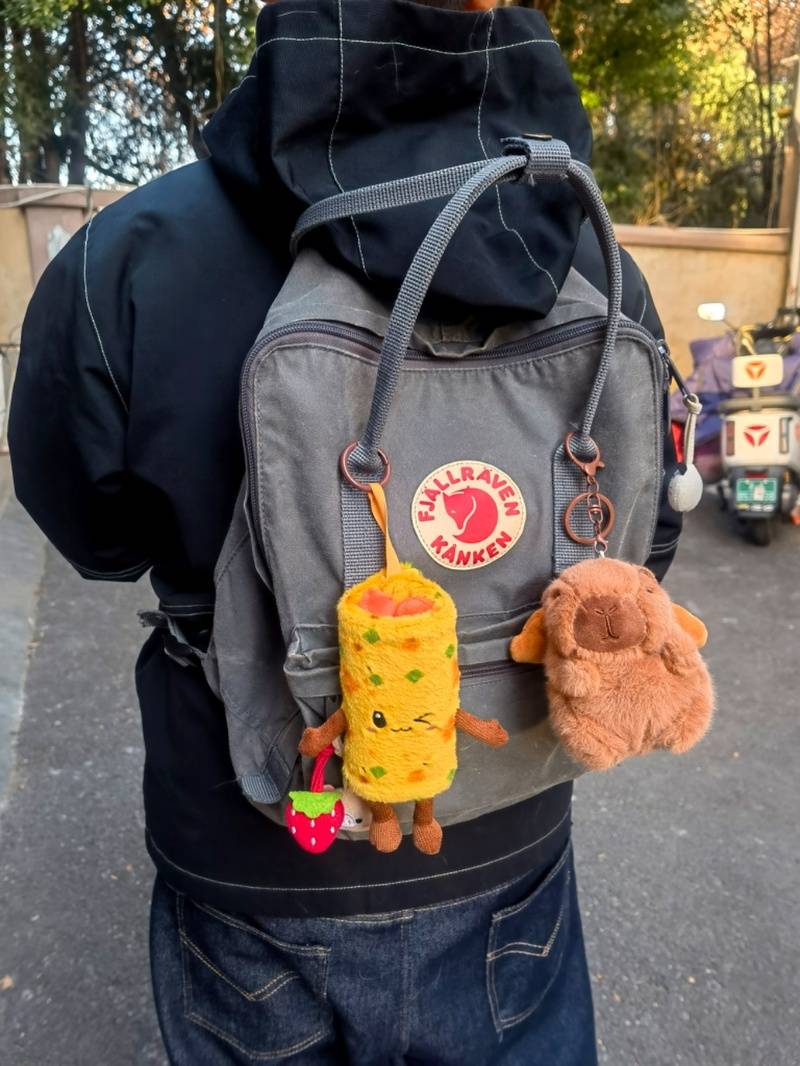
Core Insights - The rise of bag charms reflects the "self-pleasure economy," showcasing personal expression and emotional satisfaction in consumer behavior [1][2] - The trend is particularly popular among the "Z generation," who favor low-cost, innovative accessories that allow for personal style changes without significant financial commitment [2][3] Group 1: Consumer Behavior - 64% of consumers prioritize spiritual consumption, with younger demographics seeking emotional fulfillment and psychological satisfaction [1] - Bag charms serve as a form of emotional support and security, appealing to a wide age range beyond just the youth [1] Group 2: Market Dynamics - The low-cost and high-frequency nature of bag charms blurs the line between fashion and practicality, making them appealing to consumers [2] - The trend encourages "creative consumption," where individuals engage in DIY projects, enhancing their sense of identity and achievement [2] Group 3: Marketing and Supply Chain - Marketing strategies effectively capture consumer psychology through series collections, hidden items, and collaborations, driving ongoing consumption [3] - A flexible supply chain supports the rapid iteration and small-batch production of bag charms, allowing for quick responses to market trends [3] Group 4: Cultural Integration and Ecosystem - Local cultural tourism departments are creating unique cultural bag charms, integrating cultural value into fashion trends [3] - Bag charms have stimulated a broader accessory ecosystem, including related products like charm clips and DIY kits, reflecting a convergence of consumption upgrades and industry development [3]
情绪可以囤积,空间可以折叠:2025年年轻人正在淘宝寻求生活新方案
Huan Qiu Wang· 2025-12-25 04:19
Core Insights - The article discusses the evolving consumer behavior in China, highlighting a shift towards emotional and rational consumption patterns by 2025, as reflected in the annual top ten products list released by Taobao [3][12]. Group 1: Consumer Trends - The trend of "pain gold" illustrates how young consumers are innovating financial tools by merging emotional consumption with preventive savings, leading to a 294% increase in online sales of IP gold products over the past year [4]. - The "ribbed down jacket" reflects a rational return to value-driven purchasing, catering to the demand for functional yet affordable clothing in a market where mainstream brands have increased prices [5]. - The popularity of "thin-soled shoes" signifies a shift towards investing in long-term health over short-term aesthetic benefits, as consumers prioritize ergonomic designs [5]. Group 2: Emotional and Spatial Consumption - The "car mattress" represents a creative solution for maximizing personal space in a compact living environment, transforming vehicles into mobile resting areas for urban workers [6]. - The rise of "bag hangers" serves as a form of personal expression and social identification, creating a market for identity-signaling products that enhance social connections [7]. - The emergence of "AI companion dolls" and the resurgence of "bead crafting" highlight contrasting approaches to emotional fulfillment, with technology providing instant companionship and handcrafting offering a meditative escape [9][10]. Group 3: Health and Wellness Products - The surge in sales of "one-shot health drinks" during promotional events indicates a growing trend among young professionals seeking convenient health solutions that fit into their busy lifestyles [10]. - This "fragmented wellness" approach reflects a shift towards quick, low-decision-cost health management strategies, catering to the time-constrained consumer [10]. Group 4: Platform Evolution - The "flash purchase" model signifies a transformation in urban commercial structures, enhancing logistical efficiency and enabling real-time responses to consumer demands [11]. - The annual top ten products collectively indicate a deeper structural change in the Chinese consumer market, moving from scale expansion to a focus on personalized and scenario-based solutions [12]. - Taobao is evolving into a dynamic "national life proposal library," capturing and reflecting the nuanced desires and innovative attempts of millions of consumers [12].