原油供应增长

Search documents
石化业将成为原油需求增长“领头羊”
Zhong Guo Hua Gong Bao· 2025-10-21 03:04
Core Insights - The International Energy Agency (IEA) indicates that global oil demand will remain sluggish through 2026 due to ongoing macroeconomic weakness, with the petrochemical sector being the main driver of oil demand growth, although its impact is expected to weaken [1][2] Group 1: Oil Demand - IEA's October report highlights that current oil demand growth expectations are significantly below historical trends, primarily due to the electrification of transportation, which continues to suppress oil consumption growth [1] - The agency predicts an average daily increase in global oil demand of approximately 700,000 barrels in the remaining part of 2025 and in 2026, despite a reported increase of 750,000 barrels per day in the third quarter of this year [1] - The growth in oil demand during the third quarter was mainly driven by a rebound in petrochemical feedstock demand, which had previously been affected by tariffs, resulting in a daily increase of only 420,000 barrels in the second quarter [1] Group 2: Oil Supply - In September, global oil supply increased by 760,000 barrels per day to reach 108 million barrels per day, driven by OPEC+ production growth [2] - IEA forecasts that global oil supply will continue to exceed demand, with an expected increase of 3 million barrels per day by 2025, reaching 106.1 million barrels per day, and a further increase of 2.4 million barrels per day in 2026 [2] - Non-OPEC+ countries are anticipated to become significant contributors to the growth in oil supply [2]
【石油化工】美联储降息周期重启,IEA上调原油需求预期——行业周报第421期(250915—0921)(赵乃迪/蔡嘉豪/王礼沫)
光大证券研究· 2025-09-21 23:04
Group 1 - The Federal Reserve has restarted its interest rate cut cycle, reducing the target range from 4.25%-4.5% to 4.00%-4.25%, marking the first rate cut of the year after a total reduction of 125 basis points since last September [4] - The Fed has raised its GDP growth forecasts for 2025 to 1.6%, up from 1.4%, and for 2026 to 1.8%, up from 1.6%, indicating a more optimistic economic outlook that could support a rebound in oil demand [4] Group 2 - OPEC+ announced an increase in production by 137,000 barrels per day for October, as part of a cautious optimism regarding market conditions, with plans to gradually restore an additional 1.65 million barrels per day [5] - As of August 2025, OPEC+ has cumulatively increased production by 1.75 million barrels per day, with the IEA projecting a growth of approximately 1.3 million barrels per day from OPEC+ in 2025 [5] Group 3 - The IEA has slightly raised its oil demand growth forecast for 2025 from 680,000 barrels per day to 740,000 barrels per day, citing resilience in emerging market oil consumption [6] - On the supply side, the IEA has increased its global oil supply growth forecast for 2025 from 2.5 million barrels per day to 2.7 million barrels per day, with OPEC+ contributing 1.3 million barrels per day and non-OPEC+ contributing 1.4 million barrels per day [6] - Geopolitical factors, including sanctions and attacks on Russian energy infrastructure, are impacting the oil market, alongside OPEC+ production increases and rising global oil inventories [6]


据路透社计算,哈萨克斯坦国家石油运输商Kaztransoil数据显示,2025年1月至6月期间,哈萨克斯坦通过Druzhba管道向德国的原油供应同比增长46%,达到92.6万吨。
news flash· 2025-07-11 11:34
Core Viewpoint - Kazakhstan's oil supply to Germany via the Druzhba pipeline is projected to increase significantly in the first half of 2025, indicating a strong growth trend in oil exports from Kazakhstan to Europe [1] Group 1 - Kazakhstan's national oil transporter Kaztransoil reports a 46% year-on-year increase in crude oil supply to Germany [1] - The total volume of crude oil supplied to Germany is expected to reach 926,000 tons during the period from January to June 2025 [1]
卖油成了赔本生意,美国钻油商很快就会挺不住!
Jin Shi Shu Ju· 2025-05-06 10:01
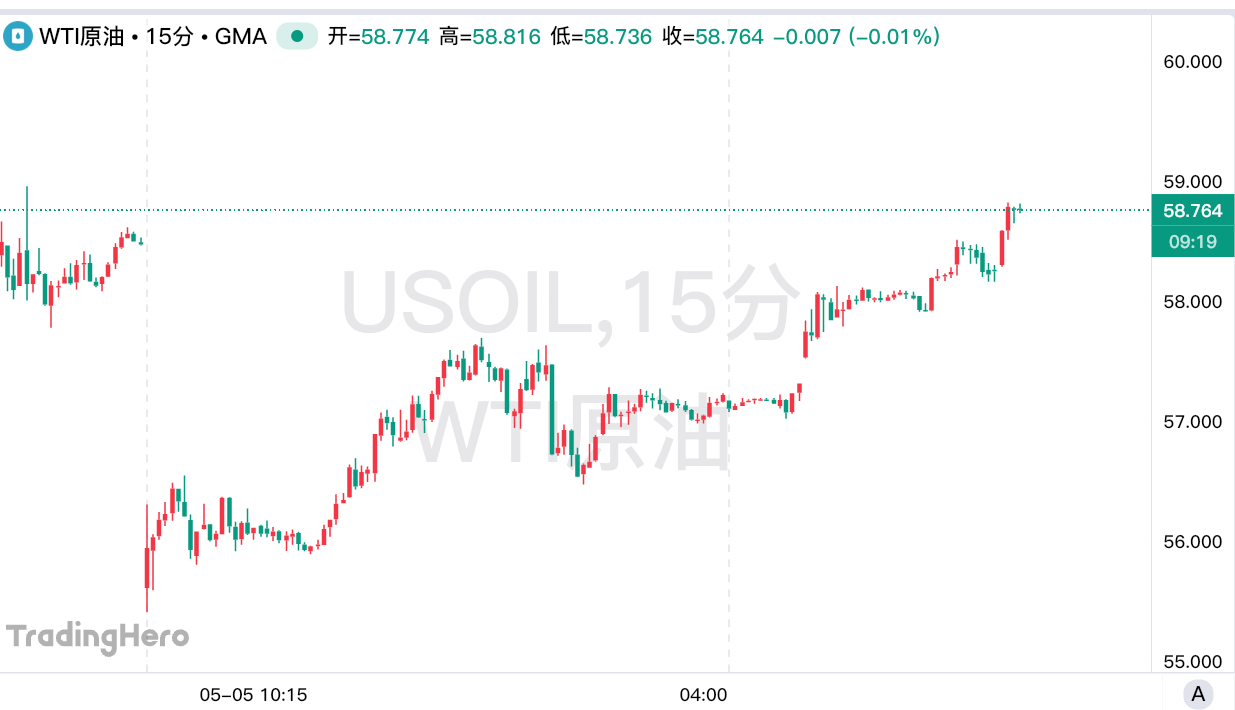
Core Viewpoint - Kpler indicates that the growth rate of U.S. crude oil supply will be slower than expected for the remainder of 2025 and into 2026, with a potential peak in production as early as this year due to low WTI prices testing the breakeven point for shale oil production [1][3] Group 1: Oil Price Dynamics - WTI crude oil prices have dropped over 15% since early April, currently around $58.5 per barrel, which is still below the breakeven point for many shale oil wells [1][3] - OPEC+ recently decided to increase production by 410,000 barrels per day, nearly three times the planned increase, contributing to downward pressure on oil prices [1] Group 2: Production Forecast Adjustments - Kpler has revised its forecast for U.S. crude oil supply growth down by 120,000 barrels per day to 170,000 barrels per day for the remainder of 2025 and into 2026, citing weak prices potentially slowing shale oil production [3] - The company expects U.S. crude oil production to peak in 2025 and then gradually decline [3][4] Group 3: Industry Sensitivity and Response - U.S. shale oil producers are highly sensitive to price changes and are likely to reduce drilling activities as profits decline [3] - The cautious approach of the U.S. oil industry is influenced by OPEC+'s recent actions aimed at capturing market share and constraining U.S. shale oil production [3]