
双向投资

Search documents
2026年政府工作报告对外开放工作解读:拓开放新局,筑发展根基
Yin He Zheng Quan· 2026-03-06 09:25
Group 1: Achievements in 2025 - Significant progress in autonomous and unilateral opening, with a focus on service sector advancements[5] - Stable growth in foreign trade volume, achieving a historical high in trade scale and surplus, with exports increasing by 6.35%[11] - Increased foreign investment, with the number of newly established foreign enterprises rising by 19.1% to 70,392[15] Group 2: New Highlights for 2026 - "Autonomous opening" has been added as the primary task in the government work report, emphasizing proactive measures[34] - Expansion of cross-border use of the Renminbi in trade, aiming to enhance international trade efficiency[5] - Shift in investment focus from "encouraging foreign investment" to "two-way investment," promoting mutual investment opportunities[5] Group 3: Key Tasks for 2026 - Actively expand autonomous opening to enhance market access and competitiveness[5] - Promote stable scale and optimized structure in foreign trade, ensuring quality growth[5] - Strengthen high-quality cooperation in the Belt and Road Initiative, enhancing strategic alignment with partner countries[5]
《中国双向投资报告2025》发布:亚洲发展中经济体仍是全球最大FDI流入量接收地
Mei Ri Jing Ji Xin Wen· 2026-02-05 12:06
Group 1 - The report indicates that global Foreign Direct Investment (FDI) has been declining since 2024, with a fragmented distribution of investment regions. Developed economies are the main source of outward direct investment, while developing economies in Asia are the largest recipients of global FDI, accounting for 40% of total inflows [1][2] - In 2024, FDI inflows to developing economies in Asia decreased by 3% to $605 billion, yet the region remains the largest recipient of global FDI [1] - Digital economy investments are emerging as a significant driver of growth and transformation, with announced greenfield project values in the digital sector reaching $76 billion in 2024, a 107% increase year-on-year [1] Group 2 - The report highlights three major trends: the coexistence of economic hegemony and countries' investment incentive policies, the decline in international FDI alongside the rise in digital economy investments, and the increasing share of service sector investments alongside rapid growth in Asian manufacturing investments [2] - China is becoming increasingly attractive to foreign investment due to its efforts to enhance openness, lower barriers for foreign capital, and promote regional trade agreements like RCEP and the upgraded China-ASEAN Free Trade Area [2] - In 2024, China ranked as the third-largest recipient of foreign investment globally, with an FDI inflow of $116.24 billion, despite a decrease in the scale of foreign capital utilization [3]
去年新设外资企业7万余家,它们在中国看到哪些机会
Di Yi Cai Jing Zi Xun· 2026-02-04 15:12
Core Insights - China is reinforcing its position as a global investment powerhouse by expanding openness and enhancing the level of investment liberalization and facilitation [2][3] - The latest report indicates that the quality of foreign investment utilization in China is steadily improving, with significant contributions to global economic prosperity [3][4] Group 1: Investment Trends - In 2025, over 70,000 new foreign-funded enterprises are expected to be established in China, representing a growth of 19.1%, with foreign capital absorption reaching 747.69 billion yuan, of which high-tech industries account for 32.3% [3] - China's outbound non-financial direct investment is projected to reach 1 trillion yuan in 2025, marking a growth of 1.6%, while the value of newly signed contracts for foreign engineering projects is expected to be 2.1 trillion yuan, an increase of 8.5% [3] Group 2: Competitive Advantages - China's comprehensive advantages in supply chains, markets, and policies have created a favorable investment environment for multinational companies, leading to significant development achievements for foreign enterprises in China [4] - The country's technological innovation capabilities rank among the top globally, with advancements in fields such as artificial intelligence and 5G providing a robust ecosystem for foreign investment [4] Group 3: Outbound Investment - Chinese enterprises are increasingly encouraged to invest abroad, contributing to tax revenue and employment growth in host countries while enhancing local industrialization and infrastructure [5] - The manufacturing sector has shown remarkable performance in outbound direct investment, with an average annual growth rate of 15% from 2020 to 2025, surpassing the overall growth rate of outbound direct investment by 10 percentage points [5] Group 4: Policy Support - The Chinese government is committed to creating a more open investment environment, implementing stable foreign investment policies, and encouraging high-quality outbound investment [8][9] - Measures include reducing the negative list for foreign investment access, promoting reinvestment by foreign enterprises, and ensuring a transparent and predictable institutional environment [8][9]

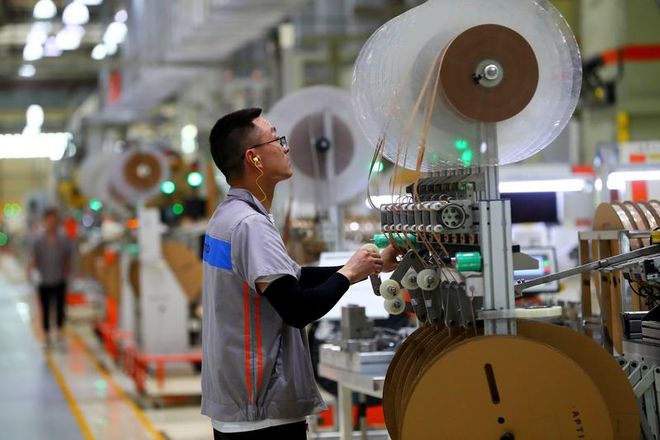
去年新设外资企业7万余家,它们在中国看到哪些机会
第一财经· 2026-02-04 14:59
Core Viewpoint - The article emphasizes China's commitment to expanding openness and improving the level of investment liberalization and facilitation, further solidifying its position as a global investment powerhouse while steadily enhancing the quality of foreign capital utilization [2]. Group 1: Investment Trends and Data - In 2025, over 70,000 new foreign-funded enterprises are expected to be established in China, representing a growth of 19.1%, with foreign capital absorption reaching 747.69 billion yuan, of which high-tech industries account for 32.3% [3]. - China's non-financial direct investment abroad is projected to reach 1 trillion yuan in 2025, marking a growth of 1.6%, while the newly signed contracts for foreign engineering projects are expected to total 2.1 trillion yuan, an increase of 8.5% [3]. Group 2: Technological Innovation and Foreign Investment - China's technological innovation capabilities rank among the top globally, with opportunities in innovation becoming a significant driving force for foreign enterprises to enhance their global competitiveness [4]. - The country has established a robust technological innovation ecosystem, particularly in artificial intelligence and 5G, providing fertile ground for foreign companies to set up R&D centers and innovation entities [4]. Group 3: Encouraging Domestic Enterprises to Go Global - The report highlights the importance of Chinese enterprises "going out" as a vital pathway for survival and development, emphasizing the need for reasonable and compliant overseas expansion [6][8]. - The government is encouraged to support collective overseas ventures by industries and to create favorable industrial ecosystems in overseas industrial parks [8]. Group 4: Policies to Stabilize Foreign Investment - In response to a complex international investment environment, China is committed to promoting economic globalization and implementing policies to stabilize foreign investment while encouraging high-quality outbound investment by Chinese enterprises [8][9]. - The Ministry of Commerce aims to enhance the "Invest in China" brand, reduce the negative list for foreign investment access, and improve the service guarantee system for foreign investors [9][10].
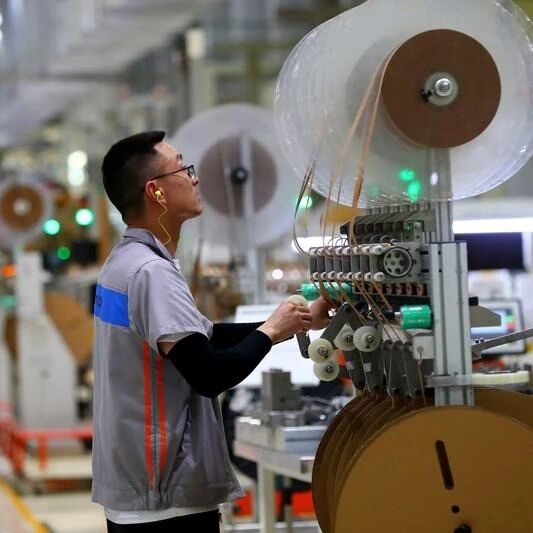
去年新设外资企业7 万余家,它们在中国看到哪些机会
Di Yi Cai Jing· 2026-02-04 12:43
Group 1 - China's position as a major global investor is solidified, contributing positively to global economic prosperity through expanded openness and improved investment facilitation [1][2] - The report indicates that in 2025, over 70,000 new foreign-funded enterprises will be established, representing a growth of 19.1%, with foreign investment absorption reaching 747.69 billion yuan, of which high-tech industries account for 32.3% [2] - China's foreign direct investment (FDI) in non-financial sectors is projected to reach 1 trillion yuan, growing by 1.6%, while new contracts for foreign engineering projects will amount to 2.1 trillion yuan, increasing by 8.5% [2] Group 2 - China's technological innovation capabilities rank among the top globally, with significant advancements in fields such as artificial intelligence and 5G, providing a robust ecosystem for foreign enterprises [2][3] - The report highlights that China's outbound investment not only boosts tax revenue and employment in host countries but also enhances their industrialization and development capabilities through infrastructure improvements [4] - Manufacturing sector outbound direct investment has shown remarkable growth, with an average annual increase of 15% from 2020 to 2025, surpassing the overall growth rate of outbound direct investment by 10 percentage points [4] Group 3 - The Chinese government is committed to creating a favorable environment for foreign investment, including reducing the negative list for foreign investment access and implementing new policies to encourage reinvestment [6][7] - The Ministry of Commerce aims to expand high-level opening-up and enhance the attractiveness of foreign investment by promoting pilot projects in sectors like telecommunications, healthcare, and education [7] - A comprehensive service support system is being established to assist Chinese enterprises in their overseas expansion, ensuring compliance and strategic positioning in global supply chains [5][6]
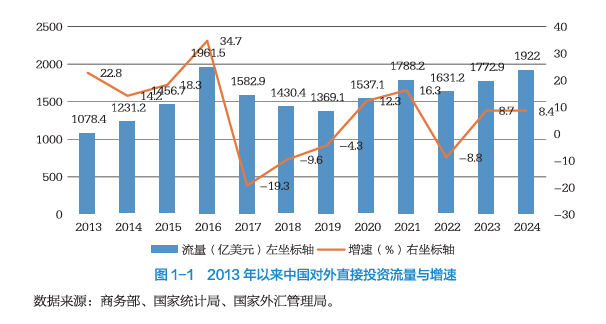
《中国双向投资报告2025》发布:亚洲发展中经济体是全球最大FDI流入量的接收地
Mei Ri Jing Ji Xin Wen· 2026-02-04 03:19
Group 1 - The global Foreign Direct Investment (FDI) has been declining since 2024, with developed economies being the main source of outward investment, while developing Asian economies remain the largest recipients of global FDI [1] - In 2024, FDI inflows to developing Asian economies decreased by 3% to $605 billion, yet this region still accounted for 40% of global FDI inflows [1] - Digital economy investments are emerging as a significant growth driver, with announced greenfield project values in the digital sector reaching $76 billion in 2024, a 107% increase year-on-year, focusing on data centers, fintech platforms, e-commerce logistics, and professional software services [1] Group 2 - Asia is becoming a value hub for international division of labor, with developing countries in the region focusing more on attracting foreign investment and optimizing the business environment [2] - China, as the largest economy in Asia, is enhancing its attractiveness for foreign investment by increasing openness and lowering entry barriers, while promoting regional trade agreements like RCEP [2] - In 2024, China attracted $116.24 billion in foreign investment, maintaining its position as the third-largest recipient globally, despite a decrease in the scale of foreign investment utilization [2] Group 3 - In terms of industry, the actual foreign investment in manufacturing was 185.51 billion RMB, while the service sector attracted 545.12 billion RMB [3] - High-tech industries received 241.77 billion RMB in foreign investment, with significant growth in e-commerce services (75%), medical instruments and equipment manufacturing (42.1%), and aerospace manufacturing (22.9%) [3]
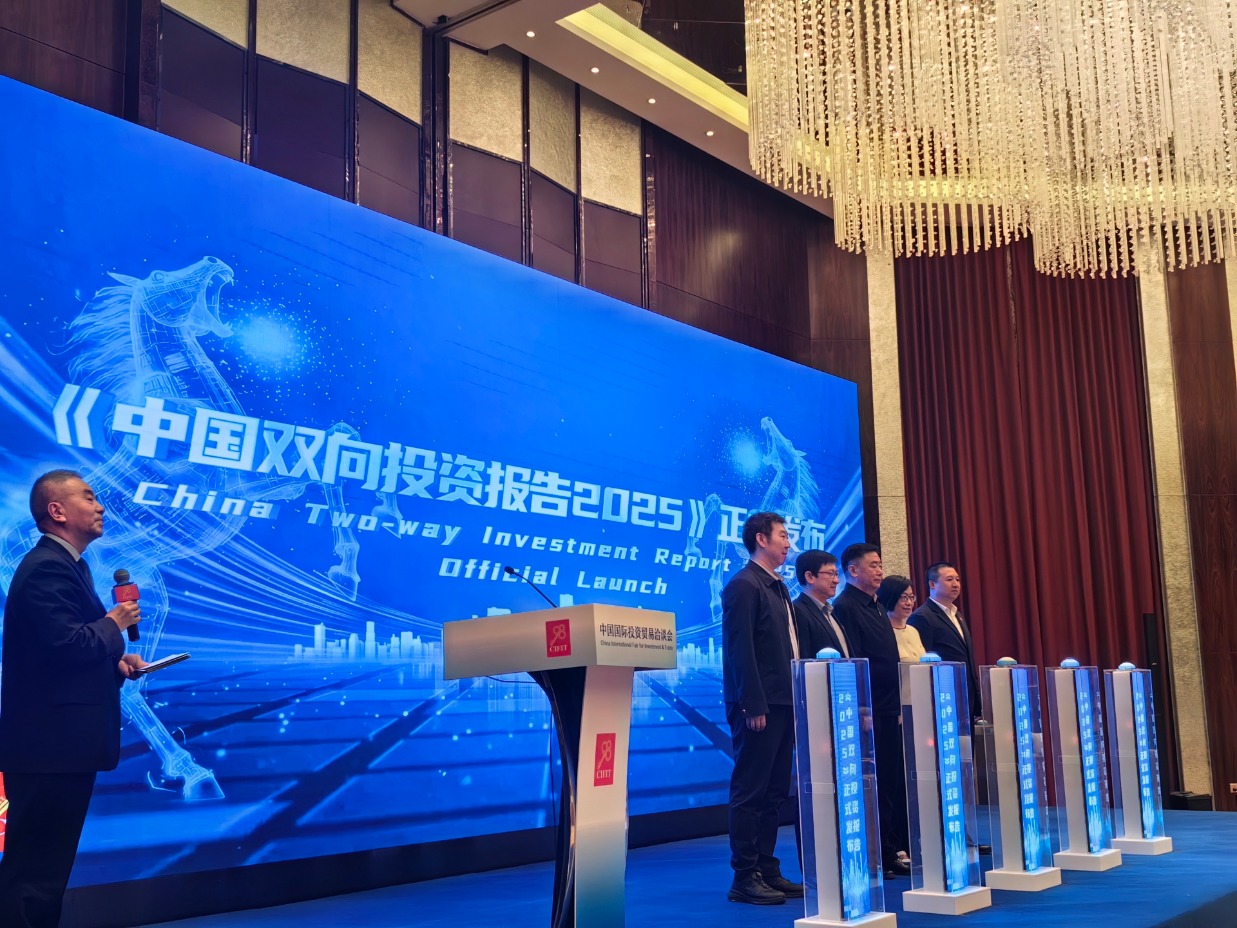
《中国双向投资报告2025》发布活动暨国际投资专家委员会春季研讨会在京举行
Jing Ji Guan Cha Wang· 2026-02-04 02:35
Core Insights - The "China Two-Way Investment Report 2025" was officially released during an event in Beijing, further enhancing the research content and findings from its initial release in September 2025 [1] Group 1: Economic Trends - There are three major trends identified: the coexistence of economic hegemony and countries' investment incentive policies, the decline in international FDI alongside a rise in digital economy investments, and the increasing share of service sector investments alongside rapid growth in Asian manufacturing investments [1] Group 2: Investment Cooperation - To expand the space for two-way investment cooperation, actions should focus on stabilizing, optimizing, and improving quality, enhancing the external environment, broadening the investment cooperation network, and seizing opportunities in future industrial sectors [1]
我国双向投资持续发展 产业加速拥抱全球市场
Xin Lang Cai Jing· 2026-02-03 19:46
Group 1 - The report titled "China's Bilateral Investment Report 2025" highlights China's sustained position as a key destination for global investors, providing significant market support and advantages in supply chains and technological innovation for multinational companies [1] - In 2025, China is expected to see the establishment of over 70,000 new foreign-funded enterprises, representing a growth of 19.1%, with foreign investment absorption reaching 747.69 billion yuan, of which high-tech industries account for 32.3% [1] - China's outbound non-financial direct investment is projected to reach 1 trillion yuan, reflecting a growth of 1.6%, while the new contract value for foreign engineering projects is expected to be 2.1 trillion yuan, an increase of 8.5% [1] Group 2 - China's strong appeal for foreign investment is attributed to its vast market size, efficient supply chains, advancements in various technological fields, and a robust talent pool, which are expected to enhance its attractiveness for high-end industries in the long term [2] - For many Chinese companies, the current strategy of "going global" is essential for survival and growth, necessitating a reasonable and compliant approach to overseas expansion [2] - The government is encouraged to foster collective overseas ventures among industries, while the establishment of industrial parks abroad can create a favorable industrial ecosystem and business environment [2]
全球投资大国地位进一步巩固:《中国双向投资报告2025》发布,为投资者提供重要参考
Xin Lang Cai Jing· 2026-02-03 14:36
Core Insights - The "China Bilateral Investment Report 2025" emphasizes China's commitment to expanding openness and improving the investment environment, solidifying its status as a global investment powerhouse [3][4] - The report highlights the resilience and upgrading trends of China's bilateral investment amidst global investment landscape adjustments, providing crucial insights for understanding China's cross-border investment logic and future directions [3][4] Investment Trends - In 2024, China is projected to establish 59,000 new foreign-funded enterprises, marking a year-on-year increase of 9.9% [3] - The structure of foreign investment in China continues to optimize, with high-tech sectors becoming increasingly attractive; actual foreign investment in high-tech manufacturing reached 96.29 billion yuan, accounting for 11.7% of total foreign investment [3] - From 2015 to 2024, the proportion of foreign investment in China's high-tech manufacturing sector rose from 23.8% to 43.7% [3] Technological Innovation - China's technological innovation capabilities rank among the top globally, with opportunities in innovation becoming a significant driver for foreign enterprises to enhance their global competitiveness [4] - The digital sector, particularly in artificial intelligence and 5G, showcases China's technological breakthroughs and rich application scenarios, creating a robust ecosystem for foreign investment [4] Event Overview - The report was released during an event in Beijing, which included discussions among government officials, industry experts, and media representatives, focusing on new opportunities in bilateral investment [6][7] - The event aimed to provide intellectual support for global investment cooperation and to serve as a guide for domestic and international investors navigating complex environments [6]
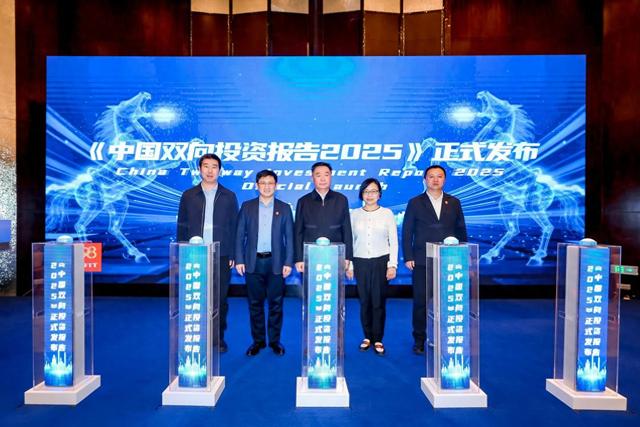
报告显示中国长期保持全球重要投资目的地
Xin Hua She· 2026-02-03 10:52
Group 1 - The core viewpoint of the report is that China remains a significant investment destination for global investors, providing substantial market support and advantages in supply chains, policies, and technological innovation for multinational companies [1][2] - The report highlights that China's comprehensive advantages in supply chains, markets, and policies have created a favorable investment environment, leading to significant achievements for multinational companies operating in China [1] - China's technological breakthroughs in fields such as artificial intelligence and 5G, along with a rich array of application scenarios and a large pool of high-quality innovative talent, have established the world's largest technology innovation ecosystem, benefiting foreign enterprises [1] Group 2 - Attracting and utilizing foreign investment is a fundamental aspect of China's opening-up policy, with foreign enterprises contributing to economic development, tax revenue, employment, and the enhancement of residents' living standards [2] - Foreign enterprises account for nearly 7% of employment, 1/7 of tax revenue, about 1/3 of imports and exports, and 1/2 of the export of electromechanical products and high-tech products in China [2] - The report, titled "China's Two-Way Investment Report 2025," was jointly compiled by the organizing committee of the China International Investment and Trade Fair, the Information Center of the State Council Development Research Center, and the Department of Foreign Economic Research of the State Council Development Research Center, analyzing new trends and characteristics of global cross-border investment [2]