
科技创新生态

Search documents
上交所发布2026年为市场办实事项目清单
Di Yi Cai Jing· 2026-02-12 08:48
Core Viewpoint - The Shanghai Stock Exchange has released a list of initiatives for 2026 aimed at enhancing market services, focusing on diversified investment products and cost reduction measures [1] Group 1: Product Development - The initiative includes the expansion of the "fixed income +" multi-asset index and ETF product system to provide diverse and high-quality investment options for wealth management and long-term capital allocation [1] - A dedicated information disclosure section for holding-type real estate ABS (institutional REITs) will be established to facilitate investor access to product information [1] Group 2: Cost Reduction - The exchange plans to continue implementing a series of fee reduction measures, with an estimated total benefit to the market of approximately 1.113 billion yuan by 2026 [1] Group 3: Industry Collaboration - Various industry salons will be organized to create communication platforms among government, industry, capital, and research sectors, aimed at continuously optimizing the technology innovation ecosystem [1]
报告显示中国长期保持全球重要投资目的地
Xin Hua She· 2026-02-03 10:52
Group 1 - The core viewpoint of the report is that China remains a significant investment destination for global investors, providing substantial market support and advantages in supply chains, policies, and technological innovation for multinational companies [1][2] - The report highlights that China's comprehensive advantages in supply chains, markets, and policies have created a favorable investment environment, leading to significant achievements for multinational companies operating in China [1] - China's technological breakthroughs in fields such as artificial intelligence and 5G, along with a rich array of application scenarios and a large pool of high-quality innovative talent, have established the world's largest technology innovation ecosystem, benefiting foreign enterprises [1] Group 2 - Attracting and utilizing foreign investment is a fundamental aspect of China's opening-up policy, with foreign enterprises contributing to economic development, tax revenue, employment, and the enhancement of residents' living standards [2] - Foreign enterprises account for nearly 7% of employment, 1/7 of tax revenue, about 1/3 of imports and exports, and 1/2 of the export of electromechanical products and high-tech products in China [2] - The report, titled "China's Two-Way Investment Report 2025," was jointly compiled by the organizing committee of the China International Investment and Trade Fair, the Information Center of the State Council Development Research Center, and the Department of Foreign Economic Research of the State Council Development Research Center, analyzing new trends and characteristics of global cross-border investment [2]
守护从“0到1”突破 助力从“1到N”成长 张江科创生态再升级
Di Yi Cai Jing· 2025-12-26 12:26
Core Viewpoint - Shanghai is actively working to establish itself as an international technology innovation center, with Zhangjiang accelerating the construction of an open innovation ecosystem that supports the entire lifecycle and all elements of innovation [1] Group 1 - The "Dreams Incubation, Future Creation - 2025 Zhangjiang Science and Technology Innovation Ecosystem Summit" was held in Shanghai on December 26 [1] - The summit introduced the Vπ brand and launched the Naxian 800 incubation main venue, aiming to connect global innovation resources [1] - The initiative focuses on empowering the growth of science and technology enterprises through a comprehensive ecosystem [1]
第七届“书香圳好”深圳行业领袖科技创新生态大会举行 发布三平台 培育新生态
Shen Zhen Shang Bao· 2025-11-27 07:26
Core Insights - The seventh "Shuxiang Zhenhao" Shenzhen Industry Leaders Technology Innovation Ecological Conference was held in Qianhai, focusing on reading, high-quality development, and technological innovation [1] Group 1: New Ecosystem Cultivation - Over 200 prominent entrepreneurs gathered to discuss experiences in opening new fields and tracks, emphasizing the profound connotation of new productive forces [2] - The Shenzhen Industry Leaders Development Promotion Association launched three service platforms aimed at resource integration and ecological co-construction, addressing challenges in technology breakthroughs, technology transfer, talent cultivation, and global market expansion [2] - Hong Kong Wisdom's General Manager, Chen Zhiyu, announced plans to create a talent introduction channel and a comprehensive service platform for technology innovation, collaborating with Hong Kong universities to build a nurturing platform for technology projects [2] Group 2: Future Industry Leaders - The Future Industry Leaders Cultivation Platform aims to develop a group of future industry leaders with a global perspective, innovative spirit, and social responsibility, targeting the cultivation of 100 innovative enterprises in AI and technology sectors within three years [3] - The initiative seeks to promote original innovation and breakthroughs in key core technologies, integrating education, technology, and talent development [3] Group 3: Accelerating Technological Innovation Ecosystem - The conference highlighted the collaborative nature of innovation, with young industry leaders sharing their experiences in overcoming challenges and fostering innovation [4] - Shenzhen's favorable business environment and patient capital investment have led to a development pattern where large enterprises dominate, innovative companies thrive, and small businesses proliferate [4] - A roundtable discussion featured financial leaders discussing how to empower innovative enterprises and construct a robust innovation ecosystem [4]
122项重点技术赋能江苏住宅建设
Jiang Nan Shi Bao· 2025-10-14 14:07
Core Insights - Jiangsu Province has officially released the "Technical Map of Housing and Urban-Rural Construction," marking the first comprehensive overview of the entire technology chain in this sector, developed with the participation of over 40 organizations and around 100 experts [1][2] Group 1: Industry Transformation and Development Needs - The technical map aims to address the challenges of industry transformation and promote high-quality development in housing and urban-rural construction in Jiangsu [2] - Since the 14th Five-Year Plan, Jiangsu's housing and urban-rural construction system has achieved significant technological innovation, winning 2 national and 36 provincial science and technology progress awards, and adding 150 high-tech enterprises [2] - The urbanization rate in Jiangsu has reached 75.5%, indicating a shift from large-scale construction to renovation and reconstruction of older buildings built before 2000 [2] Group 2: Focus Areas and Key Technologies - The technical map identifies 122 key technologies across three main areas: high-quality buildings, smart construction and industrialization, and resilient smart cities [3] - In the high-quality building sector, 46 technologies are categorized into 14 subcategories, including smart home technologies that enhance user interaction through AI and IoT [3] - The smart construction sector includes 23 technologies, such as construction robots developed by Jiangsu Zhongyifeng, which can perform repetitive tasks, alleviating labor shortages [3] - The resilient smart city area features 53 technologies, including a smart flood control system that utilizes IoT and AI for predictive management [3] Group 3: Features of the Technical Map - The technical map emphasizes a panoramic view, covering the entire industry from real estate to construction, and utilizes various formats like mind maps for presentation [4] - It focuses on cutting-edge technologies with high potential for the next 5-10 years, integrating emerging technologies like AI and big data [4] - The map also considers industry development by analyzing technology applications alongside industry scale and leading enterprises [4] Group 4: Empowering Collaboration for High-Quality Development - Jiangsu plans to implement the technical map through three main strategies: promoting key technology research, supporting enterprise innovation, and aiding local industrial development [5] - The government will assist educational and research institutions in identifying research directions and provide a technology attack directory for industry stakeholders [5] - Collaboration between industry, academia, and research will be enhanced to create an innovation ecosystem, with ongoing optimization of the technical map based on practical applications [5]
资本、人才与生态合力:上海科技创新与投资的城市图景
2 1 Shi Ji Jing Ji Bao Dao· 2025-09-26 08:08
Core Insights - The logic of innovation capital is evolving, with a shift from mere financial support to a focus on the integration of innovation elements and the complete industrial chain [1][2] - Shanghai has emerged as a leader in innovation, ranking first in comprehensive innovation evaluation and second in R&D funding intensity [1][3] Group 1: Innovation Capital and Ecosystem - The current technological breakthroughs in AI, quantum technology, and photonic technology are driving a transformation in how startups seek funding and support [1][2] - Investment institutions are transitioning from being mere fund providers to coordinators of innovation elements and organizers of innovation ecosystems [1][2] - The Shanghai National Investment Company has leveraged over 120 billion yuan in social capital through its fund matrix, achieving a 6.3 times amplification effect [3][4] Group 2: Mechanisms and Strategies - The establishment of the "WeStart Early Investment Alliance" aims to link top capital with industrial resources to accelerate early-stage technology commercialization [4][7] - The Shanghai Future Industry Fund is focusing on key sectors such as controllable nuclear fusion, AI, and quantum computing, emphasizing the importance of strategic capital in the innovation ecosystem [3][4] - The integration of capital, talent, and institutional innovation is crucial for building a sustainable innovation ecosystem [6][8] Group 3: Talent and Organizational Structure - The Future Point Community emphasizes the importance of recognizing and supporting emerging innovators, including undergraduate participants in global open-source projects [5][6] - Cross-disciplinary collaboration is seen as essential for fostering new cognitive frameworks and innovative paradigms [5][6] - The community aims to reduce friction in collaboration processes, enhancing the efficiency of resource and demand matching [5][6] Group 4: Systematic Innovation - The collaboration between universities, research institutions, and industry is being formalized to ensure that research outcomes are aligned with commercialization pathways [7][8] - Large enterprises are playing a critical role as accelerators, linking research with market applications through various collaborative models [7][8] - The dual logic of "innovation capital-driven + mechanism innovation-supported" is being established to facilitate continuous innovation emergence [8]

专访南方科技大学副校长金李:促进“四链”融合 构建更具活力的国家创新体系|专家建言“十五五规划”
证券时报· 2025-09-04 00:11
Core Viewpoint - China is transitioning from "catching up" to "running together" and even "leading" in the global technology innovation landscape, with significant opportunities in fields like artificial intelligence, nanotechnology, quantum information, and healthcare, but also faces structural challenges in research result transformation, startup financing, and high-end talent cultivation [1][2]. Group 1: Challenges in the Integration of the Four Chains - The integration of the innovation chain, industry chain, capital chain, and talent chain faces four major challenges: insufficient linkage between the innovation chain and industry chain, a need for optimization in talent support, inadequate service functions of the capital chain, and a lack of rich application scenarios in the industry chain [4][5]. - The innovation chain and industry chain often operate separately, leading to low transformation efficiency of research results [4]. - There is a shortage of key core technology leaders and composite talents who understand technology, market, and finance, resulting in a disconnect between talent cultivation and industry development [4][5]. Group 2: Systematic Solutions Proposed - A "tropical rainforest" ecosystem should be established to enhance the overall success rate of technology innovation, moving away from a single project mindset [5]. - The talent chain support system needs optimization, including the establishment of market-oriented technology transfer personnel incentive mechanisms in higher education institutions [5][6]. - A comprehensive financial service system covering the entire lifecycle of technology enterprises should be developed, including optimizing government guidance funds and encouraging financial product innovation [6][12]. Group 3: Enhancing Research Result Transformation - The low transformation rate of research results is primarily hindered by policy execution, research ecology, and transformation capability [8][9]. - A long-term mechanism should be established to ensure that research results can be effectively transformed, focusing on optimizing policy services, reinforcing the role of enterprises in innovation, and enhancing transformation capabilities [9][10]. Group 4: Talent Mobility and Systemic Exploration - A dual-channel system should be created to facilitate talent mobility between universities, research institutions, and enterprises, addressing institutional barriers [10]. - Encouraging flexible personnel management systems and establishing "rotating door" mechanisms between academia and industry can promote knowledge and technology flow [10]. Group 5: Long-term Capital in Equity Investment - A systematic layout is needed to build a technology finance system that supports the growth of technology enterprises, focusing on cultivating long-term capital and promoting diversified development of venture capital [12][13]. - Policies should be optimized to encourage long-term funds to invest in equity, including raising investment limits and promoting combination investment strategies [13][14].

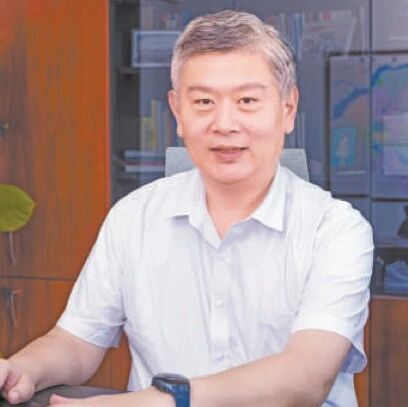
专访南方科技大学副校长金李:促进“四链”融合 构建更具活力的国家创新体系
Zheng Quan Shi Bao· 2025-09-03 21:10
Core Viewpoint - China is at a critical juncture transitioning from "catching up" to "keeping pace" and even "leading" in global technology innovation, with significant opportunities in fields like AI, nanotechnology, quantum information, and healthcare, but also faces challenges in research result transformation, startup financing, and high-end talent cultivation [2] Group 1: Challenges in the "Four Chains" Integration - The integration of the innovation chain, industry chain, capital chain, and talent chain faces four major challenges: insufficient linkage between the innovation and industry chains, a shortage of key talent, inadequate funding support for startups, and a lack of diverse application scenarios in the industry chain [3][4] - The innovation chain and industry chain often operate in silos, leading to low conversion efficiency of research results into market applications [3] - There is a need for optimized talent support, as there is a shortage of interdisciplinary talents who understand technology, market dynamics, and finance [3][4] Group 2: Systematic Solutions Proposed - A "tropical rainforest" ecosystem for technology innovation should be established to enhance the overall success rate of the innovation ecosystem rather than focusing solely on individual project success [4] - The talent chain support system needs optimization, including the establishment of market-oriented technology transfer personnel incentives and better integration of technology transfer roles within universities and enterprises [4][5] - A comprehensive technology finance service system should be developed, optimizing government guidance funds and encouraging social capital participation in early-stage investments [5] Group 3: Enhancing Research Result Transformation - The low conversion rate of research results is primarily hindered by policy execution, research ecosystem issues, and transformation capabilities [6][7] - Three key areas to focus on during the "14th Five-Year Plan" include optimizing policy services, reinforcing the role of enterprises in innovation, and enhancing transformation capabilities through better support platforms [7][8] Group 4: Talent Mobility and Institutional Innovation - To facilitate talent mobility between universities, research institutions, and enterprises, institutional barriers must be addressed, including flexible personnel management systems and the establishment of rotating positions [8] - Middle and small enterprises, crucial to the innovation ecosystem, require innovative systems to attract talent, such as "technology vice president" roles and dual-employment systems [8] Group 5: Long-term Capital in Equity Investment - A systematic layout is needed to build a technology finance system that covers the entire lifecycle of enterprises, focusing on cultivating long-term capital and promoting diversified development in the venture capital industry [9][10] - Specific recommendations include raising investment limits for long-term funds in equity markets, encouraging diversified investment approaches, and developing S funds to enhance investment returns [10][11]

深圳国资打造 百个战略性优质应用场景
Zhong Guo Zheng Quan Bao· 2025-08-13 22:06
Group 1 - Shenzhen State-owned Assets Supervision and Administration Commission is actively implementing actions to enhance the technology innovation ecosystem and talent development environment in Shenzhen, transitioning state-owned enterprises from "resource holders" to "ecosystem builders" [1] - A total of 100 strategic and high-value application scenarios have been selected to address the lack of application scenarios for small and medium-sized technology enterprises, providing a "testing ground" for new technologies and results [2][3] - The initiative aims to link technology enterprises with industrial investment and fund resources, fostering an innovation ecosystem that includes state-owned enterprises, technology companies, local governments, innovation platforms, and financial institutions [2] Group 2 - The application scenarios are designed to accelerate technological innovation in key industries such as artificial intelligence and robotics, enhancing competitive advantages and market share for emerging industries [2] - In the robotics sector, companies like Shenzhen Airport and Deep Industry Group have developed 43 application scenarios, with 115 robotic products being applied in various fields, supporting high-quality development in the robotics industry [2] - Shenzhen Special Zone Construction Group has collaborated with over 20 small and medium-sized technology enterprises on nearly 40 application scenarios, leading to the testing of 17 new technology products in construction and infrastructure projects [3] Group 3 - The opening of application scenarios provides a market for technology enterprises and technical solutions for state-owned enterprises, strengthening the stability of the industrial supply chain and nurturing the technology innovation ecosystem [4] - Successful collaborations include Shenzhen Metro Group's partnership with Wanwei Logistics for autonomous robot delivery and the development of water quality testing robots by Shenzhen Environmental Water Affairs Group, which have been exported to multiple countries [4] - Looking ahead, Shenzhen State-owned Assets Supervision and Administration Commission plans to enhance its actions to create a favorable technology innovation ecosystem, focusing on high-value application scenarios and diversified financial services for technology SMEs [4]
深圳国资打造百个战略性优质应用场景
Zhong Guo Zheng Quan Bao· 2025-08-13 21:11
Group 1 - Shenzhen State-owned Assets Supervision and Administration Commission is implementing actions to enhance the technology innovation ecosystem and talent development environment, focusing on the integration of technology and industry innovation [1] - 100 strategic and high-value application scenarios have been selected to support small and medium-sized technology enterprises by providing them with "testing grounds" for new technologies and results [1][2] - The initiative aims to link technology enterprises with industrial and fund investment resources, fostering an innovation ecosystem that includes state-owned enterprises, technology companies, local governments, innovation platforms, and financial institutions [1] Group 2 - In the robotics sector, companies like Deep Industry Group and Shenzhen Airport have developed 43 application scenarios, with 115 types of robots applied in various fields such as elderly care, transportation, and urban management [2] - Shenzhen Special Zone Construction Group has collaborated with over 20 small and medium-sized technology enterprises on nearly 40 application scenarios, leading to the large-scale testing of 17 new technology products in construction and infrastructure [2] - The opening of application scenarios provides a market for technology enterprises and technical solutions for state-owned enterprises, strengthening the stability of the industrial supply chain [2] Group 3 - Shenzhen Metro Group has partnered with Wanwei Logistics to implement the world's first robot autonomous subway delivery system, enhancing the efficiency of subway usage and creating new profit growth points [3] - Shenzhen Environmental Water Affairs Group has successfully developed and exported water quality testing robots in collaboration with Dahuang Technology [3] - The Shenzhen State-owned Assets Supervision and Administration Commission plans to further enhance the technology innovation ecosystem by providing diversified financial services and high-quality, low-cost industrial spaces [3]