双循环政策

Search documents
美国降息对中国股市的影响:从逻辑到操作,这篇文章帮你理清楚
Sou Hu Cai Jing· 2025-12-31 05:32
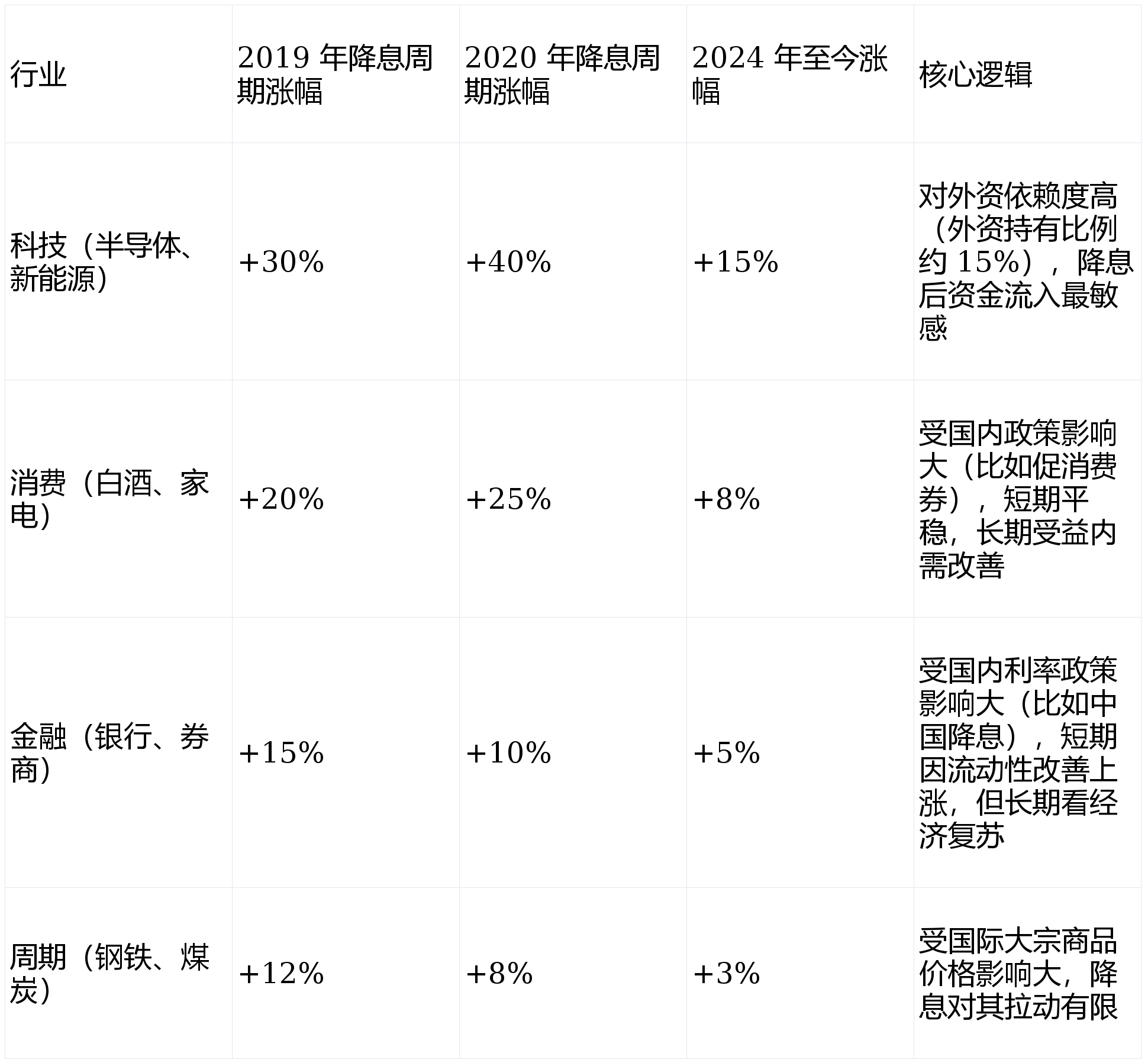
Group 1 - The core argument is that understanding the implications of the US interest rate cut is crucial for making informed investment decisions in the Chinese stock market [1] - The Federal Reserve's decision to cut rates by 25 basis points is primarily driven by a significant downturn in US employment data, necessitating a shift in monetary policy to support job growth [1][2] - The reduction in US interest rates is expected to alleviate policy pressures in China, as the narrowing interest rate differential may encourage foreign capital to remain in China [2] Group 2 - The long-term impact of the Fed's rate cut is anticipated to inject liquidity into the Chinese stock market, with foreign investment likely to increase due to improved conditions [2] - Historical data from previous rate cut cycles indicates that the technology sector tends to benefit the most, while consumer and financial sectors also see positive effects but are more influenced by domestic policies [5] - A comparison of industry performance during past Fed rate cuts shows that foreign capital flows significantly favor the technology sector, which is highly reliant on foreign investment [5][6] Group 3 - Investors should be cautious of three common pitfalls associated with rate cuts: chasing short-term highs, misjudging industry impacts, and overlooking domestic policy influences [7] - Strategies to avoid these pitfalls include waiting for 1-2 weeks post-rate cut to assess foreign capital flows before making investment decisions, prioritizing technology and consumer sectors, and monitoring domestic economic indicators [7] - Different investor profiles should adopt tailored strategies: aggressive investors should focus on technology and renewable sectors, while conservative investors should consider consumer and financial sectors for stable growth [7]

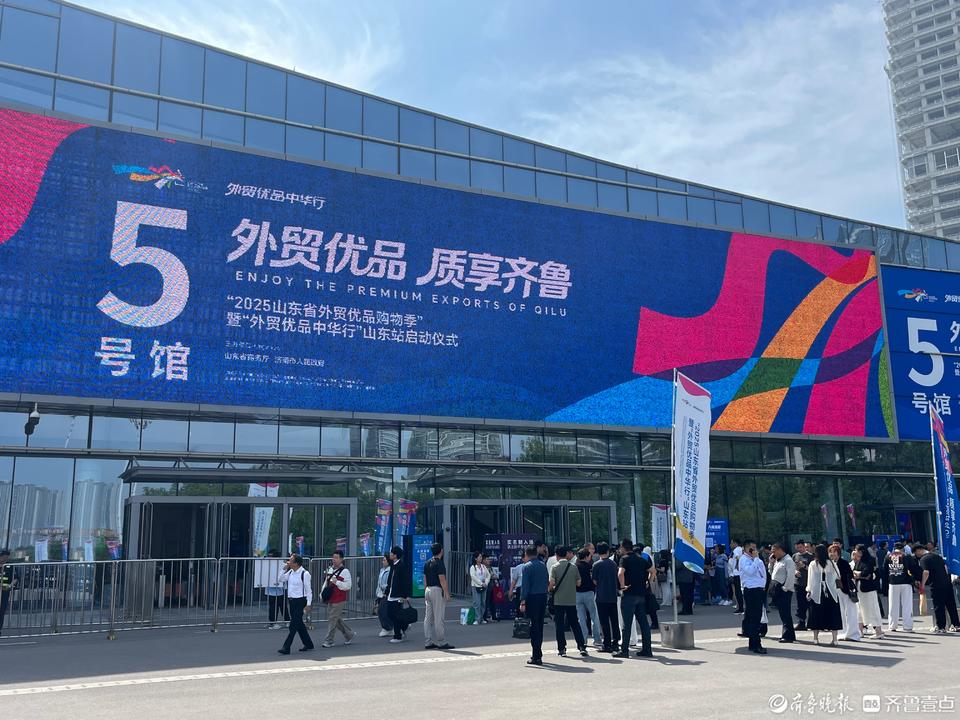
外贸变局众生相:抢船运,转内销,海外设厂……
Qi Lu Wan Bao Wang· 2025-05-20 06:17
Group 1 - The US has canceled tariffs imposed on Chinese goods, providing temporary relief to foreign trade businesses, although tariffs remain higher than pre-Trump levels by 30% [1][2] - Many foreign trade companies are resuming production to take advantage of a 90-day grace period for shipping goods under current tariff standards [1][2] - Different companies are experiencing varying impacts from the tariff situation, with some facing challenges in shipping logistics and increased costs [2][10] Group 2 - Companies like Xiaoya Group and Qingdao Shanhai Home Products are seeing a recovery in orders post-tariff adjustments, but they are also facing difficulties in shipping and rising freight costs [4][10] - Lutai Textile has managed to mitigate the impact of tariffs due to its global production strategy established in previous years, focusing on both domestic and international markets [6][10] - The "export to domestic sales" strategy is being adopted by many companies, including Lushang Group, to support domestic sales and adapt to changing market conditions [7][10] Group 3 - Companies are optimistic about the potential for increased competitiveness if tariffs on Chinese goods are aligned with those on European goods, as Chinese manufacturing is favored for its efficiency and quality [11][12] - The overall sentiment among foreign trade enterprises is one of resilience, with many actively seeking new development paths through market diversification and local production [12]