品牌代理

Search documents
若羽臣、水羊股份的“独家”代理之争
Bei Jing Shang Bao· 2025-12-17 14:00
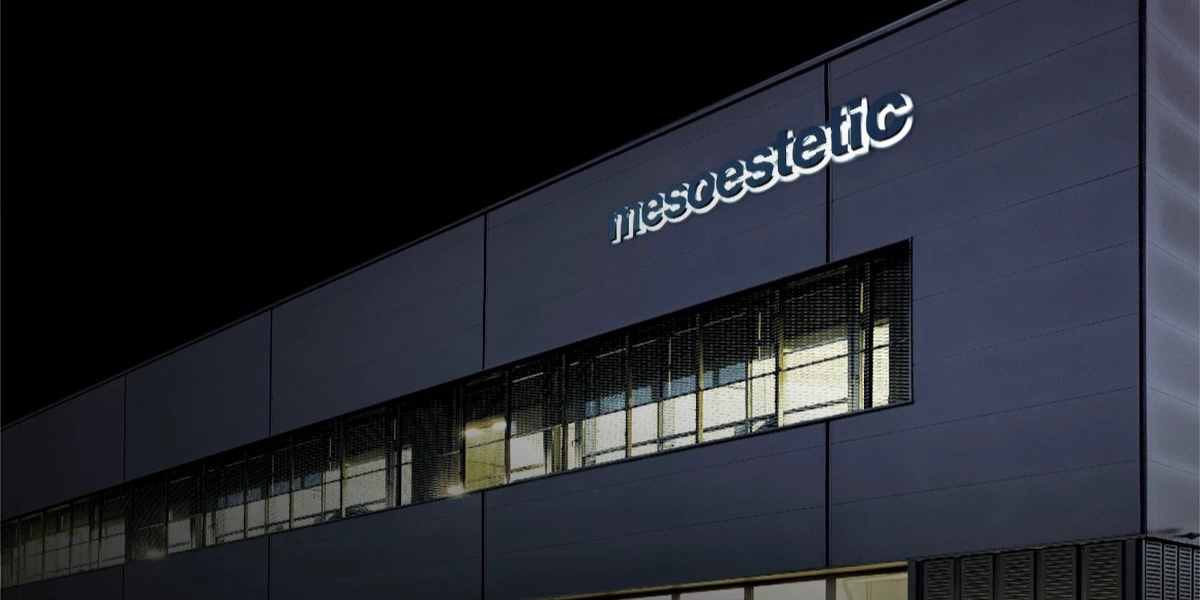
Core Viewpoint - The competition for exclusive agency rights in the oral beauty product market between Ruoyuchen and Shuiyang Co. is intensifying, with both companies claiming to be the exclusive agent for the Spanish brand Mestique in China [1][3][4]. Summary by Sections Agency Rights Dispute - Ruoyuchen claims to be the exclusive agent for Mestique's core oral beauty product line in China, responsible for brand promotion and sales [3][4]. - Shuiyang Co. asserts that it holds the exclusive distribution agreement with Mestique, managing all official online channels in China [3][4]. - The dispute highlights the importance of exclusive agency rights in a market with a significant scale, estimated in the millions [1][3]. Market Potential - The oral beauty product market is experiencing rapid growth, with user numbers exceeding 65 million in 2023, a 28% increase year-on-year [7]. - The demographic of 18-35-year-old women constitutes 72% of the consumer base, indicating a strong market potential [7]. Company Performance - Ruoyuchen has been undergoing a transformation, shifting from brand operation to brand management, which has shown positive results in recent years [5][6]. - Financial data shows Ruoyuchen's revenue growth from 2023 to 2025, with increases of 12.25%, 29.26%, and 85.3% respectively, alongside significant net profit growth [5][6]. Competitive Landscape - The oral beauty market is becoming increasingly competitive, with new entrants like Shiseido and Amorepacific launching their own brands and products [8]. - The presence of various players in the market poses challenges for both Ruoyuchen and Shuiyang Co. in maintaining their market positions [8]. Strategic Directions - Industry experts suggest that developing strong proprietary brands may be a beneficial direction for beauty operators, as seen in Ruoyuchen's recent performance [9].

水羊股份即将失去一匹“上等马”
Jing Ji Guan Cha Wang· 2025-12-17 12:53
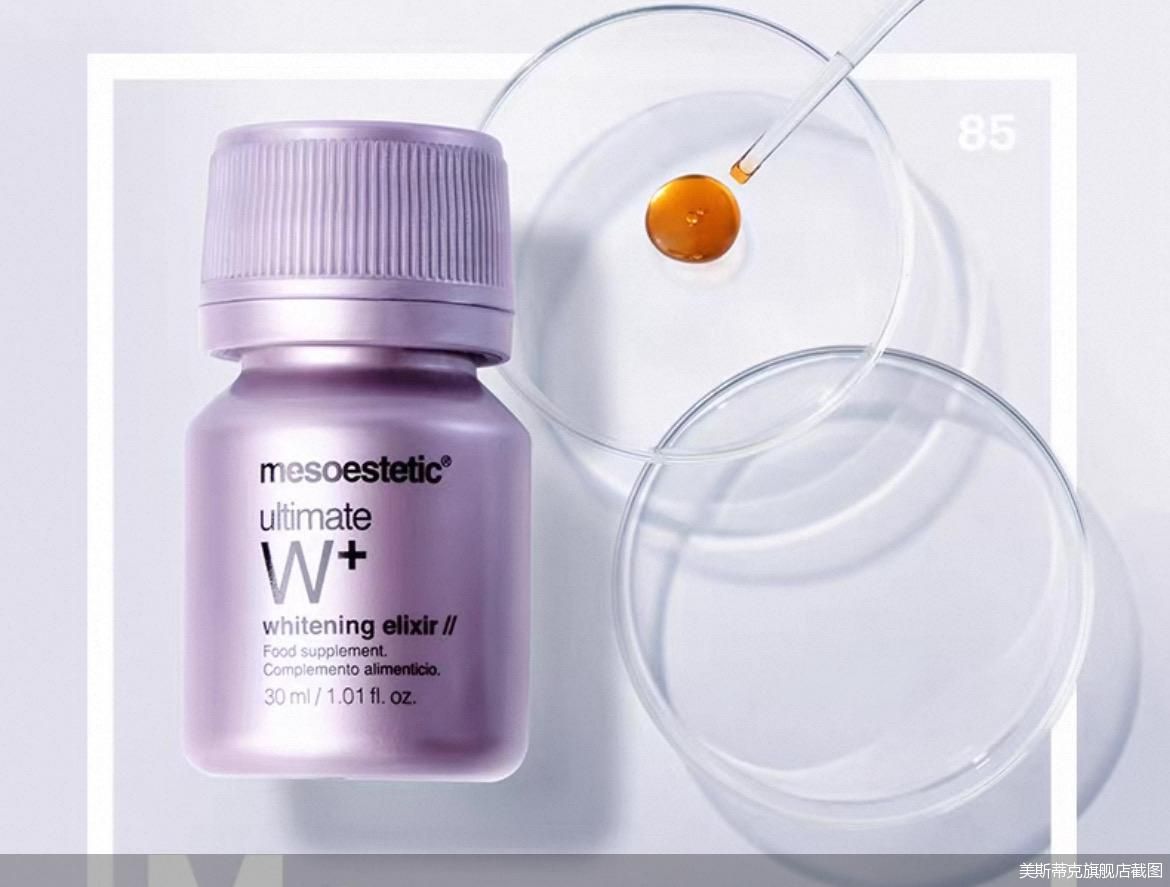
Core Viewpoint - The beauty industry is currently witnessing a dispute over the exclusive agency rights of the Spanish aesthetic brand Mestique in China, with both Shuiyang Co., Ltd. and Ruoyuchen claiming to hold these rights [2][3]. Group 1: Company Claims - Shuiyang International, a subsidiary of Shuiyang Co., Ltd., announced on December 15 that it is the exclusive distributor of the Mestique brand in China, having signed a long-term cooperation agreement since 2021 [3]. - Ruoyuchen has also circulated a statement claiming that starting January 1, 2026, it will become the exclusive distributor for Mestique's core oral beauty product line in China, with full rights to operate and market the brand [4][5]. Group 2: Market Position and Product Lines - Mestique, founded in 1985, offers a range of products including oral beauty, skincare, and health supplements, with its oral beauty product "Brightening Drink" being a top seller in the high-end market [2]. - The oral beauty product line constitutes approximately 98% of Mestique's business volume, highlighting its significance to the brand [4]. Group 3: Financial Implications - Shuiyang Co., Ltd. has seen its revenue from its own brands reach 1.039 billion yuan, accounting for 41.55% of total revenue, while its CP (China Partner) brands, including Mestique, generated 1.461 billion yuan, exceeding 50% of total revenue [6]. - The GMV of Mestique within Shuiyang Co., Ltd. increased from 50 million yuan in 2021 to over 500 million yuan by October 2024, indicating its critical role in the company's high-end transformation strategy [6][8]. Group 4: Future Outlook - The impending loss of the core agency rights for Mestique's oral beauty product line poses uncertainty for Shuiyang Co., Ltd.'s future performance, especially as it has been a key driver of growth [8]. - In contrast, Ruoyuchen has been expanding its own brand portfolio and has reported significant profit growth, with net profits increasing by 60.93% and 94.58% in 2023 and 2024, respectively [9].
阿迪、耐克的大经销商想要「改命」
华尔街见闻· 2025-05-26 09:26
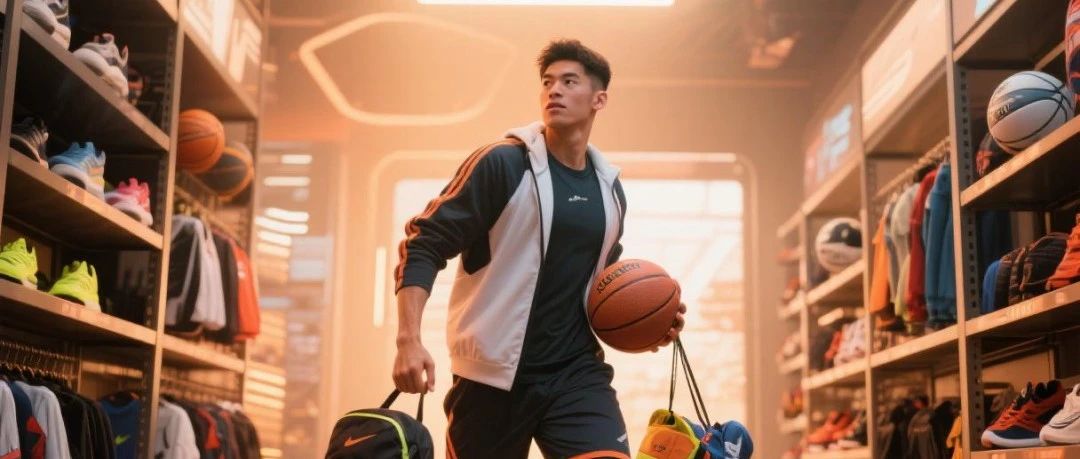
Core Viewpoint - The article discusses the challenges faced by the sports retail operator, Tmall (滔搏), highlighting a significant decline in profits and the impact of market dynamics on its operations, particularly in relation to major brands like Nike and Adidas [2][3][4]. Group 1: Financial Performance - For the fiscal year ending February 2025, Tmall's profit dropped to 1.29 billion yuan, a 42% year-on-year decline, marking a record low since its listing [2]. - Tmall's revenue fell by 11.5% and 15.1% in the fiscal years 2022 and 2023, respectively, with a notable decrease in store numbers [17]. - As of February 2025, Tmall had 5,020 offline stores, an 18.3% year-on-year decrease, while inventory turnover days remained high at four and a half months [18][17]. Group 2: Market Dynamics - Major brands like Nike and Adidas are still struggling in the Chinese market, with Nike experiencing a 17% year-on-year sales decline from December to February [3]. - Tmall's revenue structure has been heavily reliant on Nike and Adidas, contributing over 85% to its performance, which poses risks due to the brands' shift towards direct-to-consumer (DTC) sales [9][11]. - The rise of domestic brands such as Anta and Li Ning has intensified competition, further complicating Tmall's market position [15]. Group 3: Strategic Initiatives - Tmall has increased online promotions to clear inventory, resulting in a 4.5% year-on-year decline in stock levels and a drop in gross margin to 38.4%, the first time below 40% [4]. - The company is focusing on transforming its brand portfolio by acquiring exclusive operating rights for high-end outdoor brands like Norrøna and Soar in Greater China [5][27]. - Tmall aims to enhance its online presence through various e-commerce strategies, currently operating 2,300 mini-program stores and 500 accounts on Douyin and WeChat [20]. Group 4: Future Outlook - Tmall's strategy includes expanding its brand matrix in vertical markets such as outdoor and trail running, with partnerships established with brands like HOKA ONE ONE and KAILAS [22][23]. - Despite the challenges, Tmall's cash and cash equivalents reached 2.59 billion yuan, a year-on-year increase of over 30%, providing some financial flexibility for future investments [31]. - The company acknowledges the need for a more nuanced approach to brand management, emphasizing the importance of both online and offline channels working synergistically [35].