
渠道转型

Search documents
海通国际:维持百威亚太(01876)“中性”评级 目标价7.9港元
智通财经网· 2026-02-24 02:05
Core Viewpoint - Budweiser APAC is undergoing a deep adjustment period in the Chinese market, facing short-term performance pressure due to reform pains and external shocks, but positive signals are emerging from channel transformation, with preliminary improvements in Q4 market share [1] Group 1: Financial Performance - For the full year 2025, revenue and EBITDA were $5.76 billion and $1.59 billion, down 6.1% and 9.8% year-on-year; Q4 revenue and EBITDA were $1.07 billion and $170 million, down 4.2% and 24.7% year-on-year [2] - The Chinese market significantly dragged down performance, with Q4 revenue and EBITDA declining 11.4% and 42.3% year-on-year, and full-year revenue and EBITDA down 11.3% and 15.7% year-on-year [2] - The net profit attributable to shareholders for the full year was $489 million, a decrease of 32.1% year-on-year, while cash flow remained robust with a dividend payout ratio increasing to 153% [2] Group 2: Market Dynamics - The industry saw stable volume but declining prices in Q4 2025, with leading companies maintaining stable operations; however, the average selling price (ASP) has been under pressure, hindering premiumization [3] - Budweiser APAC, as a leader in high-end beer, is increasing investments in emerging channels like instant retail and O2O, with early signs of improvement as the decline in sales volume narrowed from 11% in Q3 to 3.9% in Q4 [3] - The company is expected to benefit from multiple factors supporting ASP improvement in 2026, including effective policies to boost consumer confidence and demand, alongside the release of benefits from high-end positioning and channel transformation [3] Group 3: Strategic Outlook - The management has outlined three core outlooks for 2026: organic growth, inorganic expansion, and shareholder returns, with a focus on high-end home channels and O2O expansion in China [4] - The company plans to explore M&A and collaboration opportunities in the Asia-Pacific region, supported by strong cash flow for external growth [4] - A high dividend policy continues, with a dividend yield of 5.6% providing a solid safety net for the stock price; the depreciation of the US dollar is also expected to positively impact financial statements [4]

百威亚太在中国不好卖了,销量连跌两年
Jin Rong Jie· 2026-02-13 09:05
Core Viewpoint - Budweiser is facing unprecedented growth pressure in the Chinese market, with declining sales and profits reported in its latest earnings report [1][2]. Financial Performance - Budweiser APAC reported a revenue of $5.764 billion (approximately 39.787 billion RMB) for 2025, a year-on-year decrease of 6.1% [1]. - Beer sales reached 7.966 billion liters, down 6.0% year-on-year [1]. - The profit attributable to equity holders was $489 million (approximately 3.375 billion RMB), a significant decline of 32.6%, marking a low point in net profit over recent years [1]. Market Challenges - The company has experienced a continuous decline in key metrics, with beer sales and revenue in China dropping by 8.6% and 11.3% respectively in 2025 [2]. - The decline is attributed to a slowdown in high-end dining and entertainment channels, which have traditionally been strong for Budweiser [2]. - The company has been slow to adapt to new retail and e-commerce channels, with a lower proportion of non-on-premise sales compared to competitors [2]. Strategic Initiatives - Budweiser is increasing investments in non-on-premise channels and enhancing its sales team capabilities, particularly in Guangdong [2]. - The company is also focusing on marketing its core sub-brands, including new endorsements for Harbin Beer to strengthen connections with younger consumers [2]. Cost Pressures - Increased investments to support distributors and brand promotion in emerging channels have created additional profit pressures for Budweiser [3]. - The company plans to maintain high-intensity marketing and channel investments in 2026, coinciding with the World Cup events [3]. Industry Context - The domestic beer industry is entering a contraction phase, with local brands accelerating their premiumization and channel transformation, increasing pressure on international giants like Budweiser [3][4]. - Competitors such as Yanjing Beer and Chongqing Beer are forecasting significant profit growth, with Yanjing expected to achieve a net profit of 1.584 billion to 1.742 billion RMB, a year-on-year increase of 50%-65% [3][4]. Leadership Focus - CEO Cheng Yanjun has emphasized the need to reignite growth and rebuild market share in China as a primary task [4].
宜家在中国败给了谁?
新消费智库· 2026-01-28 13:00
Core Viewpoint - IKEA's recent closure of seven stores in China marks its largest contraction in 28 years, reflecting significant shifts in consumer behavior and market dynamics [2][4]. Group 1: Changes in Consumer Behavior - Over the past decade, Chinese consumers have shifted from purchasing entire home furnishings to more fragmented, scene-based buying, with over 70% of home furnishing demand now focused on renovation and partial upgrades [5][8]. - The decline in new home sales, down 3.5% year-on-year in the first half of 2025, and the rise of second-hand home transactions, which now account for 42%, indicate that fewer consumers are moving into empty homes [7][8]. - Consumers now prioritize comfort and aesthetics in their living spaces, leading to a demand for smaller, more frequent purchases rather than large-scale furniture acquisitions [8][19]. Group 2: Shifts in Shopping Experience - The traditional "destination shopping" experience at IKEA, characterized by family outings and leisurely browsing, is losing appeal as consumers increasingly prefer instant gratification through online shopping [9][10]. - Consumers now visit stores with specific intentions, often to confirm details of products they have already researched online, rather than to explore and seek inspiration [11][13]. - IKEA's large store format, designed for extensive product displays, is becoming cumbersome for consumers who seek quick and efficient shopping experiences [14][15]. Group 3: Business Model Challenges - IKEA's heavy asset model, which involves owning rather than leasing properties, has become a burden as declining foot traffic increases operational costs for its large stores [17][18]. - The company's reliance on high-ticket items for profitability conflicts with the current consumer trend towards lower-cost, frequently purchased goods, creating a dilemma for maintaining store viability [19][20]. - Attempts to open smaller stores in urban centers face challenges in showcasing large furniture items while maintaining profitability [20][32]. Group 4: Competition from Local Brands - Local Chinese furniture brands have surpassed IKEA in consumer preference, indicating a significant shift in market dynamics and brand perception [23]. - These brands leverage competitive pricing, enhanced shopping convenience through e-commerce, and localized product designs that better meet the needs of Chinese consumers [26][27]. - Local brands utilize social media and live-streaming for marketing, establishing more direct and emotional connections with consumers compared to IKEA's traditional marketing strategies [28]. Group 5: IKEA's Strategic Adjustments - In response to market challenges, IKEA has implemented price reductions, introducing over 1,500 lower-priced products across multiple fiscal years, although this strategy risks diluting its brand image [30][31]. - The company is also transitioning to smaller store formats and enhancing online sales channels, including partnerships with major e-commerce platforms for faster delivery options [32][33]. - However, IKEA's global operational model may hinder its ability to adapt quickly to the rapidly changing Chinese market, as local brands can respond more agilely to consumer demands [33].

木林森(002745.SZ):预计2025年净亏损11亿元-15亿元
Xin Lang Cai Jing· 2026-01-27 11:36
Core Viewpoint - The company, Mulinson (002745.SZ), expects a significant net loss for 2025, with estimates ranging from -1.5 billion to -1.1 billion yuan for net profit attributable to shareholders, and from -1.45 billion to -1.08 billion yuan for net profit after deducting non-recurring gains and losses [1] Group 1: Financial Performance - The anticipated net profit loss is attributed to weak demand in the European market and a decline in orders [1] - The company has increased operational costs due to accelerated channel transformation efforts to cope with intense competition in the global lighting market [1] - The company has made provisions for asset impairment, including goodwill, based on a cautious approach [1] Group 2: Market Conditions - The company's performance is impacted by changes in the supply-demand dynamics of the industry and fluctuations in product prices, leading to a decrease in gross profit [1] - The company is actively pursuing product adjustments and upgrades, and has conducted impairment tests on related inventory and assets [1]

产能利用率低 森鹰窗业预计2025年净利润亏损
Bei Jing Shang Bao· 2026-01-27 10:57
Core Viewpoint - Harbin Senying Window Industry Co., Ltd. expects a net profit loss of 42 million to 53 million yuan for 2025, indicating a similar level of loss compared to the previous year [1] Financial Performance - The company anticipates a net profit loss attributable to shareholders of 42 million to 53 million yuan for 2025, compared to a loss of 42.19 million yuan in the same period last year [1] - The expected net profit loss after deducting non-recurring gains and losses is projected to be between 56 million and 67 million yuan, compared to a loss of 56.74 million yuan in the previous year [1] Business Operations - The company states that new products such as plastic windows and entrance doors, as well as overseas market operations, have not yet generated significant revenue [1] - During the channel transformation phase, while operating revenue and gross margin have shown some recovery, the low capacity utilization rate continues to impact overall profitability [1]
中金:维持特步国际(01368)跑赢行业评级 下调目标价至6.47港元
Zhi Tong Cai Jing· 2026-01-26 01:33
Core Viewpoint - The report from CICC maintains the EPS forecast for Xtep International (01368) at 0.49/0.55 yuan for 2025/26, introduces a new EPS forecast of 0.61 yuan for 2027, and sets a target price of HKD 6.47, reflecting an 11% decrease and a 27% upside potential from the current stock price, corresponding to an 11x P/E for 2026 [1]. Company Status - Xtep reported that its main brand's retail revenue remained flat year-on-year in Q4 2025, with retail discounts between 70% to 75%, and channel inventory turnover at 4.5 months by the end of December. The Saucony brand saw retail revenue growth of over 30% year-on-year [2]. Retail Environment and Performance - The retail environment showed fluctuations, with the main brand's retail revenue remaining stable in Q4 2025. Online channels, particularly live e-commerce, performed well. Monthly performance was strong in October and November due to promotional events, but December was affected by weather conditions. Retail discounts for the main brand remained stable, and the inventory turnover was healthy [3]. Saucony Brand Growth - The Saucony brand experienced accelerated growth in Q4 2025, with retail revenue increasing by over 30% year-on-year. Strong growth was noted in offline channels, with average store efficiency reaching 450,000 yuan per month. The brand's product line continued to expand with new sports and leisure products, achieving double-digit growth in apparel [4]. Strategic Focus for 2026 - In 2026, the main brand will focus on enhancing offline store efficiency, while the Saucony brand aims for a premium positioning. The management plans to convert 200 stores to a DTC model and open 20-30 new flagship stores. The company also plans to accelerate the opening of outlet stores, with a target of 70-100 new stores in 2026, and aims to enhance the high-end sports image of Saucony [5].
年报预告“变脸”,欢乐家渠道转型承压
Bei Jing Shang Bao· 2026-01-25 13:15
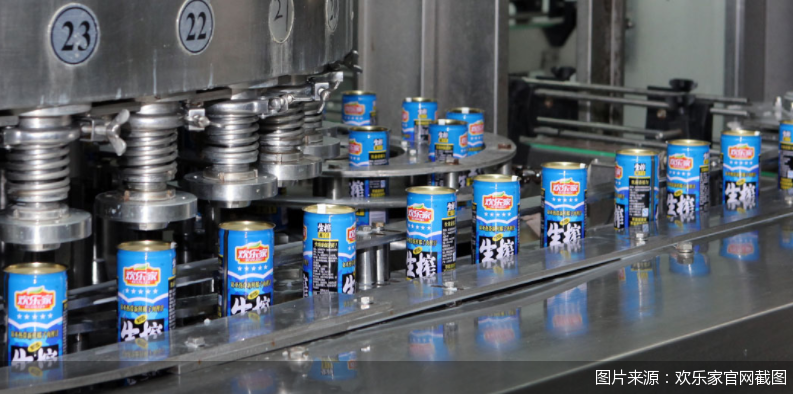
Core Viewpoint - The company, Huanlejia, is facing a significant decline in its performance for the fiscal year 2025, with a projected net profit drop of 66.07% to 76.25% compared to the previous year, highlighting its current operational challenges [1] Group 1: Financial Performance - Huanlejia's net profit for 2025 is expected to be between 35 million to 50 million yuan, a stark contrast to the 147 million yuan achieved in 2024 [1] - The company's revenue for the third quarter of 2025 decreased by 25.47% to 294 million yuan, with a net profit plummeting by 713.87% to 8.03 million yuan [4] Group 2: Cost Pressures - One of the main reasons for the decline in performance is the continuous rise in raw material costs, particularly for coconut products, which has significantly squeezed profit margins [3] - The global supply-demand imbalance for coconut materials has worsened since 2024, driven by factors such as climate impacts, changing demand structures, and supply chain barriers [3] Group 3: Strategic Responses - In response to the cost pressures, Huanlejia has attempted to raise prices on certain coconut juice products by 1% to 8%, affecting products that generated 795 million yuan in sales in 2024 [3] - The company is also investing in upstream supply chain stability by acquiring land and facilities in Indonesia for coconut processing, with a total investment of approximately 34 million USD planned [4] Group 4: Market Competition - The coconut juice market is becoming increasingly competitive, with Huanlejia facing challenges from both established brands and new entrants, which are intensifying the pressure on its market share [6] - The company has been exploring new channels such as snack specialty chains and initial processing of coconut raw materials, but these efforts have not yet achieved significant scale or profitability [6][7]
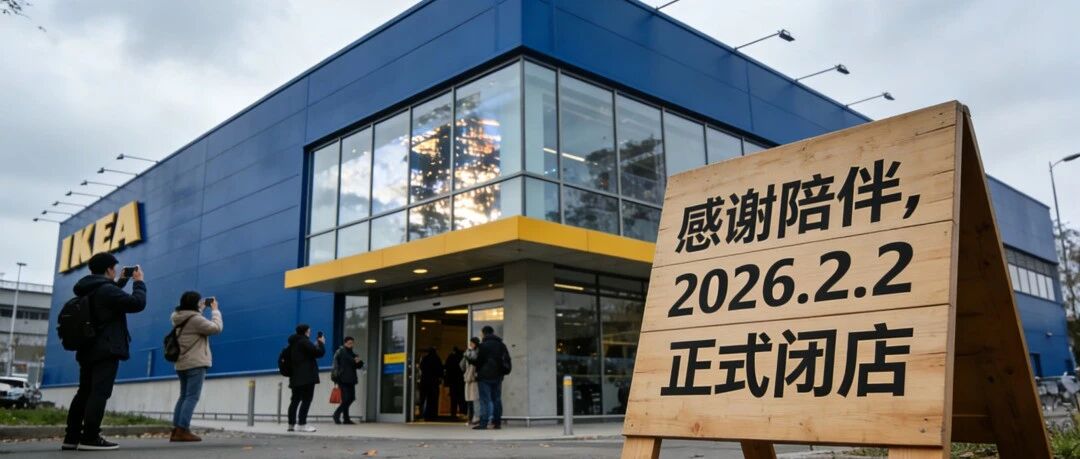
卖1元冰淇淋的宜家,越来越少了
3 6 Ke· 2026-01-08 01:14
Core Insights - IKEA China announced the closure of seven stores, effective February 2, 2026, as part of a strategic shift to optimize costs and improve efficiency [1][2] - The closures will reduce the number of IKEA stores in mainland China from 38 to 31, impacting consumer access in several cities [1][2] - The company has been struggling to adapt to the rapidly changing consumer environment in China, leading to a series of store closures over the past few years [2][3] Group 1: Store Closures and Strategic Shift - IKEA China will close seven stores, including significant locations in Shanghai and Guangzhou, which were previously major investments [1] - The closures are part of a broader strategy to enhance operational efficiency and reallocate resources to better meet consumer needs [2] - The company aims to increase store productivity and focus on channels that are more aligned with consumer preferences [2][3] Group 2: Market Challenges and Competition - IKEA has faced increasing competition from local brands and changing consumer preferences, leading to a disconnect between its product offerings and market demands [3][4] - The company has attempted to implement price reductions and product innovations, but these efforts have not fully addressed the underlying issues [2][3] - Local competitors, such as "鹿岛" and "源氏木语," are expanding rapidly, further intensifying competition in the home goods market [4][5] Group 3: Financial Performance of Ingka Group - Ingka Group, IKEA's parent company, reported a decline in global revenue to €418.64 billion in the 2024 fiscal year, a 5.5% decrease year-over-year [6] - The net profit for Ingka Group fell significantly by 46.5% to €8.06 billion, indicating financial strain [6] - Strategic partnerships and adjustments in retail operations are being pursued to alleviate financial pressures [6] Group 4: Broader Industry Trends - Other international brands, such as NITORI and MUJI, are also facing challenges in the Chinese market, with significant store closures reported [7][8] - The competitive landscape is becoming increasingly difficult, with local brands gaining market share and altering consumer expectations [8]
“i茅台”上架53度飞天,经销商的天塌了
商业洞察· 2026-01-05 09:29
Core Viewpoint - Moutai has shifted from a distribution model that has lasted over 20 years to a direct sales model, indicating a significant change in its business strategy [5][16]. Group 1: Impact on Revenue and Market Strategy - The introduction of direct sales through the iMoutai app allows consumers to purchase the 53-degree 500ml Flying Moutai directly at a price of 1499 yuan, which can increase Moutai's revenue by capturing profits previously allocated to distributors [16][18]. - Moutai's revenue from Flying Moutai is calculated based on a factory price of 1169 yuan, meaning the difference between retail prices and this factory price has historically benefited distributors rather than the company [19][20]. - The shift to direct sales is aimed at enhancing market competitiveness and forcing distributors to adopt a more market-oriented approach, thereby improving customer service and brand image [21][20]. Group 2: Brand Control and Pricing Strategy - Moutai is learning from top brands by directly controlling terminal prices, which allows the company to manage its brand development and adjust production capacity based on market conditions [24][31]. - The ability to control prices is crucial for maintaining brand integrity and ensuring that consumers feel secure about the authenticity of the products they purchase [33][30]. Group 3: Historical Context and Distributor Relationships - Historically, distributors played a vital role in Moutai's growth, especially during challenging times when the brand was less popular [35][36]. - The relationship between Moutai and its distributors has evolved, and while the company is now focusing on direct sales, it still recognizes the contributions of distributors in market expansion [42][44]. - The current market environment has changed, leading to a reevaluation of the long-standing balance between Moutai and its distributors, raising questions about the future dynamics of this relationship [47][50].


茅台“自刀”,砍痛了谁?
Sou Hu Cai Jing· 2026-01-05 03:36
Core Viewpoint - Moutai's adjustment of channel policies and operational strategies is a result of both external environment and internal demand, facing significant challenges and performance pressure after the new management took over [1][4] Group 1: Policy Changes - Moutai announced it will no longer distribute non-standard products through a "distribution method," marking the end of an era where distributors could profit easily [2][4] - The launch of the core product, the 1499 yuan Flying Moutai on the iMoutai platform, generated significant market interest, selling out quickly with over 100,000 users purchasing within the first three days [2][6] - Moutai plans to stop supplying rare Moutai products by 2026 and reduce the supply of non-standard products by 30%-50%, which may enhance the value of existing distributor inventories [4][5] Group 2: Market Reactions - The market has seen fluctuations in wholesale prices, with the 2025 production of Flying Moutai dropping below 1499 yuan per bottle, indicating a shift in market dynamics [2][6] - Distributors are experiencing mixed feelings; while some see the removal of forced distribution of non-standard products as a chance to focus on bestsellers, others fear the new policies may lead to a purge of weaker distributors [5][10] - The simplification of distribution channels and increased direct sales from manufacturers may provide consumers with better access to products at original prices [5][6] Group 3: Challenges Ahead - Moutai faces the challenge of balancing brand value with market expansion, as the risk of diluting its premium image looms large [7][8] - The transition to a new sales model may involve a painful adjustment period for distributors, who are shifting from traditional roles to becoming channel service providers [7][8] - The changing consumer environment poses long-term pressures, with a need for Moutai to innovate in marketing to attract younger demographics while maintaining cultural heritage [9][10] Group 4: Industry Implications - Moutai's decision to eliminate the distribution model raises questions for other liquor companies about whether to follow suit, potentially impacting the market positions of high-end brands like Wuliangye and Guojiao 1573 [10][11] - Other brands may struggle to replicate Moutai's strategy due to differing brand attributes and market conditions, emphasizing the need for tailored approaches rather than blind imitation [11]