商业信誉

Search documents
雀巢暴雷,信任已死
3 6 Ke· 2026-01-13 00:56
Core Viewpoint - The dispute between Chongqing Yichong Technology Co., Ltd. and Nestlé (China) Co., Ltd. highlights the challenges in the traditional high-price and post-rebate business model, revealing underlying issues in trust and cooperation within the industry [1][2][3]. Group 1: Dispute Details - Chongqing Yichong Technology accuses Nestlé of improper conduct, including high rebate promises that led to significant unpaid rebates totaling nearly 19 million yuan [1]. - The cooperation model between the two companies involved high initial purchase prices with subsequent rebates, which were initially paid but began to be delayed from Q3 2023 [1]. - Nestlé proposed a "three-fold package" solution to settle the debt, which was rejected by Yichong, leading to arbitration proceedings [1]. Group 2: Market Context - Nestlé faces multiple challenges in both global and Chinese markets, with a reported 6.1% decline in organic growth in the Greater China region for the first three quarters of 2025 [1]. - The company is undergoing a global restructuring, planning to lay off approximately 16,000 employees over the next two years to cut costs and focus on core businesses like coffee and pet care [1]. Group 3: Business Model Analysis - The rebate model used by Nestlé is described as a double-edged sword, where high pricing and post-sale rebates create a risky dynamic for distributors [3][4]. - This model relies heavily on trust, with Nestlé holding significant power over pricing and terms, leading to potential delays in rebate payments as a means of maintaining control over distributors [5][6]. Group 4: Internal Management Issues - The lack of clarity in the formal distribution agreement regarding rebate calculations and payment guarantees has left Nestlé with legal leeway [6]. - Promises made by Nestlé employees through informal channels have created a dual system of formal contracts and informal commitments, which can lead to disputes when market conditions change [7][10]. Group 5: Implications for Future Relationships - The arbitration case reflects a shift from cooperative business relationships to zero-sum games, indicating a lack of flexibility and foresight in Nestlé's local management under financial pressure [9][31]. - The incident has damaged Nestlé's reputation in the Chinese market, potentially affecting future partnerships and increasing the psychological costs for new collaborators [15][31]. Group 6: Broader Industry Challenges - Nestlé's traditional business model is under scrutiny as it struggles to adapt to the rapidly changing market dynamics in China, where local competitors are more agile [17][20]. - The company's reliance on outdated channel strategies and a complex management structure has hindered its ability to respond effectively to market demands [24][26]. Group 7: Future Considerations - The need for Nestlé to redefine its business philosophy in China is emphasized, moving from a focus on financial negotiations to a model based on data sharing and collaborative value creation [31][29]. - Companies must recognize the importance of building trust and transparent relationships with partners to avoid similar disputes in the future [31][29].

“安世大劫案”的复杂远超你的想象
是说芯语· 2025-11-17 23:03
Core Viewpoint - The article discusses the recent developments surrounding the Dutch government's attempt to seize control of the Chinese-controlled company, Nexperia, highlighting the geopolitical implications and the impact on the global semiconductor supply chain [1][2][4]. Group 1: Background of the Incident - On September 30, the Dutch Ministry of Economic Affairs issued a ministerial order to freeze global operations of Nexperia, citing "national security" concerns [10][16]. - Nexperia, a major semiconductor manufacturer, was acquired by Chinese company Wingtech Technology in 2019 and has since contributed significantly to the Dutch economy [12][31]. - The Dutch government's actions have been characterized as a blatant attempt to seize control, with the legal basis being the "Goods Availability Act," which had never been used in such a context before [18][19]. Group 2: Reactions and Consequences - The Dutch government's decision has led to significant unrest in the European automotive industry, with calls for dialogue with China [7][9]. - Following the initial actions, China responded with export restrictions on Nexperia, which could severely disrupt the global semiconductor supply chain, affecting major automotive manufacturers [49][50]. - The situation escalated to a point where Nexperia's European clients sought alternative methods to procure semiconductors, indicating a growing sense of insecurity among European businesses [56][57]. Group 3: Geopolitical Implications - The incident reflects broader geopolitical tensions, particularly the influence of the U.S. on European policies regarding Chinese investments in technology [39][46]. - Analysts suggest that the Dutch government's actions may be a test case for U.S. strategies to exert control over Chinese technology firms through allied nations [47][48]. - The article emphasizes the need for Europe to achieve "strategic autonomy" in its decision-making processes, rather than being influenced by U.S. pressures [78][79].

一文读懂荷兰“半导体劫案”
Zhong Guo Jing Ji Wang· 2025-11-17 03:31
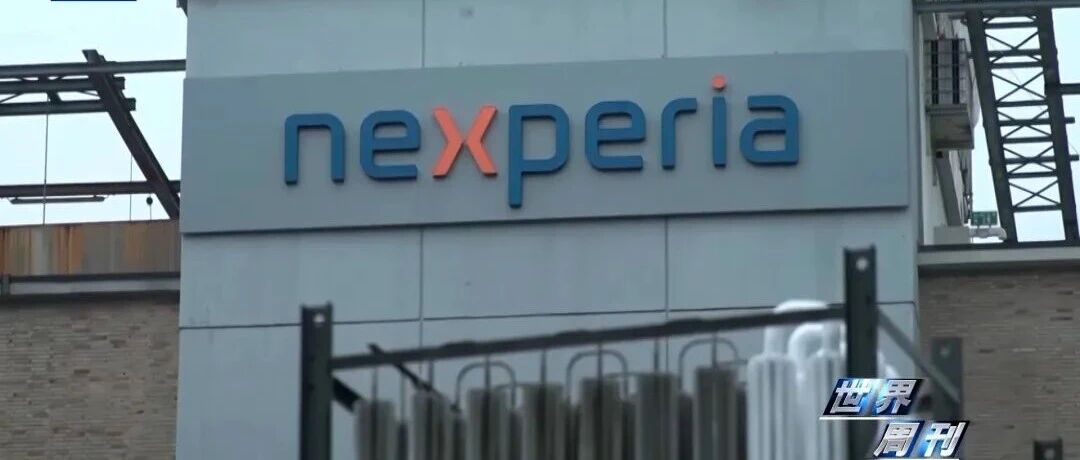
Group 1 - The Dutch government attempted to seize control of the Chinese-controlled company Nexperia, causing global supply chain disruptions [1][5][6] - After a series of escalations, the Netherlands announced it would abandon its takeover plans and send a high-level delegation to China for discussions [1][2][24] - The incident reflects a broader geopolitical struggle involving the US and Europe against China, particularly in the semiconductor industry [1][12][46] Group 2 - Nexperia, a major semiconductor manufacturer, was previously part of NXP Semiconductors and was acquired by Chinese company Wingtech Technology in 2019 [5][28] - The company is crucial for the automotive and consumer electronics sectors, supplying over 1 trillion chips annually [28][29] - The Dutch government's actions were justified under the guise of national security, citing the need to prevent sensitive technology from leaking to China [7][10][45] Group 3 - The Dutch Minister of Economic Affairs, Karremans, expressed no regret over the decision, despite international backlash and criticism from the Chinese government [2][12] - The incident has raised concerns within the European automotive industry, with potential production disruptions reported by major manufacturers like BMW and Volkswagen [27][30] - The geopolitical implications of the event highlight the fragility of global supply chains and the risks of politicizing economic relations [20][49][50] Group 4 - China's swift countermeasures included halting exports from Nexperia, which significantly impacted the global semiconductor supply chain [20][21][22] - The situation has led to a reduction in Nexperia's global chip supply by 60%, affecting various industries worldwide [21][31] - The incident underscores the importance of Nexperia in the European automotive supply chain, with potential ramifications for millions of vehicles and electronic devices [29][31] Group 5 - The event has sparked discussions about the need for Europe to achieve "strategic autonomy" in technology and supply chains, moving away from reliance on external powers [46][50] - The Dutch government's actions have been criticized as undermining the principles of commercial credibility and contract enforcement, which have historically been a strength of the Dutch economy [32][40] - The ongoing negotiations and potential resolutions will determine the future of Nexperia and its role in the global semiconductor landscape [51]
网红账号被禁,仿冒号一开即被封!于东来:对方若不受罚,或关闭胖东来!
新浪财经· 2025-05-05 01:40
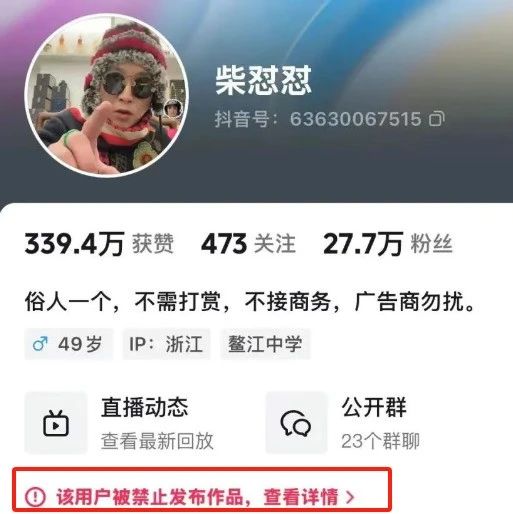
Core Viewpoint - The recent controversies surrounding the company "胖东来" involve legal disputes with "柴怼怼" and issues related to social media impersonation and defamation claims [2][13][25]. Group 1: Legal Disputes - "胖东来" has filed a lawsuit against "柴怼怼" for commercial defamation and infringement of reputation rights, claiming damages of no less than 5 million [13]. - The lawsuit was initiated after "柴怼怼" made allegations that "胖东来" was misleading customers regarding the pricing and quality of jade products [13][25]. - The company has publicly stated its commitment to transparency and welcomes investigations into its business practices [19][21]. Group 2: Social Media Issues - "柴怼怼" has faced account suspensions and bans due to impersonation and spreading misinformation, with multiple fake accounts being shut down shortly after their creation [3][6][10]. - The main account of "柴怼怼" was banned from posting and gaining followers as of May 4, with the platform taking measures to prevent similar incidents [4][9]. - The platform has acknowledged that 29 videos from "柴怼怼" were found to be infringing and have been taken down, with further actions pending based on court rulings [25][26]. Group 3: Business Performance - "柴怼怼" has been identified as a relatively new influencer in the jade market, with sales ranging between 500,000 to 750,000 in the last 90 days, indicating a growing presence in the industry [22]. - The average sales per live stream for "柴怼怼" are reported to be between 50,000 to 75,000, showcasing the potential for revenue generation in the jade sector [22].
李嘉诚只剩5天做选择,外交部公开定性,国企收到特殊任务,代价太大了
Sou Hu Cai Jing· 2025-03-31 03:06
Core Viewpoint - The sale of overseas ports by Cheung Kong Group, led by Li Ka-shing, is facing significant scrutiny and potential backlash from the Chinese government, particularly regarding the strategic importance of the Panama Canal ports involved in the transaction [1][3]. Group 1: Transaction Details - Cheung Kong Group is reportedly in collaboration with BlackRock to finalize the sale of key ports in Panama, aiming to sign an agreement by April 2 [1]. - The ports in question, Balboa and Cristobal, are critical for maritime trade, significantly impacting shipping routes and costs if controlled by the U.S. [3]. Group 2: Government Response - The Chinese government has expressed strong opposition to the transaction, emphasizing the need to protect national interests and warning against economic coercion [3][5]. - State-owned enterprises in China have been instructed to pause collaborations with Li Ka-shing's companies, indicating a significant pushback against the perceived threat to national interests [5]. Group 3: Potential Outcomes - Cheung Kong Group has the option to withdraw from the transaction, as the deal is contingent upon several conditions, including regulatory approvals and compliance with local laws [5]. - The Chinese government is actively engaging with both the Panamanian government and U.S. entities to seek a resolution, highlighting the importance of maintaining strategic relationships [8].