商业联姻

Search documents
茶饮霸总娶光伏女神,现在流行「董事长」终成眷属?
3 6 Ke· 2025-11-23 15:58
Group 1 - The marriage announcement between Gao Haichun, daughter of Gao Jifan (founder of Trina Solar), and Zhang Junjie (founder of Bawang Chaji) has been confirmed, highlighting a significant union in the business world [2][4][15] - Gao Haichun, a graduate of Brown University, is now the chairperson of Trina Solar, a company valued at 448 billion yuan, while Zhang Junjie has built Bawang Chaji into a tea beverage giant with a market cap of approximately 185 billion yuan [11][13][14] - The combined market capitalization of both companies exceeds 600 billion yuan, indicating a powerful alliance in the renewable energy and beverage sectors [14][15] Group 2 - Bawang Chaji has shown impressive growth, expanding from 1,087 stores in 2022 to 3,511 in 2023, with a projected total of 7,038 stores by mid-2025 [16] - The company reported a total GMV of 8.1031 billion yuan in Q2, with a year-on-year growth of 15.5%, although it faced challenges with a net profit decline [16][17] - Trina Solar is currently experiencing financial difficulties, reporting a net loss of 4.201 billion yuan in the first three quarters of the year, attributed to industry overcapacity and market policy changes [18][19] Group 3 - Gao Haichun is implementing reforms at Trina Solar, focusing on stabilizing the core business while exploring opportunities in the energy storage sector, with a target of achieving 8 GWh by 2025 [20] - The company is also aiming for a balanced market presence, with a 60% focus on overseas markets [20] - The potential for consolidation in the solar industry may lead to changes in market dynamics, with some stocks already showing signs of recovery [21]

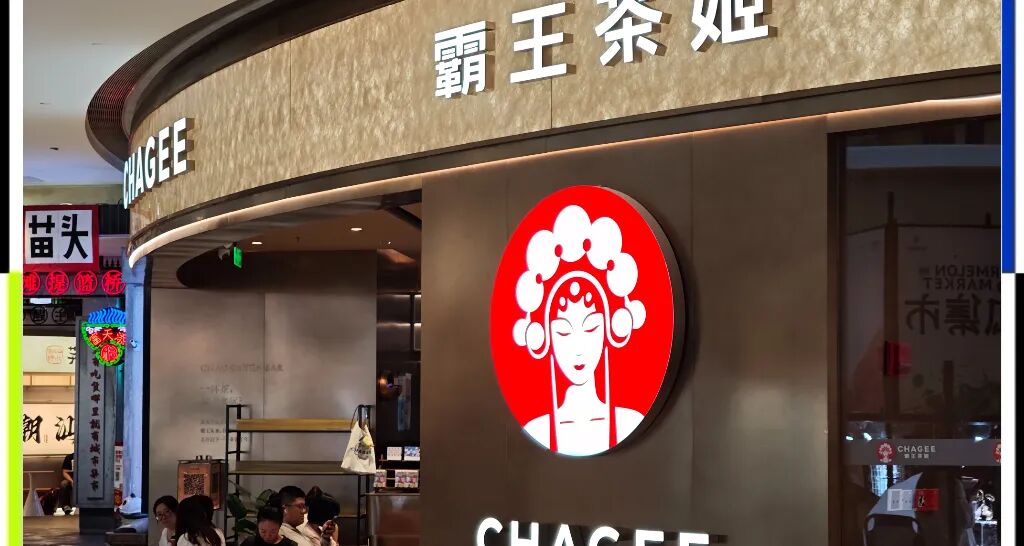
茶饮霸总娶光伏女神,现在流行「董事长」终成眷属?
36氪· 2025-11-23 15:41
Core Viewpoint - The marriage between Gao Haichun, daughter of Gao Jifan (founder of Trina Solar), and Zhang Junjie (founder of Bawang Chaji) represents a significant cross-industry partnership, combining their respective companies' market values to over 63.3 billion yuan, showcasing a trend of powerful business alliances in the new generation of entrepreneurs [4][6][18]. Group 1: Company Backgrounds - Trina Solar, led by Gao Haichun, has a market capitalization of approximately 44.8 billion yuan and is currently undergoing a transformation phase amid industry challenges, including a reported net loss of 4.2 billion yuan in the first three quarters of the year [16][24]. - Bawang Chaji, founded by Zhang Junjie, has rapidly expanded from a single store to over 7,000 locations globally, achieving a market capitalization of about 26.1 billion USD (approximately 185 billion yuan) after its listing on NASDAQ [17][18]. Group 2: Financial Performance - Bawang Chaji reported a total GMV of 8.1 billion yuan in Q2, with a net income of 3.3 billion yuan, reflecting a year-on-year growth of 10.2% [22]. - Despite its growth, Bawang Chaji's revenue growth rate of 21.6% in the first half of the year was lower compared to competitors like Mixue Ice City and Gu Ming, which saw increases of 39.3% and 41.2% respectively [23]. - Trina Solar's financial struggles are attributed to overcapacity in the photovoltaic industry and competitive pricing pressures, leading to a significant net loss [25]. Group 3: Strategic Directions - Gao Haichun is implementing reforms at Trina Solar, focusing on stabilizing core business operations while exploring opportunities in the energy storage sector, with a target of achieving 8 GWh of capacity by 2025 [26]. - Bawang Chaji is diversifying its product offerings and has attempted to introduce new merchandise, although some products have been removed from their flagship store due to market response [24]. Group 4: Market Trends - The marriage of Gao Haichun and Zhang Junjie is seen as a potential catalyst for future collaborations between their companies, with expectations of creating synergistic effects that could exceed the sum of their individual strengths [19][27]. - The trend of "business couples" is emerging, where both partners are equally matched in capability and resources, reflecting a shift in how the next generation of entrepreneurs approach partnerships and family businesses [41].

张俊杰、高海纯已登记结婚,“相识于青年企业家学习活动”!600亿跨界联姻不止甜
Mei Ri Jing Ji Xin Wen· 2025-11-21 08:12
Core Viewpoint - The recent marriage between Zhang Junjie, founder of Bawang Chaji, and Gao Haichun, daughter of Gao Jifan, founder of Trina Solar, has garnered significant market attention due to their connections to well-known publicly listed companies [3][10]. Company Summaries Bawang Chaji - Founded in 2017, Bawang Chaji has rapidly expanded to over 7,000 stores globally, making it one of the fastest-growing companies in the new tea beverage sector [3][10]. - The company went public on NASDAQ, marking a significant milestone in its growth trajectory [4][8]. - For the first half of 2025, Bawang Chaji reported a net profit of 1.31 billion yuan, reflecting a year-on-year increase of 6.8% [10]. - The company focuses on fresh-brewed tea beverages and has adopted a strategy of offering fewer, high-quality products compared to competitors [10]. Trina Solar - Established in 1997, Trina Solar is a leading player in the photovoltaic industry, with a market capitalization exceeding 40 billion yuan [3][10]. - The company has faced challenges in recent times, with a reported revenue of 49.97 billion yuan for the first three quarters of 2025, representing a year-on-year decline of 20.87% [12]. - Gao Haichun, who has been involved in the family business since 2017, currently serves as the co-chairman of Trina Solar, indicating her rising influence within the company [6][8]. Industry Context New Tea Beverage Sector - The new tea beverage industry is experiencing intense competition, with 2025 being referred to as the "IPO year" for new tea brands [10]. - Bawang Chaji's unique positioning in the market, focusing on fresh tea and a streamlined product line, sets it apart from other brands that offer a wider variety of products [10]. Photovoltaic Industry - The photovoltaic sector is characterized by its cyclical nature and has been undergoing significant adjustments, impacting companies like Trina Solar [12]. - Trina Solar's founder, Gao Jifan, is recognized as one of the early pioneers in the solar energy field in China, contributing to the company's long-standing presence in the industry [12].

父亲卖茶叶年入16亿,子女在福建豪门联姻
盐财经· 2025-08-04 09:53
Core Viewpoint - Eight Horses Tea Industry has established itself as a leader in the high-end tea market in China, with significant revenue growth and a complex journey towards listing on the stock market [4][19][22]. Group 1: Company Overview - Eight Horses Tea Industry was founded in 1993 by Wang Wenli, who aimed to capitalize on the high prices of tea in urban markets compared to his hometown [2]. - The company has over 3,000 stores and reported a revenue of 1.647 billion yuan in the first three quarters of 2024 [4]. - The company has faced multiple challenges in its listing journey, including failed attempts on various stock exchanges before finally receiving a notice from the China Securities Regulatory Commission for a Hong Kong listing [4][22]. Group 2: Market Position - Eight Horses ranks first in the high-end tea market in China, as well as in the oolong and black tea segments [7]. - The company’s sales revenue from 2019 to 2023 shows consistent growth, increasing from 1.02 billion yuan in 2019 to 2.122 billion yuan in 2023, with net profit rising from 90.88 million yuan to 206 million yuan during the same period [13][24]. Group 3: Product Strategy - The company has successfully positioned itself in the high-end market, with flagship products like the "Pearl Series" Tieguanyin tea priced between 1,000 yuan to 10,000 yuan per kilogram [10][12]. - Eight Horses has adopted a brand strategy that emphasizes quality and heritage, leveraging its family background in tea production to enhance its market appeal [12][30]. Group 4: Challenges and Concerns - The traditional tea industry faces challenges in attracting capital due to its heavy asset requirements and long production cycles, which create uncertainties [24][26]. - Eight Horses is characterized by a high degree of family ownership, which raises concerns about governance and transparency in its operations [28][30]. - Despite its leading position, Eight Horses holds only a 1.7% market share in the high-end tea market, indicating room for growth and the need for innovation [42][45].