国家云

Search documents
华尔街日报:中国的AI大招,来自全球最大电网的廉价电力
美股IPO· 2025-12-13 02:19
Core Viewpoint - China is leveraging its vast electricity resources and the world's largest power grid to gain a competitive edge in the global AI race, with electricity costs significantly lower than those in the U.S. [4][5][10] Group 1: Electricity Advantage - China's electricity generation has grown more than the total of other regions from 2010 to 2024, with last year's output being over twice that of the U.S. [4] - The cost of electricity for data centers in China can be as low as 3 cents per kilowatt-hour, compared to 7 to 9 cents in the U.S. [13] - Morgan Stanley predicts that by 2030, China will invest approximately $560 billion in power grid projects, a 45% increase from the previous five years [6]. Group 2: Data Center Development - Inner Mongolia is transforming with thousands of wind turbines and over 100 data centers operational or under construction, driven by the "East Data West Computing" initiative [5][8]. - The region's GDP has grown by 50% over the past five years, with electricity consumption for data centers and IT services increasing by over 700% from 2019 to last year [18]. - By 2030, China's data centers are expected to consume electricity equivalent to the total consumption of France [10]. Group 3: AI and Chip Development - Chinese AI companies, such as DeepSeek, are developing high-quality AI models at lower costs due to cheaper electricity, helping to mitigate challenges posed by domestic chip performance [6][24]. - Huawei's CloudMatrix 384 system, integrating 384 Ascend chips, reportedly has 66% higher computing power than NVIDIA's flagship system but consumes four times the power [22][24]. - The complexity of operating bundled systems and the need for advanced networking technology pose challenges for the efficient collaboration of numerous chips [24]. Group 4: Future Outlook and Challenges - The U.S. faces a potential power shortfall of 44 gigawatts for data centers in the next three years, which could hinder its AI ambitions [6]. - Both China and the U.S. are grappling with the high electricity consumption of data centers, with the demand for power being unpredictable [9][10]. - The Chinese government is prioritizing the development of data centers in designated areas to manage regulatory approvals and land acquisition more efficiently [18].

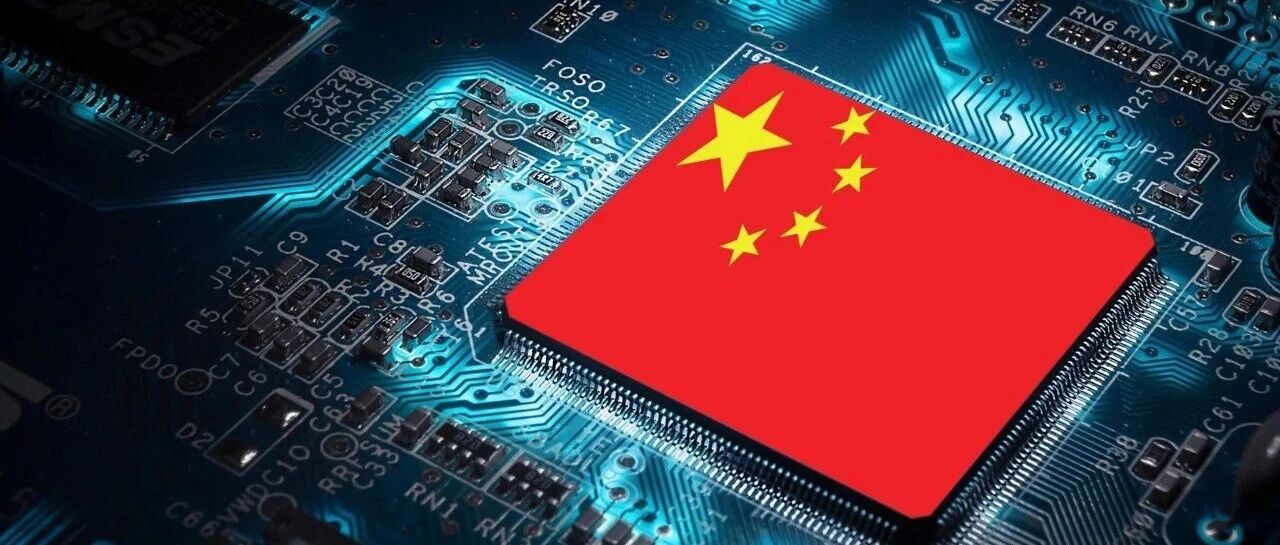
美媒探访内蒙古:中国AI的一张“王牌”,藏在这里
Guan Cha Zhe Wang· 2025-12-11 14:21
Core Viewpoint - China is gaining a significant advantage in the global AI competition due to its vast electricity resources and lower energy costs, which are crucial for powering AI data centers and models [1][4][5]. Group 1: Electricity Supply and Demand - China has the world's largest power grid, with electricity generation growth from 2010 to 2024 exceeding that of all other regions combined [1]. - In 2022, China's electricity generation was more than double that of the United States, with some Chinese data centers paying less than half the electricity costs of their U.S. counterparts [1]. - By 2030, China is projected to invest approximately $560 billion in electricity grid projects, a 45% increase compared to the previous five years [2]. - Morgan Stanley predicts that U.S. data centers may face a power shortfall of 44 gigawatts in the next three years, equivalent to New York State's summer electricity demand [5]. Group 2: Renewable Energy Initiatives - Inner Mongolia is becoming a hub for renewable energy, with thousands of wind turbines and over 100 data centers either operational or under construction [1][11]. - China's "East Data West Computing" initiative aims to utilize the abundant electricity resources in the west to meet the AI demands of the densely populated east [5]. - The country has invested over $50 billion in expanding its electricity grid since 2021, focusing on renewable energy sources like wind, solar, and hydropower [6]. Group 3: Cost Competitiveness - Low electricity costs in China enable AI companies like DeepSeek to develop high-quality AI models at lower prices compared to U.S. competitors [4]. - Data centers in China can secure electricity at rates as low as $0.03 per kilowatt-hour, while U.S. markets often pay between $0.07 and $0.09 [8]. Group 4: Economic Impact - The GDP of Ulanqab in Inner Mongolia has grown by 50% over the past five years, with electricity consumption by data centers and IT services increasing more than sevenfold [13]. - Major tech companies, including Apple, Alibaba, and Huawei, have established data centers in Ulanqab, contributing to local economic growth [13]. Group 5: Challenges in the U.S. - The U.S. faces challenges in modernizing its electricity grid due to complex permitting processes and insufficient transmission capacity, which hinder its position as a global AI leader [8][9]. - Environmental concerns are rising, with over 230 environmental organizations calling for a nationwide pause on new data center constructions due to high energy consumption and water usage [9][10].
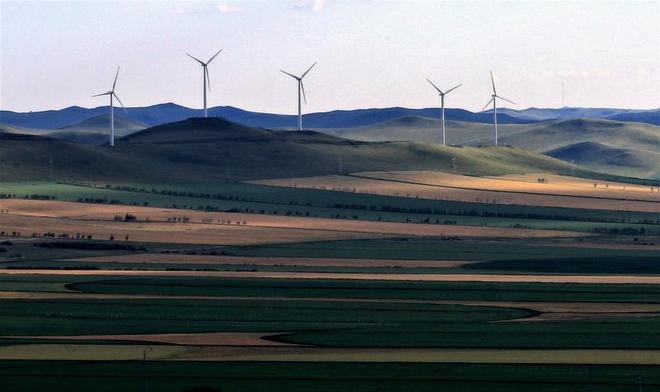
中国的 AI 战略:从全球最大电网获取廉价电力
Sou Hu Cai Jing· 2025-12-11 10:13
Core Insights - The article discusses China's competitive advantage in the global AI race, primarily through its vast electricity resources and infrastructure, which significantly outpace those of the United States [1][2][3]. Group 1: Electricity Production and Infrastructure - China has the world's largest power grid, with electricity production growth from 2010 to 2024 exceeding that of all other regions combined [1]. - In 2022, China's electricity generation was more than double that of the United States [1]. - By 2030, China is expected to invest approximately $560 billion in power grid projects, a 45% increase from the previous five years [1]. - China currently has a power generation capacity of 3.75 terawatts, more than double that of the United States [6]. Group 2: Data Center Development - China's data centers benefit from low electricity costs, with prices as low as 3 cents per kilowatt-hour, compared to 7 to 9 cents in the U.S. [7]. - The "East Data West Computing" initiative aims to utilize the abundant electricity resources in western China to meet the AI-driven demands of the eastern regions [3][8]. - By 2030, China's data centers are projected to consume electricity equivalent to the total consumption of France [3]. Group 3: AI Development and Challenges - The electricity advantage allows Chinese AI companies, such as DeepSeek, to develop high-quality AI models at lower costs than their U.S. counterparts [2]. - The U.S. data centers may face a power shortage of 440 gigawatts in the next three years, posing a significant challenge to the country's AI ambitions [2]. - Chinese companies are attempting to overcome domestic chip performance limitations by bundling multiple chips together, although this requires substantial power [2][11]. Group 4: Government Initiatives and Investments - The Chinese government has invested over $50 billion since 2021 to build the world's largest ultra-high voltage transmission network [5]. - Local governments in regions like Ulanqab are prioritizing the establishment of new data centers to attract investment and create jobs [8][10]. - Ulanqab's GDP has grown by 50% over the past five years, with electricity consumption for data centers and IT services increasing by over 700% [10]. Group 5: Future Prospects and Competition - Analysts predict that the shortage of high-end chips in China will persist for several years, impacting its ability to compete effectively [16][17]. - The ongoing AI competition provides China with opportunities to narrow the gap with the U.S. as it continues to develop its electricity and data center capabilities [18].

“国云”再升级 助推人工智能+加快落地
Zhong Guo Xin Wen Wang· 2025-05-02 13:05
Group 1 - The core viewpoint emphasizes that computing power is the foundation of artificial intelligence (AI) development, with ongoing technological advancements and practical applications driving the deep integration of AI and computing power [1] - China Telecom's chairman highlighted that cloud computing is crucial for AI development, and the company aims to establish Tianyi Cloud as the national cloud, aligning with the national strategy for digital economic development [1] - The "National Cloud" project, promoted by the State-owned Assets Supervision and Administration Commission, aims to build a self-controlled cloud computing infrastructure by integrating resources from state-owned enterprises [1] Group 2 - China Telecom has established major intelligent computing clusters in Shanghai and Beijing, and launched the world's first commercial intelligent computing platform in the Greater Bay Area, achieving significant advancements in both quality and quantity of intelligent computing power [1] - The company has made breakthroughs in key technologies such as distributed cloud operating systems and server operating systems, and has developed a full-stack cloud platform [1] - China Telecom has introduced the first domestically developed trillion-parameter "Xingchen" foundational model system, leading the way in open-sourcing within state-owned enterprises [2] - The demand for computing power is shifting from general computing to intelligent computing, driven by rapid advancements in AI technology and the accelerated deployment of large AI models [2]