国际经济博弈

Search documents
动力电池与稀土不一样
董扬汽车视点· 2026-03-21 10:31
Industry Development Analysis - Rare earths are resource-dominant products with China holding the world's largest reserves and leading in technology, resulting in a low external dependency across the entire supply chain, giving it a significant advantage in international competition [2] - In contrast, the battery industry is manufacturing-dominant, with China having a strong advantage in graphite but over 70% dependency on imports for lithium, cobalt, and nickel, indicating a substantial resource shortfall [2] - The international industrial environment is crucial for the development of China's battery industry, which is expected to exceed a trillion yuan in scale and potentially reach over ten trillion yuan, making it a pillar of the national economy [2] Economic Impact Analysis - The rare earth industry has a short supply chain and low added value, contributing minimally to the national economy [2] - The battery industry has a long supply chain and high added value, with significant growth potential, positioning it as a key driver for China's economic development [2] - If international competition restricts China's battery industry to domestic markets, it could have severe negative impacts on national economic growth [2] International Competition Focus - China has a comprehensive advantage in the rare earth industry, while international trends indicate a desire to reduce dependency on Chinese exports [3] - The battery industry is characterized by competition among China, South Korea, and Japan, with the latter two countries seeking to develop their industries to compete with China, highlighting a different dynamic in international competition [3] International Development Strategy - The battery industry is a high-value manufacturing sector and a pillar for major powers, necessitating the formulation of an international development strategy [4] - There is a tension between the desire to expand internationally and the risks of technology spillover and geopolitical challenges, requiring a comprehensive analysis from development, risk, and competitive perspectives [4]

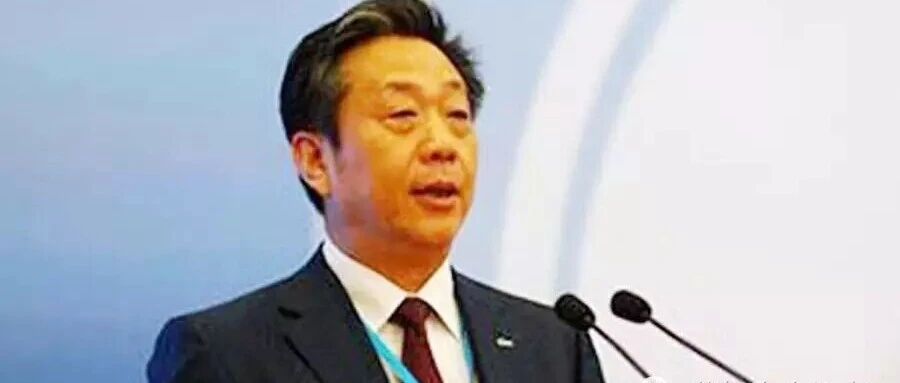
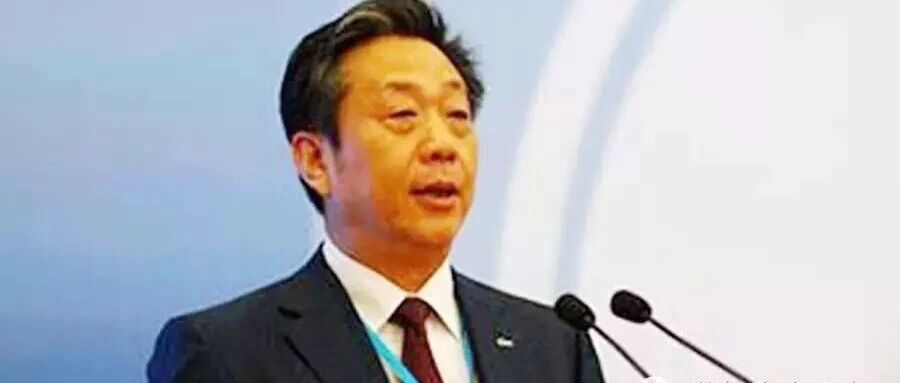
动力电池与稀土不一样
董扬汽车视点· 2026-03-21 10:30
Industry Development Analysis - Rare earths are resource-dominant products with China holding the world's largest reserves and leading in technology, resulting in low external dependency and a strong position in international competition [2] - In contrast, the battery industry is manufacturing-dominant, with China having a significant advantage in graphite but over 70% dependency on external sources for lithium, cobalt, and nickel, indicating a substantial resource shortfall [2] - A favorable international industrial environment is crucial for the development of China's battery industry [2] Economic Impact Analysis - The rare earth industry has a short supply chain and low added value, contributing minimally to the national economy [2] - The battery industry has a long supply chain and high added value, currently exceeding a trillion yuan in scale, with potential future output reaching over ten trillion yuan, positioning it as a pillar industry for China's economic development [2] - If international competition restricts China's battery industry to domestic circulation, it could have significant negative impacts on national economic growth [2] International Competition Focus Analysis - China has comprehensive advantages in the rare earth industry, while international trends indicate a desire to reduce dependency on Chinese exports [3] - The battery industry is characterized by competition among China, South Korea, and Japan, with the latter two not matching China's scale and cost advantages, leading to a desire from the US and Europe to develop alternatives to reduce reliance on China [3] International Development Strategy for Battery Industry - The battery industry is a high-value manufacturing sector and a pillar industry for major powers, necessitating the formulation of an international development strategy [4] - There is a tension between the concerns of the US and Europe and the ambitions of South Korea and Japan, which may lead to technology spillover risks for China [4] - A comprehensive analysis from development, risk, and competitive perspectives is essential for formulating an effective international strategy [4]
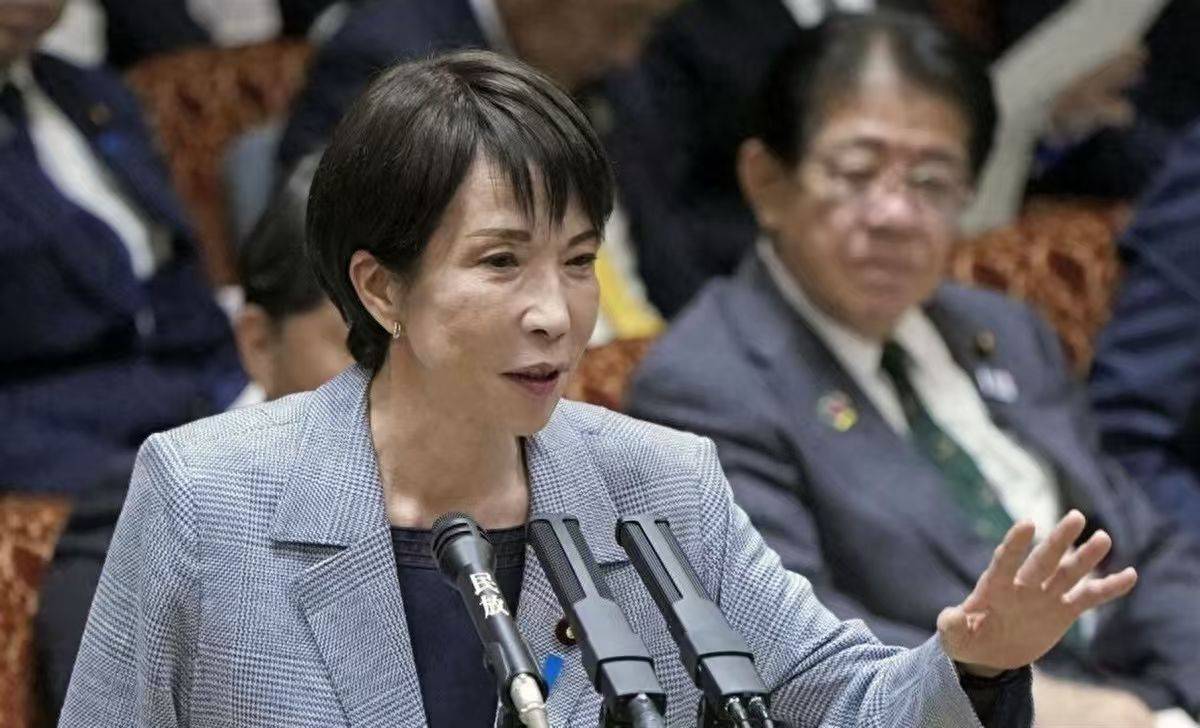
日媒震惊:中企说不卖就不卖了!高市早苗憋出一个大胆的计划
Sou Hu Cai Jing· 2026-01-14 02:10
Core Viewpoint - The article discusses the escalating economic tensions between China and Japan due to China's new export control policies on dual-use items, particularly affecting rare earth sales, which are crucial for Japan's high-tech industries and manufacturing [1][3]. Group 1: Economic Impact - China's export control measures have led to Japanese state-owned enterprises officially notifying a halt to rare earth sales agreements, creating a significant supply crisis for Japan [1][3]. - The loss of rare earth supplies is expected to increase production costs for Japanese companies, leading to potential price hikes for imported goods and rising unemployment pressures [5]. Group 2: Political Repercussions - Japanese Prime Minister Suga Yoshihide faces unprecedented challenges due to the economic uncertainty and public dissatisfaction, with a recent poll showing only 23% support for his cabinet [3][5]. - In response to the crisis, Suga has opted for an early election to reshape public perception and reinforce his image as a strong leader capable of protecting national interests [3][5]. Group 3: Diplomatic Strategies - Suga is attempting to strengthen alliances with South Korea and the United States to increase pressure on China, despite South Korea's reluctance to engage in the dispute [5][7]. - The complexity of Japan-South Korea relations poses risks for Suga's strategy, as pushing for confrontational cooperation may provoke domestic backlash in South Korea [7]. Group 4: Future Outlook - The ongoing geopolitical struggle between China and Japan is expected to intensify, with any miscalculations potentially leading to irreversible consequences for both nations [7].
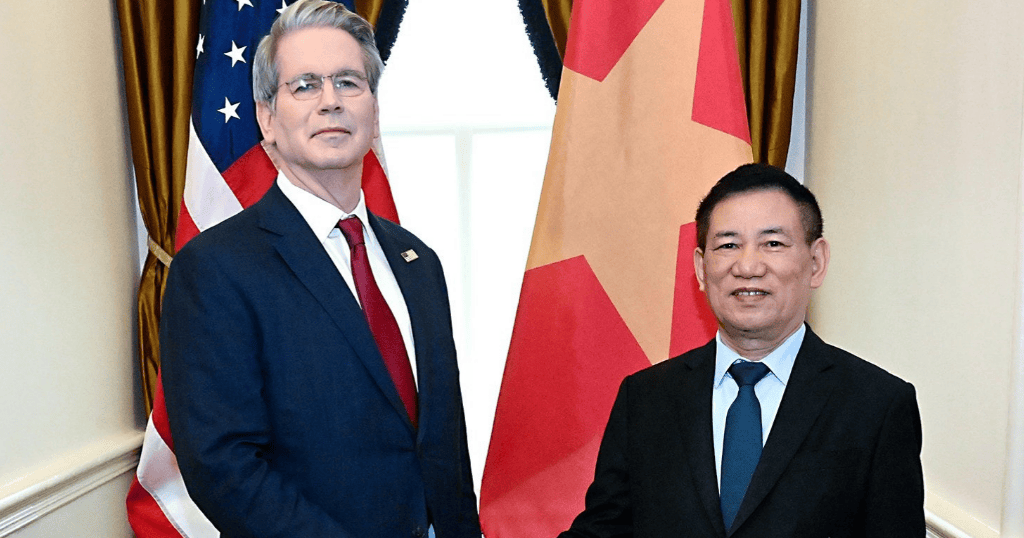
中美吉隆坡磋商之际,越南彻底向美国妥协,发联合声明,让步巨大!
Sou Hu Cai Jing· 2025-10-27 01:43
Group 1 - The core viewpoint of the articles highlights Vietnam's strategic maneuvering in the context of US-China trade negotiations, emphasizing its recent economic agreement with the US that addresses transshipment trade issues involving China and other countries [1][3]. - Vietnam's relationship with the US is rapidly warming, positioning it as a key economic player in Southeast Asia, which raises expectations for its future development [3]. - The US-Vietnam joint statement indicates that specific details of the agreement will be finalized in the coming weeks, with a commitment to dismantle various trade barriers [3][5]. Group 2 - Vietnam's concessions, including the removal of nearly all import tariffs on US goods, reflect a significant dependency on the US as its largest export market, with a trade volume of $123.5 billion [3][5]. - The trade agreement, while labeled "fair" by the US, appears to require Vietnam to open its markets extensively without receiving adequate returns, indicating a high-risk gamble for Vietnam [5]. - Vietnam aims to leverage US economic power to enhance its industrial upgrade and market penetration, seeking a more advantageous position in the global supply chain [5][7]. Group 3 - The evolving dynamics between Vietnam and the US may pose potential threats to China, as Vietnam's cooperation with the US could impact China's exports and alter the economic landscape of Southeast Asia [5]. - China is urged to develop more effective strategies to strengthen economic cooperation and cultural exchanges with Southeast Asian countries to mitigate potential risks from Vietnam's alignment with the US [5][7]. - The future relationships among the US, China, and Vietnam will continue to evolve in a complex international environment, with Vietnam's ability to balance relations with major powers being a focal point [7].
特朗普威胁无效,美日谈崩了,石破茂撂下6字,给美国上了一课
Sou Hu Cai Jing· 2025-05-10 16:11
Group 1 - The core issue of the US-Japan tariff negotiations has resulted in a breakdown, with Japanese Prime Minister Kishida emphasizing that Japan "absolutely cannot accept" the proposed tariffs, particularly on automobiles [3][4][6] - The negotiations have seen two rounds, both of which ended without satisfactory results, highlighting the challenges in reaching an agreement that aligns with both nations' interests [4][6] - Japan's automotive industry is a crucial economic pillar, employing about 8% of the country's workforce, making the stakes of the negotiations particularly high for Japan [7] Group 2 - Japan's government is prepared to leverage its significant holdings of US Treasury bonds as a bargaining chip in the negotiations, indicating a strong stance against US tariff threats [8] - The breakdown of negotiations reflects a broader trend in international economic relations, where countries are increasingly willing to stand firm against perceived unreasonable demands from the US [10]