国际贸易规则重塑

Search documents
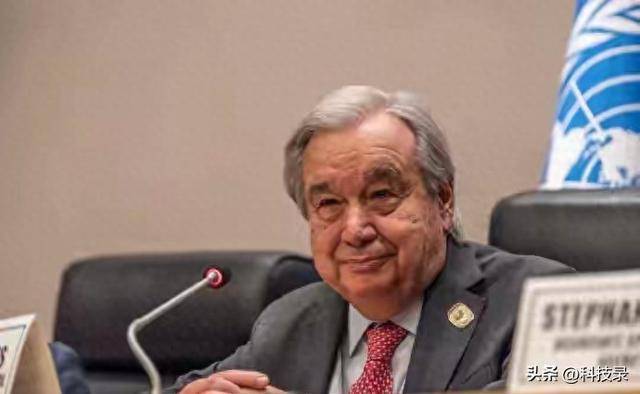
刚刚!联合国秘书长罕见“喊话”西方:请所有发达国家,学中国!
Sou Hu Cai Jing· 2026-02-18 08:17
Core Viewpoint - China will implement a zero-tariff policy on all goods from 53 African countries starting May 1, 2026, which is a significant move beyond mere tax exemptions and reflects a deeper diplomatic recognition of these nations' equal status in international relations [1][5][11] Group 1: Policy Details - The zero-tariff policy applies to all product categories, eliminating previous tariffs such as the 12% tax on Ethiopian coffee beans, thereby reducing costs for African goods entering the Chinese market [3][5] - The policy simplifies import standards, removing the need for certifications often imposed by Western countries, thus making it easier for African producers to access the Chinese market [3][7] Group 2: Trade Dynamics - The trade volume between China and Africa is projected to reach 2.1 trillion yuan in 2024, with China being Africa's largest trading partner for 16 consecutive years [9] - A significant shift is observed in the types of goods exported from Africa to China, with 30% now consisting of industrial products rather than just oil and minerals, indicating an acceleration in Africa's industrial upgrade [9] Group 3: Financial Implications - The People's Bank of Ethiopia has begun trialing RMB settlements, and South Africa's Standard Bank has signed a currency swap agreement with the Industrial and Commercial Bank of China, suggesting a growing role for the RMB in African trade [10] - The zero-tariff policy is seen as a redistribution of market rule-making and access rights, previously dominated by Western nations, now shifting towards African countries [11] Group 4: International Relations - The urgency expressed by UN Secretary-General Guterres highlights the current international trade landscape, where Western nations impose high tariffs on African exports, contrasting sharply with China's approach [7][10] - African nations are actively pursuing free trade agreements with China, with 12 countries reportedly researching such agreements, while U.S. trade with Africa has been declining [10]

特朗普刚对印度掀桌,又动了向中国加税的念头,金砖不怕向美宣战
Sou Hu Cai Jing· 2025-08-13 03:08
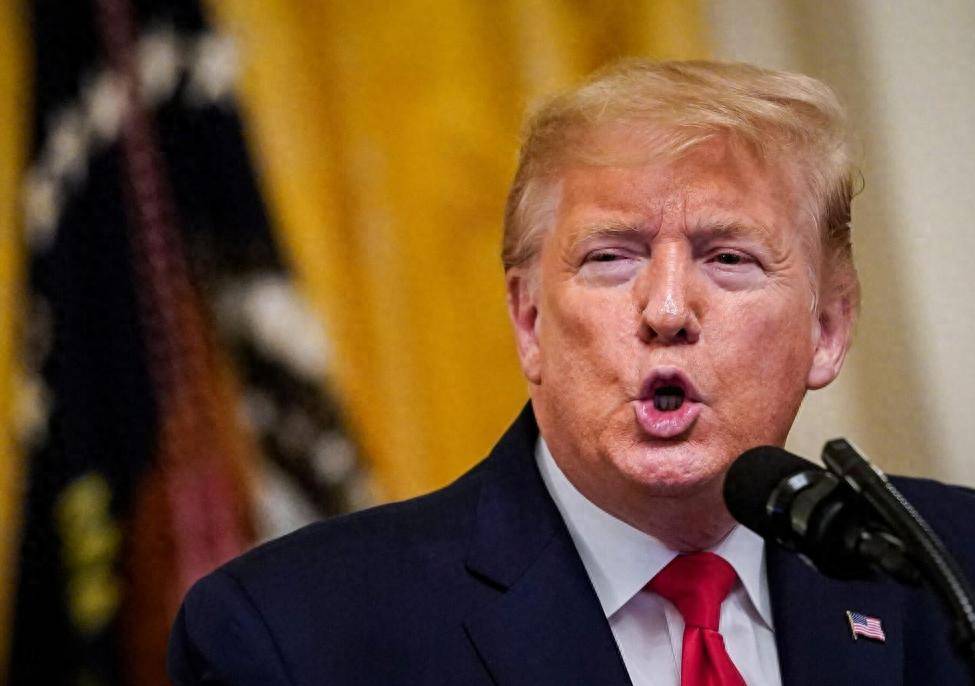
作为最早一批跟美国开启贸易谈判的国家,印度至今未能跟美国达成贸易协议,这让特朗普政府渐渐失去了耐心,决定直接对印度"掀桌"。 就在近日,美国总统特朗普以"印度购买俄罗斯石油"为借口,宣布对印度加征额外关税,以至于印度商品出口到美国,都将背上50%的高额关税。 与此同时,特朗普又宣布可能会对中国加征新关税,以应对"中国购买俄罗斯石油"的情况。 他的原话是这么说的,"现在美国已经对印度实施了额外关税,接下来可能会对其他国家实施,其中一个可能就是中国"。 那么我们又该如何看待特朗普这一动作呢?中印各自又会有怎样的反应呢? 首先,只能说特朗普加税加上瘾了,认为一切问题都可以通过关税解决。俄罗斯迟迟不跟乌克兰达成和平协议?加税!印度拖延跟美国的谈判进程?加税! 中国拒绝接受美国的关税霸凌?还是加税! 特朗普刚对印度掀桌,又动了向中国加税的念头,卢拉一语道破,金砖不怕向美"宣战"! 美国总统特朗普 印度总理莫迪 中俄印巴作为金砖成员国,同样面临着来自美国的关税威胁,这也让金砖国家更加坚定了合作的信念。 巴西总统卢拉就直言,自己要跟中印打电话,讨论金砖国家如何联手应对特朗普的关税施压。 中美关系 总之,特朗普现在用的最趁手 ...
OPEC+或考虑新一轮增产 特朗普关税将如何影响市场
Sou Hu Cai Jing· 2025-08-05 17:01
Group 1 - OPEC and non-OPEC countries agreed to increase oil production by 547,000 barrels per day in September, leading to a decline in international oil prices by over 5% in two days due to concerns over supply-demand balance and tariff threats [1][2] - OPEC+ supplies about 45% of the world's oil and has been increasing production since April to regain market share after pandemic-related cuts, with oil prices rebounding nearly 10% from April's low due to seasonal demand [2] - Analysts are closely monitoring OPEC+'s unused production capacity, with no clear signals yet on whether this capacity will be deployed, despite the potential for further supply increases [2] Group 2 - The U.S. tariffs on imports from various economies, including Canada and India, could impact global economic growth, which is projected to slow from 3.3% last year to 3% by 2025, affecting energy demand [3] - The U.S. non-farm payroll report showed a disappointing increase of 73,000 jobs in July, raising concerns about future economic performance, while crude oil inventories unexpectedly rose by 7.7 million barrels, indicating weaker domestic demand [3] - The potential for secondary tariffs on Russian oil buyers poses a significant risk to supply, with predictions that it could affect 2.75 million barrels per day of Russian maritime oil exports [3][4] Group 3 - India's oil imports from Russia increased to approximately 1.75 million barrels per day in the first half of the year, despite pressure to change policy, with indications that India is seeking to diversify its oil sources [5] - India's largest refiner, IOC, has recently purchased 7 million barrels of oil from the U.S., Canada, and the Middle East, indicating a shift in strategy to replace Russian oil [5]
特朗普新一轮关税大棒开始,美媒:先瞄准东亚的盟友,美国暂时不会关注亚洲大国
Sou Hu Cai Jing· 2025-07-08 02:49
Core Viewpoint - The recent tariff adjustments by the Trump administration reflect a continuation of a hardline trade policy while also indicating a tactical shift towards negotiating under pressure [1][3] Group 1: Tariff Adjustments - The U.S. has issued new tariffs targeting 14 countries, with Japan facing a 24% tariff and South Korea a 25% tariff, breaking the expectation of tariff exemptions for traditional allies [1] - The delay of the "reciprocal" tariff effective date to August 1 provides a 20-day buffer for trade negotiations [1] Group 2: Strategic Considerations - Japan and South Korea were chosen as initial targets due to their significant export volumes to the U.S., which can create immediate market impacts [1] - The strategy aims to send a message to other countries that no one is exempt from U.S. tariffs, enhancing America's psychological advantage in negotiations [1] Group 3: Characteristics of the Tariff Strategy - The tariff strategy includes three main characteristics: breaking the ally boundary by weaponizing trade, setting flexible negotiation periods to force concessions, and applying differentiated tax rates based on each country's economic structure [3] - This approach is described as a "carrot and stick" method, with the potential to reshape global trade dynamics as the August 1 deadline approaches [3]