
城市文化符号

Search documents
视点|798艺术装置成城市文化新符号
Xin Lang Cai Jing· 2026-01-01 02:19
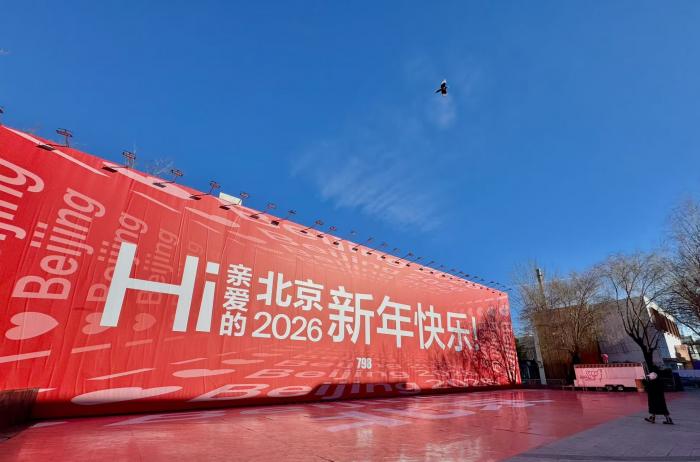
Group 1 - The article highlights the festive atmosphere in Beijing as the city prepares for the New Year, with various themed installations and activities launched across different locations, including the 798 Art District and CBD shopping areas [1][3] - The 798 Art District, known as a cultural and creative landmark in Beijing, features a giant red-themed installation with the message "Hi dear Beijing, Happy New Year 2026!" This installation combines a festive visual with artistic elements, enhancing the celebratory mood while showcasing the district's creative identity [3][1] Group 2 - The giant installation in the 798 Art District serves as a popular photo spot for citizens, contributing to the area's engagement and interaction with the public during the New Year celebrations [1][7]

白兰香飘岭之南(一朵花读懂一座城)
Ren Min Ri Bao· 2025-08-26 22:23
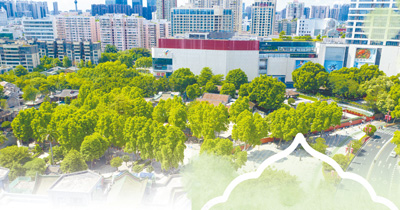
Core Viewpoint - The article highlights the cultural significance and widespread presence of the Michelia alba (white magnolia) in Foshan, emphasizing its role as a symbol of the city's history and identity, as well as its various applications in local culture and economy [13][14][15]. Group 1: Cultural Significance - The total number of Michelia alba trees in Foshan exceeds 20,000, making it an important cultural symbol of the city [14]. - The city officially designated Michelia alba as its municipal flower in 1997, following a public voting process that garnered nearly 100,000 votes, reflecting the residents' affection for the flower [15][16]. - The flower's characteristics, such as its pure fragrance and elegant appearance, resonate with the local population's values of warmth, practicality, and resilience [15][16]. Group 2: Historical Context - The cultivation of Michelia alba in Foshan dates back to the late Qing Dynasty, with notable specimens like a 140-year-old tree in Qinghui Garden [17]. - The city began using Michelia alba for urban greening in the 1950s and promoted its widespread planting in the 1980s, contributing to the city's green landscape [17][18]. Group 3: Economic and Practical Applications - Michelia alba is not only appreciated for its beauty but also for its culinary and medicinal uses, such as in flower tea and traditional Chinese medicine [19]. - The flower's essence has inspired local businesses, including a perfume brand that utilizes advanced extraction techniques to capture its unique fragrance [19][20]. - The design of urban infrastructure, such as streetlights shaped like Michelia alba flowers, reflects the integration of this floral symbol into the city's aesthetic and cultural identity [20].
多国语言在此汇聚成一句“干杯、青岛”
Qi Lu Wan Bao· 2025-07-29 21:31
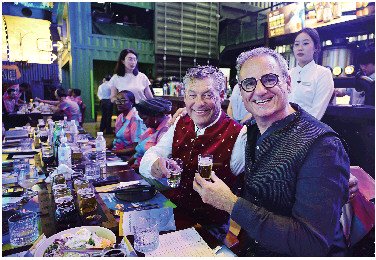
Core Insights - The Qingdao International Beer Festival has evolved from a local celebration into an international cultural symbol over its 35-year history, showcasing the city's identity and fostering global connections [6][8]. Group 1: Festival Evolution - The first Qingdao International Beer Festival took place in June 1991, attracting over 100 breweries and more than 100,000 attendees, marking the beginning of a significant cultural event [3][4]. - By 1994, the establishment of the Qingdao International Beer City solidified the festival's location, with 500,000 attendees and 200 tons of beer sold, indicating rapid growth [4]. - The festival has expanded its duration from 24 days to one month in 2025, featuring over 2,300 beer varieties, the highest in its history [4][6]. Group 2: Economic Impact - The 34th festival attracted 6.36 million visitors, with beer consumption reaching over 2,800 tons and generating significant economic activity, including 500 cultural events and 1,807 competitions [6][7]. - The festival's activities have driven local tourism and consumption, with the West Coast venue and Laoshan venue contributing to a total revenue of 350 million yuan for surrounding businesses [6][7]. Group 3: International Engagement - The festival serves as a bridge for international exchange, with increasing numbers of foreign tourists, particularly from South Korea, drawn to the event [8][9]. - Various international activities and collaborations are being introduced, including the "Beer Festival Theme Cross-Border Travel" initiative, aimed at creating a tourism ecosystem that promotes cultural exchange [9].
“苏超”何以踢火城市消费
Xin Hua Ri Bao· 2025-06-26 23:37
Core Insights - The "Su Super" league has transformed into a nationwide football event, attracting over 36,712 spectators and generating significant economic benefits for surrounding businesses, with hotel occupancy rates increasing by 20%-30% and restaurant and retail spending rising by 15%-25% [1] Group 1: Event Impact - The event has created a "national football party," enhancing fan engagement and driving new consumption growth through the "football+" model [1] - The league's success is attributed to its deep-rooted sense of honor in participating cities, fostering a strong connection between local culture and football [2][3] - The league has effectively integrated various sectors, including tourism and commerce, leading to a notable increase in local consumption [7][8] Group 2: Innovation and Strategy - "Su Super" distinguishes itself by balancing professional competition with community involvement, aiming to create a platform that is both high-quality and accessible [3] - The collaboration between government and professional operators has been crucial, providing credibility and operational efficiency to the league [2] Group 3: Service and Experience - The league has received positive feedback for its comprehensive event services, including transportation, safety measures, and fan engagement strategies [4] - Upgrades to venues, such as the Kunshan Sports Center, enhance the spectator experience with improved sightlines and amenities [5] Group 4: Economic Ripple Effects - The league has stimulated a consumption chain, with ticket sales leading to increased spending in accommodation, dining, and tourism [7] - Local promotions, such as discounted tickets and special offers, have significantly boosted hotel bookings and local attractions [8] - The average length of stay for fans has increased from 1.2 days to 2.5 days, indicating a growing trend in tourism linked to the league [8]