外交冲突

Search documents
摩擦升级!无视外交部门召见,美大使被法国强硬反制
Huan Qiu Shi Bao· 2026-02-25 22:49
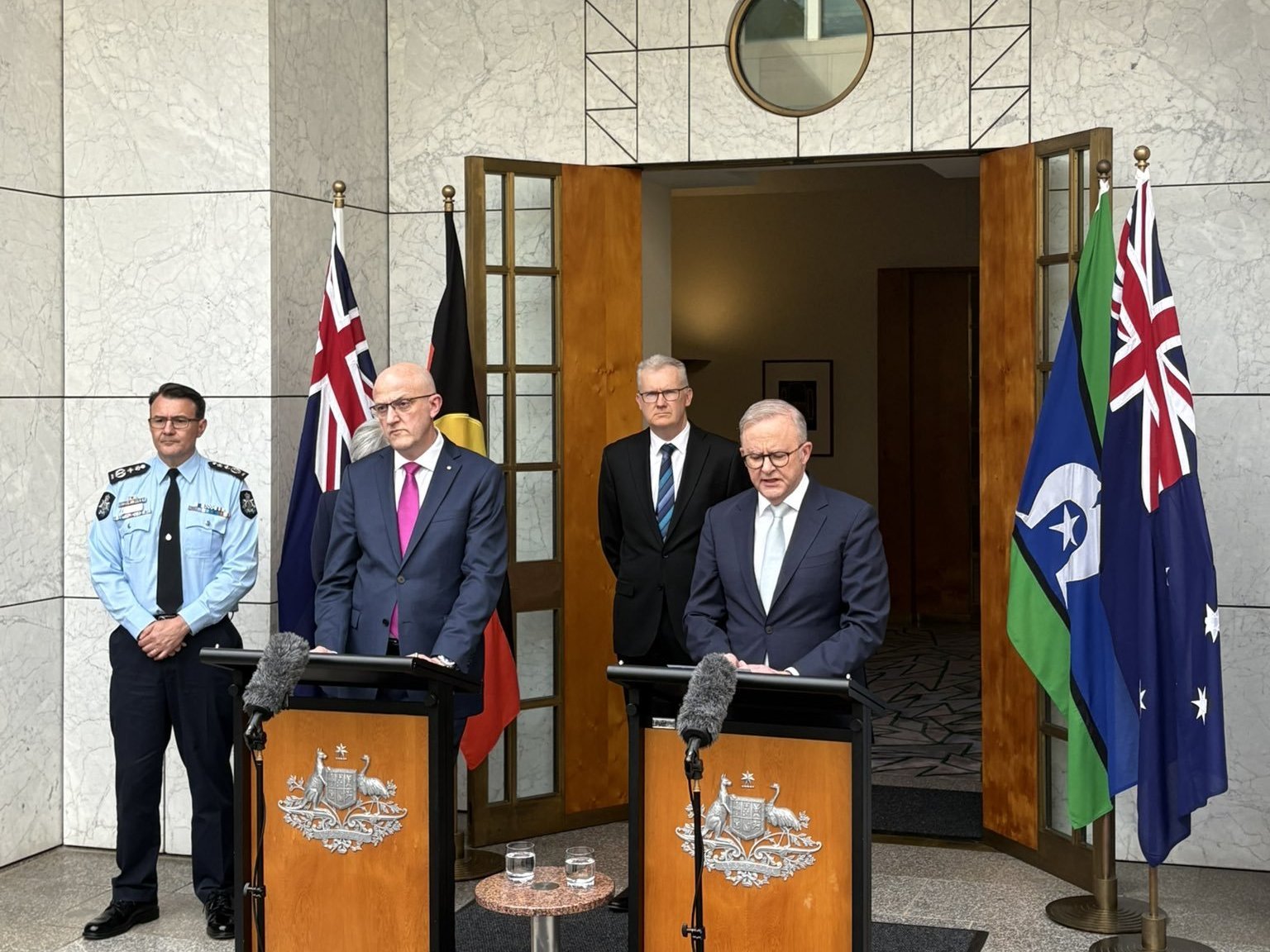
Group 1 - The core issue of the diplomatic friction between France and the United States stems from the murder of far-right activist Drouin, which has heightened political tensions in France [3] - The U.S. State Department's statement regarding the incident was perceived by the French government as political manipulation and interference in domestic affairs, leading to a strong backlash [3][4] - U.S. Ambassador to France, Charles Kushner, failed to attend a summons from the French Foreign Ministry, which further escalated tensions and resulted in restrictions on his interactions with French government officials [4] Group 2 - The French government has taken measures to assert its sovereignty by limiting Kushner's direct contact with high-level officials until a satisfactory explanation is provided [4] - This incident is not the first conflict involving Kushner and the French government, as he previously faced similar diplomatic issues in 2025 [4] - Kushner's background as a real estate developer and his controversial past, including a prison sentence and subsequent pardon, have contributed to the scrutiny surrounding his role as U.S. Ambassador to France [4]

特朗普施压后,英国突然叫停
Xin Lang Cai Jing· 2026-01-24 16:30
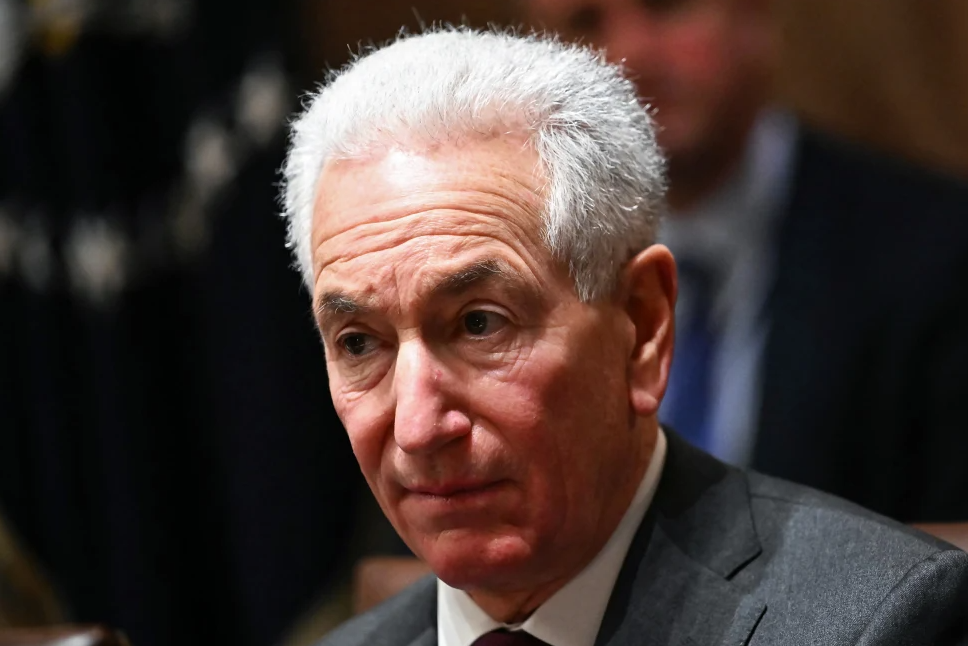
Core Viewpoint - The UK government, under Prime Minister Starmer, has halted the legislative process to transfer sovereignty of the Chagos Islands to Mauritius due to strong opposition from the United States, particularly from President Trump, who labeled the agreement as "extremely foolish" [1]. Group 1: Legislative Actions - The bill to transfer sovereignty was scheduled for debate in the House of Lords on January 26 but was temporarily withdrawn on January 23 following warnings from the Conservative Party about potential violations of a 60-year-old treaty between the UK and the US [1]. - The treaty in question affirms UK sovereignty over the Chagos Islands and ensures mutual defense usage rights for both nations [1]. Group 2: Diplomatic Relations - The relationship between Starmer and Trump has reportedly deteriorated sharply, with Starmer criticizing Trump's attempts to control Greenland and emphasizing the importance of mutual respect in alliances [1]. - Tensions escalated further on January 23, with Trump accusing NATO allies of not supporting the US during the Afghanistan war, to which Starmer demanded an apology for Trump's "offensive" remarks [1]. Group 3: Legal Considerations - UK Foreign Office insiders are urgently assessing the legal implications of the 1966 treaty, questioning whether it still holds legal weight and if new legislation can supersede it [1]. - Analysts suggest that the outcome of this situation largely depends on Trump's true stance on the Chagos Islands agreement, whether it is a genuine opposition or a strategic pressure tactic [1].
美国正调遣重兵前往伊朗,伊朗军方警告:“随时准备扣动扳机”
Huan Qiu Shi Bao· 2026-01-23 22:44
Group 1 - The U.S. is deploying a significant military presence towards Iran, with President Trump stating that a large fleet is heading in that direction as a precaution, although he does not wish to engage militarily [1] - The U.S. plans to impose a 25% tariff on all countries trading with Iran, which will take effect soon [1] - Iran's military is on high alert, with the commander of the Islamic Revolutionary Guard Corps warning against strategic miscalculations by the U.S. and Israel, indicating readiness to act on orders from the Supreme Leader [1] Group 2 - Iran's Foreign Minister expressed a preference for peace over war, but warned that a complete diplomatic failure is imminent, and any attack on Iran would lead to a fierce retaliation [2] - The Iranian government claims that the U.S. and Israel have shifted their strategy from military aggression to undermining Iran's social cohesion, resulting in significant damage to public infrastructure and a reported death toll of 3,117 during recent unrest [2]
委内瑞拉代总统:若前往华盛顿,将昂首挺胸,绝不屈膝而行
Xin Jing Bao· 2026-01-16 09:33
Core Viewpoint - The interim president of Venezuela, Rodriguez, expressed that the Venezuelan government is "not afraid" of diplomatic conflicts with the United States, emphasizing a willingness to confront the U.S. through political dialogue and diplomacy [1] Group 1: Political Developments - On January 3, the U.S. launched a large-scale military strike against Venezuela, forcibly taking control of Maduro and his wife and bringing them to the U.S. [1] - Rodriguez, who was the Vice President at the time, was sworn in as the interim president of Venezuela on January 5 [1] - On January 14, Rodriguez stated that she had a "productive dialogue" with U.S. President Trump [1]
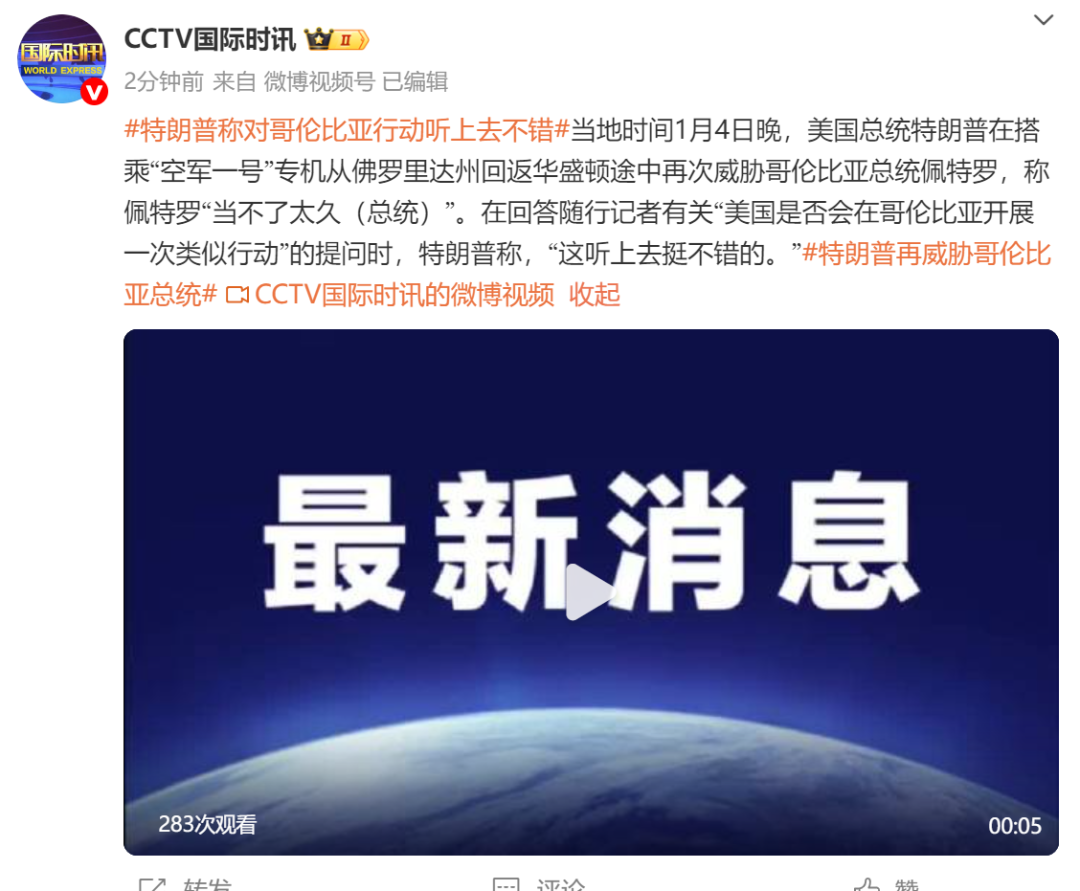
特朗普又威胁哥伦比亚总统佩特罗:他当不了太久总统,对哥伦比亚发动行动“听起来不错”!佩特罗计划今年继续对特朗普采取强硬立场
Mei Ri Jing Ji Xin Wen· 2026-01-05 03:35
Group 1 - The article discusses threats made by U.S. President Trump against Colombian President Petro, suggesting that Petro may not remain in power for long and hinting at potential U.S. actions against Colombia [1][3] - Trump has publicly labeled Petro as a "drug lord" and has threatened severe actions against him and Colombia, stating that all aid to Colombia has been cut off [3] - In response to Trump's threats, Colombia's Defense Minister has increased security measures for President Petro [5] Group 2 - President Petro has challenged the U.S. by revealing the geographical location of a bombing incident in the Pacific Ocean, claiming it resulted in three deaths and that survivors jumped into the sea [5][7] - Colombia's government has called for an emergency meeting of the United Nations Security Council and proposed a special meeting of the Organization of American States to address regional stability issues due to the situation in Venezuela [7] - The Colombian government has initiated a yellow alert for its medical system along the border with Venezuela and deployed 30,000 soldiers in response to escalating tensions [7]
美媒:美方仍在追截第三艘涉委内瑞拉油轮
Xin Hua She· 2025-12-22 00:47
Core Viewpoint - The U.S. Coast Guard is actively intercepting oil tankers near Venezuela, with the latest being the "Bella 1" tanker, marking the third interception in less than two weeks as part of efforts to pressure the Venezuelan government [1][2]. Group 1: U.S. Actions - The U.S. Coast Guard attempted to board the "Bella 1" tanker, which continued to sail, prompting a chase [1]. - The "Bella 1" is flagged under Panama and was intercepted while en route to Venezuela for cargo loading [1]. - The U.S. has previously sanctioned the "Bella 1" for transporting Iranian oil and has a court order for its seizure [1]. - The Coast Guard also intercepted the "Century" supertanker, which was carrying oil from a sanctioned Venezuelan oil company, despite not being on the U.S. sanctions list [1]. - On December 10, the U.S. seized the "Captain" tanker and announced the confiscation of its oil cargo [1]. - President Trump ordered a "complete and total blockade" on all tankers entering or leaving Venezuela that are subject to U.S. sanctions [1]. Group 2: Venezuelan Oil Industry - Numerous oil tankers listed under U.S. sanctions are currently anchored near Venezuelan waters, indicating a significant impact on the oil export sector [2]. - Oil exports are a crucial economic pillar for Venezuela, and the government has accused the U.S. of attempting to instigate a regime change and military expansion in Latin America [2]. - The U.S. has deployed substantial naval and aerial forces in the Caribbean under the pretext of combating "drug terrorism," leading to the sinking of approximately 30 vessels labeled as "drug boats" and resulting in over a hundred deaths [2]. - The U.S. interception of oil tankers has further escalated tensions between the U.S. and Venezuela [2].
毛宁表示,中方不见高市,钝刀子割肉开始,日本股票应声暴跌
Sou Hu Cai Jing· 2025-11-18 23:15
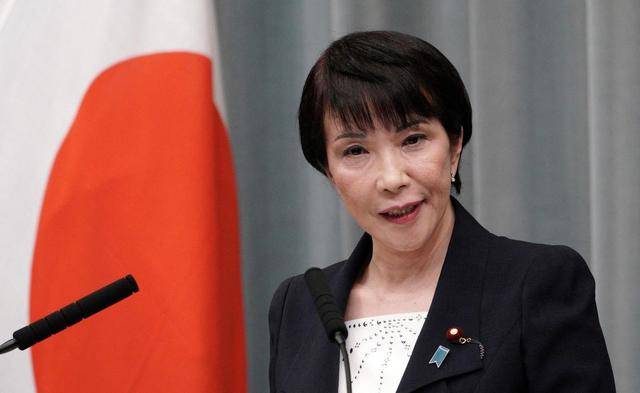
Group 1 - A sudden diplomatic storm in November marked a critical turning point in China-Japan relations, triggered by Japanese Prime Minister Kishi Nobuo's hardline remarks regarding Taiwan, which provoked strong discontent from China [1][3][5] - Kishi's comments about potential Japanese Self-Defense Force intervention in the event of a Taiwan conflict were seen as a direct provocation, crossing China's core interest boundaries [3][5][7] - China's response was clear, with Foreign Ministry spokesperson Mao Ning stating there were no arrangements for a meeting with the Japanese Prime Minister during the G20 summit, indicating a firm stance on sovereignty issues [5][7][15] Group 2 - The Japanese market reacted swiftly, with significant declines in tourism, retail, and airline sectors, reflecting the market's anticipation of the diplomatic fallout [3][11][19] - On November 18, the Nikkei 225 index dropped over 1000 points, signaling a shift in market sentiment as investors recognized the long-term implications of reduced Chinese tourism and spending [11][19][24] - China's approach to exerting pressure was subtle yet effective, issuing safety warnings for travel and study in Japan, which could have lasting impacts on Japan's economy heavily reliant on Chinese consumers [9][11][19] Group 3 - Kishi aimed to project an image of a "security decision-maker" but risked damaging Japan's international credibility if her statements were not retracted [9][15][17] - The Japanese government faces a dilemma, balancing the need to support Kishi's statements while managing the economic and diplomatic repercussions of a frozen relationship with China [7][15][19] - The situation highlights a lack of unified strategic direction within the Japanese political landscape regarding China, leading to potential diplomatic miscalculations [15][17][21] Group 4 - The incident serves as a warning to other nations about the potential consequences of verbal provocations that touch on core national interests, as China's response indicates a firm unwillingness to compromise [21][23] - Japan now faces a critical decision: to continue supporting Kishi's stance or to reassess its policy logic in light of the market's reaction and diplomatic fallout [23][24]
最新!以色列与西班牙爆发激烈外交冲突
中国基金报· 2025-09-13 15:54
Core Viewpoint - The diplomatic tensions between Spain and Israel have escalated, with Spain's government taking a firm stance against Israel's actions in Gaza, leading to reciprocal diplomatic actions and accusations from both sides [1][2][4]. Group 1: Diplomatic Actions - Spain summoned the Israeli chargé d'affaires in Madrid to formally protest against the statements made by the Israeli Prime Minister's office, which accused the Spanish Prime Minister of threatening Israel [1]. - Following the Spanish Prime Minister's announcement of measures to pressure Israel to end the Gaza conflict, both countries engaged in a series of diplomatic actions, including the summoning of ambassadors [2]. - Israel's Prime Minister Netanyahu accused the Spanish Prime Minister of making "openly genocidal threats," which was a direct response to Spain's announced measures [2]. Group 2: Measures Announced by Spain - The measures announced by Spain include a ban on the sale or purchase of weapons, ammunition, and military equipment to and from Israel, as well as a prohibition on transporting fuel to Israel through Spanish ports [2]. - Spain's government has been vocal in its criticism of Israel's actions in Gaza, with the second deputy prime minister defending the government's position and labeling Netanyahu as a "war criminal" [4][5]. Group 3: Government's Stance - The Spanish government has expressed a strong commitment to countering what it perceives as Netanyahu's aggressive rhetoric and actions, emphasizing its responsibility to respond appropriately [6]. - The second deputy prime minister stated that the Spanish government will maintain a firm stance against Netanyahu's actions, which are viewed as violations of international law and human rights [5][6].
最新!以色列与西班牙爆发激烈外交冲突
Huan Qiu Shi Bao· 2025-09-13 12:40
Core Points - The article discusses the escalating diplomatic tensions between Spain and Israel, particularly in the context of the ongoing conflict in Gaza [1][2] - Spain has taken a firm stance against Israel's actions in Gaza, including measures to restrict arms sales and military equipment [1] - The Israeli Prime Minister's office has accused the Spanish Prime Minister of making threats, leading to reciprocal diplomatic actions [1][2] Group 1 - Spain summoned the Israeli chargé d'affaires to formally protest against statements made by the Israeli Prime Minister's office, which were labeled as false and defamatory [1] - The Spanish government announced measures to pressure Israel, including a ban on the sale and purchase of weapons and military equipment [1] - Diplomatic actions have escalated, with both countries banning ministers from entering each other's territories [1] Group 2 - Spanish Second Deputy Prime Minister Yolanda Díaz defended the government's position, labeling Israeli Prime Minister Netanyahu as a "war criminal" [2] - Díaz criticized Netanyahu's statements as "bluster" and accused him of committing genocide and violating international law [2] - The Spanish government has committed to a strong response against what it perceives as Netanyahu's aggressive actions and rhetoric [2]
二战以来首次,澳大利亚驱逐伊朗大使
Yang Shi Xin Wen· 2025-08-26 04:50
Core Points - Australian Prime Minister Albanese announced the expulsion of the Iranian ambassador to Australia and the suspension of the Australian embassy in Iran [2] - The Australian government plans to legislate the Iranian Islamic Revolutionary Guard Corps as a "terrorist organization" [2] - Albanese stated that the Iranian government has allegedly directed at least two anti-Semitic attacks in Australia [2] Summary by Categories Diplomatic Actions - The Iranian ambassador Ahmad Sadqi and three other officials have been declared "persona non grata" and must leave Australia within seven days [2] - This marks the first expulsion of a foreign ambassador by Australia since World War II [2] - The Australian embassy in Iran has been suspended, with personnel currently relocated to a third country [2] Travel Advisories - Australian Foreign Minister Penny Wong urged Australians not to travel to Iran and advised those currently in Iran to leave immediately [2] Iranian Response - There has been no response from the Iranian government regarding these actions as of the report [2]