
安理会改革

Search documents
特朗普遭背刺,向全球宣布一件与中国有关的大事,中方一句话怼回去
Sou Hu Cai Jing· 2026-02-23 01:51
Core Viewpoint - The U.S. Supreme Court ruled that the Trump administration's imposition of global tariffs under the International Emergency Economic Powers Act exceeded presidential authority, impacting Trump's trade agenda significantly [1][3]. Group 1: Supreme Court Ruling and Immediate Reactions - The Supreme Court's decision was a 6-3 vote, declaring the tariffs imposed by Trump as illegal, which could amount to over $175 billion [1][4]. - Following the ruling, Wall Street traders reacted positively, leading to a rise in stock market indices [3]. - Trump announced plans to impose a 10% "global baseline tariff" on all imported goods, effective February 24, using an alternative legal framework under the Trade Act of 1974 [3][4]. Group 2: Economic Implications and Legal Battles - Thousands of U.S. import businesses that have paid these tariffs are preparing to sue for refunds, potentially leading to a lengthy legal battle over tax refunds that could last five years [4]. - The Trump administration's actions reflect a complex economic situation, balancing potential revenue loss from tariffs against the needs of domestic manufacturing that relies on tariff protections [4]. Group 3: International Relations and Trade Dynamics - Trump is scheduled to visit China from March 31 to April 2, marking his first visit since 2017, with a focus on securing agricultural purchases from China [6]. - The upcoming visit coincides with the expiration of a trade truce, indicating a need for both nations to redefine their economic relationship [6]. - China's response emphasizes mutual respect and the importance of fulfilling agreements made by both nations, highlighting the ongoing complexities in U.S.-China relations [7].

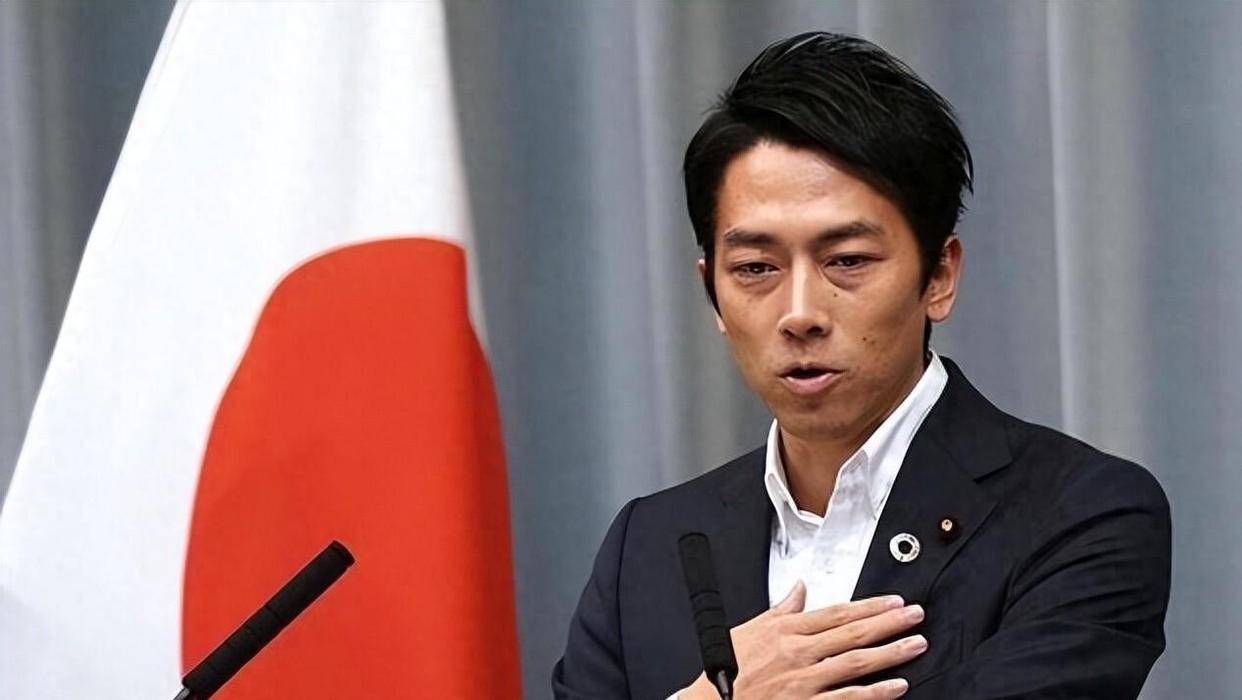
中国代表:安理会改革不能只让极少数国家从中受益
Xin Hua She· 2026-02-21 06:21
Core Viewpoint - The reform of the UN Security Council should not benefit only a few powerful countries, and it is essential to ensure broader representation and participation from developing nations and regions [1][2] Group 1: Reform Necessity - The UN Security Council has not changed significantly in over 80 years, with 59 member countries never having entered the Council [2] - There is a need for correct reform methods to enhance the representation and voice of developing countries, particularly addressing historical injustices faced by Africa [2] - The reform should reflect the multipolar trend and the rise of the Global South, ensuring that decisions are more democratic and efficient [1] Group 2: Regional Representation - Countries participating in the Security Council should represent regional interests and gain broad recognition from their respective regions [1] - There is an openness to the idea of fixed regional seats and rotating positions, which reflects the latest thoughts among member states [1] - The emphasis is on correcting historical imbalances and prioritizing the demands of African nations in the reform process [2] Group 3: Security Council Responsibilities - The Security Council must take on the primary responsibility of maintaining international peace and security amidst complex global challenges [2] - A strategic and long-term perspective is necessary for planning reforms, rather than focusing solely on the current world order [2] Group 4: Criticism of Japan - Japan's refusal to reflect on its historical aggression and its interference in other countries' sovereignty poses new threats to regional peace and stability [2] - Such a country lacks the qualifications to demand a permanent seat on the Security Council [2]
中方重申:日本根本没资格
Xin Lang Cai Jing· 2026-02-21 03:52
Core Viewpoint - The article discusses the ongoing intergovernmental negotiations at the UN General Assembly regarding the fair distribution of Security Council seats and the increase in membership, highlighting China's stance against Japan's bid for permanent membership due to its historical actions [1] Group 1: China's Position on Security Council Reform - China's permanent representative to the UN, Ambassador Fu Cong, emphasized that Japan's refusal to reflect on its historical aggression disqualifies it from seeking a permanent seat on the Security Council [1] - Fu Cong articulated three key points regarding Security Council reform: it should not become a "club" for major powers and wealthy nations, and reforms should benefit a broader range of countries rather than a select few [1] - He stressed the importance of enhancing the representation and voice of developing countries, advocating for the inclusion of more independent foreign policy nations, particularly addressing historical injustices faced by Africa [1] Group 2: Strategic Vision for Reform - The reform of the Security Council should not be limited to the current global landscape but should be planned with a strategic and long-term perspective [1]
中国代表:日本拒不反省侵略历史罪行,根本没资格要求入常
Xin Lang Cai Jing· 2026-02-21 02:50
Group 1 - The core viewpoint is that China asserts Japan does not qualify to demand a permanent seat on the UN Security Council due to its refusal to reflect on historical aggression and its interference in other countries' sovereignty, which poses new threats to regional peace and stability [1] Group 2 - Ambassador Fu Cong emphasized three points regarding Security Council reform: it should not become a "club" for major powers and wealthy countries, and reforms should not only benefit a few nations [2] - There is a need to enhance the representation and voice of developing countries, allowing more independent foreign policy nations, especially addressing historical injustices faced by Africa with priority arrangements [2] - The reform should not be limited to the current global landscape but should be planned with a strategic vision and long-term perspective [2]
中国代表重申:日本没资格要求“入常”
Yang Shi Xin Wen· 2026-02-21 01:49
Core Viewpoint - The article discusses the intergovernmental negotiations held by the UN General Assembly regarding the fair distribution of Security Council seats and the increase in membership, emphasizing China's stance against Japan's historical actions and advocating for reforms that enhance representation for developing countries [1] Group 1: Security Council Reform - The Security Council should not become a "club" for major powers and wealthy nations, and reforms should not only benefit a select few countries [1] - There is a need to enhance the representation and voice of developing countries, allowing more independent foreign policy nations, particularly from Africa, to enter the Security Council [1] - The reform should not be limited to the current global landscape but should be planned with a strategic and long-term perspective [1]
傅聪重申:日本这样的国家根本没有资格要求入常
Xin Jing Bao· 2026-02-21 01:02
Group 1 - The core viewpoint emphasizes that Japan's refusal to reflect on its historical aggression disqualifies it from seeking a permanent seat on the UN Security Council [1] - The intergovernmental negotiations at the UN General Assembly on February 20 focused on the fair distribution of Security Council seats and increasing its membership [1] Group 2 - Ambassador Fu Cong highlighted three key points regarding Security Council reform: it should not become a "club" for major powers and wealthy nations, ensuring that reforms benefit a broader range of countries [2] - There is a need to enhance the representation and voice of developing countries, allowing more independent middle and small nations into the Security Council, particularly addressing historical injustices faced by Africa [2] - The reform should not be limited to the current global landscape but should be planned with a strategic and long-term perspective [2]
古特雷斯:全球问题无法通过美国“发号施令”解决,多边主义正遭到攻击
Huan Qiu Shi Bao· 2026-01-30 22:38
Core Viewpoint - The UN Secretary-General António Guterres emphasized that global issues cannot be resolved by a single superpower, specifically referring to the United States, and warned that international law and cooperation are under threat, with multilateralism being attacked [1] Group 1: UN's Role and Challenges - Guterres stated that the fundamental responsibility for maintaining international peace and security lies with the UN and the Security Council, highlighting the importance of reforming the Security Council [1] - He pointed out that some countries that criticize the UN for its inefficacy are the same ones opposing the reform of the Security Council, which contributes to the UN's inefficiency [1] Group 2: Financial Crisis and Reforms - The UN is facing a financial crisis due to significant cuts in voluntary contributions from its largest donor, the United States, which has also refused to pay mandatory assessments for the UN's regular and peacekeeping budgets [1] - In response to these challenges, Guterres established a reform task force in March of the previous year aimed at reducing costs and improving efficiency [1] - This year marks the tenth and final year of Guterres' tenure as UN Secretary-General, with the Security Council set to elect his successor later this year [1]
中方重申:日本根本没资格要求“入常”!
中国基金报· 2026-01-22 05:37
Core Viewpoint - Japan is deemed unqualified to assume the responsibilities of maintaining international peace and security, and thus lacks credibility in the international community, particularly regarding its bid for a permanent seat on the UN Security Council [2][3]. Group 1: Historical Context and Current Stance - The UN Security Council is highlighted as the core of the international collective security mechanism, essential for upholding post-war international order and peace [2]. - Japan's militarism has not been fully addressed, with right-wing forces in Japan attempting to glorify its invasion history and deny historical atrocities such as the Nanjing Massacre and the forced conscription of "comfort women" [2]. - Japanese leaders have shown tendencies towards militarism, including visits to the Yasukuni Shrine and advocating for nuclear armament, which pose new threats to regional and global peace [2]. Group 2: China's Position and Support for Reform - China, as a permanent member of the Security Council, expresses its commitment to safeguarding the outcomes of World War II and the post-war international order, advocating for constructive roles in maintaining international peace [3]. - China supports necessary and reasonable reforms of the Security Council to enhance its authority and efficiency, emphasizing the importance of increasing representation and voice for developing countries [3]. - The reform of the Security Council is framed as a critical issue that should be addressed through a comprehensive approach, with a focus on new reform ideas [3].
中方重申:日本根本没资格要求“入常”!
中国能源报· 2026-01-22 03:16
Core Viewpoint - The article emphasizes that Japan lacks the qualifications to become a permanent member of the UN Security Council due to its failure to acknowledge historical war crimes and its militaristic tendencies, which pose threats to international peace and security [1][2]. Group 1: Japan's Historical Accountability - Japan has not fully reckoned with its militaristic past, as evidenced by its attempts to beautify its invasion history and deny atrocities such as the Nanjing Massacre and the forced recruitment of "comfort women" [1]. - Current Japanese leaders have shown support for militarism by visiting the Yasukuni Shrine, which honors war criminals, and making provocative statements regarding Taiwan and nuclear armament [1][2]. Group 2: China's Position and Advocacy - China, as a permanent member of the Security Council, expresses its commitment to uphold the outcomes of World War II and the post-war international order, advocating for collective efforts with peace-loving nations [2]. - The article highlights China's support for necessary reforms in the Security Council to enhance the representation and voice of developing countries, emphasizing that reforms should address fundamental issues through a comprehensive approach [2].

中方重申日本根本没有资格入常
Xin Lang Cai Jing· 2026-01-22 00:44
Core Viewpoint - China asserts that Japan lacks the qualifications to become a permanent member of the UN Security Council due to its failure to acknowledge historical crimes and its militaristic tendencies [1] Group 1: Japan's Historical Accountability - Japan has not fully addressed its militaristic past, with right-wing forces attempting to glorify its invasion history and deny atrocities such as the Nanjing Massacre and the forced recruitment of "comfort women" [1] - The Tokyo Trials served as a significant reminder of international justice, yet Japan's militarism has resurfaced, posing a threat to regional and global peace [1] Group 2: Japan's Current Political Actions - Recent statements from Japanese leaders, including Prime Minister Sanae Takaichi's comments on Taiwan and nuclear armament, indicate a push towards re-militarization and a revival of militaristic ideologies [1] - The modification of Japan's security policies, including the "three non-nuclear principles," reflects a dangerous shift in Japan's military posture, raising concerns about its implications for international security [1]