
年味儿

Search documents
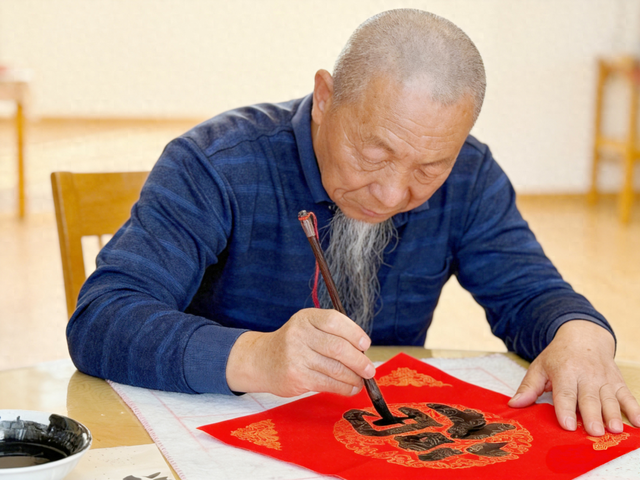
新春走基层丨墨润新春,他把村民心愿写进春联
Xin Lang Cai Jing· 2026-02-21 05:57
Core Viewpoint - The article highlights the cultural significance of traditional practices during the Chinese New Year, particularly focusing on the custom of writing and sharing Spring Festival couplets, which fosters community spirit and personal connections among villagers [1][3]. Group 1: Cultural Practices - The essence of the New Year is captured in various traditional elements such as colorful lanterns, family reunions, and auspicious Spring Festival couplets [1]. - The act of writing Spring Festival couplets is described as a cherished tradition, with villagers expressing their wishes and hopes for the new year through these writings [3][10]. Group 2: Community Engagement - Villagers are actively participating in selecting and customizing Spring Festival couplets, preferring hand-written versions for their personal touch and meaningful symbolism [5][10]. - The involvement of children in learning to write couplets under the guidance of a local elder, 解长生, emphasizes the transmission of cultural practices to younger generations, creating a sense of warmth and community [7][8]. Group 3: Personal Stories - 解长生, a retired individual, began writing couplets as a hobby around 2000 and has since turned it into a community service, writing nearly a hundred couplets for the current New Year [13]. - His motivation stems from a desire to blend personal wishes with traditional art, enhancing the festive atmosphere and fostering connections among neighbors [10][13].

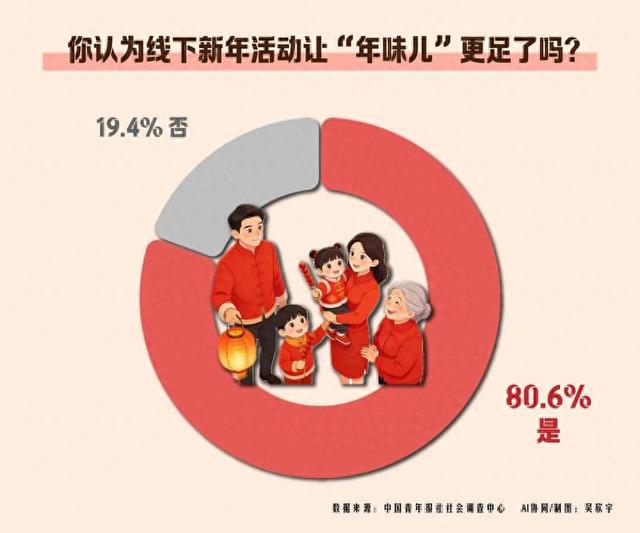
超八成受访者认为线下新年活动让年味儿更足
Xin Lang Cai Jing· 2026-02-20 08:19
Core Insights - Young people are increasingly seeking offline activities for the New Year, moving away from online practices like red envelope exchanges and video watching [1] - A survey conducted by China Youth Daily and Wenjuan.com with 1,333 respondents indicates that 80.6% believe offline activities enhance the festive atmosphere of the New Year [4] Group 1: Popular Offline Activities - The top three offline activities attracting respondents are friend gatherings (62.8%), traditional family reunions (61.3%), and visiting temple fairs/lights markets (50.7%) [4] - Other appealing activities include short trips or local tours (48.5%), attending New Year exhibitions/shows/movies (42.0%), and experiencing traditional crafts (25.3%) [4] Group 2: Perception of New Year Atmosphere - 86.3% of respondents from the post-95 generation feel that offline activities enhance the New Year atmosphere, with the highest percentage among respondents from county or town areas (85.6%) [4] - The survey reveals that 57.2% of respondents cherish family gatherings, while 55.7% enjoy celebrating with friends, and 53.0% appreciate the lively atmosphere of fairs and markets [6] Group 3: Memorable Moments - Key memorable moments for respondents include preparing New Year's Eve dinner with family, which fosters deeper connections [5] - The excitement of lighting lanterns and the ambiance created by festive decorations are highlighted as significant experiences during the New Year [5]
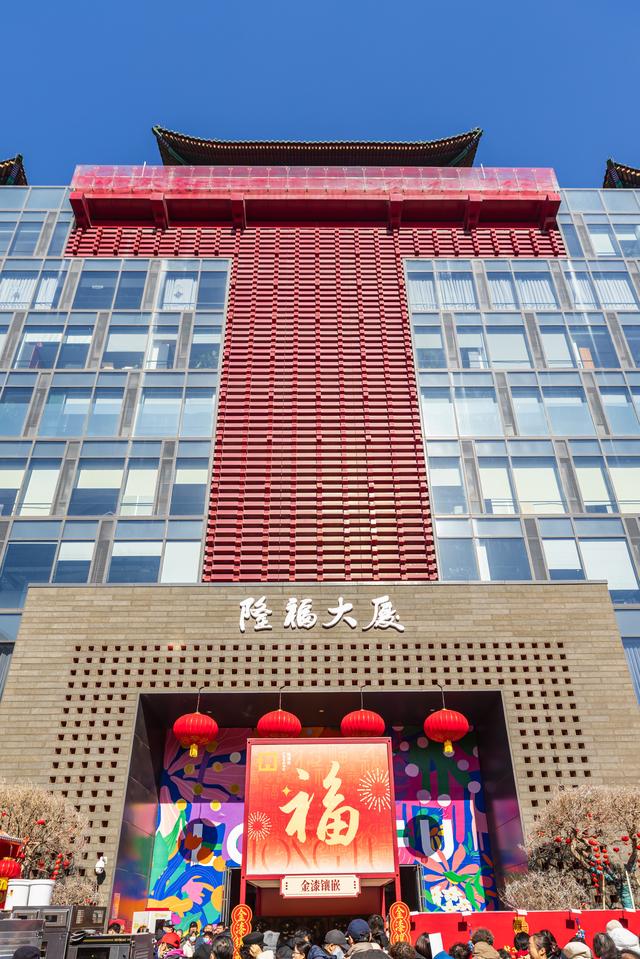
大年初三,北京隆福寺年味儿十足!
Xin Lang Cai Jing· 2026-02-19 09:39
Group 1 - The article discusses the recent developments in the dessert industry, highlighting the rise of innovative dessert brands and their market strategies [6] - It emphasizes the growing consumer demand for unique and high-quality dessert options, which is driving competition among companies in the sector [6] - The piece notes that technology and social media play a significant role in shaping consumer preferences and marketing strategies for dessert brands [6] Group 2 - The article mentions specific companies that are leading the trend in the dessert market, showcasing their product offerings and business models [6] - It outlines the financial performance of key players in the industry, indicating a positive growth trajectory and increased market share [6] - The report also touches on potential challenges faced by companies, including supply chain issues and changing consumer tastes [6]
年味儿万般皆是诗
Xin Lang Cai Jing· 2026-02-17 18:40
Group 1 - The essence of the Chinese New Year is not in the complexity of its forms but in the core of "emotion" and "meaning" [2] - The transformation of New Year celebrations reflects a shift from traditional rituals to modern experiences, emphasizing family connection and warmth [1][2] - The current New Year atmosphere is characterized by a blend of tranquility and personal memories, moving away from external noise to internal peace [1] Group 2 - The cultural memory embedded in traditional practices remains significant, while modern life brings new wisdom and experiences [2] - Regardless of how the forms change, the unique warmth and anticipation of the Chinese people remain constant [2] - A fulfilling Chinese New Year is defined by warmth in the heart and love around, symbolizing the best of the celebration [3]
“菜篮子”撑起“团圆鲜滋味”
Xin Lang Cai Jing· 2026-02-16 19:19
Core Viewpoint - The article highlights the vibrant atmosphere of the Bai Jia Seafood Market in Chengdu during the Lunar New Year, emphasizing the importance of seafood in traditional celebrations and the increased demand for fresh products among consumers [1] Group 1: Market Activity - The Bai Jia International Agricultural Wholesale Market is the largest agricultural distribution center in Southwest China, with a daily seafood distribution volume of approximately 1,600 tons [1] - The market offers a wide variety of seafood, including cost-effective household options and high-end products to meet diverse consumer needs [1] Group 2: Consumer Behavior - Local residents are actively participating in the New Year preparations, with increased foot traffic in the market, leading to a doubling of customer volume for popular seafood items like shrimp [1] - Consumers express a strong cultural connection to seafood, with traditional dishes such as fish being essential for the New Year's Eve dinner, reflecting the significance of these customs in fostering family unity [1]
装进行李箱里的“年味儿”
Xin Lang Cai Jing· 2026-02-14 18:45
Core Insights - The articles highlight the significance of traditional foods and local specialties as a means of connection and warmth during the Chinese New Year celebrations, showcasing personal stories of individuals preparing to return home with these items [1][2][3][5][6] Group 1: Personal Stories and Experiences - Yao Yashu, a worker in Xinjiang, shares her experience of selecting local specialties like red dates and walnuts to bring home for the New Year, emphasizing the emotional connection these items hold for her family [1][2] - Zhang Keyuan, a project manager, expresses the importance of returning home for the New Year and the tradition of bringing local products to share with family, highlighting the personal significance of these rituals [3][4] - Chen Langxue, a volunteer from Guizhou, prepares to bring a variety of local delicacies back home, reflecting on her journey and the joy of sharing these flavors with her family after years of sending them through mail [5][6] Group 2: Cultural Significance of Local Products - The articles illustrate how local specialties like "nang" (a type of bread), dried fruits, and other regional products have become integral to the New Year celebrations, symbolizing the blend of different cultural experiences [2][3][5] - The emphasis on personally bringing these items home rather than relying on online shopping underscores the value placed on personal connections and the act of sharing [4][5] - The stories collectively highlight the role of these local products in fostering familial bonds and preserving cultural traditions during festive occasions [1][2][3][6]
藏在年味里的故事
Xin Lang Cai Jing· 2026-02-08 07:09
Group 1 - The article highlights the significance of traditional Chinese New Year celebrations, emphasizing the importance of family gatherings and cultural rituals [1][2] - The preparation for the New Year includes activities such as pasting couplets on doors, which symbolizes good fortune and prosperity for the coming year [1] - The narrative illustrates the warmth and joy of family reunions during the Spring Festival, showcasing various traditional dishes that are integral to the celebration [2] Group 2 - The story conveys the historical background of the New Year's Eve, linking it to ancient customs aimed at warding off evil spirits, thus preserving cultural heritage [1] - The festive atmosphere is characterized by lively interactions among family members, highlighting the emotional connection and shared experiences during the holiday [2] - The article captures the essence of "年年有余" (having surplus year after year) through the symbolic act of leaving fish uneaten, reinforcing the theme of abundance and good wishes [2]
古韵年味 鲜食烟火
Xin Lang Cai Jing· 2026-02-01 17:15
Core Viewpoint - The article highlights the vibrant atmosphere and cultural significance of two traditional markets in Tongzhou, namely the Kuoxian Market and the Majia Bridge Market, showcasing their unique offerings and the local culinary heritage [1][11]. Kuoxian Market - Kuoxian Market features a rich cultural backdrop with a focus on traditional foods and customs, emphasizing the historical significance of the Grand Canal [1][4]. - The market is known for its handmade tofu from Jigezhuang, which has been produced using traditional methods since the Qing Dynasty, selling around 1,200 kilograms per market day [4]. - Other popular items include crispy fried cakes and multigrain pancakes, both made using traditional recipes and attracting long queues of customers [5][6]. - The market has undergone upgrades, with a total area of 101 acres and over 300 fixed stalls, enhancing the overall shopping experience [6]. Majia Bridge Market - Majia Bridge Market is characterized by its emphasis on fresh, ready-to-eat foods, attracting visitors from the Beijing-Tianjin-Hebei region [11][14]. - Signature dishes include the famous braised dishes and freshly made fish dishes, with vendors like Master Fu and Chen Qing offering authentic flavors and high-quality ingredients [11][12]. - The market has also seen improvements, including the installation of new facilities and enhancements to the overall environment, making it more appealing to visitors [14]. - The market operates on specific days of the lunar calendar, providing a consistent schedule for customers [15][16].
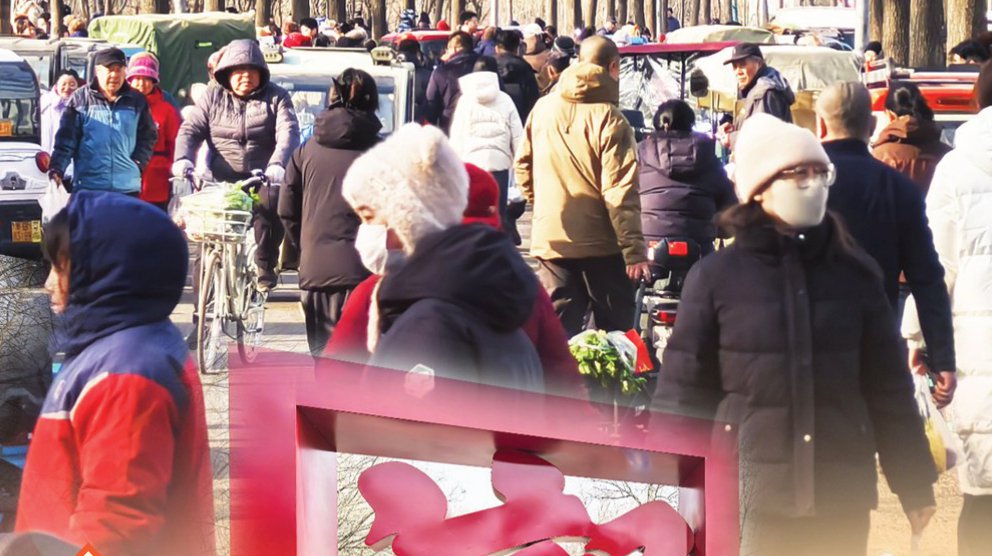
儿时的年味儿
Xin Lang Cai Jing· 2026-01-29 18:46
Group 1 - The article reflects on traditional customs and memories associated with the Chinese New Year, particularly focusing on the significance of the Laba Festival and the preparations leading up to the New Year [1][2] - It describes the nostalgic feelings tied to family gatherings, food preparation, and rituals that mark the transition from the old year to the new [1][2] - The narrative emphasizes the importance of family traditions, such as cleaning the house and preparing special meals, which contribute to the festive atmosphere of the New Year [1][2] Group 2 - The author highlights specific customs, such as the practice of bathing and cleaning as a way to wash away the past year's misfortunes, which is a common belief during the Laba Festival [2] - The article illustrates the joy and excitement of children during the New Year celebrations, particularly the anticipation of receiving red envelopes and wearing new clothes [2] - It conveys the emotional connection to handmade gifts, such as new shoes made by mothers, symbolizing love and care within the family [2]