运河文化

Search documents
古韵年味 鲜食烟火
Xin Lang Cai Jing· 2026-02-01 17:15
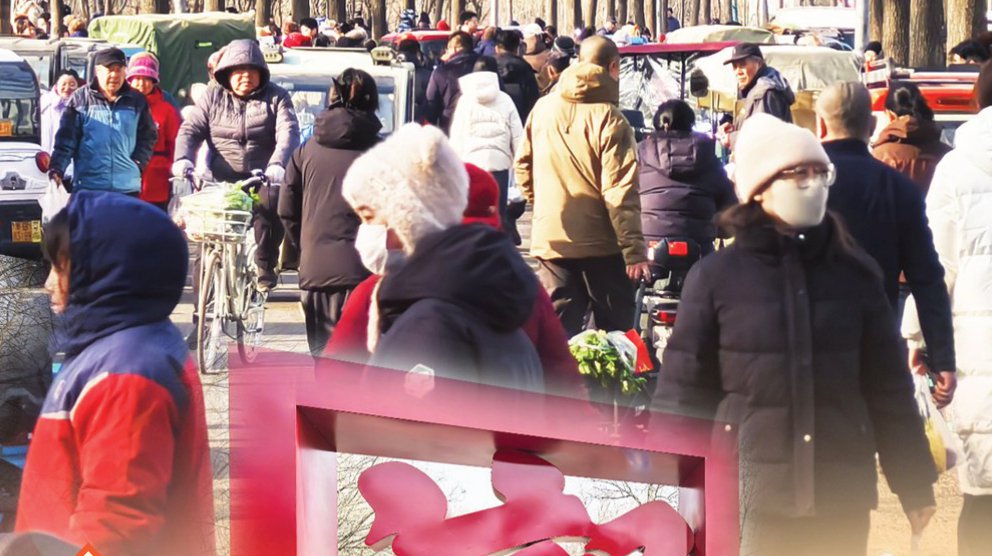
Core Viewpoint - The article highlights the vibrant atmosphere and cultural significance of two traditional markets in Tongzhou, namely the Kuoxian Market and the Majia Bridge Market, showcasing their unique offerings and the local culinary heritage [1][11]. Kuoxian Market - Kuoxian Market features a rich cultural backdrop with a focus on traditional foods and customs, emphasizing the historical significance of the Grand Canal [1][4]. - The market is known for its handmade tofu from Jigezhuang, which has been produced using traditional methods since the Qing Dynasty, selling around 1,200 kilograms per market day [4]. - Other popular items include crispy fried cakes and multigrain pancakes, both made using traditional recipes and attracting long queues of customers [5][6]. - The market has undergone upgrades, with a total area of 101 acres and over 300 fixed stalls, enhancing the overall shopping experience [6]. Majia Bridge Market - Majia Bridge Market is characterized by its emphasis on fresh, ready-to-eat foods, attracting visitors from the Beijing-Tianjin-Hebei region [11][14]. - Signature dishes include the famous braised dishes and freshly made fish dishes, with vendors like Master Fu and Chen Qing offering authentic flavors and high-quality ingredients [11][12]. - The market has also seen improvements, including the installation of new facilities and enhancements to the overall environment, making it more appealing to visitors [14]. - The market operates on specific days of the lunar calendar, providing a consistent schedule for customers [15][16].

嘉兴何不醉江南
Xin Lang Cai Jing· 2026-01-22 23:17
Core Perspective - The article emphasizes the rich cultural heritage and historical significance of Jiaxing, a city in the Jiangnan region, highlighting its evolution from ancient agricultural roots to a modern cultural hub [2][3][32]. Group 1: Historical Foundations - Jiaxing's cultural roots trace back to the Majiabang culture, which dates back 7,000 years, marking the beginning of rice cultivation in the region [3][4]. - The Majiabang culture is considered the source of Jiangnan culture, with its agricultural practices and settlement patterns laying the groundwork for future civilizations [4][6]. - The region's historical significance is further underscored by the cultural transitions during the Song and Ming dynasties, which solidified Jiaxing's role in the development of Jiangnan culture [25][31]. Group 2: Cultural Interactions - The article discusses the cultural exchanges between the Wu and Yue states during the Spring and Autumn period, which contributed to the formation of a unique cultural identity in Jiaxing [12][13]. - The Grand Canal, constructed in 610 AD, played a crucial role in connecting Jiaxing to broader economic and cultural networks, facilitating trade and cultural exchange [16][17]. - Jiaxing emerged as a center for cultural and economic activity during the Tang and Song dynasties, with its strategic location enhancing its prominence in Jiangnan [19][21]. Group 3: Literary and Artistic Contributions - Jiaxing has a rich literary tradition, producing numerous scholars and artists throughout history, contributing significantly to Chinese culture [25][30]. - The city is noted for its historical figures who have made substantial contributions to literature, science, and the arts, reflecting its status as a cultural hub [30][31]. - The article highlights the importance of Jiaxing's literary heritage, with a significant number of scholars and officials originating from the region, showcasing its intellectual legacy [25][31]. Group 4: Modern Cultural Dynamics - The revolutionary spirit, symbolized by the founding of the Communist Party in 1921, has infused Jiaxing's cultural landscape with new vitality [32][33]. - The integration of revolutionary culture with traditional Jiangnan values has created a unique cultural identity for Jiaxing, blending historical depth with modern significance [34][35]. - Jiaxing continues to evolve as a vibrant cultural entity, maintaining its historical roots while adapting to contemporary influences [35][36].
张维为《这就是中国》第314期:“运河之都”兴盛的文化密码
Guan Cha Zhe Wang· 2026-01-09 06:47
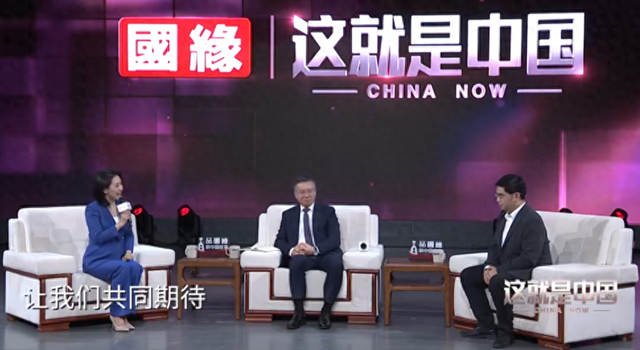
Core Viewpoint - The Grand Canal serves as a vital cultural carrier of the Chinese nation, and understanding it helps to comprehend Chinese culture, with Huai'an being a key hub city for this cultural journey [1][3]. Group 1: Historical Significance - The Grand Canal has been a crucial transportation route for over 2,500 years, linking the Yangtze and Huaihe river systems, which established Huai'an as an important transportation hub [3][4]. - During the Ming and Qing dynasties, Huai'an was recognized as one of the four major cities along the canal, playing a central role in grain transportation and canal governance [4][5]. - Huai'an has two UNESCO World Heritage sites and five heritage points, accounting for approximately one-seventh of the total area of the Grand Canal's World Heritage sites in China [4][5]. Group 2: Cultural Heritage - Huai'an is home to various intangible cultural heritage items, including Huaihai Opera and Huai Opera, with six projects listed as national-level intangible cultural heritage [5][6]. - The city has been recognized as a "City of Gastronomy" by UNESCO in 2021, highlighting the unique characteristics of Huaiyang cuisine, which embodies a blend of southern and northern culinary traditions [5][6]. Group 3: Modern Development - Huai'an has transformed its transportation network from a single waterway to a multi-modal system, including road, rail, water, and air transport, enhancing its status as a major inland port [8][9]. - The city has established three major industries worth over 100 billion, transitioning from a canal hub to a regional growth pole [9][10]. - Huai'an has implemented ecological initiatives, such as reducing sulfur oxide emissions by 65% after completing green modern shipping projects, showcasing a balance between ecological preservation and economic development [9][10]. Group 4: Cultural Preservation and Innovation - The local government has prioritized the protection of canal cultural heritage, launching specific regulations and plans to ensure its preservation and utilization [22][24]. - Huai'an's cultural heritage is not static but dynamic, actively integrated into the daily lives of its residents, making it a living part of the community [24][25]. - The city has developed a cultural corridor along the canal, enhancing tourism and cultural engagement while preserving historical significance [21][26].
穿越漕船帆影 绘就青春底色
Xin Lang Cai Jing· 2026-01-05 22:50
Core Viewpoint - The article highlights a cultural and educational initiative in Tianjin that integrates historical and artistic elements to foster a sense of national identity among youth through the theme of the Grand Canal's influence on the city [1][2]. Group 1: Cultural Significance - The event organized by the Peace District Youth Affairs Social Work Station and Tianjin Medical University emphasizes the historical connection between the Grand Canal and the rise of Tianjin as a city [1]. - The cultural impact of the Grand Canal on various aspects of Tianjin, including commerce, customs, and architecture, is noted, showcasing the city's diverse and inclusive character [1]. Group 2: Educational Approach - The initiative moves beyond traditional classroom settings, offering an engaging experience that allows students to appreciate the cultural heritage of the Grand Canal through art and history [2]. - Students express a commitment to integrating cultural confidence into their professional studies, indicating the initiative's potential long-term impact on urban development [2].
文化“活”在当下,烟火“融”入生活
Xin Lang Cai Jing· 2026-01-05 16:39
Core Viewpoint - The article highlights the historical and cultural significance of Jining as a central hub of the Grand Canal, emphasizing its role in connecting diverse cultures and facilitating economic development through the preservation and innovation of canal culture [2][4][8]. Group 1: Historical Significance - Jining's central position in the Grand Canal system is encapsulated in the saying, "If Jining is open, the whole river is open; if Jining is stagnant, the whole river is stagnant" [2]. - The River Governor's Office, as a historical management institution, played a crucial role in the governance of the canal, overseeing various operations including dredging and military affairs [3]. - The Grand Canal's historical importance is underscored by its transformation under Kublai Khan, which established Jining as a vital shipping hub, reducing travel distance by 900 kilometers [3]. Group 2: Cultural Integration - The essence of the Grand Canal is its ability to connect different regions and cultures, with Jining serving as a melting pot for Southern and Northern cultural exchanges [4]. - The preservation of traditional crafts, such as bamboo weaving in Zhuge Alley, reflects the deep cultural roots and the blending of Southern and Northern traditions [4]. - The Yutang Soy Sauce Factory exemplifies the cultural innovation stemming from canal trade, combining Southern and Northern culinary techniques [5]. Group 3: Modern Developments - Jining is actively promoting the integration of cultural heritage with economic development, aiming to transform the Grand Canal into a new artery for regional growth [7]. - The port of Jining has achieved significant milestones, with a cargo throughput of 106 million tons from January to November 2025, marking it as the first inland port in Northern China to reach this volume [7]. - The city is focused on enhancing its cultural tourism, with plans to develop the Grand Canal Cultural Tourism Belt and create a national-level leisure street [7]. Group 4: Community Engagement - Recent events, such as the "Cultural + Livelihood" New Year activity at the River Governor's Office Park, demonstrate Jining's commitment to making cultural heritage relevant and accessible to the public [8]. - The integration of cultural activities into daily life is seen as essential for the ongoing vitality of the Grand Canal's legacy, ensuring that it remains a living part of the community [8].

京味儿元旦|张家湾大集元旦迎客:逛集赏艺,感受运河年味
Xin Lang Cai Jing· 2026-01-01 09:29
Core Viewpoint - The "Yunhe Grand Market" in Zhangjiawan opened on January 1, 2026, attracting a large number of visitors and promoting local culture and rural revitalization through various activities and performances [1] Group 1: Event Overview - The event features activities centered around shopping, appreciation, tasting, and entertainment, incorporating traditional performances such as folk music, lion dances, and interactive games [1] - Over 200 vendors participated, showcasing intangible cultural heritage crafts and local agricultural products [1] Group 2: Visitor Engagement - The market received an average of approximately 7,000 visitors daily, creating a vibrant atmosphere for the New Year [1] - The event not only enhances the festive spirit but also supports the promotion of rural specialty industries [1] Group 3: Cultural Significance - The market serves as a platform to display the vitality of canal culture and rural revitalization, contributing to the cultural tourism landscape [1]
烟火气兼具文化味儿!通州“运河大集”将办50余场主题活动
Xin Lang Cai Jing· 2025-12-21 11:28
Group 1 - The "Yunhe Grand Market" in Tongzhou will host over 50 cultural activities themed "Yunhe Connects North and South, New Year Flavor Gathers at the Grand Market" from the Winter Solstice to the Lantern Festival [2] - The market will feature traditional performances such as dragon dances and acrobatics, enhancing its appeal as a unique rural cultural tourism scene [2] - The event on the Winter Solstice attracted many visitors, showcasing a blend of traditional and modern elements, including performances by mechanical lions and intelligent robots [2] Group 2 - The "Yunhe Grand Market" will collaborate with the e-commerce platform Meituan to launch a direct access service, allowing local products and cultural experiences to reach a broader audience [4] - The market will also form a student team with Beijing Wuzi University to promote local agriculture through live-streaming events [4] - The market's reputation is growing, attracting visitors from various districts and even tourists from Universal Studios, leading to increased business for local vendors [4] Group 3 - Activities at the market will maintain traditional cultural elements while integrating modern aesthetics, providing an immersive experience of the rich heritage and festive atmosphere [5] - The Tongzhou District Cultural and Tourism Bureau is organizing traditional cultural handcraft activities, combining seasonal cultural themes with national intangible cultural heritage [7] - Participants engaged in hands-on experiences of traditional craftsmanship, such as creating cloisonné art, which was well-received by visitors [8]

2025中国大运河沿线城市民歌展演 共绘运河文化新图景
Xin Lang Cai Jing· 2025-12-21 08:23
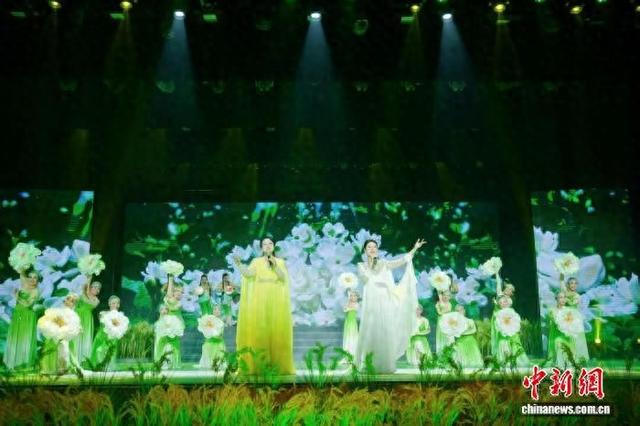
Core Viewpoint - The 2025 China Grand Canal City Folk Song Performance aims to showcase the rich cultural heritage and contemporary spirit of the Grand Canal through a series of performances by folk song troupes from 23 cities along the canal, highlighting the importance of cultural exchange and collaboration among these cities [1][3]. Group 1: Event Overview - The event is organized by the Jiangsu Provincial Cultural Center, Yangzhou Cultural, Radio, Television and Tourism Bureau, and the High Postal People's Government, featuring performances from five troupes across various districts in Yangzhou [1][3]. - A total of 110 folk song inheritors from 23 cities along the Grand Canal are participating, creating a new cultural landscape that reflects the historical depth of the canal [3]. Group 2: Cultural Significance - The Grand Canal is recognized as a national cultural symbol and a UNESCO World Heritage site, representing the historical and cultural narratives of the Chinese nation [3]. - Folk songs from different regions, such as Tianjin's "Tianjin City Tour" and High Postal's "Counting Duck Eggs," illustrate the local culture and heritage, emphasizing the connection between the canal and the communities it nourishes [5]. Group 3: Initiatives and Future Plans - The "China Grand Canal City Folk Song Collaborative Development Initiative" was launched during the event, focusing on cultural protection and transmission through five key measures: the "Folk Song Memory Project," the establishment of a digital resource library, a collaborative mechanism for inheritors, the creation of a Folk Song Carnival IP, and the introduction of themed tourism routes [5]. - The initiative aims to shift the approach of the canal cities from isolated efforts to collaborative development, fostering a unified cultural identity along the Grand Canal [5].
山东上新5家省级考古遗址公园,总数达到17家
Qi Lu Wan Bao· 2025-12-15 08:43
Core Viewpoint - The Shandong Provincial Department of Culture and Tourism has initiated the third batch of provincial archaeological site park recognition, adding five new sites to the existing list, which now totals 17 parks in Shandong Province [1][3]. Group 1: New Archaeological Site Parks - The newly recognized archaeological site parks include: - He Dao Zong Du Shu Ruins - Ji Wang Gu Tomb Group - Su Lu Wang Tomb - Wu Li Zhuang Ruins - Cao Zhi Tomb [1][3]. Group 2: Details of Each Site - **He Dao Zong Du Shu Ruins**: Located in Jining City, it was established during the Ming Dynasty and served as the highest administrative body for the Grand Canal. The park features a museum, cultural square, and preservation area, showcasing the history of canal management [3]. - **Ji Wang Gu Tomb Group**: Situated in Linyi City, this site dates back to the Spring and Autumn period and is significant for research on the political and economic systems of that era. The park integrates local villages, promoting employment and rural revitalization [3]. - **Su Lu Wang Tomb**: Found in Dezhou City, this tomb is one of the few foreign monarchs' tombs in China, housing the remains of the Eastern King of the Sulu Kingdom and his family. It is a unique cultural heritage site [3]. - **Wu Li Zhuang Ruins**: Located in Dezhou City, this site is one of the earliest ancient cultural sites in the region, focusing on the Longshan culture and its historical context [4]. - **Cao Zhi Tomb**: Situated in Liaocheng City, this tomb belongs to the famous poet Cao Zhi from the Three Kingdoms period. The park has been developed into a 4A-level tourist attraction, featuring various scenic spots related to Cao Zhi [4].
运河儿女深情告白
Bei Jing Ri Bao Ke Hu Duan· 2025-12-03 09:07
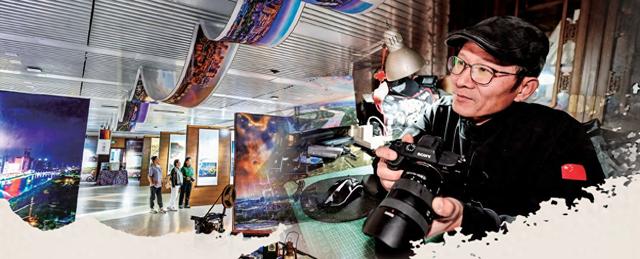
Core Viewpoint - The photography exhibition "Era of Elegance" showcases the development of Beijing's sub-center through 70 works, reflecting the artist's dedication and unique perspective over 20 years of work [1][3][11]. Group 1: Exhibition Overview - The exhibition features 70 pieces, including a 30-meter panoramic view and three large 8-meter works, emphasizing the rich cultural and historical context of the Beijing sub-center [3][4]. - The main visual piece, "Dragon and Phoenix Presenting Auspiciousness," captures the essence of the sub-center with a layered composition of cultural and administrative landmarks [3][4]. - The exhibition is divided into three thematic units: "Bird's Eye View," "Bridges of the Sub-center," and "Seasonal Changes," each offering a unique perspective on the area's development [3][5]. Group 2: Artist's Journey - The artist has traveled 240,000 kilometers, equivalent to circling the Earth six times, to document the changes along the Grand Canal, demonstrating a deep commitment to his craft [6][11]. - The artist's work reflects a personal and familial connection to the Grand Canal, with a legacy of dedication to its preservation and cultural significance [7][8]. - The artist has faced numerous challenges, including dangerous conditions and financial sacrifices, to capture the essence of the Grand Canal and its surroundings [6][11]. Group 3: Cultural Impact - The artist's efforts have led to a growing awareness and appreciation of the Grand Canal's cultural heritage, as evidenced by community engagement and support [8][12]. - The collection of over 400 bottles of canal water serves as a tangible record of ecological changes and community involvement in environmental awareness [11][12]. - Future plans include organizing a cultural road trip along the Grand Canal to further promote its history and significance through various artistic expressions [12].