
应对外部挑战

Search documents
张军扩:需求已成经济增长决定性因素,扩大投资依然重要
Sou Hu Cai Jing· 2025-12-29 10:12
Group 1 - The core issue affecting China's economic growth is the demand problem, which has been prioritized in economic work for two consecutive years [2] - The overall economic performance in China shows resilience and stability, but the imbalance between strong supply and weak demand remains a significant challenge [2] - The main contradiction in economic operation is shifting from the supply side to the demand side, necessitating a focus on resolving demand issues for sustainable economic development [2] Group 2 - The acceleration of domestic demand expansion policies has led to positive outcomes, but consumption demand is constrained by both short-term fluctuations and long-term structural factors [3] - Short-term measures should include strong stimulus policies to break negative cycles, while long-term strategies must address deep-rooted issues to ensure stable growth [3] - The shift in consumer behavior from goods to services highlights the need for increased support in service consumption, particularly in education, healthcare, and elder care [3] Group 3 - Investment remains crucial alongside consumption, as effective investment is necessary to meet consumption demands and expand consumption space [4] - There is significant potential for effective investment, particularly in urban development and addressing social welfare gaps [4] - The decline in private and foreign investment underscores the need for policy innovation and improved business environments to boost investor confidence [5][6]

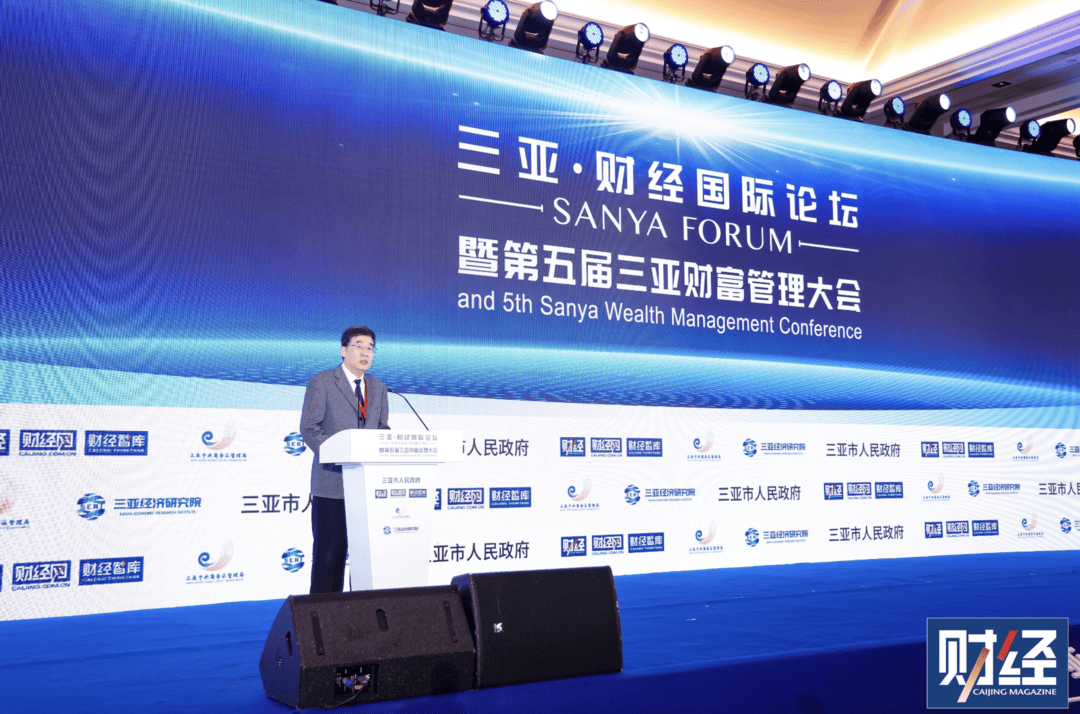
张军扩:需求已成中国经济增长决定性因素,扩大内需须“长短兼顾”
Xin Lang Cai Jing· 2025-12-27 04:15
Core Viewpoint - The demand issue has become the most decisive factor affecting the sustained and stable growth of China's economy, with expanding domestic demand ranking first in economic work for two consecutive years [7][9]. Group 1: Economic Resilience and Demand-Supply Dynamics - China's economy continues to show strong resilience and stable operation despite external shocks and challenges, with major macroeconomic indicators remaining stable, laying a good foundation for achieving the annual growth target of around 5% [7][8]. - The main contradiction in economic operation has gradually shifted from the supply side to the demand side, indicating that resolving demand issues is crucial for smooth economic circulation and stable growth [3][8]. Group 2: Consumption Demand and Structural Challenges - The insufficient consumption demand is influenced by both short-term market fluctuations and long-term structural factors, necessitating both immediate stimulus policies and long-term solutions to ensure stable growth [10][11]. - The structural factors include a long-term low consumption rate among residents, which is estimated to be 10-20% below the international average, highlighting the need to increase residents' income and social security levels to enhance consumption capacity [11][12]. Group 3: Investment Opportunities and Policy Innovation - Investment remains important and should be balanced with consumption to achieve effective economic growth, with significant potential for investment in urban renewal, rural infrastructure, and improving living standards [6][13]. - The demand for investment in urban and rural areas is substantial, but requires innovative mechanisms to align the interests of government, enterprises, and property owners [14][15]. - Promoting private and foreign investment is essential, which can be supported by deepening reforms and improving the business environment to stabilize and enhance corporate expectations and confidence [15][16].
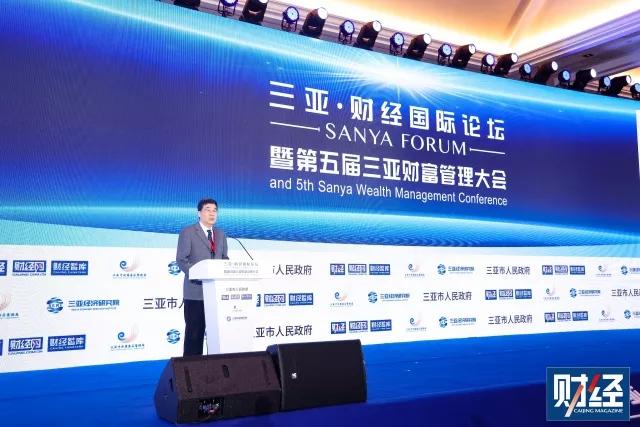
中国经济年会:必须坚持投资于物和投资于人紧密结合
Bei Jing Shang Bao· 2025-12-13 04:37
Core Insights - The central economic work meeting emphasizes the need for a comprehensive understanding of economic work under new circumstances, highlighting the "five musts" for future economic development [1][2] Group 1: Economic Potential and Growth - It is essential to fully tap into economic potential, leveraging the characteristics of a large economy to foster independent and self-reliant growth [1] - The focus should be on expanding consumption and investment, developing technology and industries, and promoting urban-rural integration and regional coordinated development to create new growth points [1] Group 2: Policy Support and Reform - A dual approach of policy support and reform innovation is necessary to address the intertwined cyclical, structural, and institutional issues in the economy [1] - Strengthening macroeconomic regulation while deepening reforms is crucial to enhance internal growth dynamics [1] Group 3: Market Regulation and Government Role - The goal of deregulation is to eliminate institutional barriers to productivity, not to allow unchecked market behavior [1] - It is important to establish a socialist legal economy and credit economy, ensuring proper market order while maximizing the market's role in resource allocation [1] Group 4: Investment in People and Resources - Investment in both physical assets and human resources should be closely integrated to promote comprehensive human development and enhance public welfare [2] - Effective investment in the real economy and technological innovation must be balanced with human capital development to achieve mutual empowerment [2] Group 5: Internal Strength and External Challenges - To face external challenges, it is vital to focus on strengthening and optimizing the real economy and enhancing independent innovation capabilities [2] - Building internal strength is essential for maintaining a competitive edge in international cooperation and competition [2]