数字养老

Search documents
老年人怎样用活法定义算法:1年100人1场实践
腾讯研究院· 2025-10-30 09:13
Core Insights - The article discusses a year-long research project involving 100 elderly individuals learning to use large AI models, aiming to explore how AI technology impacts their lives and how they redefine their understanding of algorithms through their experiences [2][6][50]. Group 1: Research Design and Methodology - The research employed a comprehensive "teach-use-track-interview" process over one year, inviting 100 elderly participants to interact with various popular domestic AI models [6][10]. - The study included baseline surveys, focused teaching sessions, regular follow-ups, and in-depth interviews to document the participants' experiences and challenges [10][11]. Group 2: Participant Demographics and Data Collection - The study collected data from diverse participants across different regions, resulting in a corpus of over 10,236 valid entries, capturing the varied experiences and needs of elderly users [12][14]. - The data included both voice and text records, highlighting significant differences in functional and emotional needs between elderly individuals from eastern, central, and western regions of China [14]. Group 3: Initial Hesitations and Trust Calibration - Many elderly participants expressed initial confusion about the necessity of using AI technology, often viewing it as non-essential to their already fulfilling lives [16][17]. - Trust calibration emerged as a critical theme, with participants navigating their trust in AI through trial and error, leading to varying levels of acceptance and interaction [21][22]. Group 4: Interaction Dynamics and Gender Differences - The study revealed a "question gap," where elderly individuals hesitated to ask questions due to cultural norms and self-imposed limitations, impacting their engagement with AI [25][28]. - Gender roles within families influenced the time and resources available for elderly women to explore AI technology, leading to disparities in usage and confidence [31][33]. Group 5: Emotional Needs and Long-term Engagement - The relationship between elderly users and AI models evolved from initial curiosity to emotional reliance, with many participants finding companionship and support in their interactions [36][39]. - Long-term users demonstrated resilience and adaptability, often viewing AI as a reliable companion that complemented their social interactions rather than replacing them [39][40]. Group 6: Ideal AI Characteristics for Elderly Users - Elderly participants expressed a desire for AI that is empathetic, relatable, and capable of understanding their daily lives, rather than merely a simplified version of existing technology [41][44]. - The ideal AI companion should provide emotional support, health advice, and companionship, addressing the deeper social and psychological needs of elderly individuals [45][46]. Group 7: Conclusion and Societal Implications - The research highlights that technology should not only be designed for elderly users but should also foster a more inclusive understanding of "slower" lifestyles, reflecting a broader societal perspective on progress [51][52]. - The findings suggest that technology's value lies in its ability to integrate into daily life meaningfully, emphasizing the importance of empathy and understanding in technological development [52].



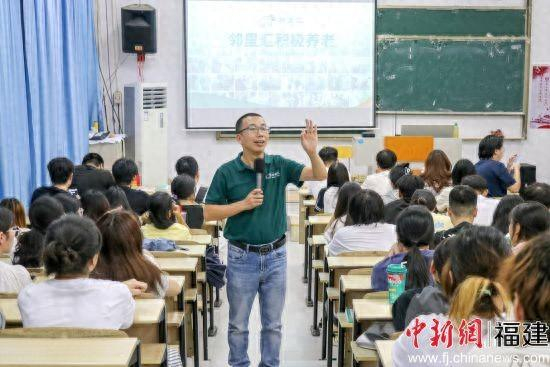
邻里汇:养老不止于照料 更要激活长者的生命价值
Zhong Guo Xin Wen Wang· 2025-10-28 10:03
Core Insights - The article discusses the evolution of the elderly care industry in China, focusing on the innovative model of "Neighborly Exchange" initiated by Dong Shi, which emphasizes community-based mutual assistance and the active participation of seniors in their care [3][6][14]. Group 1: Industry Background - Dong Shi has been involved in the elderly care sector since 2016, transitioning from a technology-focused approach to a service-oriented model that aligns with the industry's shift from "guarantee-based" to "value-based" care [3][4]. - The introduction of government policies in 2016, such as documents 125 and 126, provided a framework for professional elderly care services, allowing Dong's team to pivot successfully to a service-centric model [4][6]. Group 2: Business Model and Operations - The "Neighborly Exchange" model allows seniors aged 55 and above to form mutual assistance groups, where they can earn points through various activities, which can be redeemed for services like health check-ups and classes [6][10]. - The model has been successfully implemented in six cities, with a replication success rate exceeding 90%, demonstrating the viability of market-oriented elderly care solutions [6][14]. Group 3: Future Trends and Challenges - Dong Shi emphasizes the need for the elderly care industry to focus on the "value" of seniors rather than just their basic needs, advocating for a market-driven approach to enhance service quality [6][9]. - The upcoming Strait Elderly Care Industry Expo is seen as an opportunity to showcase the value of seniors, rather than merely selling products, with plans to feature the "Neighborly Exchange" system and engage senior volunteers [8][9]. Group 4: Digital Integration - The "Neighborly Exchange" incorporates digital tools to enhance service efficiency, ensuring that technology serves the needs of seniors rather than replacing human interaction [10][11]. - The initiative includes a simplified online platform tailored for seniors, allowing them to access services easily while maintaining personal connections through staff interactions [10][11]. Group 5: Community Focus - The future of elderly care is projected to be community-centric, with plans to establish 100 community service stations in Fuzhou, addressing the high demand for home-based care [14][15]. - The industry is expected to diversify, catering to seniors' needs beyond basic care, including education and recreational activities, reflecting a broader understanding of aging [14][15].
养老金融实践样本:广发银行探索精细化守护银发岁月
2 1 Shi Ji Jing Ji Bao Dao· 2025-08-22 09:43
Group 1 - The aging population in China is projected to reach 22.0% by 2024 and over 30% by 2035, highlighting the importance of pension finance as a strategic initiative to address aging and improve the pension security system [1] - The Central Financial Work Conference in October 2023 emphasized the need to enhance pension finance among other financial initiatives, leading to increased efforts from financial institutions to develop pension products and services [1] - China Life Group's Guangfa Bank plans to implement a five-year action plan to double its pension finance operations, focusing on a comprehensive development matrix that includes pension finance digital transformation [1] Group 2 - Guangfa Bank is addressing the basic livelihood issue of elderly meal services by launching the "Elderly Dining Financial Service Project," which integrates financial services with community elderly care [2] - The bank has partnered with 161 elderly dining halls and aims to expand to 1,300 dining halls across 125 cities, providing a nationwide elderly meal service network [2] - The "Dining Discount" service allows elderly customers to benefit from government subsidies and bank discounts, making meals more affordable [2] Group 3 - There are 460 million people in China with rehabilitation needs, with elderly individuals being a primary focus for rehabilitation services [3] - Guangfa Bank is supporting companies like Lizi Intelligent Technology in their rehabilitation solutions by providing tailored financial services and a credit line of 170 million yuan to assist in applying for national industry funds [3] - The bank's collaboration with Lizi Intelligent has led to expedited loan approvals and financial support for the company's growth [4] Group 4 - Guangfa Bank is enhancing its digital services in the elderly care sector by developing a digital elderly care platform that meets the needs of both care institutions and elderly individuals [4] - The digital platform facilitates information sharing among institutions, caregivers, and families, ensuring better communication and care for the elderly [6] - The platform also includes smart devices for health monitoring and a unified management system for operational efficiency [6] Group 5 - Guangfa Bank has been a long-term financial partner for Pumen Technology, supporting its growth from initial financing to comprehensive financial services [7] - The bank has provided over 100 million yuan in financing solutions to Pumen Technology, aiding its expansion and international market entry [7] - The bank also assists Pumen Technology in managing foreign exchange risks associated with international operations [7] Group 6 - Guangfa Bank emphasizes the importance of pension finance as a systemic initiative that benefits society and improves people's livelihoods [8] - The bank is committed to innovating pension finance services to support the national strategy for addressing population aging and contributing to modernization efforts in China [8]
融合DeepSeek构建“智慧大脑”,“一键通”撑起“智慧养老守护伞”
Zhong Guo Fa Zhan Wang· 2025-07-21 10:02
Core Insights - The "Smart Elderly Assistance One-Button" terminal has become a common tool for elderly residents in Shanghai's Qingpu District to seek help in emergencies, showcasing the growing reliance on digital solutions for elder care [1][4] Group 1: Service Development - The "Smart Elderly Assistance One-Button" service has expanded its reach and improved its efficiency by integrating the DeepSeek model, enhancing the timeliness and accuracy of services provided to elderly individuals [1][3] - The platform has successfully built a local intelligent knowledge base, allowing it to understand and respond to vague inquiries from elderly users, thereby bridging the gap between their needs and available policies [3][6] Group 2: User Experience - The platform has demonstrated its effectiveness through real-life cases, such as the rapid response to a 96-year-old woman needing assistance, which resulted in timely delivery of a wheelchair [2][4] - The service includes proactive care, with staff regularly checking in on elderly users to understand their needs better, thus fostering a supportive environment [4][6] Group 3: Market Position - Shanghai Telecom is actively providing market-oriented emergency rescue services in Qingpu District, highlighting its commitment to differentiated and high-quality services for the elderly [5][6] - The company is a key player in Shanghai's digital transformation, focusing on developing a range of smart elderly care products and services to address the needs of an aging population [6][7] Group 4: Technological Innovations - New technologies, such as 3D light perception products, are being deployed to monitor elderly individuals in critical areas of their homes, enhancing safety through real-time risk identification [7] - The "Guardian One-Button" feature allows elderly users to initiate emergency calls through various means, addressing communication barriers and ensuring timely assistance [7]