数字化产业

Search documents
培育活跃生态 上海推动“AI+制造”规模化发展
Zhong Guo Zheng Quan Bao· 2026-01-15 20:48
Core Insights - Shanghai is promoting the large-scale development of "AI + manufacturing" during the 14th Five-Year Plan period, aiming to leverage the combined advantages of AI and manufacturing to accelerate application in key industries and support the creation of model enterprises [1][2] Group 1: AI + Manufacturing Initiatives - Shanghai has launched the "AI + manufacturing" model enterprise cultivation project, selecting 10 model enterprises from various sectors including nuclear power, shipbuilding, automotive, steel, aerospace, semiconductors, and biomedicine [2][3] - These enterprises have identified 50 specific scenarios where AI technology can be applied, targeting pain points in the digital transformation of manufacturing [2][3] Group 2: Digital Transformation and Supply Chain - The third batch of 21 "chain master" enterprises has been announced, which are expected to drive digital transformation across the supply chain [3][4] - Since 2022, Shanghai has cultivated 42 "chain master" enterprises, linking over 360,000 companies and empowering more than 7,000 core enterprises, resulting in a 20% reduction in operational costs and a 10% decrease in energy consumption [3][4] Group 3: AI Application in Manufacturing - Specific AI application scenarios include intelligent generation of 3D to 2D drawings, AI-assisted CAD modeling, intelligent scheduling of precision grinding lines, and smart visual inspection of aerospace components [3][4] - The establishment of a national AI application pilot base aims to tackle common challenges in high-end equipment industries, promoting technological breakthroughs and product innovation [4][5] Group 4: Support for SMEs - The Shanghai Unicom Industrial Intelligent Computing Cloud Service Platform addresses challenges faced by small and medium-sized enterprises (SMEs) such as high computing costs and a shortage of AI talent [5][6] - This platform provides integrated AI application support, including computing power, data models, and development tools, to help SMEs reduce initial and operational costs [5][6] Group 5: Industry Perspectives on AI Integration - Experts emphasize the importance of AI in enhancing design accuracy, optimizing production processes, and improving operational efficiency in response to new energy system demands [6][7] - The integration of AI with industrial internet technologies is seen as a way to automate and smarten production processes, thereby improving efficiency and product quality [6][7]
海螺水泥20251114
2025-11-16 15:36
Summary of Conference Call for Conch Cement Industry Overview - In the first three quarters of 2023, national cement production decreased by 5.2% year-on-year, with cement prices showing a trend of high at the beginning and low later on. The average market price for PO 42.5 cement was 372 RMB/ton, a decrease of 0.5% year-on-year, indicating a market environment characterized by declining demand and increasing supply-demand contradictions [2][3]. Company Performance - Conch Cement achieved a non-tax revenue of 61.3 billion RMB in the first three quarters, a decline of 10.1% year-on-year. However, the net profit attributable to shareholders was 6.304 billion RMB, an increase of 21.3%, primarily due to cost control and improved gross margin [2][5]. - Despite a 0.4% year-on-year decrease in net sales volume of self-produced cement clinker, Conch Cement managed to reduce the comprehensive cost of cement clinker by 18 RMB/ton (a decrease of 9.7%), leading to a gross margin increase of 5.8 percentage points [2][5]. Business Expansion and Strategy - Conch Cement is actively expanding its domestic and international business layout, including the successful delivery and consolidation of the Xinjiang Yaobo project, steady expansion of aggregate and ready-mixed concrete businesses, and advancement of new energy projects to enhance market layout and achieve industrial chain synergy [2][6]. - The company is focusing on digital industrial development to improve overall operational efficiency and competitiveness, while accelerating the implementation and expansion of overseas projects [4][6]. Market Challenges and Future Outlook - The demand for cement is expected to continue declining in the fourth quarter, although it is anticipated to be better than the third quarter, with an overall demand decrease projected at around 7% for the year. The industry faces challenges in profitability, necessitating measures such as staggered production to stabilize prices [2][7]. - Conch Cement plans to focus on policy guidance, leverage opportunities from industry self-discipline and capacity replacement, enhance market cultivation, and continue cost reduction efforts to strengthen competitiveness in response to market challenges [4][7].
“高原金草”亮相2025世界品牌莫干山大会
Zhong Guo Chan Ye Jing Ji Xin Xi Wang· 2025-05-12 11:58
Group 1 - The event "Xinhua Index Empowering High-Quality Development 2025 Summer Release" was successfully held in Deqing, Zhejiang, focusing on the industrial upgrading path in the digital economy era [1] - The Yushu Tibetan Autonomous Prefecture in Qinghai Province showcased its wild Cordyceps, known as "highland golden grass," emphasizing its ecological and industrial value [1] - The wild Cordyceps industry in Yushu plays a significant role in ecology, economy, and livelihood, with a strong market reputation and optimistic development prospects [1] Group 2 - As of April 20, the Xinhua Yushu Wild Cordyceps Price Index stood at 809.90 points, showing stable trends due to macroeconomic fluctuations and increased production [2] - The price of wild Cordyceps is expected to rise in the 2025 new production season, driven by inventory consumption and improved consumer purchasing power [2] - Yushu is enhancing its brand through "wild Cordyceps + traditional culture," which complements the price index and expands the product's recognition and influence [2] Group 3 - Yushu is recognized as the "hometown of wild Cordyceps," with rich resources in other specialty industries such as yaks, Tibetan sheep, and mineral water [2] - The local government has issued measures to strengthen investment attraction and develop a modern industrial system with Yushu's unique advantages [2] - The government has introduced 49 specific measures to promote ecological protection and high-quality development, inviting global visitors to experience Yushu's unique environment [2]
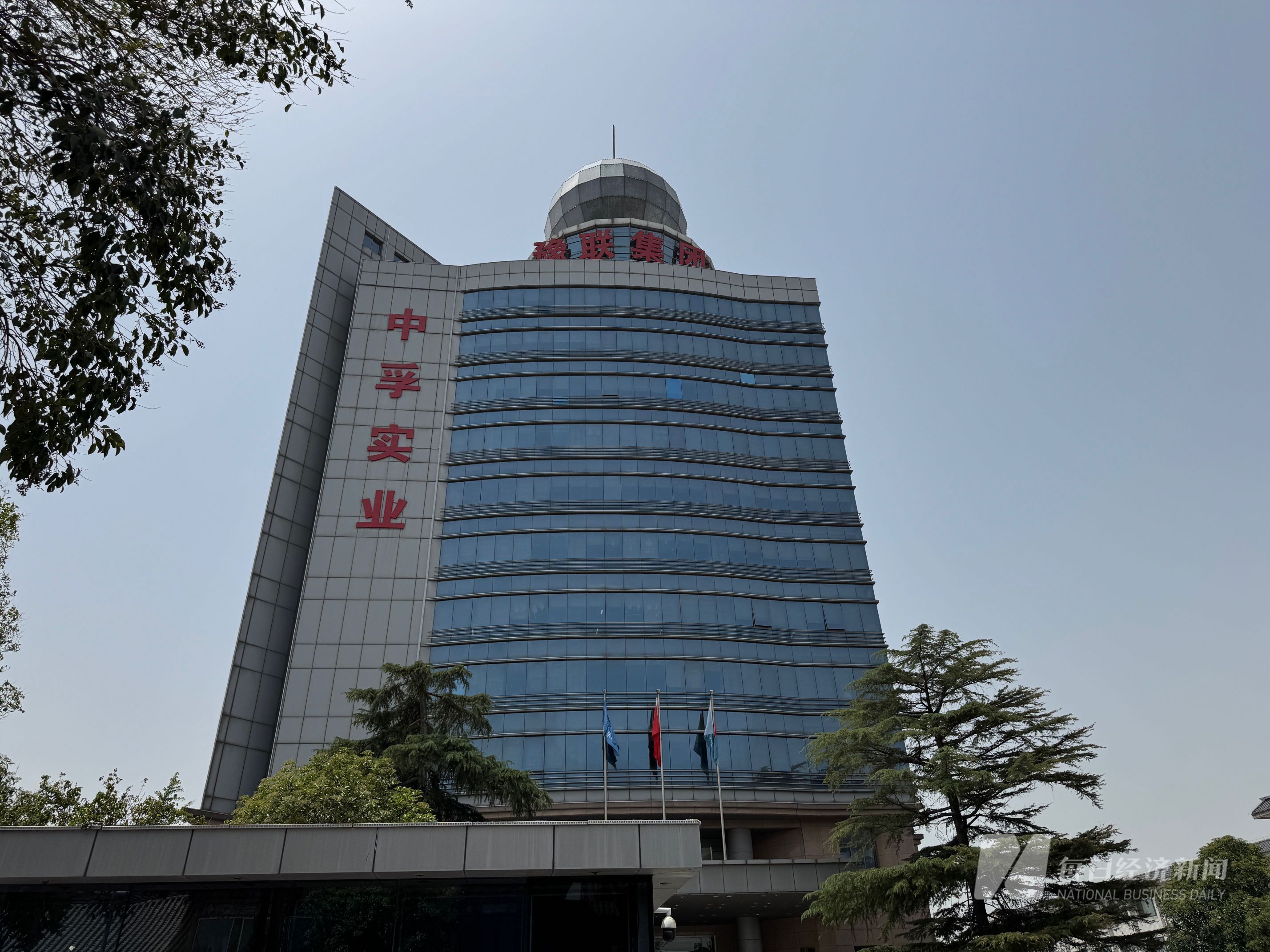
直击股东大会 | 中孚实业董事长马文超:贸易摩擦影响有限,今年重点工作包括高精铝提产提效等
Mei Ri Jing Ji Xin Wen· 2025-05-08 13:06
Core Viewpoint - The company aims to enhance competitiveness by reducing costs and improving production efficiency, particularly in high-precision aluminum production, as outlined in its 2025 strategic plan [1][11]. Financial Performance - In 2024, the company reported a revenue of 22.76 billion yuan, a 21.12% increase from 18.79 billion yuan in the previous year [3][7]. - Operating costs rose by 29.75% to 20.55 billion yuan, primarily due to increased sales volume of aluminum products and rising prices of key raw materials like alumina [3][7]. - The net profit attributable to shareholders was 704 million yuan, reflecting a 39.30% decline year-on-year [3][7]. Inventory and Production - The company's aluminum product inventory reached 39,800 tons, a 47.68% increase compared to the previous year, attributed to the highest production and sales volume in the company's history [4]. - The company produced approximately 500,000 tons of aluminum can materials in 2024, with global demand for this product being less than 7 million tons [3][4]. Raw Material Costs - Alumina prices exceeded 5,000 yuan per ton, marking the highest level in nearly 20 years, contributing to increased operating costs [3][10]. - The company faced higher electricity costs due to the integration of thermal power and varying settlement methods during different water periods [3][10]. Strategic Initiatives - The company plans to implement energy-saving modifications in its electrolytic aluminum and power plant operations to lower costs [11][12]. - It aims to enhance resource utilization by integrating waste heat from power plants with urban heating demands [11][12]. - The company is focusing on investments in low-carbon energy sources such as wind and solar power, and has registered a new company for product development in the new energy sector [11][12]. Market Position and Trade Relations - The company reported a 76.07% increase in revenue from international markets, totaling 9.28 billion yuan [10]. - The company has adjusted its sales strategy in response to international trade dynamics, particularly reducing expectations for the U.S. market due to trade tensions [11].