
文化产业跨界融合

Search documents
三天超10万观众慕书而来
Xin Lang Cai Jing· 2026-01-10 21:36
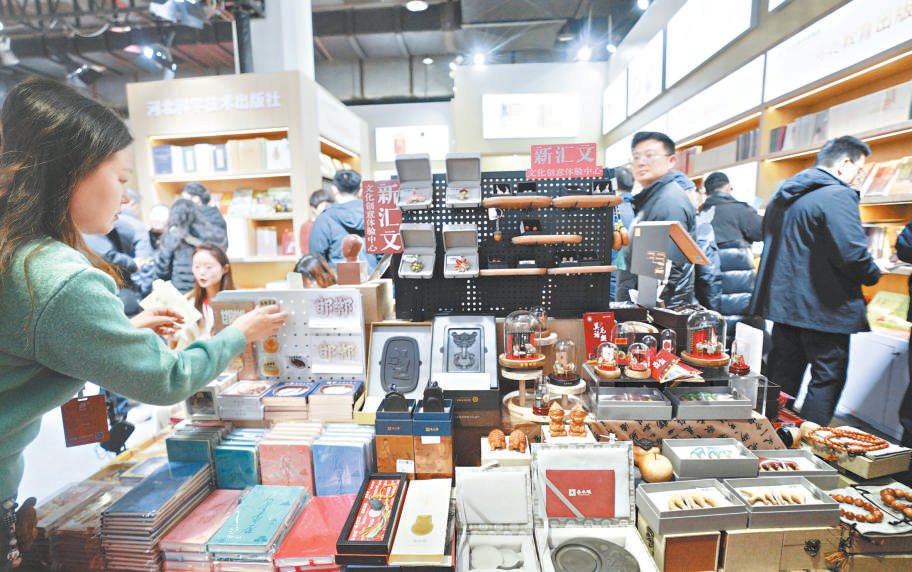
Core Insights - The 2026 Beijing Book Ordering Conference, known as a "barometer" for the Chinese publishing industry, successfully concluded with over 100,000 attendees from January 8 to January 10 [2] - The exhibition covered an area of 50,000 square meters, showcasing over 400,000 types of books, with 711 participating units and 2,765 booths, including a 33% increase in cross-border cultural product exhibition spaces [2] - The conference highlighted the industry's development through the promotion of innovative and academically rich new books, alongside various cultural activities aimed at enhancing public reading [2][4] Cultural Product Exhibition - The cross-border cultural product exhibition featured five thematic sections focused on "fusion innovation and empowering growth," covering categories such as intangible cultural heritage, IP-related products, trendy stationery, cultural tourism, and technological experiences [3] - The exhibition created an "IP-themed immersive space" with diverse interactive formats, leading the new paradigm of cross-industry integration in the cultural sector [3] Digital Transformation - The conference showcased the publishing industry's digital transformation achievements, including smart editing systems, digital reading platforms, virtual reality books, and AI creative assistants, outlining a clear vision for the future of intelligent publishing [3] Cultural Activities - Over 420 cultural activities were held during the conference, featuring top experts, sociologists, and industry professionals, fostering intellectual exchange and consensus on development [4] - Notable events included the high-quality development forum for publishing and distribution, marketing innovation exchange, and various themed discussions, enhancing the conference's role as an industry leader [4] - The event also saw the launch of significant publications focusing on party history, the history of New China, and the promotion of traditional Chinese culture, contributing to intellectual discourse and knowledge sharing [4] Historical Context - The Beijing Book Ordering Conference has been successfully held 37 times since its inception in 1987, establishing itself as a key event in the publishing industry [5]

2026北京图书订货会闭幕 40万余种图书吸引观众超10万人次
Xin Lang Cai Jing· 2026-01-10 14:21
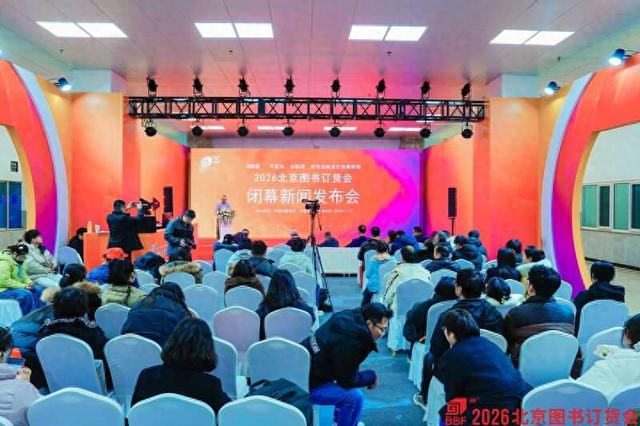
Group 1 - The 2026 Beijing Book Fair concluded after three days, showcasing over 400,000 new and key books that reflect the spirit of the times and emphasize academic research and innovative ideas [3][8] - The event attracted over 100,000 attendees, including representatives from national and private bookstores, libraries, and distribution companies, with an exhibition area of 50,000 square meters [3][8] - A total of 711 exhibitors participated, featuring 2,765 booths, and the cross-border cultural product exhibition area increased by one-third compared to the previous year, with 101 booths [3][5] Group 2 - The fair included over 420 cultural activities, highlighting the importance of cultural industry integration and innovation [3][8] - Key themes included the digital transformation of the industry, showcasing advancements such as intelligent editing systems, digital reading platforms, virtual reality books, and AI creative assistants [5][8] - Various upgraded brand cultural activities were held, including forums on high-quality development in publishing and marketing innovation, reinforcing the fair's role as an industry leader [8]
长三角文博会规模创新高,33个沉浸式项目集中亮相
Di Yi Cai Jing· 2025-11-21 02:19
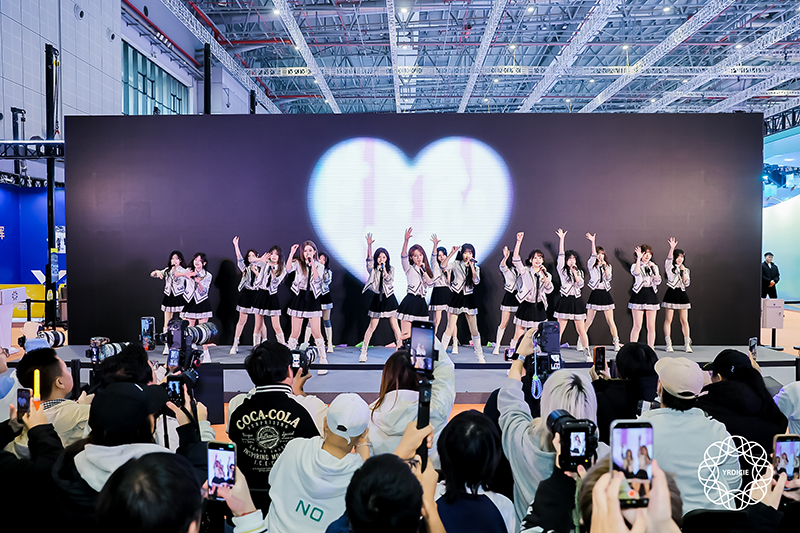
Core Insights - The 6th Yangtze River Delta International Cultural Industry Expo successfully took place from November 20 to 22 at the National Exhibition and Convention Center in Shanghai, showcasing cultural achievements from the region and emphasizing the integration of cultural heritage and innovation [1][3] Group 1: Event Overview - The expo gathered cultural treasures from Shanghai, Jiangsu, Zhejiang, and Anhui, along with participation from Yunnan, Guizhou, Inner Mongolia, and Jilin, highlighting regional explorations in cultural heritage and innovation [1][3] - The event featured over 1,500 cultural industry-related units and enterprises, displaying thousands of cultural products and nearly a thousand local delicacies, alongside 126 themed activities [3][8] Group 2: Exhibition Highlights - Shanghai's exhibition teams showcased unique designs, such as the "Drama Convenience Store" featuring a guest performance by the cast of "Dali Temple Log," and interactive XR spaces allowing audiences to engage with historical figures [3][5] - Jiangsu's exhibition area highlighted the phenomenon of the "Su Chao" football event, presenting cultural tourism routes and tech applications that demonstrate the vitality of sports and culture integration [3][5] Group 3: Technological Integration - The Zhejiang exhibition area utilized VR and AI technologies to present cultural export possibilities, while also demonstrating traditional crafts like bamboo paper and porcelain [5][7] - The expo introduced a "1+6" exhibition format, focusing on immersive experiences with 33 projects, including VR and XR applications that bring historical cultural heritage to life [7][8] Group 4: Specialized Exhibitions - Four specialized exhibition areas catered to different audience needs, including a focus on Gen Z with new products from 50 museums and revitalized traditional brands [8] - The event emphasized industry connections and transactions, hosting 126 supporting activities such as thematic summits and trade matchmaking events, covering various sectors like immersive industries and cultural tourism investment [8]
文化创新创造活力充分迸发
Jing Ji Ri Bao· 2025-08-11 00:08
Group 1: Cultural Heritage and Achievements - China's cultural heritage has been recognized globally, with the inclusion of the Western Xia Tombs in the World Heritage List, bringing the total to 60 heritage sites, maintaining a leading position worldwide [2] - The cultural and tourism sectors have seen significant growth, with over 7,046 registered museums and 14.9 billion visitors in the past year, reflecting a strong public interest in cultural heritage [2][3] - The establishment of a six-tier public cultural service network has enhanced cultural accessibility, contributing to increased cultural satisfaction among the populace [3] Group 2: Cultural Industry Growth - The cultural industry has shown robust growth, with revenues from large-scale cultural enterprises reaching 71,292 billion yuan in the first half of the year, a 7.4% increase year-on-year [5] - New cultural business models, particularly in the realms of "cultural + tourism" and "cultural + technology," have emerged, with 16 sub-sectors generating 31,564 billion yuan, marking a 13.6% increase and contributing 76.8% to the overall growth of cultural enterprises [6] Group 3: Global Cultural Influence - The inclusion of the Spring Festival in UNESCO's intangible cultural heritage list has enhanced the global recognition of Chinese culture, with 44 projects listed, the highest in the world [7] - Chinese cultural elements are increasingly popular among foreign tourists, with over 60% of visitors citing cultural experiences as their primary reason for traveling to China [8]
深汕协作绽新彩,汕尾文化振兴与产业融合成果亮相深圳文博会
Nan Fang Nong Cun Bao· 2025-05-27 17:00
Core Viewpoint - The 21st China (Shenzhen) International Cultural Industry Expo (Cultural Expo) showcased the integration of cultural revitalization and industry in Shanwei, highlighting the achievements of the Deep-Shan collaboration [2][3][52]. Group 1: Event Overview - The Cultural Expo took place from May 22 to 26 at the Shenzhen International Convention and Exhibition Center, being the largest and most influential event in China's cultural industry [2][3]. - The event served as an important platform for showcasing regional collaboration achievements, featuring various innovative forms such as dual pavilion linkage and live-streaming to promote agricultural products [4][52]. Group 2: Shanwei's Cultural Presentation - Shanwei's themed pavilion, titled "Mountain and Sea, Meet Shanwei," became a unique highlight of the expo, featuring seven distinct thematic exhibition areas showcasing intangible cultural heritage and local specialties [9][11]. - The pavilion included displays of traditional crafts, cultural products, and local delicacies, attracting significant visitor interest and engagement [12][13][18]. Group 3: Agricultural and E-commerce Integration - The expo featured a sub-venue for the Qing Apple Live E-commerce Industry Park, exploring new paths for "live-streaming + industry" integration, which showcased various thematic activities related to rural revitalization and cultural tourism [27][30]. - The live-streaming events successfully promoted local agricultural products, with notable sales achievements reported by participating businesses [25][39]. Group 4: Cultural and Tourism Development - Concurrently held was the Cultural Tourism Resource Promotion Conference, which focused on exploring new pathways for the transformation and integration of the cultural tourism industry [41][52]. - Shanwei promoted its eight major islands and introduced a development plan aimed at enhancing tourism infrastructure and experiences, contributing to the revitalization of the local economy [44][46][47]. Group 5: Future Prospects - The expo demonstrated the fruitful outcomes of the Deep-Shan collaboration, with plans for continued support and cooperation to further enhance Shanwei's cultural and economic landscape [52][53].
