
文化体制机制改革

Search documents
全省宣传部长会议在沈召开
Xin Lang Cai Jing· 2026-01-24 23:42
Group 1 - The meeting emphasized the need to deeply study and implement the spirit of the 20th Central Committee's Fourth Plenary Session and Xi Jinping's cultural thoughts, aligning thoughts and actions with the decisions of the central government and provincial work requirements [2] - It highlighted the importance of recognizing trends, understanding advantages, confronting problems, and enhancing the confidence and determination to carry out propaganda and cultural work in the new era [2] - The meeting called for strengthening the ideological responsibility, advancing the systematic research and interpretation of Xi Jinping's important speeches and directives regarding the revitalization and development of Liaoning [2] Group 2 - There is a focus on consolidating and expanding mainstream ideological discourse, promoting breakthroughs in the systematic reform of mainstream media [2] - The meeting stressed the need for governance of the online ecosystem to contribute to a "Safe Liaoning" [2] - It also emphasized the importance of cultural heritage protection and enhancing the archaeological research and dissemination of the Niuhe Liang Hongshan culture, aiming to create a highly recognizable and attractive Liaoning cultural IP [2]
总书记的话
Xin Lang Cai Jing· 2025-12-31 04:31
Group 1 - The core viewpoint emphasizes the need to stimulate the cultural innovation and creativity of the entire nation, prioritizing social benefits alongside economic benefits in cultural development [1] - The focus is on enhancing cultural confidence and utilizing rich historical and cultural resources in Guizhou to promote economic and social development [1]
北京精心书写中轴线申遗成功“后半篇文章”
Xin Lang Cai Jing· 2025-12-21 23:49
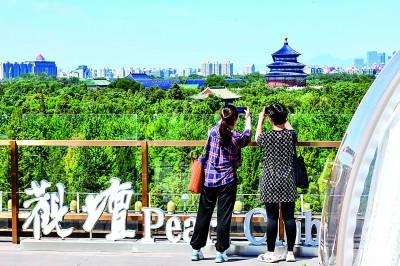
Core Viewpoint - Beijing's cultural heritage, particularly the Central Axis, has been successfully inscribed as a UNESCO World Heritage site, leading to significant urban renewal and cultural integration efforts that enhance both historical preservation and modern living [5][10]. Group 1: Urban Renewal and Cultural Integration - The "Micro Wind Terrace Plan" has transformed over 300 terraces in Dongcheng District into spaces for reading, tea tasting, and sightseeing, gaining popularity among residents and tourists [3]. - The Central Axis, stretching 7.8 kilometers, has been revitalized through meticulous urban planning that combines cultural innovation with modern amenities, enhancing the living environment while preserving historical aesthetics [5][6]. - The renovation of traditional hutongs includes comprehensive upgrades to utilities and aesthetics, creating a balance between historical authenticity and contemporary comfort [6][7]. Group 2: Community Engagement and Cultural Activities - The concept of "coexistence" has been applied in urban design, allowing for the integration of traditional elements like pigeon coops into modern architecture, fostering community spirit [7][8]. - Cultural activities in Dongcheng have increased significantly, with street cultural events rising from 72 to 146 and community activities from 49 to 225, reflecting a growing engagement with heritage [11]. - Creative cultural products, such as souvenirs inspired by historical artifacts, have become popular, allowing visitors to take a piece of the heritage home [11]. Group 3: Archaeological Discoveries and Historical Significance - Ongoing archaeological work along the Central Axis has uncovered significant historical relics, enhancing the understanding of the area's cultural and architectural history [9][10]. - The transformation of the Central Axis from a royal exclusive to a public space has marked a significant shift in accessibility and cultural engagement for the general populace [10][12]. Group 4: Digital Innovation and Global Outreach - Digital technologies have been employed to enhance the storytelling of the Central Axis, with initiatives like VR experiences and digital mapping attracting millions of online visitors [13][14]. - The narrative of the Central Axis is being shared globally through various media, including documentaries and performances, increasing its international visibility and cultural significance [12][13]. Group 5: Policy and Collaborative Efforts - A robust policy framework has been established to support the ongoing protection and management of the Central Axis, ensuring coordinated efforts between different districts in Beijing [14]. - Collaborative initiatives between Dongcheng and Xicheng districts focus on comprehensive protection and revitalization strategies for the Central Axis, contributing to the overall vibrancy of Beijing's historical areas [14].

茉莉花盛开在“故乡”六合
Xin Lang Cai Jing· 2025-12-21 22:47
Core Viewpoint - The article highlights the cultural initiatives in Liuhe District, Nanjing, focusing on the "Moli Flower" cultural brand and its integration into various community activities, aiming to enhance cultural accessibility and engagement among local residents [1][2][3][4][5] Group 1: Cultural Events and Initiatives - The "Moli Flower" cultural brand has been actively promoted through various events, including the 2025 Nanjing Jinniu Lake Moli Flower Music Festival, which attracted nearly 30,000 participants [2] - Liuhe District has implemented the "Moli Flower Opens" cultural outreach initiative, transforming metro stations into "mobile art galleries" to bring art closer to the public [1] - Over 30 large-scale cultural events have been organized, including the "Four Seasons Village Evening" and the "Moli Flower National Day Fireworks Carnival," benefiting over 200,000 residents [3][4] Group 2: Cultural Infrastructure and Resources - Liuhe District has established a comprehensive public cultural service network, including cultural centers and libraries, with over 20 performance spaces to ensure wide cultural access [4] - The district's museum, the first comprehensive museum in the northern Jiangsu region, has attracted over 120,000 visitors since its opening in October [4] - Collaboration with renowned musicians and artists aims to enhance cultural offerings and attract quality cultural resources to the area [4] Group 3: Community Engagement and Participation - The district has initiated programs to deepen community engagement, such as the "Moli Flower" cultural brand leading various grassroots cultural activities, including singing competitions and drama weeks [3][4] - More than 1,400 community cultural activities have been conducted, significantly increasing public participation and cultural appreciation [3] - The district is focusing on traditional cultural elements, offering workshops and experiences related to intangible cultural heritage, engaging over 50,000 participants in recent events [4] Group 4: Future Plans and Development - Liuhe District plans to further enhance its cultural framework by applying for national intangible cultural heritage status for local folk songs and promoting the industrialization of "Moli Flower" and "Farmer Painting" [5] - Upcoming events include hosting the 2026 Jiangsu Provincial Folk Song Conference and actively seeking city-level cultural resources to enrich local cultural offerings [5]
热词看未来|繁荣互联网条件下新大众文艺
Xin Hua She· 2025-11-18 05:43
Group 1 - The core viewpoint of the article emphasizes the importance of promoting new mass arts under internet conditions, as outlined in the Central Committee's suggestions for the 15th Five-Year Plan [1][7] - The public has increasingly engaged in artistic creation, utilizing new technologies and tools to innovate artistic forms and expressions, leading to a new collaborative and shared artistic paradigm [3][5] - By the end of 2024, there are expected to be 13,841 licensed operating internet cultural entities, with 3,828 new approvals in 2024, indicating significant growth in the sector [3] Group 2 - The new mass arts, characterized by creation by the people and shared with the people, inject strong momentum into the prosperity and development of socialist arts [5] - The suggestions aim to strengthen support and guidance for this emerging art form, encouraging more resources to participate in the development of new mass arts [7] - As the material life of the populace becomes richer, the demand for spiritual and cultural needs becomes more prominent, necessitating reforms in cultural systems and mechanisms to meet these new demands [7]
台州乱弹何以好戏连台
Ren Min Ri Bao· 2025-10-26 06:25
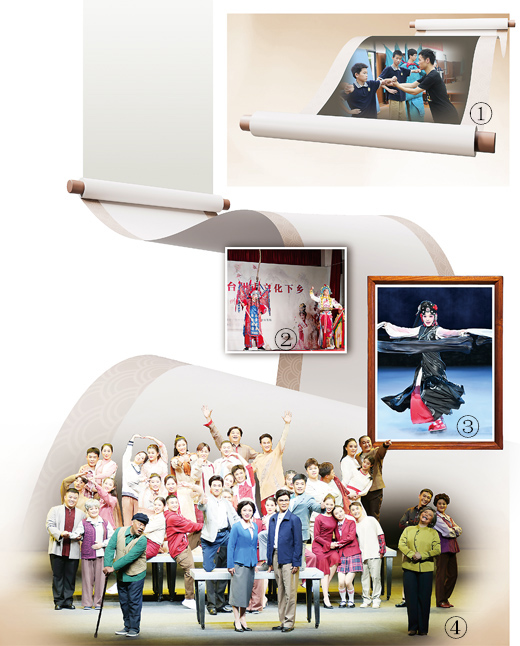
Core Viewpoint - The 20th Central Committee of the Communist Party of China emphasizes the need to stimulate cultural innovation and creativity to promote the development of socialist culture, highlighting the importance of reforming cultural systems and mechanisms to revitalize traditional art forms like Taizhou Luantan [1] Group 1: Taizhou Luantan's Revival - Taizhou Luantan, a traditional opera with nearly 400 years of history, was recognized as a national intangible cultural heritage in 2006 and has seen a resurgence since its re-establishment in 2005 after nearly 30 years of stagnation [2][3] - The Taizhou Luantan Troupe has performed over 350 shows annually, reaching an audience of more than 3 million people [2][6] - The troupe's revival was supported by a government and private funding model, with a total of 1 million yuan allocated for its operations [4] Group 2: Talent Retention Strategies - The troupe faced challenges in retaining talent, leading to the implementation of a management model focused on emotional engagement, including helping members with housing and family needs [5][6] - The troupe has successfully recruited and trained young actors from local arts schools to ensure continuity and growth [4][5] Group 3: Artistic Development and Innovation - The troupe has focused on preserving the unique characteristics of Taizhou Luantan by standardizing its musical elements and integrating local folk tunes [7][8] - The creation of original works, such as the acclaimed play "Qing Jiguang," has been pivotal in enhancing the troupe's reputation and visibility [8][9] - The troupe has actively engaged in community performances, conducting over 100 shows annually in rural areas, which has strengthened its connection with local audiences [11][12] Group 4: Future Prospects - The local government has introduced policies to support the troupe's development, focusing on talent cultivation and market support, which are expected to further enhance the "public-private partnership" model [13] - The leadership expresses confidence in the future of Taizhou Luantan, citing strong governmental support, audience appreciation, and the dedication of its performers [13]
台州乱弹何以好戏连台(文化中国行·人文观察·关注文化体制机制改革①)
Ren Min Ri Bao· 2025-10-25 22:12
Core Viewpoint - The revival and development of the Taizhou Luantan troupe exemplify successful cultural innovation and reform in the context of China's cultural policies, showcasing how traditional art forms can thrive through community engagement and government support [2][14]. Group 1: Historical Context and Revival - Taizhou Luantan, a traditional opera with nearly 400 years of history, was recognized as a national intangible cultural heritage in 2006 [3]. - The troupe faced a near extinction period of about 30 years before being reestablished in 2005 with government and local enterprise support, totaling 1 million yuan [6]. - Since its revival, the troupe has performed over 350 shows annually, reaching an audience of more than 3 million [4]. Group 2: Talent Retention and Management - The troupe adopted a "people-oriented" management approach to retain talent, including assisting members with housing and family needs [7]. - The government supports the troupe through purchasing public performances and promoting quality creations, enhancing both artistic value and social impact [7]. Group 3: Artistic Development and Innovation - The troupe has focused on preserving the unique musical characteristics of Taizhou Luantan while integrating local folk elements [8]. - Successful productions like "Qin Jiguang" and "My Dachen Island" have helped elevate the troupe's profile, with "Qin Jiguang" being featured at the Shanghai International Arts Festival [10][11]. - The troupe's modern adaptations of traditional themes have resonated with younger audiences, leading to a blend of traditional and contemporary storytelling [12]. Group 4: Community Engagement and Outreach - The troupe conducts over a hundred community performances annually, engaging with local audiences across various venues [12]. - The grassroots approach has strengthened the connection between the troupe and the community, allowing for a better understanding of audience preferences [13]. - The local government's policies further support the troupe's operational model, enhancing its sustainability and growth prospects [14].
省政协举行党组理论学习中心组专题学习会
Liao Ning Ri Bao· 2025-08-28 01:27
Core Insights - The meeting emphasized the importance and urgency of deepening cultural system and mechanism reforms to enhance cultural confidence and promote the construction of a cultural strong province [1][2] - The focus is on transforming cultural resource advantages into developmental advantages, providing strong value guidance, cultural cohesion, and spiritual motivation for the comprehensive revitalization of Liaoning [1] Group 1 - The meeting highlighted the need to accelerate the transformation of government functions and improve the macro management system of culture to enhance governance efficiency [2] - It called for innovation in public cultural service mechanisms, promoting standardized and equitable public cultural services [2] - The establishment of a modern cultural industry system was emphasized, promoting deep integration of culture with technology, tourism, and sports to create new economic growth points [2] Group 2 - The meeting stressed the importance of improving cultural creation and production mechanisms to produce more high-quality works that reflect the spirit of the times and showcase Liaoning's characteristics [2] - It also highlighted the need for innovative talent team construction mechanisms to enhance the introduction, training, utilization, and evaluation of cultural talents, aiming to build a high-quality cultural talent team [2][3]
吴桂英调研深化文化体制机制改革工作
Chang Sha Wan Bao· 2025-08-22 03:13
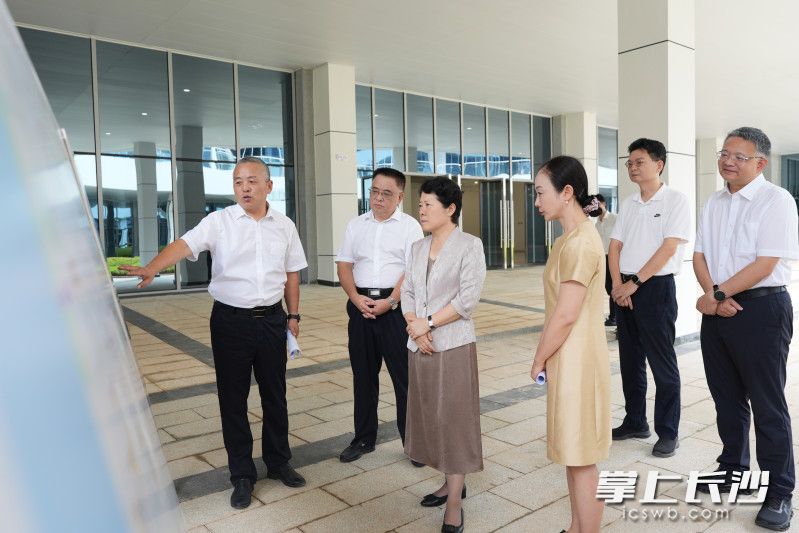
Group 1 - The core viewpoint emphasizes the need for reform and innovation in cultural systems to overcome development bottlenecks and stimulate vitality, aligning with Xi Jinping's cultural thoughts and directives [1][3] - The construction of the Changsha Workers' Cultural Palace is nearing completion, with plans for delivery within the year, highlighting the importance of optimizing public cultural facility layouts and enhancing service effectiveness to meet new cultural demands [3] - The focus on integrating culture with technology and tourism aims to promote high-quality development in Changsha's cultural sector, fulfilling the cultural mission of the new era [1][3] Group 2 - The establishment of the New Era Civilization Practice Center in the Dongtang Street community is aimed at deepening community engagement and promoting innovative practices in cultural education [6] - The archaeological work in Changsha is encouraged to preserve and interpret cultural relics, emphasizing the need for a strong professional talent pool and the integration of technology in cultural heritage [6] - The Changsha Art Museum is recognized as a vital channel for meeting cultural needs and enhancing social civilization, with a call for innovative exhibition models and improved management to boost public participation [9] Group 3 - The encouragement for performing arts venues like the Xiaoma Comedy Theater to maintain a positive creative direction and promote popular art forms reflects a commitment to cultural vitality and community engagement [9]
用好改革关键一招 为文化强省建设注入强劲动能
Shan Xi Ri Bao· 2025-08-14 23:14
Group 1 - The core viewpoint emphasizes the necessity of reform to achieve significant breakthroughs in cultural development, as outlined in the recent meeting of the Provincial Party Committee [1] - The document highlights the importance of addressing institutional and mechanism barriers to stimulate cultural innovation and creativity, which are essential for building a strong cultural province [1] - It stresses the need for deepening state-owned enterprise reforms in the cultural sector, focusing on strategic restructuring and enhancing core competitiveness while prioritizing social benefits [1] Group 2 - The optimization of cultural services and product supply mechanisms is crucial, particularly in reforming state-owned cultural institutions and enhancing the development of art troupes [2] - The document calls for a balanced relationship between effective markets and proactive government involvement, with increased support for traditional art forms and community performances [2] - It emphasizes the need for reform in network management systems to strengthen mainstream ideological discourse and improve online governance [2] Group 3 - The document advocates for optimizing resource allocation in the cultural sector, promoting the free flow and efficient allocation of talent, capital, technology, and data [3] - It suggests creating a favorable policy environment for private capital to participate in the cultural industry and increasing financial support for social sciences and cultural projects [3] - The establishment of land management mechanisms that align with cultural heritage protection requirements is also highlighted [3] Group 4 - The need to stimulate talent innovation and creativity in the cultural field is emphasized, with a focus on developing mechanisms for talent selection, training, and incentives [4] - The document encourages creating an environment conducive to the emergence of top talent and providing opportunities for young and grassroots talents [4] - It underscores the importance of reform as a key strategy to invigorate various cultural entities and contribute to the development of the province [4]