断供潮

Search documents
房价暴跌50%!为什么还没出现“集体断供潮”和“银行倒闭”?
Sou Hu Cai Jing· 2025-12-08 06:15
Core Viewpoint - Despite significant declines in housing prices across various cities in China, a wave of mortgage defaults has not materialized, and banks remain stable, indicating unique characteristics of the Chinese housing and banking systems [3][5][19]. Housing Price Decline - Many cities, particularly in lower-tier markets, have experienced housing price reductions exceeding 50%, with specific cities like Langfang and Baoding seeing declines of 69% and 66% respectively [4][5]. - The overall sentiment is that even with substantial price drops, the anticipated mortgage default crisis has not occurred, contrasting with expectations based on international experiences [5][19]. Mortgage Structure and Borrower Behavior - The structure of mortgages in China differs significantly from that in the U.S., with fixed-term loans and strict repayment conditions, making it less likely for borrowers to default [7][9]. - Most borrowers rely on stable income sources to repay loans, and the cultural emphasis on homeownership leads many to continue payments despite financial strain [11][13][16]. - The consequences of default, including damage to credit scores and social stigma, deter many from considering it an option [14][16]. Bank Stability and Risk Management - Chinese banks maintain low non-performing loan ratios, with major banks reporting rates below 1% for personal housing loans, reflecting effective risk management practices [5][19]. - The requirement for substantial down payments (often around 30%) reduces the risk for banks, as even in the event of defaults, losses are minimized [9][21]. - The banking system's conservative approach to lending and the backing of government policies contribute to its resilience [21]. Cultural and Social Factors - The concept of homeownership in China is deeply ingrained, with homes viewed as essential for family stability, education, and social status, leading to a reluctance to default [13][14][16]. - The societal pressure to maintain creditworthiness and the fear of social repercussions from defaulting play significant roles in borrowers' decisions to continue making payments [16][21]. - The phenomenon of "sacrificing personal comfort" to uphold mortgage obligations reflects a broader cultural attitude towards responsibility and family honor [21].

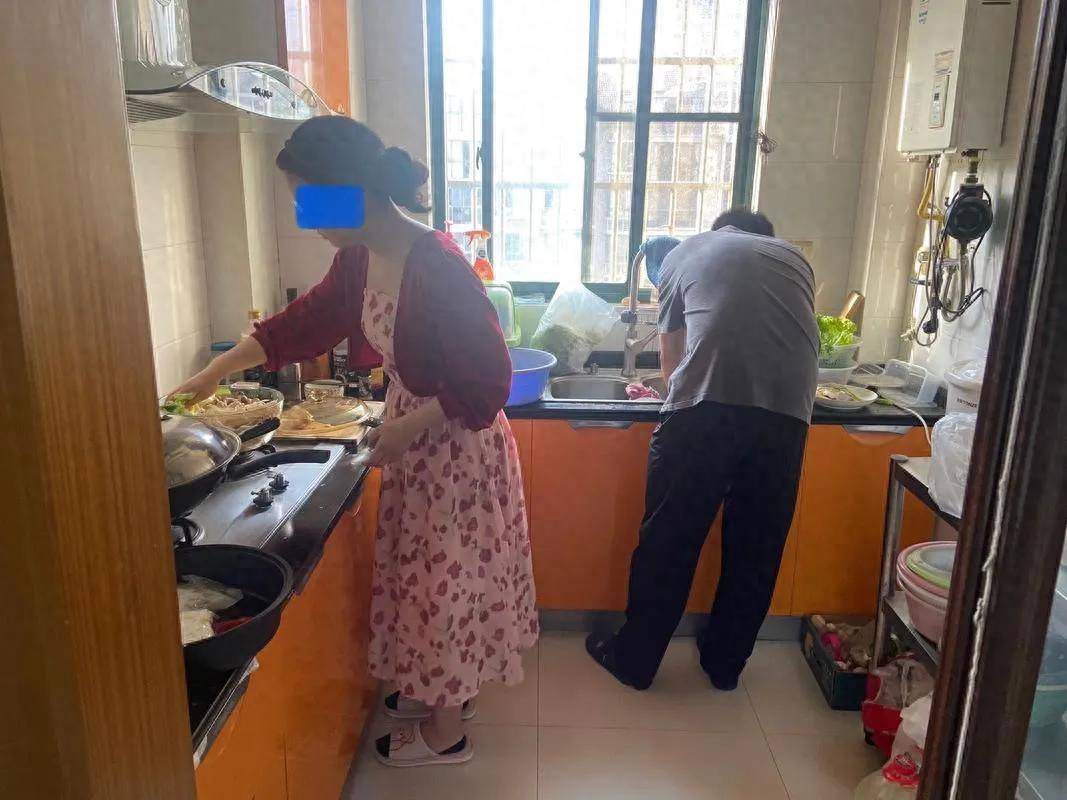
中国断供房超过350万套?内行人建议:提前做准备,注意3个问题
Sou Hu Cai Jing· 2025-11-25 09:38
Core Insights - The Chinese real estate market is undergoing a significant transformation, marked by a surge in mortgage defaults and a dramatic increase in the number of foreclosed properties, which is projected to exceed 3.5 million this year [1][3]. Group 1: Causes of Mortgage Defaults - The sharp decline in property prices has led to a "roller coaster" effect for investors, prompting many to abandon their properties to mitigate losses as prices have dropped by as much as 30% in some areas [5][7]. - Economic pressures have intensified, with many households facing reduced incomes or unemployment, making it increasingly difficult to meet mortgage obligations [7]. - Impulsive investment decisions made during the property price boom have resulted in regret as falling prices and rising financial burdens lead some homeowners to choose default as a way out [5][7]. Group 2: Industry Implications - The difficulty in selling properties has increased, with developers resorting to significant discounts, and the number of second-hand homes listed for sale has surged by 25% in key cities [9]. - The rising number of foreclosed properties poses a challenge for banks, as the value of down payments diminishes and the ability to liquidate these assets becomes increasingly difficult [10]. - The potential for accelerated property tax reforms is emerging as a response to the growing number of defaults and market instability, indicating a shift towards more stringent regulatory measures [11].
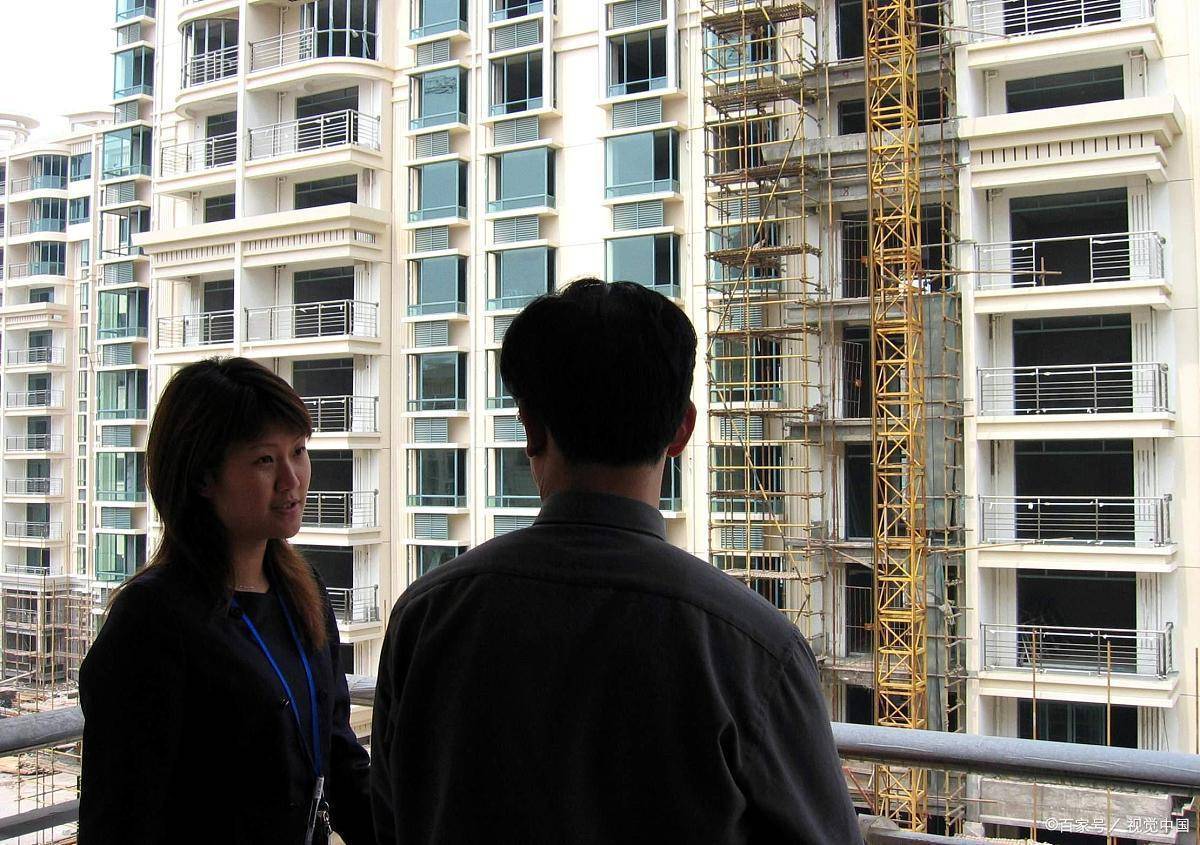
断供房越来越多,专家建议取消房贷,降低购房压力,可行吗?
Sou Hu Cai Jing· 2025-11-03 16:14
Core Insights - The phenomenon of "supply interruption" in the housing market has surged, with a 37.8% year-on-year increase in the total number of interrupted supply houses, amounting to over 278 billion yuan, indicating a severe situation [1] - The decline in housing prices, dropping by 30% from historical highs, has led many buyers to face negative equity, forcing some to stop mortgage payments due to financial strain [1] - Economic downturns, including reduced income and rising unemployment, have exacerbated the inability of families to meet high monthly mortgage payments, making supply interruption a necessary choice [1] Summary by Sections Causes of Supply Interruption - Significant drop in housing prices has rendered many properties as negative assets for buyers, leading to increased supply interruptions [1] - Economic challenges, including income reduction and unemployment, have left families unable to afford mortgage payments, resulting in a rise in supply interruptions [1] Expert Recommendations - Experts suggest that canceling mortgages is not a viable solution due to the importance of mortgage business as a profit source for banks, which hold 38.6 trillion yuan in personal housing loans, accounting for 17.9% of total loans [5] - The current high housing prices necessitate loans for most families; canceling mortgages could lead to a sharp decline in housing demand and potential economic shocks [5] - Instead of canceling mortgages, it is recommended to raise the thresholds for mortgage loans to prevent excessive lending to those unable to repay, thereby reducing systemic financial risks [5] Policy Suggestions - Allow housing prices to gradually return to their residential attributes to eliminate bubbles and reduce future repayment pressures for homebuyers, which would decrease supply interruptions [6] - Accelerate the entry of affordable housing into the market and promote shared ownership housing to alleviate repayment pressures for buyers [6] - Implement more affordable rental housing options to address the housing needs of low-income families, rather than merely lowering mortgage thresholds [7]
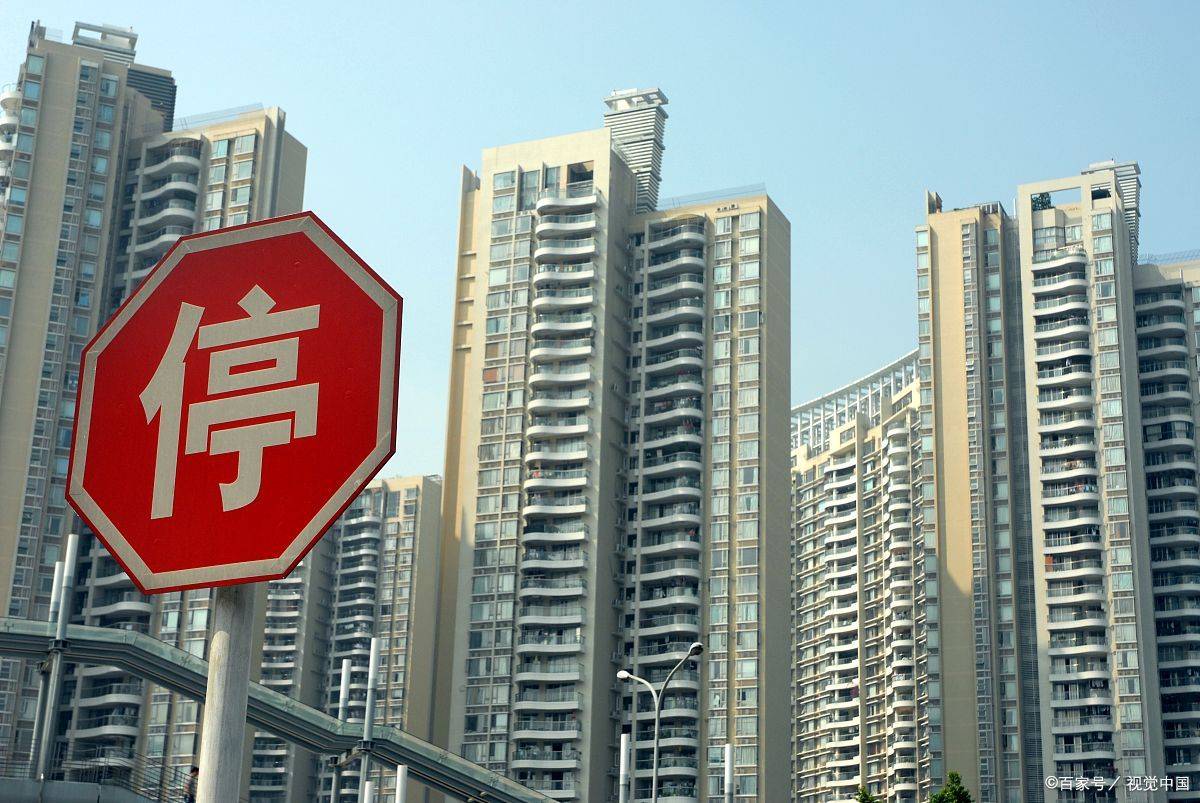
真让曹德旺说中了?超200万套“断供房”出现,楼市格局日渐清晰
Sou Hu Cai Jing· 2025-09-18 23:20
Core Insights - The article highlights the significant downturn in China's real estate market, with a notable increase in properties entering the market due to mortgage defaults, reflecting a broader shift in consumer attitudes towards homeownership and investment [1][2][4]. Market Overview - Over 200 million properties have entered the market due to mortgage defaults, a 57% increase compared to the same period in 2023 [1]. - In Q1 2025, the sales area and sales amount of commercial housing fell by 16.8% and 19.3% year-on-year, respectively [1]. - The housing price index has seen a continuous decline for seven consecutive quarters, with significant drops in third and fourth-tier cities [1]. Regional Analysis - The highest rates of mortgage defaults are found in third and fourth-tier cities, with a default rate of 6.8%, which is 3.7 times higher than that of many first-tier cities [2]. - Properties in economically lagging areas and those with severe population outflow are particularly affected [2]. Property Type Insights - Small investment properties and mixed-use residential properties are the most affected by mortgage defaults, with a default rate of 8.3% for units under 80 square meters and 12.7% for mixed-use properties [2][3]. Consumer Behavior Shift - A significant shift in consumer sentiment is noted, with 67% of potential buyers prioritizing self-occupancy over investment, compared to only 15% who view real estate primarily as an investment [4]. - This change in perspective is reshaping the real estate market dynamics [4]. Developer Strategies - Since 2024, over 500 small and medium-sized real estate companies have declared bankruptcy or undergone restructuring, indicating a shift in operational strategies [4]. - Developers are increasingly focusing on urban renewal, senior housing, and rental markets, with new construction areas declining by 28.5% while renovation projects increased by 36.7% [4][6]. Future Market Predictions - Predictions indicate that while premium properties in core urban areas may stabilize, prices in third and fourth-tier cities could decline by an additional 10% to 20% [6]. - In the first half of 2025, core urban areas in major cities saw only a 2.3% price drop, while third and fourth-tier cities experienced an average decline of 11.7% [6]. Investment Strategies - For property owners, 46% plan to sell non-core properties to retain or acquire premium assets [8]. - Strategies for those facing mortgage difficulties include negotiating with banks, downsizing, or renting out parts of their homes [8]. Long-term Market Outlook - The real estate market is transitioning from a high-growth phase to one focused on quality development, emphasizing living experience and service quality over mere asset appreciation [12]. - A return to the fundamental purpose of housing as a place to live rather than a speculative investment is encouraged [12].