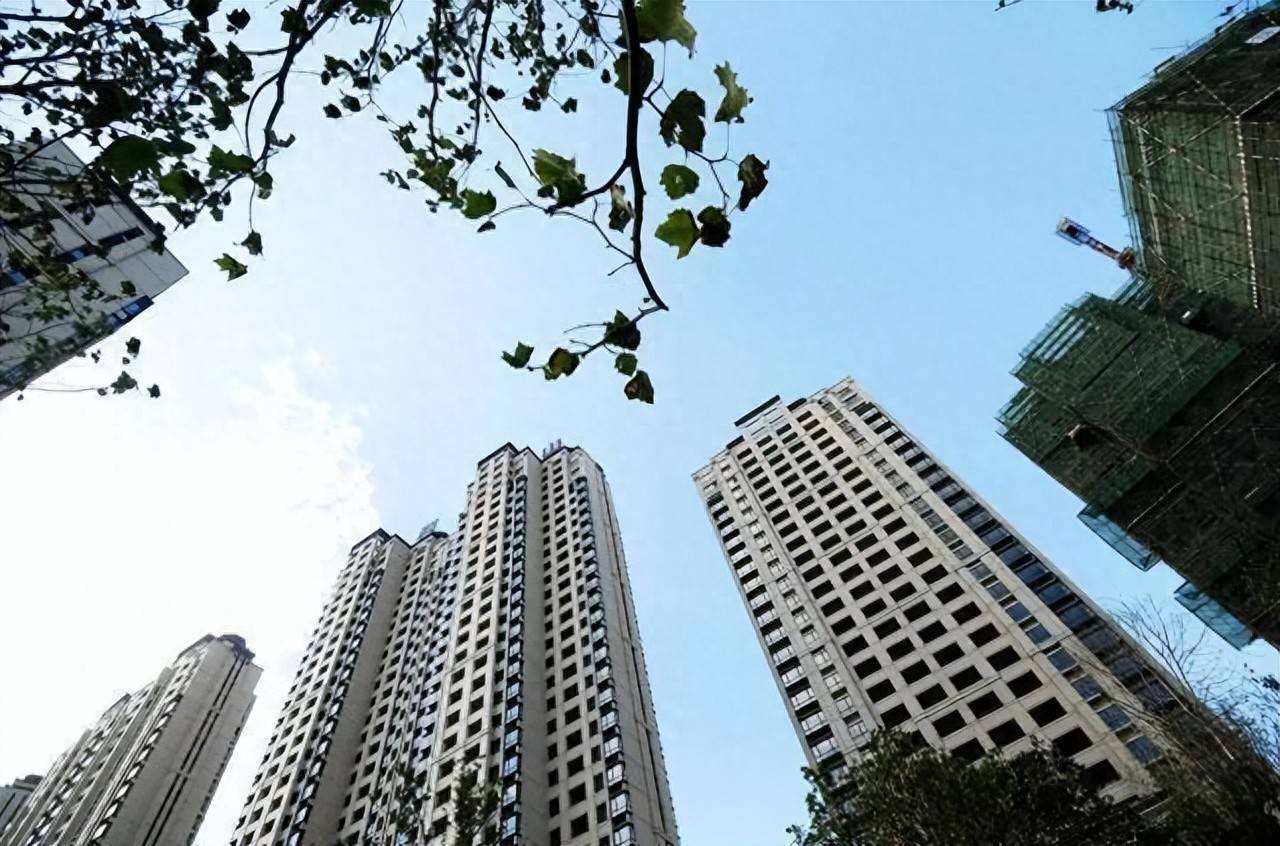
房地产市场变革

Search documents
若不出意外,2026房地产3大转变重塑格局,卖房买房都注意
Sou Hu Cai Jing· 2026-02-20 14:25
Core Viewpoint - The Chinese real estate market is undergoing a fundamental transformation, shifting from a high-growth era to a new development phase centered on residential attributes, driven by government intervention and changes in buyer behavior [1][10]. Policy Shift - The focus of real estate policies has transitioned from stimulating home purchases to direct government intervention, including the acquisition of existing properties to convert them into affordable housing [2][4]. - The central economic work conference in 2025 highlighted the strategy of purchasing existing homes to alleviate inventory pressure for developers while enhancing housing security for citizens [2][4]. Industry Upgrade - The adoption of prefabricated construction methods is set to revolutionize the real estate sector, with Guangzhou leading the way by mandating 100% use of this method for residential projects [5][6]. - Prefabricated buildings improve construction efficiency by 30-50%, significantly reduce waste by 91%, and enhance the quality of housing, aligning with environmental goals [5][6]. Market Return - The market is shifting from speculative buying to a value-driven approach, with buyers now prioritizing practical living needs over investment potential [7][8]. - Key factors influencing purchasing decisions include location, established amenities, and property management quality, with urban areas showing resilience compared to suburban regions [8]. New Purchasing Strategies - Buyers with genuine housing needs are encouraged to adopt a rational approach, focusing on core urban areas and established properties to mitigate risks associated with speculative investments [9]. - The emphasis is on viewing residential properties as stable assets rather than investment vehicles, with a focus on comfort, asset resilience, and liquidity [9].


买菜大妈一句话说透楼市本质?众人坦言:比许多专家看得透彻
Sou Hu Cai Jing· 2026-02-17 13:29
Core Insights - The current real estate market in China is experiencing a shift, with the traditional "hot money" speculation phase coming to an end as demand saturates and supply exceeds demand [1][3][7] Group 1: Market Saturation and Demand - Over 96% of households in China own at least one property, with 41.5% owning two or more, indicating a saturated market [1] - There are approximately 120 million vacant homes in China, sufficient to accommodate 300 to 400 million people, highlighting the oversupply in the market [1] Group 2: Market Adjustment and Investor Behavior - The real estate market has entered an adjustment phase, losing its previous profit-making allure, leading investors to withdraw or adopt a wait-and-see approach as prices stagnate or decline [3] - The number of cities with over 100,000 second-hand homes listed for sale has reached 15 and is expected to continue rising [3] Group 3: Economic Concerns and Consumer Sentiment - A significant increase in savings among the public, amounting to 15 trillion yuan in 2022, has not translated into increased purchasing power for homes due to economic uncertainties and a lack of confidence in future income [5] - A survey indicates that 61.8% of residents prefer to save more, reflecting a cautious consumer sentiment that suppresses housing demand [5] Group 4: Future Market Dynamics - The introduction of affordable housing options is expected to further divert demand from the commercial housing market, leading to a tripartite market structure consisting of commercial housing, rental markets, and shared ownership housing [7] - The demand for speculative real estate investment is likely to diminish as these new housing options become available [7]
曹德旺预言要成真?若不出意外,2026年房地产或将面临5大转折
Sou Hu Cai Jing· 2026-01-07 06:39
Core Viewpoint - The real estate market in 2026 has shifted from a speculative environment to a focus on quality housing, with significant changes in buyer behavior and market dynamics [3][12][34]. Market Reversal - The market has transitioned from a "buying frenzy" to a "quality improvement" phase, with 45% of total transactions being second-hand homes, and major cities like Shenzhen and Shanghai seeing transaction volume increases of 20%-30% year-on-year [5][7]. - New home sales are expected to decline by 6.2% in 2026, indicating a cooling new home market [7]. - Developers are becoming more cautious, with residential land transaction area dropping by 13.7% in 2025 and expected new construction area to decrease by 8.6% in 2026 [9][10]. Product Upgrade - The focus for homebuyers in 2026 is shifting towards selecting "good houses," with a national push for quality housing construction [12]. - There are over 120 million vacant homes in urban areas, enough to accommodate 360 million people, highlighting an oversupply issue [13]. - New developments are being upgraded in terms of design and amenities, with stricter standards being implemented [15][17]. Regional Differentiation - The market is experiencing a stark divide, with high demand for quality homes in core cities and a surplus of unsold properties in lower-tier cities [22][23]. - Inventory turnover in first and strong second-tier cities is generally under 12 months, while it exceeds 24 months in many third and fourth-tier cities [25]. - Population migration towards major cities is driving demand, with Beijing's new home sales increasing by 8.48% in 2025 [27][29]. Policy Support - The central government is committed to stabilizing the real estate market, with new policies aimed at stimulating demand and improving supply [34][36]. - Recent policy changes in Beijing have already led to increased buyer activity, with further optimizations expected in cities like Shanghai and Shenzhen [38]. - Efforts are being made to address market irregularities and protect buyers from misinformation [40][42].

银行5折卖房潮来袭!上万套房产大甩卖,普通人该不该接盘?
Sou Hu Cai Jing· 2025-11-30 18:06
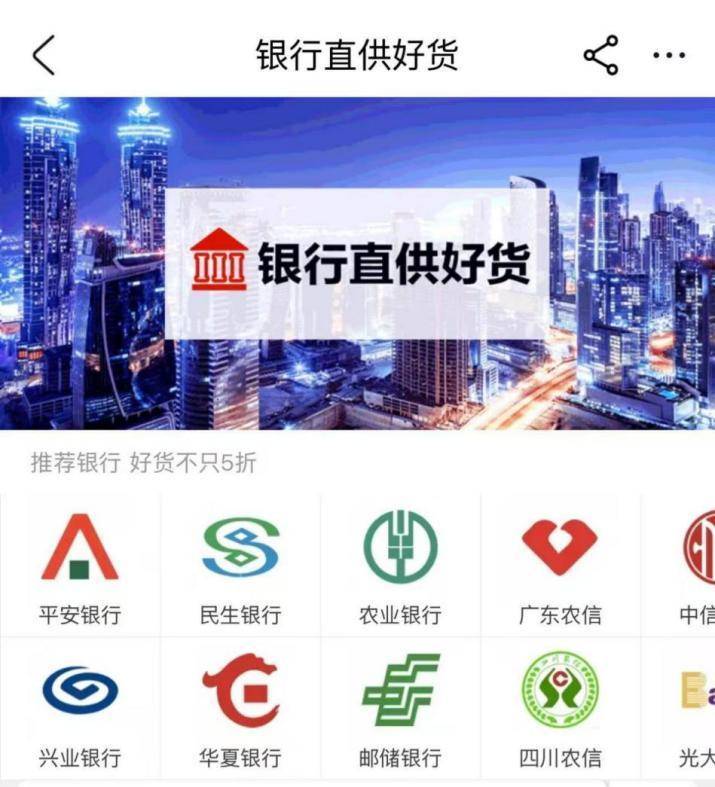
Core Viewpoint - Banks are aggressively selling properties at significant discounts, with prices as low as 50-70% of market value, in response to the declining real estate market and increasing non-performing loans [1][3]. Group 1: Market Dynamics - The real estate market has undergone drastic changes, leading to a rise in loan defaults as borrowers choose to stop payments, forcing banks to reclaim properties [3]. - Banks are facing a saturation in the foreclosure market, with many properties being returned after failing to sell at auction, necessitating urgent liquidation efforts [3][5]. - Major banks, including Agricultural Bank and Postal Savings Bank, are participating in this property sell-off, with significant numbers of properties listed for sale [1][3]. Group 2: Pricing Examples - In Beijing, a bank-listed property is priced at 51,000 yuan per square meter, compared to a market price of 70,000 yuan, representing a 27% discount [5]. - In Lanzhou, a property is listed at only 2,000 yuan per square meter, while the market price is 5,000 yuan, indicating a 60% reduction [5]. Group 3: Buyer Considerations - Buyers must be prepared to pay in full, as banks are not offering financing options for these discounted properties, which may pose a financial burden [8]. - There are potential risks associated with existing rental agreements that may complicate ownership transfer, as well as issues related to unpaid utility fees and household registration [8][10]. - Due diligence is essential, as highlighted by individual experiences of buyers facing unexpected costs and complications after purchase [10]. Group 4: Market Impact - The large-scale sale of discounted properties by banks is accelerating the decline in real estate prices, further straining developers and real estate agents [10]. - Banks are likely to adopt more stringent lending practices in the future, tightening the availability of credit in the real estate market [10][15]. Group 5: Future Outlook - The ongoing trend of banks selling properties reflects a significant transformation in the Chinese real estate market, shifting from a speculative mindset to a more cautious approach among buyers [15]. - As banks continue to clear their inventory, more discounted properties may become available, presenting both opportunities and risks for potential buyers [15].





大咖预言说对了?如果不出意外,2025年楼市将发生大变化
Sou Hu Cai Jing· 2025-10-17 14:08
Core Viewpoint - The Chinese real estate market has experienced a significant downturn since 2022, with average national housing prices dropping by 30% from their historical peak, and some cities seeing declines of over 50% [3][4]. Group 1: Market Trends - Since 2022, housing prices in China have entered a downward trend, starting with second and third-tier cities like Tianjin and Zhengzhou, and extending to first-tier cities such as Shanghai and Shenzhen in 2023 [3]. - Certain cities, including Hegang and Tieling, have seen housing prices fall to extremely low levels, with prices as low as tens of thousands of yuan [4]. - By 2025, the real estate market is expected to undergo significant changes, with notable trends including price differentiation across regions [5]. Group 2: Price Differentiation - Housing prices in the Beijing metropolitan area have experienced the most severe declines, with some areas dropping by 60% to 70% from historical highs [6]. - First-tier cities like Shanghai and Shenzhen may experience a "catch-up" decline, affecting both suburban and central areas, breaking the myth that core areas will only see price increases [8]. Group 3: Demand Dynamics - The number of first-time homebuyers is expected to decrease significantly due to the nearing end of urbanization in China and the aging population, leading to a long-term oversupply of housing [8]. - Many young people may not need to purchase homes as they inherit properties from their parents, further reducing demand [8]. Group 4: Developer Landscape - A major reshuffling of real estate developers is anticipated by 2025, driven by a debt repayment peak where top developers face liabilities totaling 3 trillion yuan [8]. - Many developers are struggling with high debt levels due to previous aggressive borrowing and are now unable to sell accumulated properties, leading to potential bankruptcies or mergers [8]. Group 5: Affordable Housing Initiatives - The Chinese government plans to accelerate the introduction of affordable housing, with a target of 6 million units over the next five years to meet the needs of low-income urban residents [9]. - The pricing of affordable housing will be lower than that of nearby market-rate homes, which is expected to increase downward pressure on housing prices in the broader market [9].

真让曹德旺说中了?超200万套“断供房”出现,楼市格局日渐清晰
Sou Hu Cai Jing· 2025-09-18 23:20
Core Insights - The article highlights the significant downturn in China's real estate market, with a notable increase in properties entering the market due to mortgage defaults, reflecting a broader shift in consumer attitudes towards homeownership and investment [1][2][4]. Market Overview - Over 200 million properties have entered the market due to mortgage defaults, a 57% increase compared to the same period in 2023 [1]. - In Q1 2025, the sales area and sales amount of commercial housing fell by 16.8% and 19.3% year-on-year, respectively [1]. - The housing price index has seen a continuous decline for seven consecutive quarters, with significant drops in third and fourth-tier cities [1]. Regional Analysis - The highest rates of mortgage defaults are found in third and fourth-tier cities, with a default rate of 6.8%, which is 3.7 times higher than that of many first-tier cities [2]. - Properties in economically lagging areas and those with severe population outflow are particularly affected [2]. Property Type Insights - Small investment properties and mixed-use residential properties are the most affected by mortgage defaults, with a default rate of 8.3% for units under 80 square meters and 12.7% for mixed-use properties [2][3]. Consumer Behavior Shift - A significant shift in consumer sentiment is noted, with 67% of potential buyers prioritizing self-occupancy over investment, compared to only 15% who view real estate primarily as an investment [4]. - This change in perspective is reshaping the real estate market dynamics [4]. Developer Strategies - Since 2024, over 500 small and medium-sized real estate companies have declared bankruptcy or undergone restructuring, indicating a shift in operational strategies [4]. - Developers are increasingly focusing on urban renewal, senior housing, and rental markets, with new construction areas declining by 28.5% while renovation projects increased by 36.7% [4][6]. Future Market Predictions - Predictions indicate that while premium properties in core urban areas may stabilize, prices in third and fourth-tier cities could decline by an additional 10% to 20% [6]. - In the first half of 2025, core urban areas in major cities saw only a 2.3% price drop, while third and fourth-tier cities experienced an average decline of 11.7% [6]. Investment Strategies - For property owners, 46% plan to sell non-core properties to retain or acquire premium assets [8]. - Strategies for those facing mortgage difficulties include negotiating with banks, downsizing, or renting out parts of their homes [8]. Long-term Market Outlook - The real estate market is transitioning from a high-growth phase to one focused on quality development, emphasizing living experience and service quality over mere asset appreciation [12]. - A return to the fundamental purpose of housing as a place to live rather than a speculative investment is encouraged [12].

未来5年的中国房地产:大胆预言引发热议
Sou Hu Cai Jing· 2025-09-05 18:47
Core Viewpoint - The Chinese real estate market is expected to undergo significant changes over the next five years due to increased government regulation and control measures aimed at curbing speculation and stabilizing housing prices [3][5][7] Group 1: Government Regulation - The government is likely to tighten housing purchase restrictions, which will reduce speculative investment and help control rapid price increases [3] - There will be an oversupply of housing in third, fourth, and fifth-tier cities, leading to a decline in prices back to levels seen before 2015, providing opportunities for young buyers [3] Group 2: Market Segmentation - A clear trend of market segmentation is anticipated, where high-quality projects and prime locations will maintain relatively stable prices, making them attractive investment options [5] - The adjustment in the real estate market will impact economic development, prompting a need for optimization within related industries, which may create new business opportunities [5] Group 3: Changing Consumer Behavior - Young people's willingness to purchase homes is expected to decline, with more opting for renting or delaying home purchases, indicating a growing rental market [7] - Real estate companies will need to adapt to the changing consumption patterns of young consumers by offering more valuable and quality rental services [7] Group 4: Future Outlook - The next five years will bring multiple changes and challenges to the Chinese real estate market, with increased government oversight leading to market stabilization [7] - The real estate industry will face adjustments and optimizations, but it will also present new opportunities for companies that can innovate and strategically navigate the evolving landscape [7][9]