新型存储内存平台

Search documents
黄仁勋CES回应全场!内存卡了GPU脖子,游戏玩家可能只能用旧显卡了
猿大侠· 2026-01-08 04:11
Core Viewpoint - Huang Renxun emphasizes that robots are the "AI immigrants" capable of taking on jobs that humans are unwilling to do, highlighting the need for AI to support economic growth and job creation [10][11]. Group 1: AI and Robotics - Huang predicts that a significant number of jobs will not be replaced by AI in the near future, but blue-collar jobs in manufacturing may disappear [12]. - He expects to see robots with human-level mobility and dexterity by the end of this year [12]. - The development of robots requires not only visual perception but also tactile capabilities, which poses significant technical challenges [13]. Group 2: Autonomous Driving - Huang introduced the world's first open-source, large-scale autonomous driving visual-language-action (VLA) reasoning model, Alpamayo 1, and highlighted its differences from Tesla's Full Self-Driving (FSD) technology [15][16]. - NVIDIA positions itself as a technology platform provider for companies developing autonomous vehicles, rather than a manufacturer of autonomous cars [16][20]. - The company has a high industry penetration rate, with over 1 billion vehicles on the road, and anticipates that millions will have strong autonomous driving capabilities in the next decade [20]. Group 3: AI Infrastructure and Memory Supply - Huang describes AI infrastructure as "AI factories," emphasizing the need for unprecedented infrastructure to convert power, chips, and data into intelligent outputs [35]. - He addresses the tight supply of high-bandwidth memory (HBM) and proposes a new storage memory platform concept, asserting that NVIDIA is a key demand engine across various memory types [36]. - NVIDIA is the first and nearly the only major user of HBM4, collaborating closely with memory suppliers to ensure synchronized production and platform release [36]. Group 4: Gaming and Graphics Technology - NVIDIA upgraded its super-resolution model with the new DLSS 4.5 version, enhancing multi-frame generation capabilities [31]. - Huang speculates that future rendering methods will likely involve executing more AI computations on fewer but higher-quality pixels, leading to significant advancements in gaming realism [32]. - He believes that future video games will be filled with AI-driven characters, greatly enhancing the immersive experience [32][33]. Group 5: Market Dynamics and Product Strategy - NVIDIA is considering restarting the production of older graphics cards due to rising memory costs and supply constraints, indicating that this option is not off the table [25][26]. - The company is exploring the possibility of integrating the latest AI technologies into previous generations of GPU products, although this would require substantial R&D resources [26][27].


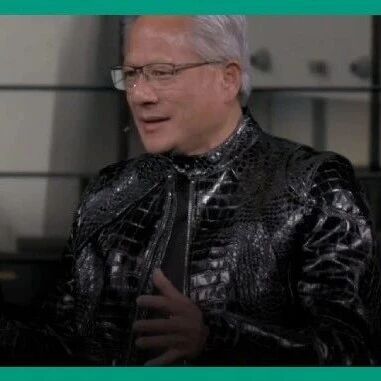
黄仁勋CES回应全场,内存卡了GPU脖子,游戏玩家可能只能用旧显卡了
3 6 Ke· 2026-01-07 11:04
Core Insights - Huang Renxun emphasized that robots are akin to AI immigrants, capable of taking on jobs that humans are reluctant to perform [1][5] - The company is considering restarting old production lines for GPUs, such as the RTX 3060, to incorporate new technologies due to current supply chain challenges [1][14][15] Group 1: AI and Robotics - The core theme of Huang's presentation at CES 2026 revolved around physical AI, including robotics and autonomous driving [5] - Huang stated that the "robot revolution" will drive economic growth, creating more jobs and absorbing more labor, while maintaining low inflation levels is crucial for a healthy economy [5] - He predicted that by the end of this year, robots will achieve human-level capabilities in mobility, joint movement, and fine motor skills [5] Group 2: Autonomous Driving - Huang introduced the world's first open-source, large-scale autonomous driving visual-language-action (VLA) inference model, named Alpamayo 1 [7] - The key distinction between Alpamayo and Tesla's FSD is that NVIDIA does not manufacture autonomous vehicles but provides a complete technology stack for companies developing them [9][11] - NVIDIA's systems have high industry penetration, with over 1 billion vehicles on the road today, and millions expected to have autonomous capabilities in the next decade [10] Group 3: GPU and Memory Challenges - NVIDIA did not release consumer-grade gaming graphics cards at CES 2026, citing rising memory costs and supply constraints as significant challenges [14][19] - Huang acknowledged the possibility of reviving production of older graphics cards to meet market demand, although this would require substantial R&D resources [15][16] - The company is positioned as a major buyer of high-bandwidth memory (HBM) and is collaborating closely with suppliers to ensure production aligns with product launches [22] Group 4: Future of Gaming - Huang discussed the future of gaming, suggesting that AI will play a significant role in character development and game realism, with advancements in rendering technology expected [19][20] - He believes that the gaming industry is entering an exceptional era, driven by AI innovations [20] Group 5: Leadership and Vision - Huang humorously shared two secrets for longevity as a CEO: not getting fired and avoiding boredom, while also acknowledging the significant responsibilities of leading NVIDIA [23]
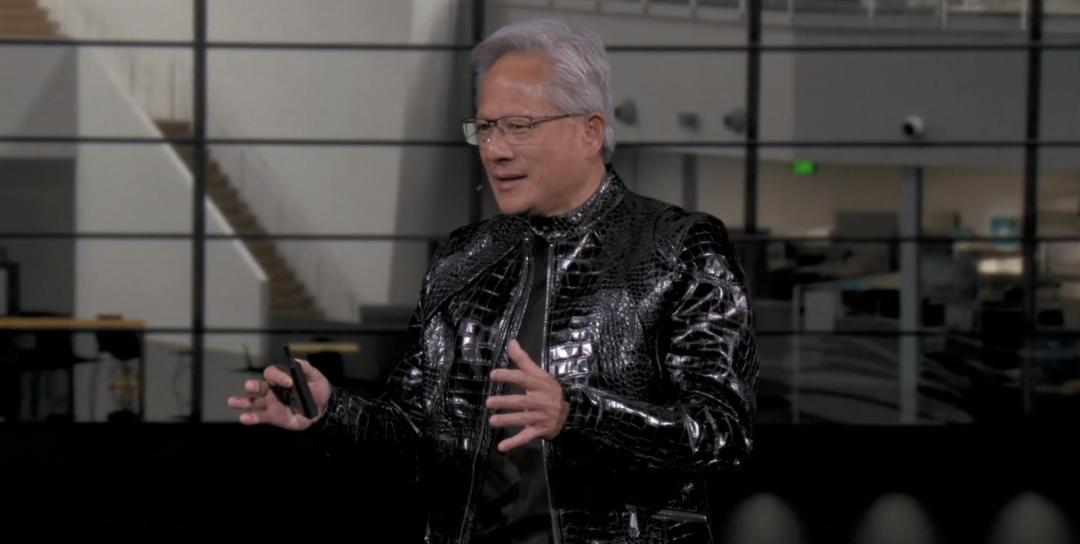
黄仁勋CES回应全场!内存卡了GPU脖子,游戏玩家可能只能用旧显卡了
量子位· 2026-01-07 09:11
Core Viewpoint - Huang Renxun emphasizes that robots are the "AI immigrants" capable of taking on jobs that humans are unwilling to do, highlighting the need for AI to support economic growth and job creation [10][11]. Group 1: AI and Robotics - Huang states that the "robot revolution" will drive economic progress and create more job opportunities while maintaining low inflation levels [11]. - He predicts that by the end of this year, robots will achieve human-level capabilities in mobility, joint movement, and fine motor skills [12]. - The development of robots requires not only visual perception but also tactile capabilities, which poses significant technical challenges [13]. Group 2: Autonomous Driving - Huang introduced the world's first open-source, large-scale autonomous driving visual-language-action (VLA) reasoning model, Alpamayo 1, and praised Tesla's FSD technology as world-class [15][16]. - NVIDIA's role is to provide a complete technology stack for companies developing autonomous vehicles, rather than manufacturing the vehicles themselves [16][20]. - The company has a high industry penetration rate, with over 1 billion vehicles on the road, and expects that millions will have strong autonomous driving capabilities in the next decade [20]. Group 3: AI Infrastructure and Memory Supply - Huang introduced NVIDIA's next-generation AI supercomputing platform, Vera Rubin, and discussed the challenges posed by rising memory prices and supply constraints [24][25]. - The company is positioned as a key player in the memory market, addressing the growing demand for high-bandwidth memory (HBM) and collaborating closely with suppliers to ensure production capacity aligns with product launches [36]. Group 4: Gaming and AI - NVIDIA upgraded its super-resolution model with the new DLSS 4.5 version, indicating a shift towards AI-driven gaming experiences [31]. - Huang predicts that future video games will be filled with AI characters, significantly enhancing realism and interactivity [32][33].