新消费泡沫

Search documents
烧光9个亿,新消费洗护鼻祖三谷、Rever申请破产
3 6 Ke· 2025-11-25 08:58
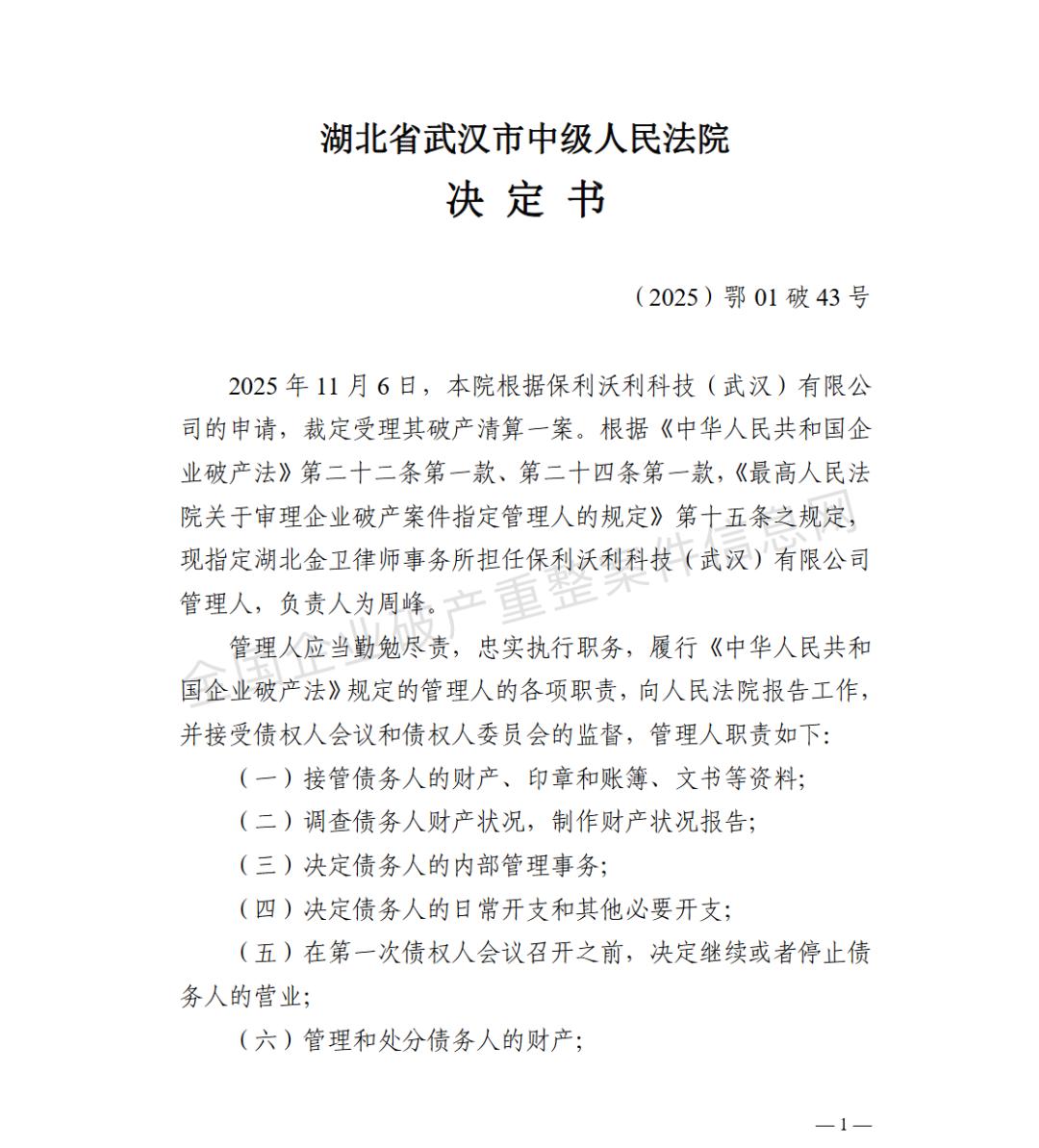
Core Viewpoint - POLYVOLY, once a rising star in the new consumer sector, has filed for bankruptcy due to inability to repay debts and insufficient assets, marking the end of its brands, San Gu and Rever [1][3][30] Company Overview - POLYVOLY achieved remarkable sales, with a single-day revenue exceeding 60 million in 2019 during the Double Eleven shopping festival, and total sales surpassing 1.1 billion during the 2020 event [3][4] - The company raised over 100 million through nine rounds of financing from notable investors between 2017 and 2021 [5] Brand Performance - San Gu capitalized on the clean beauty trend, targeting consumers' demand for gentle and natural ingredients, and successfully positioned itself as a top brand in the amino acid hair care segment [8][11] - Rever focused on emotional value, introducing innovative products like bath balls and solid oils, and leveraged social media for rapid brand growth [17][20] Challenges and Decline - Both brands faced significant challenges, including allegations of plagiarism and a lack of product efficacy, leading to a decline in consumer trust and brand image [13][25] - The reliance on emotional marketing and visual appeal without substantial product quality resulted in a fragile brand foundation, ultimately leading to their downfall [22][27][30] Industry Reflection - The bankruptcy of POLYVOLY signifies the end of an era characterized by rapid growth driven by marketing and capital infusion, highlighting the necessity for genuine product value over mere storytelling and packaging [30]

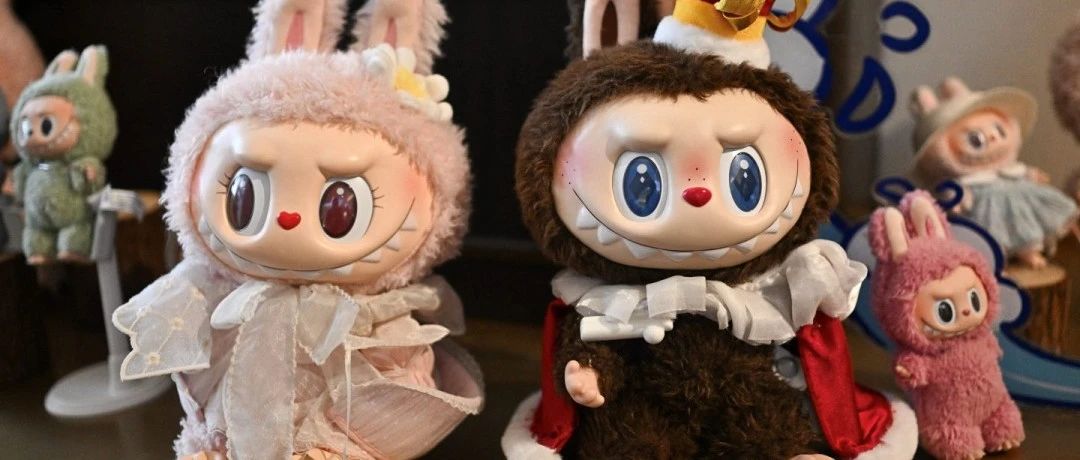
Labubu二手价格闪崩,普通人如何避坑?
首席商业评论· 2025-06-22 04:08
Core Viewpoint - The article discusses the collapse of the secondary market prices for new consumer products, particularly focusing on the Labubu collectibles, and highlights the speculative nature and risks associated with new consumption trends in the market [1][4]. Group 1: Market Dynamics - Labubu's secondary market prices have plummeted by approximately 50%, with the price of a complete set dropping from 1500-2800 yuan to 650-800 yuan [1]. - Similar price volatility has been observed in other collectible brands like Bearbrick and Molly, where prices have seen drastic reductions of 60%-80% over the years [5][6][8]. - The article notes that the trading behavior in the secondary market is often driven by speculative practices, including "hunger marketing" and the manipulation of perceived scarcity [14][16]. Group 2: Consumer Behavior - Consumers are encouraged to recognize the "scarcity illusion" and set rational spending limits, as many products are priced significantly above their actual production costs [22][23]. - The article emphasizes the importance of maintaining transaction records and engaging in legitimate trading environments to avoid falling victim to speculative bubbles [25]. Group 3: Industry Practices - The article points out that companies often engage in practices that create artificial scarcity, such as claiming limited releases while adjusting production dynamically [16]. - There is a call for the industry to establish transparent probability mechanisms and focus on the intrinsic value of products rather than marketing gimmicks to ensure sustainable growth [26][29]. - Regulatory changes are anticipated, with new guidelines set to limit sales to minors and enforce transparency in product pricing and probability disclosures [28].