无糖概念

Search documents
元气森林不想再“依赖”气泡水
Guo Ji Jin Rong Bao· 2025-11-22 00:11
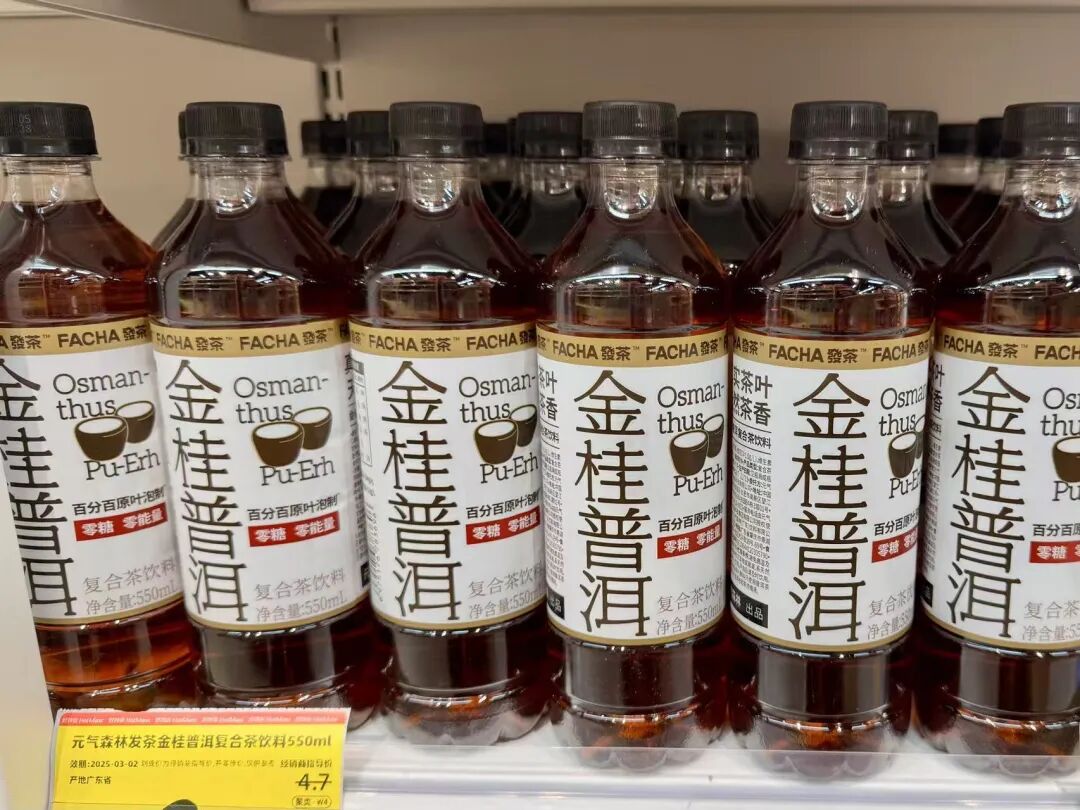
Core Insights - The founder of Yuanqi Forest, Tang Binsen, has shifted the company's focus from a strong reliance on sugar-free beverages to a broader product range, indicating a long-term vision for the brand's growth [1][3] Group 1: Company Strategy - Yuanqi Forest announced a strategic adjustment to spin off its dairy brand, Beihai Pasture, into an independent entity, allowing the company to concentrate on beverage product development [3] - The company aims to reduce its dependency on its flagship product, sparkling water, by diversifying its product portfolio, which now includes electrolyte water, tea beverages, and traditional Chinese health drinks [3][6] Group 2: Financial Performance - Yuanqi Forest reported a 26% year-on-year growth in overall performance, maintaining double-digit growth for three consecutive years [3] - The company achieved a revenue scale of approximately 11.7 billion yuan in the previous year, with projections indicating revenues exceeding 14 billion yuan this year, positioning it among the top ten in China's beverage industry [3] Group 3: Market Positioning - The company has shifted its market positioning from a premium brand to a more value-oriented approach, as evidenced by the pricing strategy for its second-largest product, iced tea, which is competitively priced at 5-6 yuan for 900ml [4] - Yuanqi Forest's product mix is now more diverse and stable, featuring sugar-free and low-sugar options, which enhances its market prospects [3] Group 4: Operational Insights - The company has adopted a more cautious and disciplined approach in recent years, focusing on solidifying its foundational operations and stabilizing relationships with distributors [6] - Tang Binsen emphasized the importance of respecting market dynamics and maintaining operational efficiency without unnecessary disruptions [6]

复苏拐点已至:无糖碳酸饮料如何实现二次增长
凯度消费者指数· 2025-07-10 02:36
Core Insights - The article highlights the shift in consumer demand from "sugar-free with sweeteners" to "naturally healthy sugar-free" beverages, indicating a growing preference for products without artificial sweeteners [1] - The sugar-free carbonated beverage market is experiencing a recovery after two years of decline, with a notable increase in both at-home and out-of-home consumption starting in Q1 2025 [1][10] Market Trends - The demand for sugar-free carbonated drinks has been significantly influenced by the pandemic, with consumers viewing these beverages as a guilt-free indulgence [5] - The importance of the "enjoyment factor" in carbonated drinks is emphasized, with sugar-free options needing to highlight their unique pleasurable attributes to compete with sugary counterparts [5][17] - The out-of-home consumption of sugar-free carbonated drinks remains dominant, accounting for 60% of total sales, with a notable increase in consumption during work hours [10][17] Consumer Behavior - There is a rising importance of sugar-free carbonated drinks in lower-tier cities, with sales in these areas showing significant growth due to increased purchasing intent and convenience through e-commerce [16][13] - The afternoon work hours are identified as a key consumption period for sugar-free carbonated beverages, suggesting a targeted marketing opportunity for brands [10][17] Brand Strategy - Brands are encouraged to leverage the recovery of the sugar-free carbonated market by emphasizing the category's advantages and focusing on enjoyment while differentiating from sugary options [17] - The article suggests that brands should capitalize on the growing demand in lower-tier cities and enhance their presence in e-commerce channels to maximize market potential [16][13]
从跨界咖啡到无糖概念:黄酒“青春突围战”升级|春糖风向
Hua Xia Shi Bao· 2025-03-25 11:09
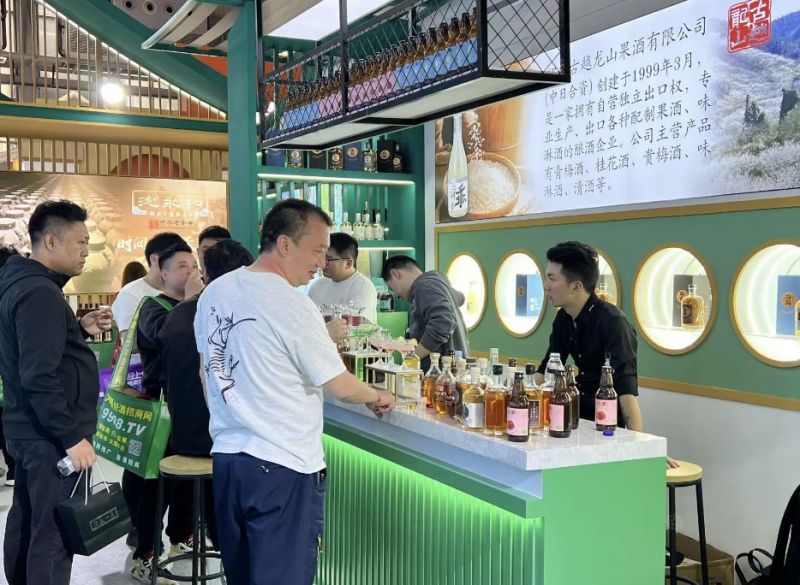
Core Viewpoint - The yellow wine market is facing challenges and is focusing on youth-oriented strategies to attract younger consumers, with innovations in product offerings such as coffee yellow wine and sugar-free options [3][4][5]. Group 1: Market Challenges - The yellow wine market has been shrinking, with the number of large-scale enterprises decreasing from 121 in 2017 to 81 in 2023, and sales revenue dropping from 195.85 billion to 85.47 billion [6][7]. - Despite recent efforts to appeal to younger consumers, companies like Guyue Longshan and Jinfeng Wine Industry are still experiencing significant declines in net profit, with projections showing a decrease of 50.84% to 46.3% for Guyue Longshan in 2024 [6][7]. Group 2: Product Innovations - Guyue Longshan launched 14 new products at the Spring Sugar and Wine Fair, including coffee yellow wine and various creative alcoholic beverages aimed at younger consumers [4][5]. - Jinfeng Wine Industry introduced the first vintage sugar-free yellow wine, aiming to address consumer demand for healthier options and to lead the industry into a "sugar-free era" [5]. Group 3: Marketing and Sales Strategies - Both companies are focusing on online sales channels, with Guyue Longshan reporting e-commerce revenue of 1.51 billion from live streaming, growing over 35% annually [8][9]. - Jinfeng Wine Industry is exploring live streaming and short video promotions to showcase the brewing process and cultural significance of yellow wine, aiming to enhance online visibility [8][9]. Group 4: Industry Expert Insights - Analysts suggest that the youth-oriented approach should not just be about appealing to young consumers but should also involve modernizing the brand's cultural expression and breaking regional limitations to promote national development [6]. - The current challenges for the yellow wine market include insufficient social appeal and low premium pricing, which hinder its acceptance in social and gifting contexts [7].