晨间经济

Search documents
万亿之城消费新风口:AI眼镜、宠物经济谁能率先突围?
2 1 Shi Ji Jing Ji Bao Dao· 2026-02-06 12:48
Core Insights - The article highlights how cities with trillion GDP are responding to diverse consumer demands through refined consumption supply, showcasing innovations in products and services [1][4]. Group 1: Consumer Trends - The integration of AI products into everyday life is accelerating, with examples like AI glasses becoming accessible to consumers [4][11]. - The rise of pet-friendly commerce is evident, with an increase in pet-related stores and services in urban areas, reflecting a shift in lifestyle and consumer preferences [1][4]. - The concept of "micro-innovation" in urban consumption is emerging, where small, specific consumer experiences are driving emotional connections and spending [5][6]. Group 2: Policy and Economic Development - Cities are focusing on structural reforms to stimulate consumption, emphasizing product innovation and the development of new business models and scenarios [4][6]. - Chengdu is pioneering the "morning economy" initiative, aiming to activate underutilized time slots for consumer activities, while other cities are also exploring similar economic models [6][7]. - Various cities are promoting service consumption expansion, with policies supporting health, elderly care, and family services to create new growth points [7][8]. Group 3: Technology Integration - The adoption of technology in consumer products is seen as a key driver for expanding domestic demand, with AI-related products gaining significant traction in the market [8][12]. - The government is supporting the consumption of smart products, including AI glasses, as part of a broader strategy to enhance consumer technology [11][12]. - Discussions around the application of AI in various sectors, such as food service and health, indicate a growing trend towards integrating technology into everyday consumer experiences [13][14].


从“晨间经济”到事实孤老 各民主党派为四川发展建言献策
Sou Hu Cai Jing· 2026-02-05 10:13
Group 1 - The Sichuan Provincial Political Consultative Conference emphasized the importance of various political parties and non-partisan individuals in contributing to the modernization of Sichuan, focusing on leveraging their strengths in different fields [1] - The concept of "morning economy," defined as activities and services from 5 AM to 9 AM, was proposed to complement the "night economy" and enhance urban consumption [3] - The development of the software and information service industry is highlighted as a key focus area for Sichuan, with recommendations for strengthening foundational software and optimizing industrial service policies [3] Group 2 - The Democratic Progressive Party of Sichuan suggested focusing on key areas such as optoelectronic information, advanced manufacturing, clean energy, and biomedicine for future development [3] - The Agricultural Workers Party reported significant contributions to social services, including donations for disaster relief and active participation in pandemic prevention efforts [4] - The Democratic National Construction Association proposed comprehensive policies for inclusive childcare services, emphasizing the need for a robust regulatory framework and talent support [5] Group 3 - The Nine Three Society highlighted the need for a support system for students with Attention Deficit Hyperactivity Disorder (ADHD), advocating for early detection and intervention [5] - The Sichuan Provincial Federation of Industry and Commerce recommended creating a unified provincial policy platform to enhance the effectiveness of business support policies [5] - Suggestions for deepening industry-education integration were made, including establishing a collaborative mechanism among government departments and incentivizing corporate participation in educational partnerships [6]
共话新时代四川多党合作故事
Xin Lang Cai Jing· 2026-02-04 22:38
Group 1 - The interview highlighted the importance of multi-party cooperation in Sichuan to promote modernization and address social concerns [1] - The concept of "morning economy" was discussed, with suggestions to accelerate its development to tap into new cultural and tourism markets [1] - The software and information services industry is a key focus for Sichuan, with recommendations to strengthen foundational software and enhance regional collaboration [2] Group 2 - There is a need for innovation in technology to transition from "catching up" to "leading" in the tech sector during the 14th Five-Year Plan [2] - The "Life of the Yangtze River" initiative was introduced to enhance public engagement in ecological protection efforts [2] - The business environment in Sichuan is improving, with plans to support private enterprises and address their pressing issues [3] Group 3 - Cultural development in Sichuan is at a critical stage, with calls for a strategy that integrates cultural confidence, industrial growth, and technological innovation [3] - The nine major parties in Sichuan are actively contributing to high-quality development through various initiatives and recommendations [3]
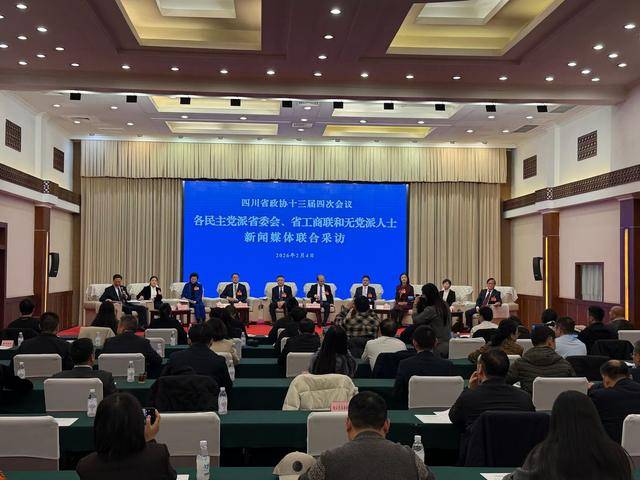
各民主党派省委会、省工商联和无党派人士代表接受联合采访
Xin Lang Cai Jing· 2026-02-04 18:26
Group 1 - The interview highlighted the importance of multi-party cooperation in Sichuan to promote Chinese-style modernization and shared successful practices in implementing the new type of party system [1] - The concept of "morning economy" was discussed, with suggestions for Sichuan to accelerate its development to tap into a new wave of cultural and tourism markets [1] Group 2 - The Minmeng Provincial Committee reported a record high of over 1,800 pieces of social sentiment information submitted to relevant departments, with an adoption rate exceeding 50%, providing valuable references for decision-making [2] - The Minjian Provincial Committee emphasized the need for strengthening basic software and enhancing regional collaboration and talent support to achieve high-quality development in the software and information services industry [2] - The Minjin Provincial Committee suggested focusing on foundational work and open coordination to enhance technological innovation in Sichuan during the 14th Five-Year Plan period [2] - The Nonggong Party Provincial Committee introduced an innovative public supervision initiative for ecological protection along the Yangtze River, enhancing community engagement in environmental conservation [2] Group 3 - The Zhigong Party's legal committee shared successful grassroots initiatives that addressed community issues through legal knowledge and public platforms [3] - The Jiusan Society focused on contributing to high-quality development in Sichuan through various forms of political participation and social service, planning to continue its efforts in science and technology [3] - The Provincial Federation of Industry and Commerce aims to strengthen its role as a bridge for private enterprises, providing support and suggestions to enhance their growth and social responsibility [3] - A representative from the non-partisan group emphasized the critical phase of cultural development in Sichuan, advocating for a strategy that integrates cultural confidence, industrial growth, and technological innovation [3]
民革四川省委会建言晨间经济发展:构建全时域旅游产品体系
Zhong Guo Xin Wen Wang· 2026-02-04 14:17
Core Viewpoint - The Sichuan Provincial Political Consultative Conference emphasizes the potential of the morning economy, suggesting that it can be a significant driver for local consumption and tourism, but current development is insufficient [1][3]. Group 1: Current State of Morning Economy - The morning economy refers to consumption activities and services conducted between 5 AM and 9 AM, with many cities in China actively exploring this sector [1]. - Sichuan, being a populous and culturally rich province, has unique advantages for developing the morning economy, yet its current layout is lacking [1][3]. - Research indicates that there is a lack of top-level design, clear economic planning, industry standards, and supporting policies for the morning economy in Sichuan [1][3]. Group 2: Recommendations for Development - The Sichuan Provincial Political Consultative Conference suggests creating a "Shu Yun Chen Xi" brand and issuing provincial-level planning documents to clarify development directions and priorities [3]. - Major cities like Chengdu should focus on creating international and fashionable morning consumption scenes, such as 24-hour bookstores combined with early coffee [3]. - Tourist cities like Leshan and Dujiangyan should leverage local culture to offer exclusive morning tours, while rural areas can develop unique projects like stargazing and folk morning markets [3]. Group 3: Integration and Service Optimization - It is crucial to promote deep integration of various industries with cultural tourism, transforming daily morning activities into unique tourism experiences [3]. - The development of breakfast routes that combine local cuisine with urban life experiences is recommended, alongside collaborations with local pharmaceutical companies for health-oriented breakfast options [3]. - Establishing a joint meeting mechanism among tourism, business, and transportation departments is suggested to create a "morning economy convenience APP" that integrates information on breakfast spots, morning exercise venues, and early market openings [4].
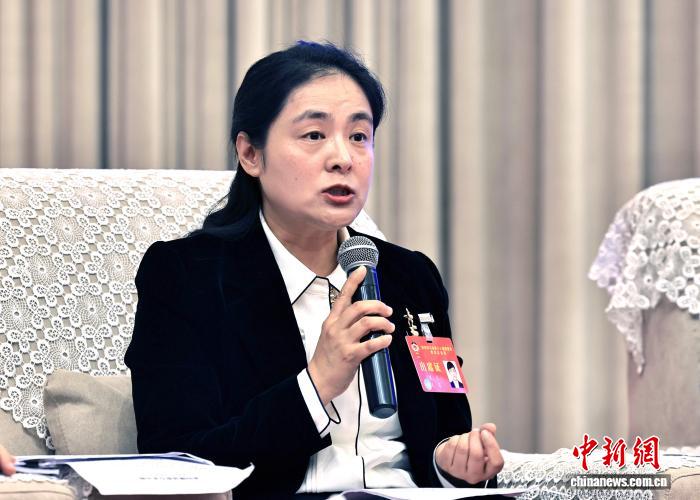
抓住晨光四小时
Xin Lang Cai Jing· 2026-01-31 22:38
Core Insights - The morning economy is evolving into a significant sector, with Guangdong's morning economy projected to exceed 80 billion yuan by 2025, creating over 1.2 million jobs [1] - Cities are innovating to enhance morning experiences, such as Hangzhou's "Morning CityWalk" initiative, which combines various activities into a new lifestyle [1] - The competition in the morning economy is not just about efficiency but also about understanding and meeting the emotional needs of consumers [2] Group 1 - The morning economy is characterized by a diverse range of consumers, including office workers, parents, and students, all seeking unique experiences during the morning hours [1] - Businesses are optimizing processes to reduce transaction costs, allowing consumers to maximize their limited morning time [1] - The emotional aspect of morning consumption is highlighted, where consumers are willing to pay for experiences that enhance their mood and provide relaxation [2] Group 2 - Cultural experiences are becoming a key component of the morning economy, with initiatives like morning museum sessions and local cultural festivals providing immersive experiences [2] - The success of the morning economy relies on the urban ecosystem, with measures like reduced costs for small businesses stimulating market vitality [2] - The morning economy represents an untapped "vibrant blue ocean," where the ability to empathize with consumers' needs can lead to deeper connections and economic growth [2][3]
用民生“温度”打开幸福“维度”
Xin Lang Cai Jing· 2026-01-30 17:41
Group 1 - The core message emphasizes the importance of enhancing citizens' sense of happiness and well-being in urban development, as highlighted in Chengdu's government work report [1] - Chengdu has been recognized as the "most happy city" for 17 consecutive years, implementing policies like "full 3 immediate entry" and achieving online processing with "zero run" [1] - The city is focusing on grassroots perspectives to translate policies into tangible benefits for citizens, as demonstrated by representatives' suggestions on addressing issues like childcare for young families [1][2] Group 2 - The government work report includes new initiatives such as supporting the "morning economy" and "pet economy," which aim to boost confidence among small and micro enterprises [2] - Chengdu is committed to building a youth development-oriented city and has set specific goals to enhance online and offline communication between government and businesses [2] - The city plans to prioritize citizens' needs and transform their expectations into actionable items on a "happiness checklist," ensuring that urban development aligns with high-quality living standards [3]
成都消费“热辣滚烫”!人大代表带来这些好点子
Sou Hu Cai Jing· 2026-01-29 14:28
Core Insights - Chengdu's government report highlights a strong performance in consumer spending, with a 5.5% growth in retail sales of consumer goods in 2025, maintaining its position as the leading city among sub-provincial cities [1] - The city has implemented various measures to stimulate consumption, including 26 policy initiatives and numerous themed events, resulting in over 8.7 million items exchanged through a subsidy program [1] - Chengdu is planning a new round of consumption upgrades for 2026, focusing on enhancing offline consumption, promoting diverse business formats, and integrating consumption across various sectors [1] Group 1: Consumption Growth Strategies - Chengdu's initiatives include the "first release economy," which aims to enhance the city's appeal as a preferred location for brand launches, with 710 new stores opened and over 280 high-profile launch events held in 2025 [6] - The report emphasizes the importance of transforming single-store advantages into a comprehensive ecosystem that connects various consumption scenarios [6] - The city aims to create a vibrant atmosphere through morning and night economies, as well as the emerging pet economy, which are seen as vital for enhancing local employment and quality of life [7] Group 2: Innovative Consumption Scenarios - The "wedding economy" is identified as a significant driver for consumption, with suggestions for systematic development of this sector through the "Rongcheng Wedding" brand [10] - Recommendations include creating immersive wedding experiences, developing premium wedding routes, and enhancing the industry chain to integrate various services such as photography and accommodation [12] - Successful case studies from local businesses demonstrate the potential for traditional cultural elements to attract a broader audience and create new consumption experiences [9]
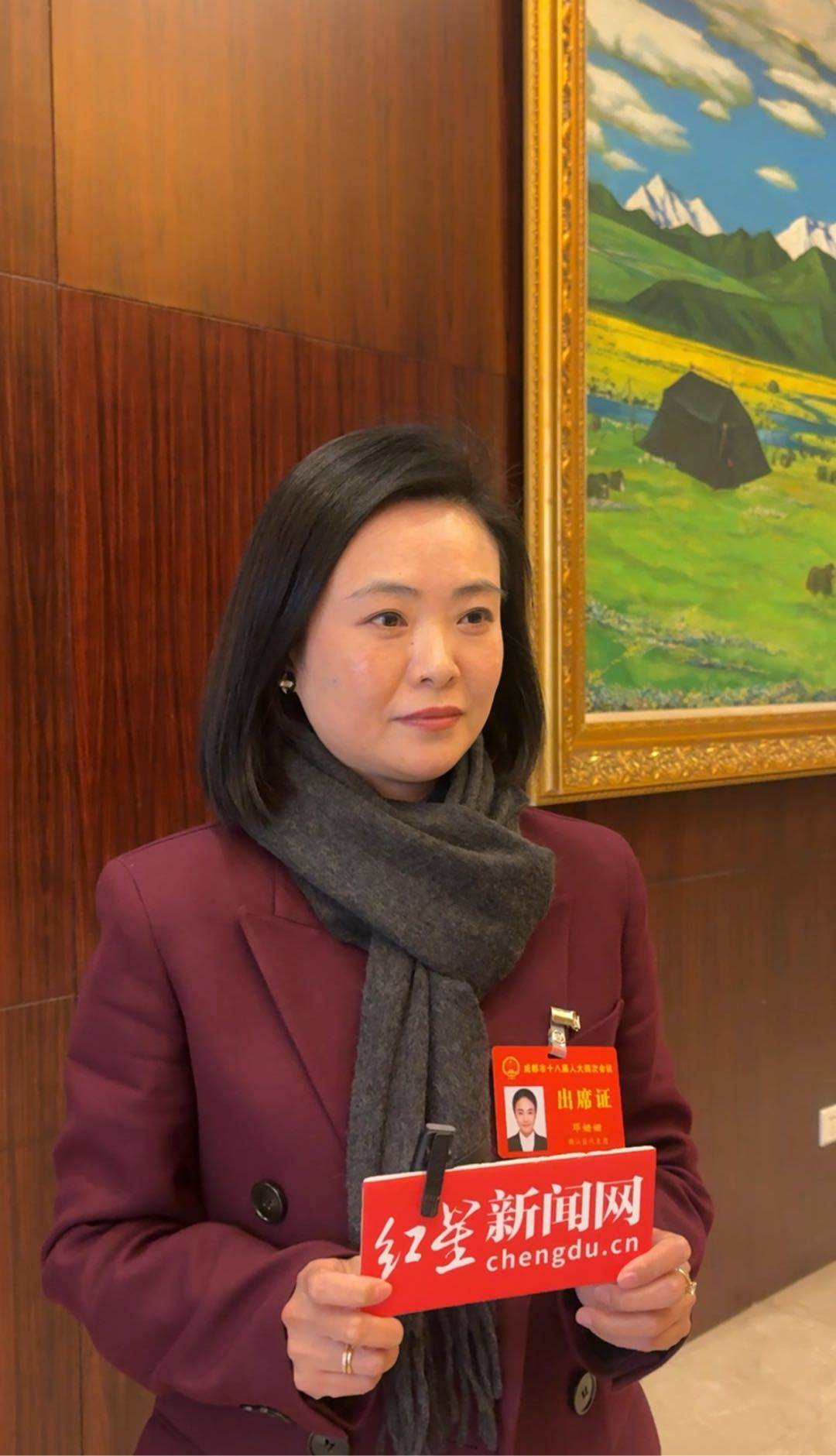
宠物经济写入政府工作报告 成都消费升级再出实招
Sou Hu Cai Jing· 2026-01-28 14:17
Group 1 - The core focus of Chengdu's economic strategy for 2026 includes the development of morning economy, night economy, duty-free economy, first-release economy, and pet economy, with plans to host over 150 large concerts [1] - In 2025, Chengdu achieved the highest total retail sales of consumer goods among sub-provincial cities, implementing 26 policies to boost consumption and facilitating over 870,000 items in trade-in subsidies [3] - Chengdu aims to deepen consumption potential in 2026 by implementing special actions to boost consumption, promoting offline shopping, and launching over 850 new stores [3] Group 2 - The city plans to enhance the consumption environment by accelerating the construction of an international consumption environment pilot, ensuring a safe and satisfying experience for tourists [5] - Chengdu's economic development strategy emphasizes the integration of industrial innovation and technological innovation, providing a clear path for high-quality modernization [5]