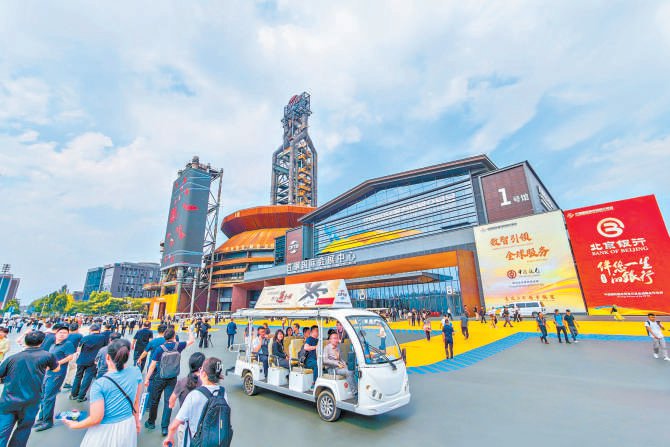
服务贸易高质量发展

Search documents
五大任务推进武汉服务贸易高质量发展 力争2027年产业发展规模年均增长10%
Chang Jiang Shang Bao· 2026-01-20 00:33
Core Viewpoint - Wuhan Municipal Government has released the "Implementation Plan for Promoting High-Quality Development of Service Trade," aiming to enhance service trade through five key tasks and 18 measures, targeting an annual growth of 10% in service trade scale and increasing the share of knowledge-intensive service trade to over 47% by 2027 [1][2]. Group 1: Traditional Service Trade Upgrade - The first key task focuses on upgrading traditional service trade, which includes improving international travel services, expanding international transportation networks, and enhancing international construction service capabilities [2]. - Specific goals include achieving an annual growth of over 30% in inbound tourist numbers and establishing three internationally renowned hospitals and over five first-class specialty hospitals by 2027 [2]. Group 2: Knowledge-Intensive Service Trade Development - The second key task aims to accelerate the development of knowledge-intensive service trade through digital trade innovation, cultivating distinctive service export brands, and supporting professional service trade [3]. - By 2027, the digital economy's core industry value-added is expected to grow by 10% annually, with digital service trade and specialized service exports also targeting a 10% annual growth [3]. Group 3: Service Trade Model Innovation - The third key task emphasizes service trade model innovation, promoting the integration of service and goods trade, enhancing service consumption, and developing green service trade [4]. - Goals include establishing six benchmark industrial clusters for service-oriented manufacturing and hosting over 80 international exhibitions and more than 100 high-quality performance events by 2027 [4]. Group 4: Service Trade Facilitation - The fourth key task focuses on improving service trade facilitation through measures such as facilitating cross-border talent mobility and optimizing cross-border capital flow management [4]. - By 2027, the plan aims to establish over 1,000 data enterprises and achieve an annual overseas patent application volume exceeding 2,500 [4]. Group 5: Open Development Promotion System - The fifth key task involves enhancing the service trade open development promotion system, including aligning with international trade rules and strengthening policy support for service trade [5][6]. - Goals include hosting and participating in the revision of over 220 international standards and establishing 10 service trade characteristic industrial parks by 2027 [5][6].
开年谋新局 多地部署服务贸易高质量发展
Zheng Quan Ri Bao Wang· 2026-01-12 11:29
Core Viewpoint - The recent national business work conference emphasized the importance of developing service trade, with various regions like Guangdong, Guizhou, and Henan outlining plans for high-quality service trade development by 2026 [1][2]. Group 1: Service Trade Development Goals - Guizhou aims for service import and export to exceed 12 billion by 2027, with digital delivery services accounting for over 35% of total service trade [1]. - By 2030, Guizhou targets service import and export to reach 14 billion, increasing the share of digital delivery services to 45% [1]. - The average annual growth rate of service import and export during the 14th Five-Year Plan period is expected to exceed 5% [1]. Group 2: Characteristics and Drivers of Growth - The service trade in China is showing steady growth, with knowledge-intensive services accounting for nearly 40%, becoming a core driver of this growth [2]. - High-level opening-up is identified as a key driver for stimulating service trade growth, with various regions enhancing their foreign trade platforms [2][3]. Group 3: Strategic Initiatives - Measures such as implementing a negative list for cross-border service trade and creating national service trade innovation development demonstration zones are expected to enhance service trade capabilities [3]. - Focus areas for growth in 2026 include artificial intelligence services, green services, and high-end productive services [3]. Group 4: Recommendations for Improvement - To enhance the "gold content" and "intelligence content" of service trade, reliance on technological innovation and the application of new technologies is essential [4]. - There is a need to deepen integration between service trade and manufacturing, developing productive services like R&D design and supply chain management [4]. - The promotion of institutional openness and alignment with high-standard trade rules, particularly in sectors like healthcare and education, is crucial for achieving breakthroughs [4].
助力北京服务贸易高质量提升
Jing Ji Ri Bao· 2025-12-10 22:20
Core Viewpoint - China is enhancing economic vitality through high-level openness, continuously relaxing market access and optimizing the business environment for cross-border economic and trade cooperation [1] Group 1: Economic Policies and Initiatives - The State Administration of Foreign Exchange is implementing a series of foreign exchange facilitation policies, simplifying cross-border settlement processes and adapting to new business management [1] - Beijing is positioned as a comprehensive demonstration area for expanding service industry openness, focusing on high-quality development in service trade, particularly in intellectual property and financial services [1] Group 2: Financial Services and Support - The Bank of Communications Beijing Branch is committed to implementing facilitation policies as a key approach to support the real economy, aligning with Beijing's service trade development strategy [1] - The branch focuses on addressing urgent client needs, optimizing business processes, and innovating service models to convert policy benefits into tangible outcomes for enterprises [1] Group 3: Intellectual Property and Cross-Border Services - The intellectual property sector plays a significant role in service trade, characterized by high cross-border service frequency, complex documentation, and tight fund settlement timelines [1] - The branch, under the guidance of the Beijing Foreign Exchange Bureau, has introduced customized service plans for enterprises, simplifying the settlement materials for cross-border intellectual property service fees and utilizing online channels to expedite business processing [1] Group 4: Future Directions - The Bank of Communications Beijing Branch's facilitation plans cover key areas such as bulk commodity trade, cultural exports, specialized technology services, and international logistics, effectively helping enterprises reduce costs and enhance international competitiveness [2] - The branch will continue to adhere to its financial service mission, following high-level openness policy directions, and focus on more sub-sectors of service trade while optimizing facilitation measures [2]
“十四五”期间山西服务贸易进出口额累计达107.9亿美元
Zhong Guo Xin Wen Wang· 2025-12-05 10:35
Core Viewpoint - During the "14th Five-Year Plan" period, Shanxi's service trade import and export volume reached a total of 10.79 billion USD, indicating significant growth in the sector [1]. Group 1: Service Trade Development - Shanxi's service trade has maintained rapid and stable growth, with a service export growth rate of 27.8% in the first three quarters of this year, and ten out of twelve sectors experiencing growth rates above 10% [2]. - The province has focused on enhancing market entities by utilizing various resources to support enterprises in service trade, leading to the emergence of service outsourcing brands like Hengyan and Naitesi [2][3]. Group 2: Financial Support and Training - Shanxi's Commerce Department has established a special loan of 3.5 billion CNY to support the development of digital trade, alongside annual business training to empower market entities [2]. - The province is actively promoting international qualifications for enterprises to help them expand into European and Southeast Asian markets [2]. Group 3: Cultural and Promotional Activities - Shanxi has launched the "Jinfu Global" brand to promote its services globally, organizing participation in various international exhibitions and trade fairs [2]. - The province is implementing a series of "Cultural Going Global" activities, with six initiatives included in the national "Thousand Sails Going to Sea" project for 2024 [3]. Group 4: Digital Trade and Cultural Promotion - Shanxi has created an international online platform for "Shanxi Cultural Tourism," which regularly showcases cultural features and promotes tourism routes, facilitating cross-border e-commerce transactions for cultural products [3]. - The focus will continue on developing service trade and innovating digital trade to inject new momentum into Shanxi's high-quality development and comprehensive transformation [3].

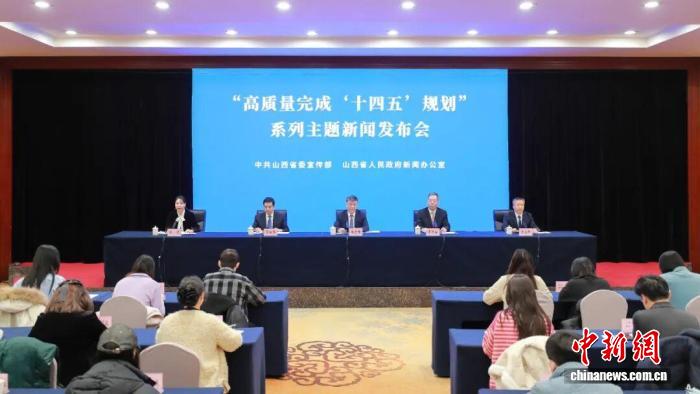
进博时间 专家:进博会助力全球数字贸易基建发展
Zhong Guo Jing Ying Bao· 2025-11-08 04:57
Group 1 - The China International Import Expo (CIIE) has become a significant platform for promoting high-level opening-up and global economic cooperation since its inception [1][2] - The CIIE has broken traditional exhibition boundaries, allowing businesses and buyers from different time zones and cultural backgrounds to connect seamlessly through digital platforms [1][3] - The digital platform provided by the CIIE emphasizes inclusivity, offering equal opportunities for small and medium-sized enterprises (SMEs) to access resources and networking channels similar to larger companies [3] Group 2 - Since 2018, the CIIE has continuously upgraded its service trade exhibition area, aligning with global service trade trends and market demands [2] - The service trade exhibition area has evolved through various themes, focusing on technology innovation, green development, and digital transformation in recent editions [2] - The CIIE aims to support the digital transformation of the entire industry by integrating resources across logistics, payment, and customs processes [3] Group 3 - There is a need to optimize fiscal and tax tools to enhance the CIIE's role in technology introduction and capital attraction [3] - Recommendations include transitioning short-term tax incentives into long-term arrangements to stabilize incentives for participants [3] - A tiered and interconnected fiscal support system is suggested to address the diverse needs of different enterprises participating in the CIIE [3]
中经评论:发展服务贸易如何“补短锻长”
Jing Ji Ri Bao· 2025-10-11 00:42
Core Insights - China's service trade is projected to exceed $1 trillion for the first time in 2024, marking a historic high and providing greater certainty for global economic development [1] Group 1: Growth and Structural Changes - The service trade's total import and export volume surpassed $737 billion in the first eight months of this year, indicating robust growth [1] - Knowledge-intensive services are emerging as a new growth engine, with significant increases in exports of telecommunications, computer, and information services [2] - The travel service sector is experiencing a strong recovery, with the expansion of visa-free policies attracting more international tourists to China [2] Group 2: Technological Empowerment - The recent China International Service Trade Fair showcased advanced technologies such as AI and 5G/6G, highlighting their integration into various sectors like finance, education, and healthcare [2] Group 3: Current Challenges - Traditional service sectors like logistics and construction still dominate, while high-value services such as finance and legal services have a high dependency on imports [3] - The eastern region contributes nearly 80% to the national service trade, while the central and western regions, despite rapid growth, remain small in scale [3] - China's participation in global digital service trade standard-setting is below 15%, limiting its influence in key areas like data cross-border flow and digital taxation [3] Group 4: Policy Initiatives - Recent policies from the Ministry of Commerce and other departments aim to promote service exports through 13 specific measures targeting financing difficulties and data flow issues [4] - The focus is on supporting new business models like digital and green services, with a comprehensive policy framework to guide future development [4] - The development of high-quality service trade is closely linked to domestic demand expansion, encouraging the supply of quality services through innovative scenarios and business integration [4]
商务部服贸司在2025年服贸会上发布《中国服务贸易发展报告2024》
Shang Wu Bu Wang Zhan· 2025-09-24 23:22
Core Insights - The "China Service Trade Development Report 2024" was released at the "Service Trade Development Forum" on September 11, 2025, highlighting the growth and challenges of China's service trade [1] - The report indicates that in 2024, China's service trade scale reached a historic high, with traditional service trade recovering and digital delivery services thriving [2] Summary by Sections Overview - The report is a comprehensive annual document focusing on the development of service trade in China, compiled by the Ministry of Commerce and industry experts [1] - It emphasizes the importance of high-level openness to drive high-quality development in service trade [2] Outsourcing - The report notes that innovation in service trade is advancing, with regional development becoming more coordinated and international cooperation deepening [2] - Service trade is increasingly recognized as a new engine for foreign trade development, enhancing its role in stabilizing foreign trade [2] Industry Analysis - Future opportunities for service trade development include national emphasis, high-level openness, digital and green transformation, a complete supply chain system, a vast market, and rising income levels leading to service consumption upgrades [2] - The report identifies four key areas for "innovation enhancement" to promote high-quality service trade development: institutional openness, business model innovation, promotion system enhancement, and cooperation mechanism innovation [2]
事关服务出口!九部门,重磅印发!
Zheng Quan Shi Bao· 2025-09-24 11:20
Core Viewpoint - The Ministry of Commerce and nine other departments have issued a notice on promoting service exports, emphasizing the importance of developing service trade as a means to expand high-level opening-up and cultivate new momentum for foreign trade [3]. Group 1: Policy Measures - The notice outlines 13 specific measures to enhance service exports and promote high-quality development in service trade [3]. - It encourages the use of existing central and local funding channels to support new service export models, including digital services, high-end design, and green services [4]. - The notice highlights the need to enhance the role of the Service Trade Innovation Development Guidance Fund to attract more social capital into service and digital trade sectors [5]. Group 2: Export Support Mechanisms - The notice proposes optimizing the zero tax rate declaration process for service exports to improve efficiency [6]. - It calls for increased support from export credit insurance companies to provide comprehensive risk protection for service exports [8]. - The document emphasizes the need for precise export credit insurance policies to better serve small and medium-sized enterprises [9]. Group 3: Cross-Border Facilitation - The notice aims to facilitate cross-border personnel movement and improve visa policies for foreign investors and high-level talent [10]. - It encourages the optimization of cross-border capital flow management and the enhancement of cross-border payment convenience for service trade [10]. - The document supports the establishment of international data centers and cloud computing centers in designated areas to provide data processing services [12][13]. Group 4: Intellectual Property and Data Management - The notice promotes the transformation and transaction of intellectual property, including the establishment of a value assessment and transaction system [11]. - It outlines measures for the cross-border flow of important data, including the development of an important data directory and operational guidelines [11]. - The document supports the exploration of international data service business development in specific regions [13].
高培勇:发展服务贸易的着重点着力点是大力营造一流营商环境
Sou Hu Cai Jing· 2025-09-16 05:58
Core Viewpoint - The development of service trade in China is crucial for economic growth and requires a focus on creating a first-class business environment [1][3]. Group 1: Importance of Service Trade - Service trade is an essential engine for driving China's economic growth, indicating that economic development cannot be separated from the support of service trade [1][3]. - The current stage of China's economic development necessitates a push for institutional openness to promote service trade [1][3]. Group 2: Creating a First-Class Business Environment - The emphasis on creating a first-class business environment aligns with the goal of establishing a high-level socialist market economy [3][4]. - The creation of a first-class business environment is linked to internationalization and institutional openness, requiring alignment with international practices and standards [3][4]. Group 3: Specific Measures for Institutional Openness - The establishment of a first-class business environment should reference international best practices and standards [4]. - Key areas for improvement include property rights protection, industrial subsidies, environmental standards, labor protection, government procurement, e-commerce, and finance [4]. - The evaluation of the business environment should be guided by the satisfaction of various business entities, ensuring their voices and opinions are heard [4].
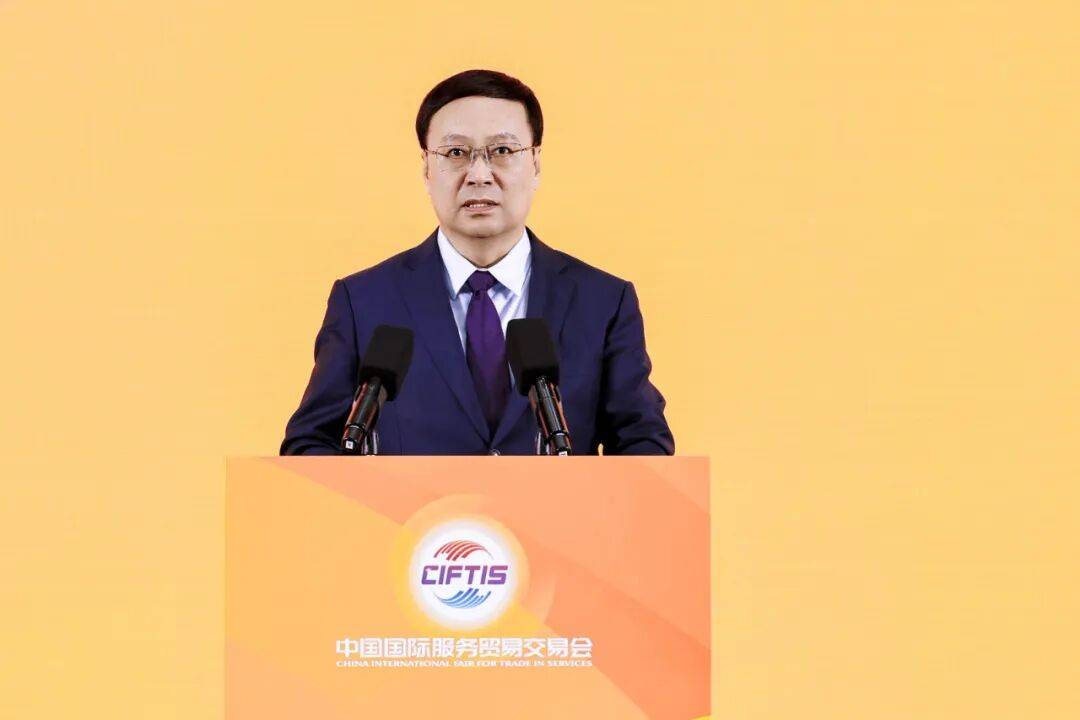
服贸会落幕 达成超900项成果
Bei Jing Wan Bao· 2025-09-15 06:53
Core Insights - The 2025 China International Service Trade Fair concluded with significant achievements, including nearly 2,000 offline exhibitors, around 5,600 online exhibitors, over 250,000 attendees, and more than 900 agreements reached, showcasing China's commitment to high-level openness and quality development [1][7]. Group 1: Openness and Collaboration - The event featured nearly 800 international guests from over 30 countries, discussing service trade cooperation and mutual benefits [3]. - Australia had the largest exhibition area, highlighting its commitment to expanding into the Chinese market [3]. - The participation of 85 countries and international organizations, with an overall internationalization rate of over 20% among offline exhibitors, emphasized the global nature of the event [3]. Group 2: Professionalism and Innovation - Over 480 Fortune 500 and leading industry companies participated, accounting for more than 25% of exhibitors, indicating a strong presence of top-tier firms [5]. - A total of 198 innovative results were released in fields such as artificial intelligence and financial technology, showcasing the event's focus on cutting-edge developments [5]. Group 3: Engagement and Results - The fair hosted 27 promotional activities and 48 industry exchange events, with approximately 116,000 professional attendees, marking a 12% increase from the previous year [6]. - The event facilitated over 3,000 project matches and nearly 8,500 business meeting invitations, demonstrating effective networking opportunities [6]. - The fair's interactive elements, including robot demonstrations and digital platforms, enhanced public engagement, with over 150,000 interactions recorded [6].