
实数融合

Search documents
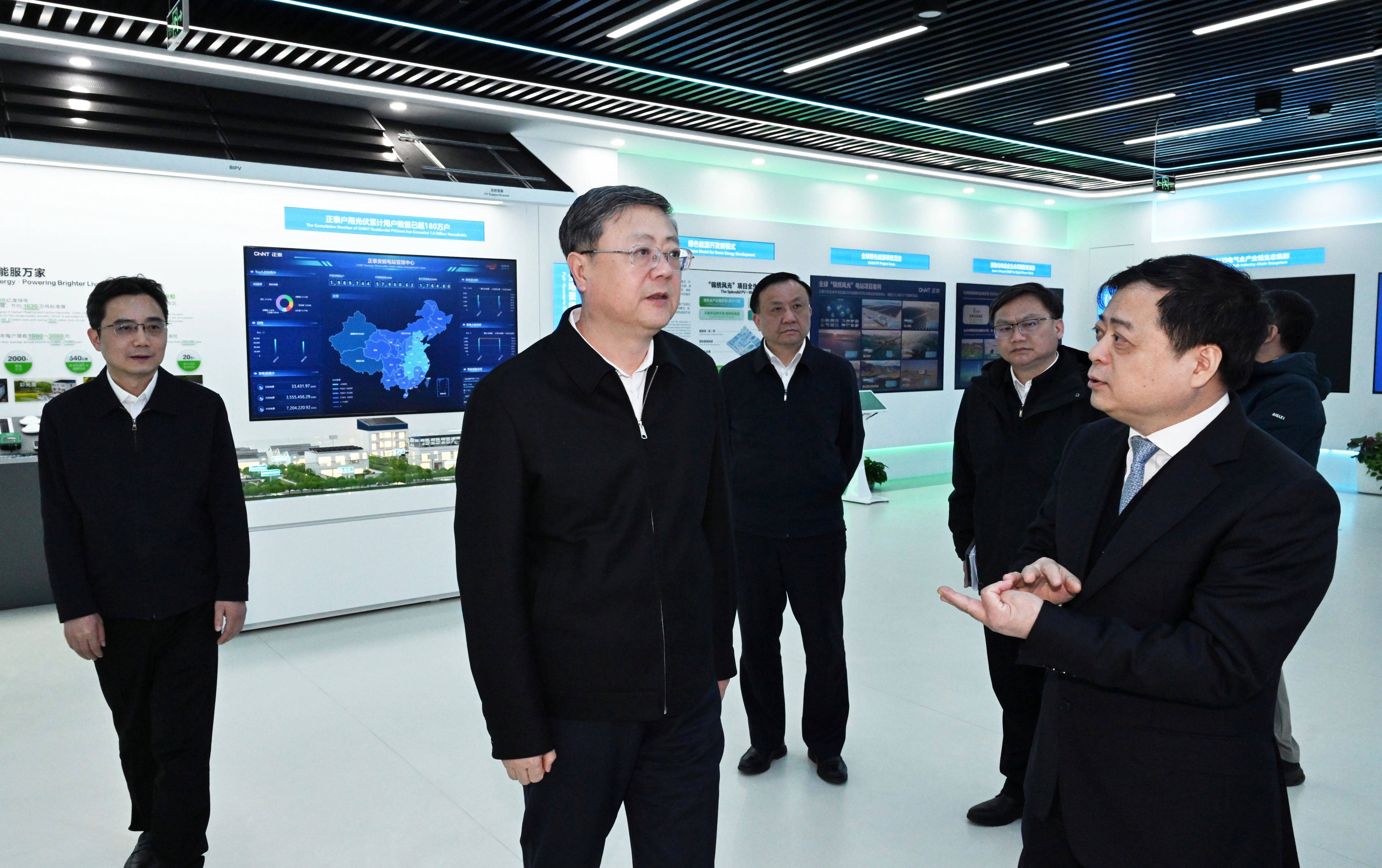
陈吉宁调研正泰:更好发挥链主企业作用,助力构建更具竞争力的产业生态
Sou Hu Cai Jing· 2026-02-26 05:57
Group 1 - The Shanghai Municipal Party Secretary Chen Jining visited the Zhengtai Smart Electric Port Park to understand the development of the new energy power equipment industry cluster in Songjiang District [1] - The Songjiang District focuses on green energy, smart electricity, industrial automation, intelligent low-carbon solutions, and R&D trade, aiming to build a leading domestic base for new energy power equipment [6] - Zhengtai Group's Chairman Nan Cunhui reported on the company's innovations in the new energy sector, including advancements in key technologies such as graphene materials, flexible direct current, solid-state transformers, energy storage systems, and virtual power plants [6] Group 2 - The company is committed to the "sweet potato economy" concept and actively integrates into the Yangtze River Delta's development, leveraging Shanghai's advantages in economy, finance, trade, shipping, and technology [6] - The visit included discussions on the company's future development plans, industry-academia-research cooperation, and the need for support in achieving breakthroughs in original technologies [6] - The event was attended by other officials, including Shanghai Municipal Standing Committee Member Hua Yuan and Songjiang District Party Secretary Wang Huajie [7]


重庆:对企业面向工业领域研发垂类大模型、智能体,给予最高200万元奖励
Xin Lang Cai Jing· 2026-02-04 14:18
Core Viewpoint - The Chongqing Municipal Economic and Information Technology Commission and the Chongqing Finance Bureau have jointly released policies to promote the integration of real numbers and the "Artificial Intelligence + Manufacturing" sector, outlining 20 specific support measures with a maximum subsidy of 5 million yuan per item [1] Group 1: Policy Support Measures - The policies include a maximum reward of 3 million yuan for enterprises and third-party professional institutions that create high-quality data sets in the industrial sector and build trustworthy data spaces [1] - Enterprises developing vertical large models and intelligent agents for the industrial sector can receive up to 2 million yuan in rewards for application promotion [1] - A reward of 500,000 yuan is available for enterprises whose projects are selected as typical cases of artificial intelligence by the Ministry of Industry and Information Technology [1] - Companies that build innovative carriers can receive a reward of 200,000 yuan [1]
卡奥斯以AI+工业互联网推动制造大省实数融合
Sou Hu Cai Jing· 2026-01-28 13:06
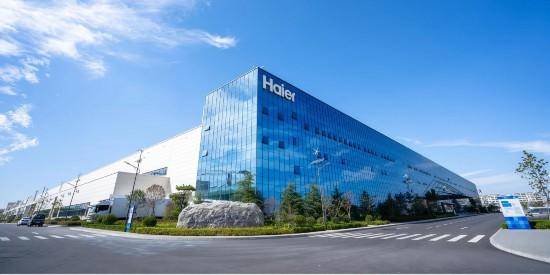
Core Viewpoint - Shandong Province is advancing its industrial optimization and upgrading by implementing the "Artificial Intelligence +" initiative, with significant recognition for the Kaos COSMOPlat and Tianzhi Industrial Model as key achievements in AI innovation and application [1][2]. Group 1: AI Integration and Industrial Upgrading - By 2025, Shandong aims to achieve substantial progress in industrial optimization and integration of AI technologies, with the AI core industry generating over 120 billion yuan, accounting for approximately 10% of the national total [1]. - The Kaos COSMOPlat platform has developed the Tianzhi Industrial Model, which is tailored for various industries, enabling applications in over 40 scenarios across nine sectors [2][4]. Group 2: Practical Applications and Case Studies - In the Haier factory, the Tianzhi Industrial Model supports processes from AI visual inspection to automated labeling, achieving a prediction accuracy of over 96% [2]. - The Kaos platform has integrated various components such as sensors and intelligent algorithms to create a comprehensive equipment management system, enhancing operational efficiency [2][4]. Group 3: Industry Collaboration and Digital Transformation - Shandong is actively promoting AI technology across all sectors, establishing 130 "industrial brains" to enhance the depth and breadth of intelligent transformation, maintaining a leading position nationally [5]. - The collaboration with Shandong Boxing has led to the creation of a digital service platform for the commercial kitchen industry, providing comprehensive digital management support and aiding in industry governance [6][8]. Group 4: Impact on Manufacturing and Sustainability - The Kaos Tianzhi models have contributed to a 10% reduction in labor and energy costs in the petrochemical sector, showcasing the economic benefits of AI integration [8]. - The platform's development of the energy-carbon model from sustainable factory practices highlights its commitment to green development and digital economic growth in urban areas [8].
沈梓鑫:探索和丰富数字服务消费新模式
Jing Ji Ri Bao· 2026-01-27 00:02
Core Viewpoint - Consumption is a crucial engine for expanding domestic demand and building a strong domestic market, with a focus on "releasing the potential of service consumption" as a key strategy for boosting consumption and expanding domestic demand [1] Group 1: Digital Service Consumption - Digital service consumption represents a new consumption model that breaks spatial and temporal limitations, providing high-quality products and services while reflecting the deep integration of digital and real economies [1][2] - The development of digital service consumption is driven by innovations in digital technology and expanding market demand, facilitating new consumption models such as online shopping, mobile payments, and online reservations [1][2] - Digital service consumption enhances consumer experience and quality of life by addressing mismatches in supply and demand and improving operational efficiency for businesses [2][3] Group 2: Impact on the Real Economy - Digital service consumption plays a significant role in optimizing production and circulation in the real economy, helping manufacturing enterprises reduce costs, transform business models, and enhance brand recognition [3] - It enables businesses to leverage digital economy advantages in smart manufacturing, precise supply-demand matching, and customized consumption, thereby simplifying operations and reducing transaction costs [3] - The shift from traditional "production first, sales later" to a customer demand-oriented flexible manufacturing model is facilitated by digital service consumption, allowing for better alignment with consumer preferences and market trends [3] Group 3: Future Development Strategies - To maximize the impact of digital service consumption, companies should focus on identifying diverse consumer needs and innovating consumption scenarios, while building an "AI + consumption" ecosystem [4] - A supportive environment for the healthy development of digital service consumption is essential, including improved data security, consumer rights protection, and combating false advertising [4] - Enhancing the digital capabilities of small and medium-sized enterprises (SMEs) is crucial, with initiatives to provide digital tools, training, and infrastructure support to lower the barriers for digital transformation [5]
“十四五”制造业高质量发展成果丰硕
Zhong Guo Hua Gong Bao· 2026-01-26 02:24
Core Insights - The article highlights six major achievements in China's manufacturing industry during the "14th Five-Year Plan" period, emphasizing high-quality development and innovation in the sector. Group 1: Economic Growth - The manufacturing value added in China is projected to grow from 26.6 trillion yuan to 33.6 trillion yuan from 2020 to 2024, contributing over 30% to global manufacturing growth during this period [1] - The annual growth rate of the equipment manufacturing industry is expected to be 7.9%, while high-tech manufacturing is projected to grow at 8.7% [2] Group 2: Innovation and R&D - By 2024, the proportion of R&D expenditure to operating income for large-scale manufacturing enterprises is expected to reach 1.82%, indicating a steady increase in innovation investment [1] - Key technological innovations in the chemical industry have supported major space missions, showcasing the advancements in industrial technology [1] Group 3: Industrial Structure and Optimization - The proportion of advanced manufacturing in the overall industrial structure is improving, with advanced manufacturing clusters being established in six key areas, including high-end equipment and new materials [1] - The number of national-level green factories has reached 6,430, reflecting a continuous increase in the green aspect of the industry [1] Group 4: Digital Transformation - The digital transformation of the manufacturing sector has shifted from leading benchmarks to large-scale promotion, with the establishment of various levels of smart factories, including 15 leading smart factories and over 35,000 basic smart factories [2] Group 5: Supply Chain Resilience - Significant breakthroughs have been made in key core technologies and strategic products, enhancing the resilience and safety of critical industrial chains, including integrated circuits and industrial mother machines [2] Group 6: SME Development - By 2025, the number of large-scale industrial enterprises is expected to increase by 138,000 compared to the end of 2020, with the number of specialized and innovative "little giant" enterprises reaching 17,600 [2] - The cumulative number of manufacturing champions is projected to reach 1,862, indicating a sustained enhancement in the vitality and competitiveness of small and medium-sized enterprises [2]
工信部:5G-A覆盖330城,开源鸿蒙装机近12亿台
Guan Cha Zhe Wang· 2026-01-21 06:52
Core Viewpoint - The digital industry in China is rapidly developing, significantly contributing to the integration of the real economy and the digital economy, and enhancing new productive forces during the "14th Five-Year Plan" period [1] Group 1: Scale and Growth - By the end of 2025, China's digital industry revenue is expected to reach approximately 38.3 trillion yuan, with profits of 3.1 trillion yuan, representing cumulative growth of about 39.5% and 48.4% compared to the end of the "13th Five-Year Plan" [3][4] - Major provinces such as Guangdong, Jiangsu, Beijing, and others are projected to contribute over 90% to the national digital industry revenue growth [3] Group 2: Innovation and New Drivers - The software industry is experiencing continuous innovation, with the Harmony operating system installed on nearly 1.2 billion devices, and the artificial intelligence sector is thriving with numerous innovative products emerging [4] - New digital products in emerging fields are driving a new round of consumption upgrades, becoming a new growth point for economic development [4] Group 3: Empowerment and Application - The industrial internet has achieved full coverage across major industrial categories, with over 100 million industrial devices connected to key platforms [4] - High-level 5G factories have shown an average capacity increase of 25%, product quality improvement of 21%, and operational cost reduction of 19% [4] - Support for 101 pilot cities for small and medium-sized enterprises' digital transformation has led to 45,000 enterprises engaging in digital upgrades [4] Group 4: Infrastructure and Connectivity - China has built the world's largest and most advanced information infrastructure, with 4.838 million 5G base stations and 65.9% of mobile phone users being 5G users [6][8] - The number of gigabit broadband users has reached 240 million, accounting for 34.5% of all broadband users [8] Group 5: Future Development and Technology - The Ministry of Industry and Information Technology has completed the first phase of 6G technology testing and has initiated the second phase, with over 300 key technology reserves [9] - Future plans include upgrading networks, accelerating technology iterations, and deepening applications across various sectors such as agriculture, transportation, and healthcare [9]

长图|地方未来产业发展方略全景对比分析
Xin Hua Cai Jing· 2026-01-15 09:03
Core Insights - China is at a critical stage for future industry development, with the "14th Five-Year Plan" emphasizing the exploration of diverse technological routes, typical application scenarios, and feasible business models to promote quantum technology, biomanufacturing, and embodied intelligence as new economic growth points [1] Group 1: Future Industry Development Strategies - Local leaders have significantly increased their focus on future industries, with over 700 relevant event information monitored, covering more than 1,700 companies [1] - The development strategies for future industries are becoming clearer, focusing on future manufacturing and future information as core drivers, integrating key technologies like large models and embodied intelligence [1] - Future materials, future energy, and future space are identified as important supports, accelerating breakthroughs in key technologies and practical applications [1] Group 2: Key Future Industries - Future manufacturing emphasizes a dual-drive approach of "technology sourcing + pilot testing" to solidify the foundation of new productive forces [4] - Future information aims to strengthen computing power and expand AI applications, creating a "AI + connectivity + computing power" ecosystem [4] - Future health focuses on the integration of medical and engineering fields, exploring new industrial paths that combine cutting-edge technologies with clinical applications [4] Group 3: Strategic Framework for Future Industries - The strategy highlights localized layouts to solidify the strategic foundation of resource-driven future industries [5] - It advocates for a gradual approach to implement long-term strategies for future industries [5] - The framework emphasizes the importance of innovation services to support disruptive technology sourcing and the creation of an innovative ecosystem [5]

赵西三:促进供给和需求良性互动
Jing Ji Ri Bao· 2026-01-06 00:12
Core Viewpoint - The "14th Five-Year Plan" emphasizes the importance of promoting a positive interaction between supply and demand to achieve a dynamic balance, which is crucial for economic stability and high-quality development [1] Group 1: Demand Side Changes - The consumption structure is shifting from survival-oriented to development-oriented, with high-quality, personalized, and diverse consumption becoming mainstream, driving industrial upgrades [1] - There is a notable lack of domestic demand, particularly in consumption, with a low overall consumption rate and significant changes in consumption concepts and methods [2] Group 2: Supply Side Challenges - Supply-side issues include innovation lagging behind demand and quality mismatches, particularly in high-quality service and mid-to-high-end product sectors, which restricts the release of consumption potential [2] - Some traditional and emerging industries face "involution" competition characterized by low price and quality, leading to structural contradictions such as overcapacity and insufficient high-quality supply [2] Group 3: External Environment and Strategic Focus - The external environment is increasingly challenging, necessitating a focus on expanding domestic demand to counter external shocks and promote sustainable economic development [3] - The strategy involves integrating the expansion of domestic demand with supply-side structural reforms to enhance the quality of products and services [3] Group 4: Innovation and Technology - Innovation is highlighted as a key driver for promoting positive interactions between supply and demand, with a focus on integrating technological and industrial innovations [3] - Companies are encouraged to adapt to changing consumer demands through technological advancements and new product development [3] Group 5: Scene and Data Integration - The cultivation of application scenarios is essential for connecting supply and consumption, facilitating the testing of new technologies and products [4] - The integration of digital technologies and platforms is crucial for enhancing data aggregation and value release, improving supply-demand matching [4] Group 6: Cultural Empowerment - The integration of culture into economic development is emphasized, promoting the fusion of traditional culture with modern products and services to meet diverse consumer needs [5]
促进供给和需求良性互动
Jing Ji Ri Bao· 2026-01-05 22:40
Core Viewpoint - The 20th Central Committee's Fourth Plenary Session emphasizes the importance of promoting a dynamic balance between supply and demand to achieve high-quality economic development, highlighting the need for a strategic focus on expanding domestic demand and optimizing supply [1]. Group 1: Supply and Demand Dynamics - The economic development in China has seen profound changes on both the supply and demand sides, with consumer demand shifting towards higher quality, personalized, and diverse consumption, which is driving supply structure optimization and quality enhancement [1]. - On the supply side, there is a rapid transition from old to new driving forces, with advancements in manufacturing becoming more intelligent, green, and integrated, leading to the emergence of new technologies, products, and business models that continuously generate new demand [1]. Group 2: Challenges in Economic Development - There are significant challenges in the current economic landscape, including a prominent contradiction between strong supply and weak demand, particularly in consumer spending, which remains low and is characterized by a rapidly diversifying consumption structure [2]. - Issues such as innovation lagging behind and quality mismatches persist on the supply side, particularly in high-quality service consumption and mid-to-high-end goods, which restricts the release of consumption potential [2]. - Structural contradictions exist, with some traditional and emerging industries facing low-price, low-quality competition, leading to overcapacity in certain sectors while simultaneously lacking high-quality products and services [2]. Group 3: Strategies for Economic Growth - To address external pressures, it is essential to enhance domestic demand and implement a strategy focused on expanding domestic markets while simultaneously deepening supply-side structural reforms [3]. - Innovation should be a key driver for promoting the interaction between supply and demand, with a focus on integrating technological and industrial innovations to create a market-driven innovation system [3]. - The cultivation of application scenarios is crucial for connecting supply and consumption, facilitating the testing of new technologies and products, and promoting diverse and differentiated consumption [4]. Group 4: Digital and Cultural Integration - The integration of digital technologies and platforms is vital for accelerating data aggregation and value release, enabling companies to develop products and services that better align with market demands [4]. - Cultural empowerment is emphasized as a means to enhance economic and social development, promoting the integration of excellent cultural elements with modern products and services to meet diverse consumer needs [5].
刘烈宏:奋力谱写“十五五”数字中国建设新篇章
Ren Min Ri Bao· 2025-12-25 01:52
Group 1 - The core idea of the article emphasizes the importance of advancing the construction of a digital China as a significant driver for modernizing China's governance and enhancing national competitiveness [2][3][8] - The construction of a digital China is seen as a crucial engine for cultivating new productive forces, with technologies like artificial intelligence driving significant improvements in productivity and transforming traditional industries [2][4] - The article highlights the rapid development of digital infrastructure, with the length of optical cable lines increasing from 25 million kilometers in 2015 to 73 million kilometers by 2024, representing a growth of 192% [4] Group 2 - The digital economy's core industry value added is projected to account for 10.4% of GDP by 2024, marking a 73.8% increase compared to the end of the 13th Five-Year Plan [5] - The number of internet users in China has grown from 688 million in 2015 to 1.108 billion in 2024, reflecting a 61% increase, with internet penetration rising from 50.3% to 78.6% [4] - The article discusses the implementation of over 30 policies to accelerate the market-oriented allocation of data elements, with the national data production volume expected to reach 41.06 zettabytes by 2024, accounting for 26.67% of the global total [6][7] Group 3 - The article outlines plans for the 14th Five-Year Plan period, focusing on deepening market-oriented reforms for data elements and enhancing the integration of data into the digital economy [8][9] - It emphasizes the need to strengthen core technological capabilities in data science and establish innovation platforms to support the development of trustworthy data circulation and high-quality data sets [9] - The construction of a secure digital environment is highlighted, with a focus on improving data governance and transitioning from passive security measures to proactive compliance [9]