机构蓄势

Search documents
乳企冲刺上市,数据看清资金运作逻辑
Sou Hu Cai Jing· 2026-01-22 12:25
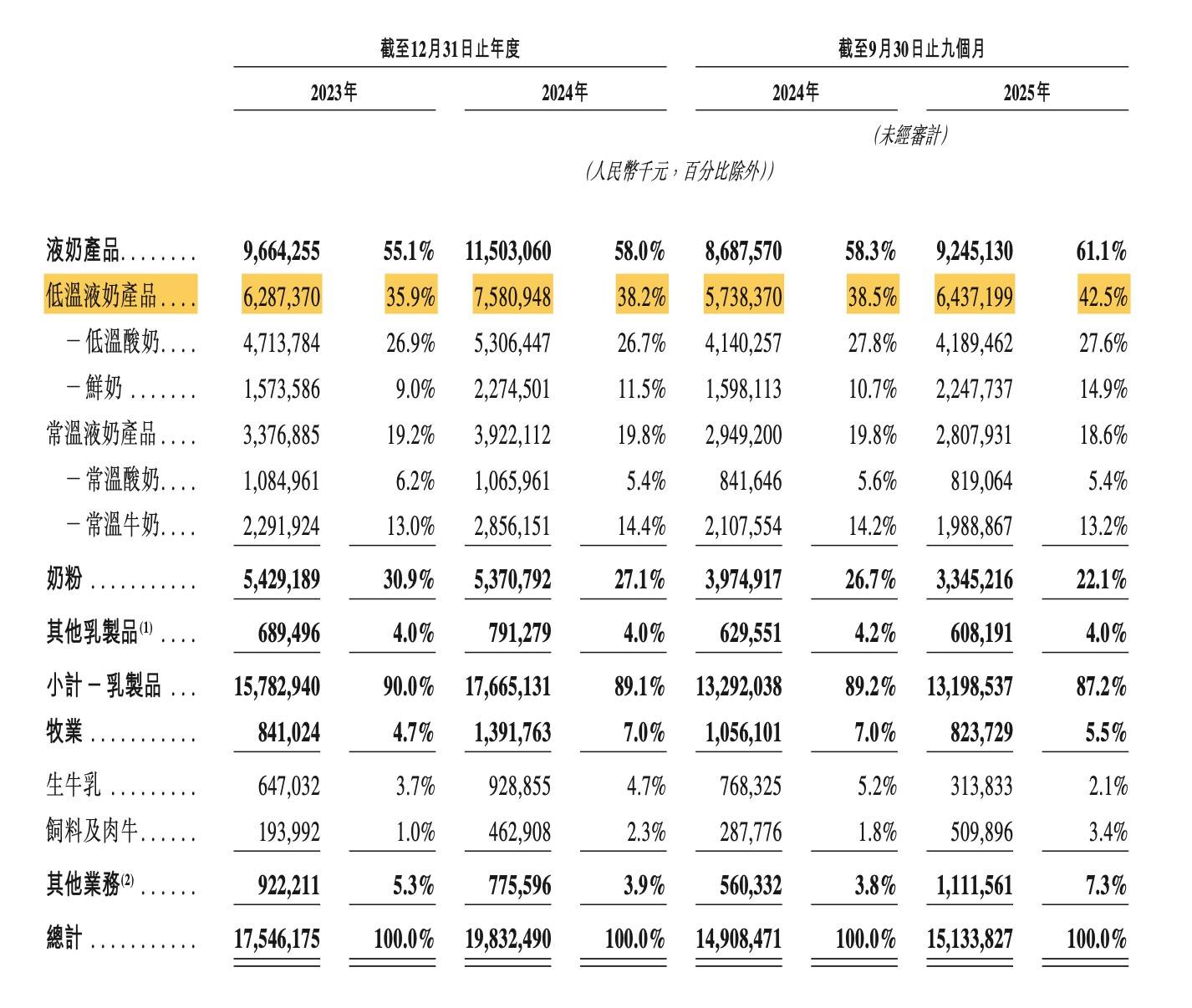
Group 1 - The core message highlights that a major dairy company in China, ranked third in the industry, has officially submitted its listing application to the Hong Kong Stock Exchange, aiming for an IPO. The company has achieved market leadership in low-temperature fresh milk and yogurt with its products "Yue Xian Huo" and "Jian Chun," boasting a self-sourced milk rate of 66% and an increase in net profit margin from 3.4% to 6% over the past three years. However, it also faces a high debt ratio of 77%, indicating pressure from both expansion and debt repayment [1] - The article emphasizes that market trends and hot topics do not guarantee sustained performance for stocks, as only a few can maintain their value over time. The performance of a stock is determined not by the news itself but by the actual participation of capital, suggesting that relying on subjective predictions can lead to emotional decision-making [1][2] - The importance of quantitative data in understanding market dynamics is stressed, as it can reveal the true state of capital participation and help investors avoid being swayed by emotions. This objective approach is a key advantage of quantitative trading [1][12] Group 2 - The data presented indicates that the company's liquid milk products generated significant revenue, with figures showing RMB 9.664 billion for 2023, representing a 55.1% increase, and projected revenues of RMB 11.503 billion for 2024, reflecting a growth of 58% [2] - The analysis of institutional inventory data reveals that sustained participation from institutional investors is crucial for a stock's performance. Stocks that lack continuous institutional interest tend to underperform, even if they initially show some activity [4][5] - The article also notes that stocks can still perform well if they attract institutional interest later, even if they were not initially favored. This indicates that ongoing capital participation is a fundamental support for stock performance, regardless of when it occurs [9][11]

251个交易日翻倍:揭秘机构"囤货"手法
Sou Hu Cai Jing· 2025-11-28 12:33
Core Insights - The recent surge in venture capital activity indicates a strong interest in the technology sector, reminiscent of the 2015 bull market in the startup space [1] - Retail investors are experiencing "missed opportunity anxiety," often hesitating to invest even as stock prices rise significantly [3] - The current venture capital market is characterized by a consensus among large institutional investors, which is driving substantial investment growth [4] Group 1: Market Dynamics - The venture capital market is seeing a significant influx of funds, with state-owned capital accounting for 75%-80% of investments and bank-affiliated AIC funds reaching a scale of 198 billion [3] - The total scale of venture capital funds is projected to reach 1.78 trillion by the third quarter of 2025, reflecting a year-on-year growth of 10.25% [4] - Investment scale in the sector has increased to 912 billion, marking a growth of 19.98% [4] Group 2: Institutional Behavior - Institutions tend to accumulate stocks quietly over time, often leading to a prolonged "dead period" before significant price movements occur [5] - Quantitative data indicates that stocks may show minimal price changes while institutional activity remains high, suggesting accumulation rather than selling pressure [8] - The pattern of three phases of price increases, with decreasing intervals, indicates growing urgency among institutions to invest [14] Group 3: Recommendations for Retail Investors - Retail investors should abandon the fantasy of timing the market perfectly and instead focus on monitoring capital flows using quantitative tools [16] - Stocks that remain stagnant during a bull market may warrant closer attention, as they could indicate institutional accumulation [16] - Trusting quantitative data over personal intuition is crucial, especially when there is a conflict between the two [16] - The current technology sector exemplifies a strong consensus among major investors, suggesting that this trend is likely to continue [16]

老美喜提三大利好,这局A股要输?
Sou Hu Cai Jing· 2025-07-07 01:46
Group 1 - The US market has shown positive signs with the S&P 500 index nearly breaking 3500, but the majority of individual stocks have declined, indicating mixed investor sentiment [1][5] - Recent actions by Trump, including agreements with Vietnam and strong non-farm payroll data, have contributed to a rebound in US stocks, alleviating short-term debt concerns [3][5] - Despite the apparent positive developments in the US, the A-share market is experiencing a high number of stock declines, with over 4000 stocks falling, reflecting a cautious market sentiment [1][5] Group 2 - Institutional investors are increasingly active, as evidenced by rising "21-30 day inventory" and "50-day inventory" metrics, indicating that certain stocks are being targeted for accumulation [7][11] - The "Boll Index" shows that while institutional trading activity is rising, the overall stock performance remains volatile, suggesting a potential buildup for future movements [11][13] - The current market behavior indicates a phase of "institutional accumulation," where large funds are gathering shares in anticipation of a breakout, although the timing and sustainability of such movements remain uncertain [18][19]