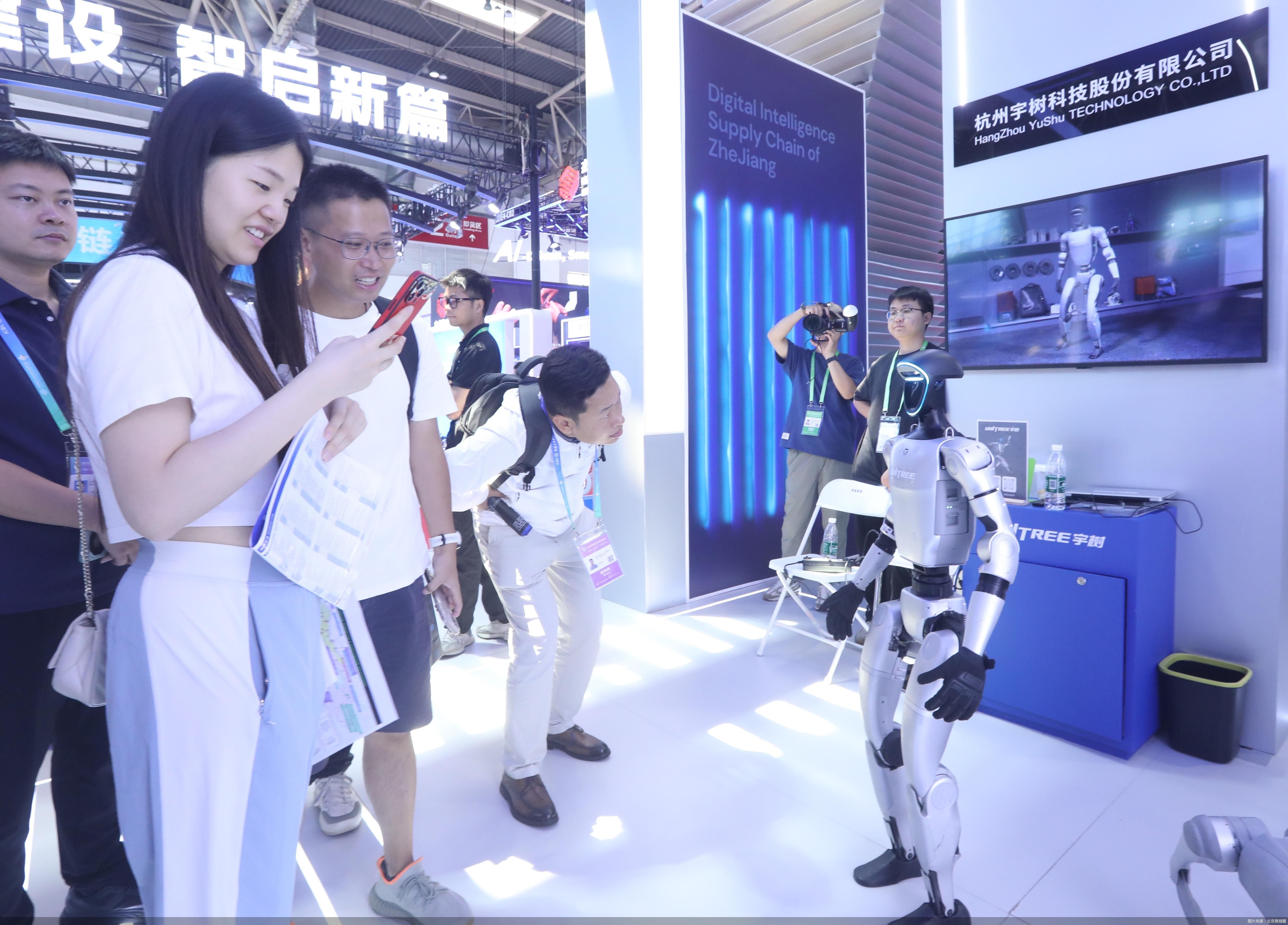
杭州六小龙

Search documents
“杭州六小龙”之一,IPO获证监会备案
新华网财经· 2026-02-15 08:05
Core Viewpoint - Manycore Tech Inc. (群核科技) plans to issue up to 312 million shares for overseas listing on the Hong Kong Stock Exchange, as per the notice from the China Securities Regulatory Commission [1][3]. Group 1: Company Overview - Manycore Tech Inc. was established in 2011 and is recognized as a leading provider of spatial intelligence services, focusing on accelerating the integration of artificial intelligence into the physical world [4]. - The company has attracted investments from several prominent institutions, including IDG Capital, GGV Capital, and Hillhouse Capital, among others [4]. Group 2: Financial Performance - Manycore Tech Inc. has achieved profitability, reporting an adjusted net profit of 17.83 million yuan for the first half of 2025 [5]. - The funds raised from the IPO will primarily be used for international expansion, enhancing existing products, launching new products, domestic sales and marketing, investing in core technologies, and general corporate purposes [5]. Group 3: Regulatory Compliance - The company is required to report any significant events to the China Securities Regulatory Commission during the period from the issuance of the notice until the completion of the overseas listing [3]. - If the company does not complete the overseas listing within 12 months from the issuance of the notice, it must update its filing materials to continue the process [3].


群核科技赴港IPO获证监会备案群核科技有望成杭州六小龙首股
Xin Lang Cai Jing· 2026-02-15 05:15
Group 1 - The core point of the article is that Manycore Tech Inc. (群核科技) has received approval from the China Securities Regulatory Commission for its overseas IPO, aiming to issue up to 312 million ordinary shares and list on the Hong Kong Stock Exchange [1] - Manycore Tech Inc. is expected to become the first stock among the "Hangzhou Six Dragons," a concept referring to six cutting-edge technology companies based in Hangzhou, focusing on fields such as robotics, artificial intelligence, game development, and brain-computer interfaces [1] - The "Hangzhou Six Dragons" includes six companies: Game Science, Deep Exploration, Yushu Technology, Cloud Deep Technology, Qiang Brain Technology, and Manycore Tech Inc., all of which are headquartered in Hangzhou [1]

杭州六小龙”齐聚 数贸会里藏着中国数字贸易的“内生力”与“朋友圈
Mei Ri Jing Ji Xin Wen· 2025-09-25 14:29
Group 1: Core Insights - The fourth Global Digital Trade Expo in Hangzhou highlights the city's role in digital trade, showcasing over 1,700 exhibitors and attracting more than 40,000 professionals [1] - The event emphasizes the dual engines of artificial intelligence and e-commerce in driving China's digital trade development [1] - Zhejiang province's digital trade has shown remarkable growth, achieving a total of 414.95 billion yuan in the first half of the year, marking a 13.2% year-on-year increase [2] Group 2: Digital Trade Growth - Global digital service trade is projected to reach 4.64 trillion USD in 2024, with an 8.3% growth rate, significantly outpacing the 2.3% growth in global goods trade [2] - China's digital service trade ranks among the top ten globally, with a record 1.5 trillion yuan in service imports and exports in the first half of the year [2] - Zhejiang's digital trade is expected to surpass 1 trillion yuan by 2027, with a focus on building a modern "digital trade port" [3] Group 3: AI and Robotics - The "Hangzhou Six Little Dragons" concept has gained popularity, showcasing advancements in humanoid robots and AI technologies at the expo [4][5] - The event features innovative products like intelligent bionic legs and the high-speed robotic dog, Black Panther 2.0, which demonstrates significant technological advancements [5][9] Group 4: International Collaboration - Countries like the UAE and Indonesia are keen on enhancing cooperation with China in digital trade and technology sectors, viewing China as a strategic partner for market access [10][12] - The UAE aims to become a global digital economy hub, with plans to increase the digital economy's contribution to its non-oil GDP from 12% to 20% by 2031 [12] - Indonesia's young and tech-savvy population is seen as a driving force for its digital economy, with hopes for joint development of a digital economic zone with China [12]
对话浙江省科技厅前厅长周国辉:杭州何来“六小龙”
经济观察报· 2025-09-16 12:11
Core Viewpoint - The article emphasizes that the success of innovation ecosystems, such as the "Hangzhou Six Little Dragons," is not due to a single advantage but rather a systemic ecological result involving government support, market cultivation, talent aggregation, and cultural climate [4][10][18]. Group 1: Innovation Ecosystem - The "Hangzhou Six Little Dragons" phenomenon highlights the city's emergence as a hub for technology entrepreneurship, driven by a conducive innovation ecosystem [2][4]. - An "innovation formula" is proposed: Success = Government (Sunshine) × Market (Soil) × Talent (Seeds) × Culture (Climate), indicating the interdependence of these elements in fostering innovation [4][10]. - Hangzhou's ranking in the Global Innovation Index rose to 13th in 2025, reflecting its progress in innovation compared to previous years [11]. Group 2: Role of Government - Government plays a crucial role in supporting innovation by understanding industry needs and providing tailored support rather than just financial incentives [10][14]. - The government should adapt its support strategies to align with the evolving economic landscape, focusing on technology trends and market needs [14][22]. - A market-oriented approach is encouraged, leveraging the insights of venture capital to identify promising projects and companies [13][15]. Group 3: New Entrepreneurs and Business Models - The new generation of Zhejiang entrepreneurs, termed "New Zhejiang Merchants," is characterized by a shift towards innovation-driven growth, focusing on technology and sustainable development [9][10]. - These entrepreneurs are moving into advanced fields such as digital economy, life sciences, and new materials, positioning themselves as leaders rather than mere participants in the supply chain [9][10]. - The "特色小镇" (Characteristic Town) model is highlighted as a successful framework for fostering innovation, integrating production, living, and ecological development [16][17]. Group 4: Investment Strategies - Zhejiang's venture capital landscape emphasizes early-stage investments in technology, with a focus on understanding the founders and their vision rather than just business plans [15][16]. - Key investment areas include artificial intelligence, smart manufacturing, new materials, and life sciences, reflecting a strategic alignment with national development goals [16][22]. - The investment approach is characterized by rigorous analysis and a deep understanding of industry trends, ensuring alignment with government policies and market demands [15][16]. Group 5: Future Directions - The focus for future development in Zhejiang is on "Artificial Intelligence+" to enhance the economy and improve public services [22][23]. - The "八八战略" (Eight-Eight Strategy) will continue to evolve, emphasizing high-quality development, innovation, and sustainable practices [23][24]. - Collaboration between Zhejiang and Anhui is encouraged, leveraging their complementary strengths to foster regional innovation [20][21].

周国辉:杭州何来“六小龙”,“懂”比“给”更重要
Jing Ji Guan Cha Wang· 2025-09-16 09:20
Group 1 - The emergence of the "Hangzhou Six Little Dragons" signifies a new wave of technological entrepreneurship in Hangzhou, building on the city's historical significance in e-commerce initiated by Alibaba [1][2] - Zhou Guohui's book "Effective and Capable: Decoding the Innovation Ecosystem Behind the 'Hangzhou Six Little Dragons'" provides insights into how Hangzhou has become a fertile ground for innovative enterprises [1][2] Group 2 - Zhou Guohui proposes an "innovation formula" that combines government support, market cultivation, talent aggregation, and cultural environment to create a nurturing ecosystem for innovation [2][4] - The "new Zhejiang merchants" are characterized by innovation-driven growth, entering advanced fields such as digital economy and high-end equipment, and aligning their missions with national strategies for common prosperity [4][5] Group 3 - Government's role in attracting companies like Qiangnao Technology involves understanding industry needs and providing tailored support rather than just financial incentives [6][7] - The innovation ecosystem in Hangzhou is more about understanding and respecting industry needs than merely offering better policies compared to other regions [7] Group 4 - Zhou Guohui highlights the importance of learning from Silicon Valley while emphasizing that Hangzhou should focus on its unique characteristics and not merely replicate existing models [8] - In the 2025 Global Innovation Index, Hangzhou ranks 13th, reflecting its progress in becoming a significant innovation cluster [8] Group 5 - The investment strategies of Zhejiang's venture capital focus on rigorous evaluation, understanding industry trends, and aligning with government-supported sectors [9][11] - Prominent sectors for investment include artificial intelligence, smart manufacturing, new materials, and life sciences, with a focus on assessing each company's specific potential [11] Group 6 - The "characteristic town" model in Zhejiang promotes the integration of production, living, and ecology, creating a conducive environment for innovation and entrepreneurship [12] - This model addresses common issues faced by traditional industrial parks, such as separation of production and living spaces, and aims to foster a vibrant community for talent [12] Group 7 - Zhou Guohui suggests that the "Hangzhou model" should be viewed as a flexible paradigm rather than a rigid template, encouraging learning and adaptation rather than direct replication [13] - The government should focus on planning and differentiation to avoid homogenized competition and ensure effective resource allocation [16] Group 8 - The "Eight-Eight Strategy" continues to evolve, emphasizing high-quality development, integration of artificial intelligence, and sustainable practices in response to environmental constraints [17]
对话|周国辉:杭州何来“六小龙”,“懂”比“给”更重要
Sou Hu Cai Jing· 2025-09-16 09:16
Core Insights - The emergence of the "Hangzhou Six Dragons" signifies a new wave of technological entrepreneurship in Hangzhou, building on the legacy of Alibaba and the e-commerce boom initiated over two decades ago [2][4] - The book "Effective and Effective: Decoding the Innovation Ecosystem Behind the 'Hangzhou Six Dragons'" by Zhou Guohui provides insights into why Hangzhou has become a fertile ground for innovative enterprises [2][4] Government Role in Innovation - The government plays a crucial role in fostering innovation by providing a supportive ecosystem rather than just financial incentives, focusing on understanding industry needs and facilitating connections [7][10] - The approach taken by the Hangzhou government emphasizes respect for enterprises and tailored support, which is more valued by companies than mere policy advantages [7][10] Evolution of Zhejiang's Business Landscape - The new generation of Zhejiang entrepreneurs, referred to as "New Zhejiang Merchants," is characterized by a shift from traditional cost-driven strategies to innovation-driven growth, focusing on core technologies and sustainable development [5][6] - "New Zhejiang Merchants" are increasingly integrating their business goals with national strategies, recognizing the importance of social contributions alongside financial performance [6] Investment Strategies - Zhejiang's venture capital landscape is evolving, with a focus on early-stage investments in technology sectors, emphasizing the importance of understanding the founders and their vision [11] - Key investment areas include artificial intelligence, smart manufacturing, new materials, and life sciences, with a strong emphasis on evaluating the specific conditions and potential of each enterprise [11] Unique Features of Hangzhou's Innovation Ecosystem - Hangzhou's innovation ecosystem is compared to Silicon Valley, with a focus on technology and talent as core drivers, while also recognizing the need for unique local characteristics rather than direct replication of Silicon Valley's model [8][14] - The "特色小镇" (characteristic towns) model in Zhejiang promotes a synergistic development of production, living, and ecology, creating a conducive environment for innovation and entrepreneurship [12][13] Future Directions - The focus for future development in Zhejiang is on "Artificial Intelligence+" to enhance the real economy and explore new industries, while also addressing the need for differentiated development across various regions [15][17] - Continuous adaptation of the "八八战略" (Eight-Eight Strategy) is essential for high-quality development, emphasizing innovation, environmental sustainability, and global integration [18]
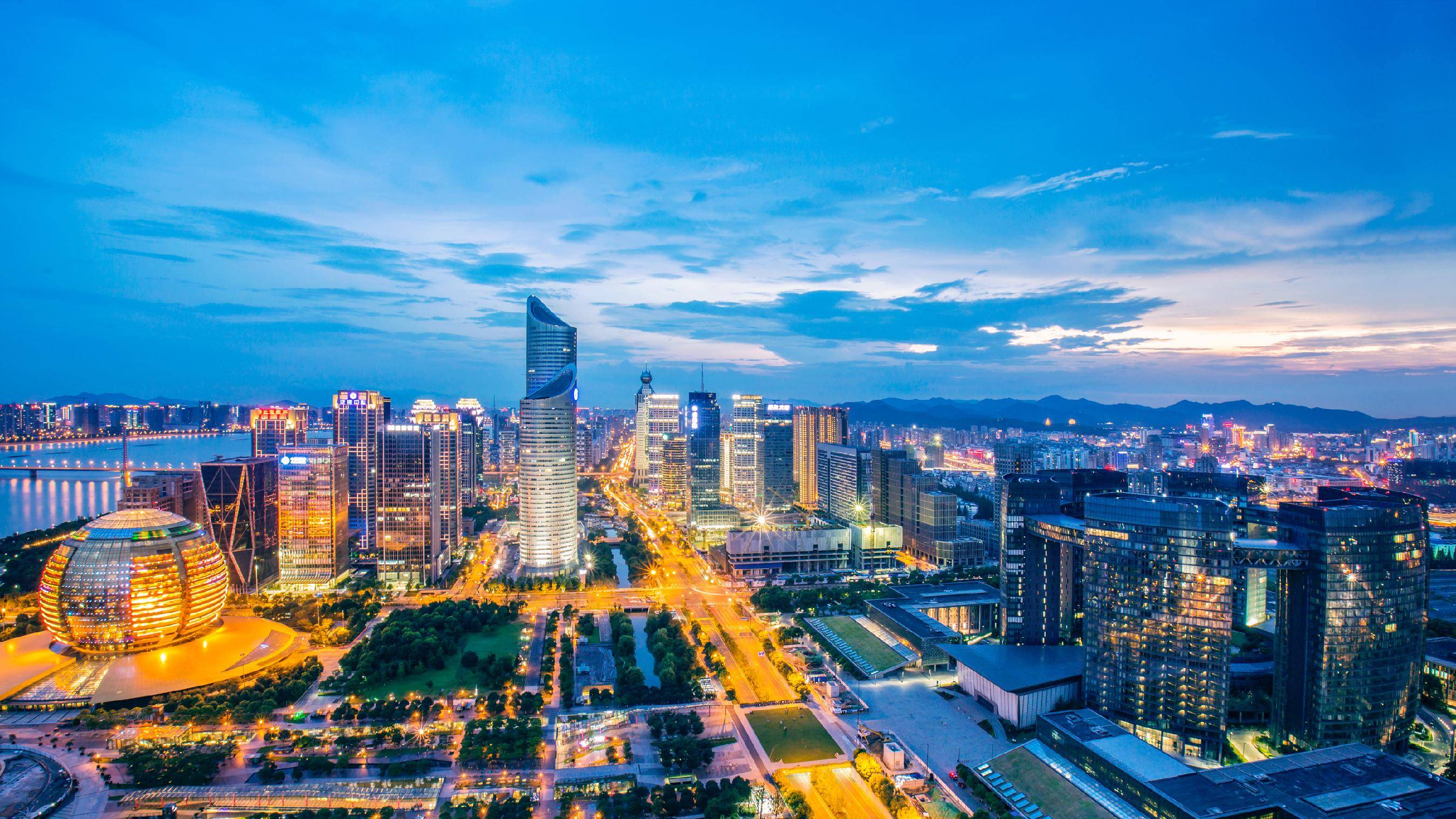
链博会打卡:半个“六小龙”与它们的朋友圈
Bei Jing Shang Bao· 2025-07-17 06:59
Core Viewpoint - The article highlights the emergence and recognition of the "Hangzhou Six Dragons," a group of six influential tech companies in Hangzhou, focusing on advanced technologies such as robotics, AI, and brain-machine interfaces. These companies are collaborating rather than competing, aiming for partnerships and market presence [1][5][11]. Group 1: Company Overview - The "Hangzhou Six Dragons" includes six companies: Game Science, Deep Seek, Yuzhu Technology, Cloud Deep Technology, Strong Brain Technology, and Qunke Technology, all of which are at the forefront of new technology fields [5][8]. - Yuzhu Technology is known for its humanoid robot Unitree H1, while Strong Brain Technology focuses on brain-machine interfaces, and Qunke Technology started in spatial design [1][5][11]. Group 2: Market Presence and Recognition - The term "Hangzhou Six Dragons" gained popularity in early 2025, indicating the companies' rising influence in the tech industry, with public awareness of their products increasing significantly [5][6]. - The companies are not in direct competition but are enhancing each other's visibility and market presence through collaboration [7][11]. Group 3: Financial Performance - Qunke Technology reported revenues of 600 million yuan in 2022 and 664 million yuan in 2023, with a net loss of 338 million yuan and 242 million yuan for the same years, respectively [12][16]. - The company aims to achieve profitability in the near future, reflecting the common trend of initial losses among startups in high-tech sectors [16]. Group 4: Future Prospects - The companies are focusing on finding viable application scenarios for their technologies, with an emphasis on accumulating user bases and achieving technological breakthroughs [16]. - The potential for brain-machine interface technology to scale up is seen as promising, while Yuzhu Technology is exploring B2B applications [15][16].