概率思维

Search documents
融资资金扎堆,别被走势骗了
Sou Hu Cai Jing· 2026-02-24 03:17
Core Viewpoint - The article emphasizes the importance of understanding the true trading intentions of funds, particularly institutional investors, rather than relying solely on personal intuition or market trends when making investment decisions [1]. Group 1: Misjudging Market Trends - Investors often rely on personal feelings to determine market highs and lows, leading to premature selling or buying decisions [3]. - The article illustrates that stock price movements are dictated by the trading intentions of funds, especially institutional participation, rather than mere price trends [3]. - An example is provided where a stock doubled in price within three months, and despite price corrections, institutional inventory data indicated continued participation, suggesting that these corrections were normal rather than signals of a market peak [3]. Group 2: Misinterpretation of Price Corrections - A common mistake is to sell off stocks after they reach new highs and begin to correct, assuming the market has peaked [5]. - The article highlights that during price corrections, institutional inventory data remained active, indicating ongoing institutional interest and suggesting that these corrections were merely consolidations for future gains [5]. - Investors who sell during these corrections may miss out on significant future profits [5]. Group 3: Risks of Bottom Fishing - The belief that a stock must rebound after a significant drop leads many investors to attempt bottom fishing, often resulting in losses [7]. - The article notes that many rebounds are not supported by institutional buying, making them unreliable and prone to further declines [7]. - An example is given of a stock that continued to decline despite apparent short-term rebounds, illustrating the dangers of following market sentiment without institutional backing [7]. Group 4: Misreading Rebounds After Declines - Investors often mistake short-term rebounds following significant declines as signs of a market reversal, leading to hasty buying decisions [9]. - The article points out that during these rebounds, institutional inventory data showed no signs of active participation, indicating that these movements were merely emotional responses rather than genuine reversals [9]. - This misinterpretation can result in investors being trapped in further downtrends after buying into these false signals [9]. Group 5: Establishing Probability-Based Thinking - The article advocates for a shift from intuitive decision-making to a data-driven approach that focuses on the participation of institutional investors [12]. - By utilizing quantitative data, investors can better understand the true market dynamics and improve their decision-making processes [12]. - The emphasis is on developing a systematic investment strategy based on objective data rather than subjective feelings, which can enhance long-term investment success [12].

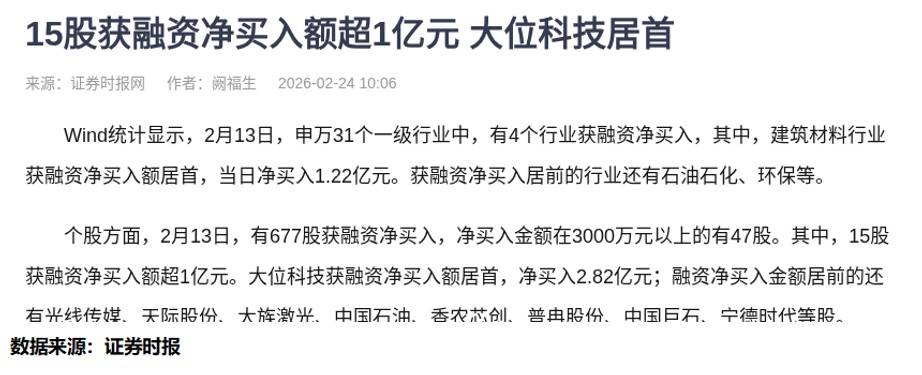
大数据时代的理性胜利法则———读《大概率思维》
Shang Hai Zheng Quan Bao· 2026-02-23 18:37
Core Insights - The essence of probability thinking is a belief that relies on analytical and statistical methods to find certainty [3] - The author emphasizes the importance of understanding volatility and maintaining a long-term perspective in decision-making [4] - The book provides a framework for decision-making that includes setting goals, defining scope, and determining perspective [8] Group 1: Probability Thinking - Probability thinking is a distinguishing factor between experts and ordinary individuals, focusing on maximizing future success probabilities [1] - The author shares personal experiences from the blackjack table, illustrating the universal applicability of probability thinking in business [3] - The success in blackjack is attributed to a solid mathematical foundation, where past events influence future outcomes [3] Group 2: Long-term Perspective - The second principle of "big probability thinking" is to value and maintain a long-term perspective, requiring multiple attempts and patience [4] - The author stresses that true belief in strategies and models is essential, based on an understanding of underlying system logic [4] Group 3: Cognitive Biases - The book highlights cognitive traps that hinder rational decision-making, such as confirmation bias and selective bias [5] - It is crucial to ensure that all relevant data is considered to maintain sample integrity and representativeness [6] - Distinguishing correlation from causation is key to understanding the predictive value of data [6] Group 4: Data Utilization - Collecting data is just the first step; the focus should be on obtaining trustworthy, unbiased information [7] - Organizations should foster a culture of inquiry, encouraging collaboration between those who ask important questions and those skilled in statistical analysis [8] Group 5: Decision Framework - A complete decision framework consists of three elements: goals, scope, and perspective [8] - The author advocates for a "data-driven culture" in organizations, where decisions are based on solid data and thorough examination [8] Group 6: Quality of Decisions - Decision quality should not be judged solely by outcomes; the logic and information used in decision-making are the true standards [9] - The author warns against the dangers of inaction and groupthink, which can stifle innovation [9] - A clear strategy for navigating uncertainty involves seeking certainty in data and maintaining patience through volatility [9]

假期消息满天飞,数据锚定核心
Sou Hu Cai Jing· 2026-02-23 17:32
Group 1 - The article emphasizes that investors often misinterpret market news, equating it directly with stock price movements, leading to poor decision-making [1][3] - It highlights a case where a pharmaceutical stock, despite negative news, saw a price increase of 30%, illustrating the disconnect between news perception and actual market behavior [1][3] - The article argues that relying solely on intuition can lead to misjudgments, as seen in instances where stocks with strong earnings reports did not perform as expected due to lack of institutional interest [1][7] Group 2 - The concept of "institutional inventory" is introduced, indicating the level of institutional participation in trading; increased activity can signal underlying strength despite negative news [5][12] - The article discusses how a stock with an 8-fold earnings increase failed to rise due to insufficient institutional interest, demonstrating that strong fundamentals alone do not guarantee price appreciation [7][10] - It stresses the importance of recognizing abnormal signals in data, which can indicate early investment opportunities that are not apparent through surface-level analysis [9][10] Group 3 - The article points out that without consensus among institutional investors, even promising themes may not lead to sustained price increases, as illustrated by a financial stock that failed to maintain its rebound [10][12] - It concludes that using quantitative data can help investors avoid common pitfalls associated with emotional trading and develop a more rational investment strategy [13]

节后行情有大误区,资本刷了小心机
Sou Hu Cai Jing· 2026-02-23 04:10
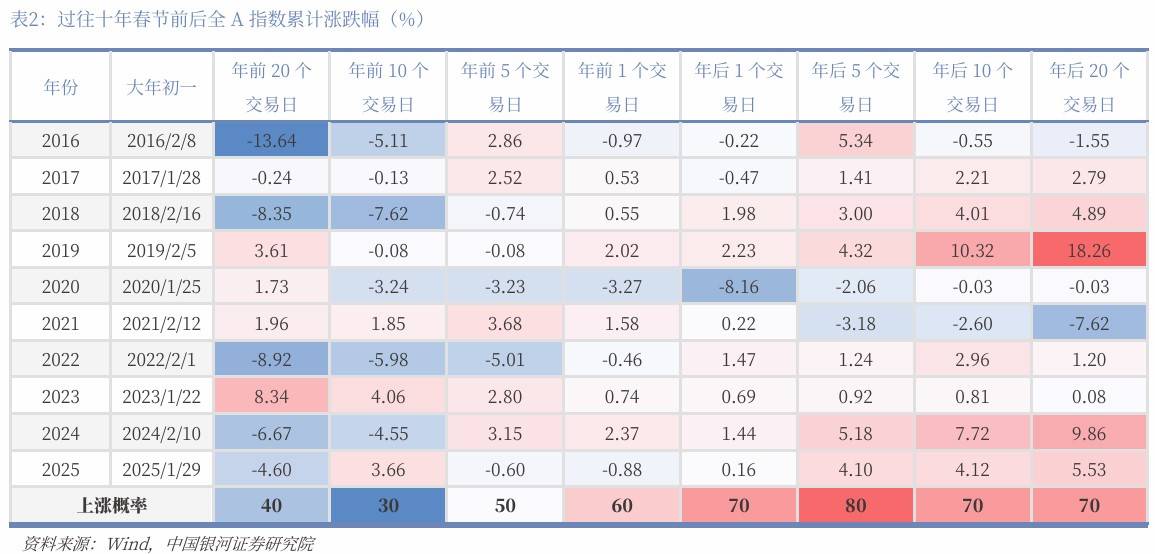
Core Viewpoint - The article emphasizes the importance of using quantitative data to make investment decisions rather than relying on intuition or emotional responses, especially during the A-share market's post-Spring Festival period [1][3]. Group 1: Market Behavior and Investment Decisions - Many investors tend to make decisions based on intuition, such as chasing popular stocks or following bullish predictions from brokers, which often leads to unfavorable outcomes [1][2]. - Historical data shows that the probability of market increases varies significantly, with a 40% to 80% chance of rising depending on the timing relative to the holiday [2]. - The article highlights that relying solely on past performance or market trends can mislead investors, as seen in the 2025 second quarter when only 66 out of 248 stocks in a booming sector rose, despite some experiencing significant gains [2][3]. Group 2: The Role of Quantitative Data - Quantitative data can reveal the true intentions of institutional investors, which are often obscured from casual observation [8][10]. - The concept of "institutional inventory" is crucial, as it indicates whether institutional funds are actively participating in a stock, suggesting a higher probability of future price increases [8][10]. - The article argues that understanding these data points can help investors avoid being misled by superficial market movements and instead focus on stocks with sustained institutional interest [10][15]. Group 3: Recognizing Silent Signals - Investors often overlook stocks that appear stagnant but have active institutional inventory, which can signal potential future gains [11][13]. - The article provides examples of stocks that, despite lackluster performance, showed consistent institutional trading activity, leading to significant price increases later [11][15]. - It stresses the need for patience and attention to less obvious signals in the market, which can lead to better investment opportunities [13][15]. Group 4: Establishing Probability Thinking - The article advocates for a shift from subjective decision-making to a probability-based approach, utilizing quantitative data to identify higher probability investment opportunities [15]. - By focusing on stocks with active institutional inventory, investors can improve their chances of success compared to those relying on sporadic data [15]. - The ultimate goal is to develop a systematic investment logic that minimizes reliance on gut feelings and enhances decision-making stability [15].
港股节后表现不一,A股影响几何?
Sou Hu Cai Jing· 2026-02-20 14:46
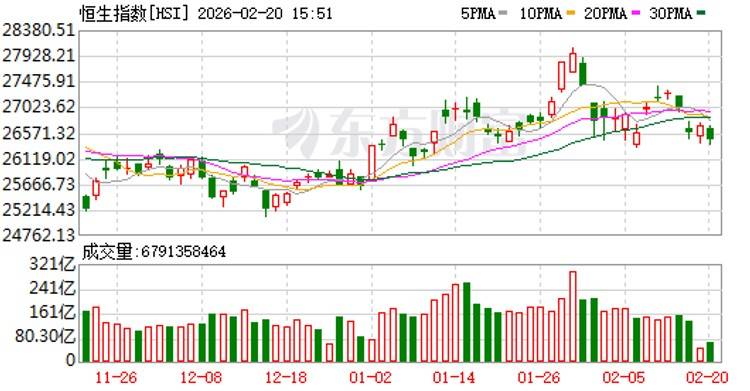
Core Viewpoint - The article discusses the pitfalls of making investment decisions based solely on news and market sentiment, emphasizing the importance of understanding underlying trading behaviors and institutional participation rather than relying on superficial interpretations of news events [1]. Group 1: Misconceptions in Trading Based on News - Investors often assume that negative news will lead to stock price declines and positive news will result in price increases, but this is not always the case, as evidenced by a pharmaceutical stock that rose 30% despite negative news [3]. - The article highlights that institutional inventory data indicates active participation from institutional investors, suggesting that perceived negative movements may be misleading and driven by strategic trading rather than genuine market sentiment [5]. - A case is presented where a stock with an 8-fold increase in net profit saw its price drop nearly 10%, illustrating that without institutional interest, even strong earnings reports may not lead to price appreciation [7]. Group 2: Importance of Institutional Participation - The article emphasizes that the lack of institutional inventory data for a stock, even after a positive earnings report, indicates that institutional investors are not interested, which can lead to price declines despite favorable news [9]. - It is noted that during a market rally, certain sectors, like the financial sector, showed early signs of institutional interest, which retail investors often overlook, leading to missed opportunities [11]. - The article argues that the true drivers of stock performance are the levels of institutional participation rather than the popularity of the underlying themes or sectors [11]. Group 3: Developing a Probability-Based Investment Mindset - The article advocates for a shift from relying on subjective intuition to adopting a probability-based approach, using quantitative data to assess the likelihood of market movements based on institutional behavior [11]. - By focusing on institutional inventory and other quantitative metrics, investors can better navigate market fluctuations and avoid common pitfalls associated with emotional trading decisions [11].
科技风口来临,别被主观判断带偏
Sou Hu Cai Jing· 2026-02-19 02:13
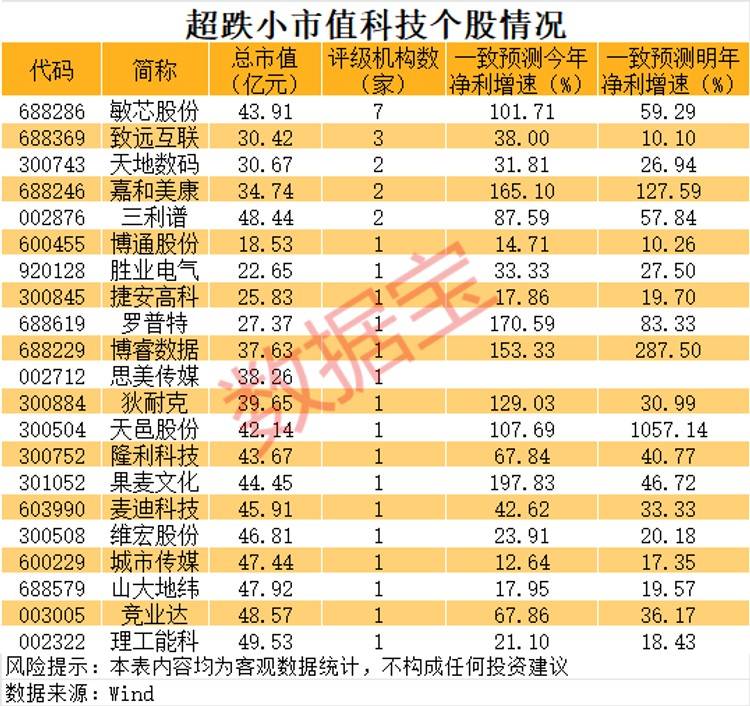
Core Viewpoint - The technology sector is experiencing increased attention, particularly among small-cap stocks that have significantly declined, which are considered to have greater elasticity and potential for recovery [1] Group 1: Market Trends - The market has seen a rise in interest for small-cap technology stocks, with institutions identifying a list of oversold stocks that are worth monitoring [1] - Investors often react to positive news by rushing to buy related stocks, assuming that the combination of "oversold + hot sector" guarantees profits, which can lead to significant losses [1] Group 2: Data Analysis - Quantitative data can help investors avoid common pitfalls by revealing the true attitudes of institutional investors, rather than relying solely on subjective interpretations of stock price movements [3][5] - The "institutional inventory" data indicates the level of trading activity among large institutional investors, which can provide insights into potential stock performance [3][5] Group 3: Investment Strategies - Successful investment requires understanding that stock price changes are fundamentally driven by trading activity, and without sustained institutional participation, even the best themes may not support long-term price increases [8][10] - Establishing a probability-based mindset is crucial for avoiding investment mistakes, as many investors confuse "possibility" with "certainty" when reacting to market news [12]
美元信任危机引爆资本市场,节后大变化
Sou Hu Cai Jing· 2026-02-18 03:32
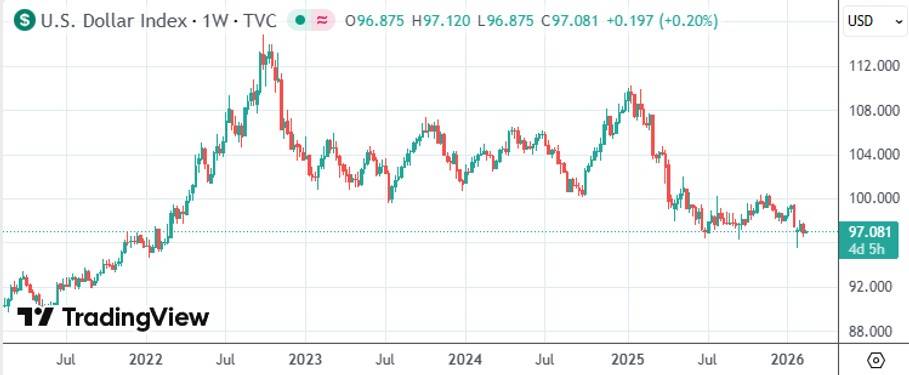
Group 1 - The core sentiment among large funds globally is a significant bearish outlook on a major international currency, reaching the highest level in over a decade, with related surveys indicating the most negative positioning on record [1] - Many asset management giants are adjusting their hedging strategies in response to this sentiment, reflecting a broader trend in the market [1] - The article emphasizes the importance of understanding that news is merely a catalyst for market movements, while the actual trading behavior of large funds determines the market trends [1][2] Group 2 - The article discusses the common pitfalls of relying on intuitive judgments based on stock price movements, which can lead to confusion and poor investment decisions [2] - It highlights the significance of "institutional inventory" data as a measure of large fund activity, indicating whether big players are actively participating in the market [7] - The analysis shows that when stock prices decline but institutional inventory remains active, it suggests that large funds are still engaged, indicating that the market may not be at an end [10] Group 3 - The article contrasts different stocks to illustrate how relying on intuition can be misleading; for instance, a stock may appear to be a buying opportunity based on price alone, but if institutional inventory is absent, it indicates a lack of interest from large funds [12] - It emphasizes the need for a systematic approach to trading that relies on objective data rather than emotional reactions to market news [15] - The use of quantitative data is presented as a tool to establish probability-based decision-making, helping investors avoid emotional pitfalls and make informed choices [14][15]
融资资金持续布局,量化拆解震荡背后的玄机
Sou Hu Cai Jing· 2026-01-19 04:17
Core Viewpoint - The article emphasizes the importance of quantitative data in understanding market dynamics and avoiding subjective biases in investment decisions. It highlights how many investors fall into traps during volatile markets, often driven by emotions rather than data-driven insights [1][3][10]. Group 1: Market Dynamics - Recent statistics show that 167 stocks in the Shanghai and Shenzhen markets have experienced net financing inflows for over five consecutive days, with many leading stocks seeing net inflows for more than ten days [1]. - Investors often react to such data with either a rush to buy popular stocks or skepticism about potential manipulation, reflecting a gap between subjective perceptions and actual market behavior [1][10]. Group 2: Quantitative Data Insights - The article introduces two core indicators from quantitative data: the "dominant momentum" which reflects four trading behaviors (buying, profit-taking, short-selling, and covering), and "institutional inventory" which indicates the activity level of large funds [6]. - When the dominant momentum shows a "covering" behavior while institutional inventory remains active, it signals that large funds are quietly accumulating positions, which is a key indicator of market strength [7]. Group 3: Historical Performance and Probability Advantage - An analysis of a specific stock in the solid-state battery sector revealed that there were nine instances of "shock warehouse" signals since the second quarter of last year, with six of these signals marking local lows, indicating a higher probability of successful investment compared to random timing [11]. - The article argues that quantitative data provides a probability-based approach to identify better entry points, contrasting with the often misguided timing of average investors who rely on gut feelings [14]. Group 4: Rational Trading Mindset - The current market environment is characterized by an overload of information, leading to emotional trading behaviors such as impulsive buying during rallies and panic selling during corrections [15]. - The article advocates for a shift towards a rational trading mindset, where the focus is on the sustained activity of large funds rather than merely the stocks being bought, to differentiate between genuine long-term investments and short-term speculation [15][16].

AI时代,管理者需要补一补数学思维
3 6 Ke· 2026-01-09 01:17
Core Viewpoint - The rise of artificial intelligence (AI) prompts business leaders to consider outsourcing mathematical tasks to machines, but it is crucial for them to maintain a strong grasp of mathematics as it is the core language of business [1]. Group 1: Importance of Mathematics in Business - Mastery of practical and flexible mathematical skills is essential for managers to solve real-world problems effectively [2]. - The ability to think independently and reason is critical, as over-focusing on irrelevant details can lead to overlooking important aspects in business mathematics [3]. Group 2: Historical Examples of Mathematical Misjudgment - During the late 1990s internet boom, managers fixated on "page views" while neglecting cash flow, leading to the bankruptcy of many internet companies [4]. - In the 2008-2009 financial crisis, analysts relied on complex financial models that failed to predict the collapse of major banks, while outsiders like Michael Burry used basic mathematical analysis to identify the flaws [5]. Group 3: Skills for Effective Mathematical Application - Developing numerical intuition is vital, and using tools that encourage initial estimations can enhance mathematical thinking [6]. - Employing problem-solving frameworks, such as the McKinsey method, can help in constructing and testing hypotheses effectively [7]. - Learning mental calculation techniques can simplify complex problems and improve decision-making [8]. Group 4: Decision-Making and Outcomes - Decision-making and outcomes are interconnected, but making mathematically correct decisions does not guarantee favorable results due to the randomness of real-world scenarios [9][10]. - The use of probability logic and decision trees is essential for making informed decisions, even though luck can sometimes yield better outcomes for some individuals [11]. Group 5: Non-linear Thinking in Decision-Making - Applying linear thinking to non-linear problems can lead to significant errors, especially in capital or resource allocation decisions [12]. - Understanding the Kelly Criterion is crucial for maximizing long-term growth rates by determining optimal bet sizes in uncertain situations [16].
提升做事成功几率的三大秘诀
3 6 Ke· 2026-01-08 23:09
Core Insights - The article emphasizes the importance of probability thinking in achieving goals, illustrating that even seemingly high probabilities can lead to low overall success rates when multiple conditions must be met [2][3]. Group 1: Strategies for Improving Success Probability - The first strategy is reverse thinking, which involves identifying and preventing potential negative outcomes to enhance the chances of success [3][4]. - The second strategy suggests multiple attempts to increase the likelihood of success, highlighting that a high failure rate can still yield opportunities for success through persistence [4][6]. - The third strategy focuses on prioritizing low-probability elements, as the overall success rate is determined by the least certain conditions, advocating for addressing the most challenging aspects first [7].