
水土流失治理

Search documents
内蒙古水土流失面积强度双下降
Xin Lang Cai Jing· 2026-02-08 19:33
Core Insights - Inner Mongolia has invested a total of 5.313 billion yuan in comprehensive soil erosion control during the 14th Five-Year Plan period, focusing on key areas of soil erosion and providing strong support for building an important ecological security barrier in northern China [1][2] Group 1: Investment and Achievements - A total of 40,100 square kilometers of soil erosion control has been completed in Inner Mongolia, with a reduction of 20,500 square kilometers in soil erosion area, representing a decrease of 3.55% [1] - The area of moderate to severe erosion has decreased by 10,500 square kilometers, with a reduction rate of 7.87%, indicating a shift in erosion intensity from high to low [1] Group 2: Innovative Practices - Inner Mongolia has deepened reform and innovation, exploring new models for soil erosion control, including the first batch of ecological product value transformation and new arable land index trading in the Xing'an League [1] - The implementation of 18 key soil conservation projects using a labor-for-work model in 14 banners across 7 leagues and cities has created job opportunities for 1,002 local residents, with labor remuneration totaling 11.678 million yuan [1] Group 3: Regulatory Measures - Inner Mongolia has strengthened supervision of human-induced soil erosion, strictly enforcing a "two lists" system for market entities violating soil conservation regulations, which includes a focus list and a blacklist [2] - As of now, 47 enterprises have been placed on the focus list for regulatory scrutiny [2]
“十四五”以来我国新增水土流失治理面积超34万平方公里
Ren Min Ri Bao· 2025-12-24 06:33
Core Viewpoint - Since the beginning of the "14th Five-Year Plan," China has made significant progress in soil and water conservation, with over 340,000 square kilometers of new soil erosion control areas and a net reduction of approximately 116,000 square kilometers of soil erosion area, achieving a soil conservation rate of over 73% [1] Group 1: Achievements in Soil and Water Conservation - The area of soil erosion control has exceeded 340,000 square kilometers, with a net reduction of about 116,000 square kilometers of soil erosion [1] - The soil conservation rate has reached over 73% [1] Group 2: Regional Initiatives and Projects - Various regions such as Liaoning, Inner Mongolia, Jiangxi, Sichuan, Anhui, and Shaanxi have explored tailored soil and water conservation projects, including erosion gully, landslide, small watershed comprehensive management, and sedimentation dam projects [1] - These initiatives have led to the formation of arable land that can be utilized sustainably and are in accordance with regulations for cultivated land occupation and compensation balance [1] Group 3: Focused Areas for Erosion Control - Key areas for soil erosion control include the middle and upper reaches of major rivers, the Northeast black soil region, the Southwest karst region, the water source area of the South-to-North Water Diversion Project, and the Three Gorges Reservoir area [1] - Central government investment has supported comprehensive small watershed management, addressing soil erosion over an area of 67,000 square kilometers, with soil erosion intensity reduced by 15 to 20 percentage points in project implementation areas [1] - The quality and stability of ecosystems in these regions have significantly improved [1]
“十四五”时期 我国新增水土流失治理面积超34万平方公里
Yang Shi Xin Wen Ke Hu Duan· 2025-12-23 02:33
Core Viewpoint - The article highlights significant progress in soil and water conservation efforts during the "14th Five-Year Plan" period, with a focus on achieving harmony between humans and nature [1] Group 1: Achievements in Soil and Water Conservation - Over 340,000 square kilometers of new soil and water loss control areas have been established, resulting in a net reduction of approximately 116,000 square kilometers of soil erosion [1] - The soil conservation rate has reached over 73%, providing strong support for promoting harmonious coexistence between humans and nature [1] Group 2: Focused Regional Efforts - Key regions such as the middle and upper reaches of major rivers, the Northeast black soil area, and the Southwest karst area have effectively managed soil erosion [1] - Central government investments have supported comprehensive management of small watersheds, addressing soil erosion over an area of 67,000 square kilometers [1] - The implementation of projects in these areas has led to a reduction in soil erosion intensity by 15 to 20 percentage points, significantly enhancing the quality and stability of ecosystems [1]
水土流失治理面积5年新增超34万平方公里
Xin Lang Cai Jing· 2025-12-22 20:23
Core Viewpoint - The Ministry of Water Resources announced significant achievements in soil and water conservation during the "14th Five-Year Plan" period, highlighting a net reduction of approximately 116,000 square kilometers of soil erosion and an increase in the national soil conservation rate to over 73% [1] Group 1: Achievements in Soil and Water Conservation - Over 340,000 square kilometers of new soil erosion control areas were established, contributing to a harmonious coexistence between humans and nature [1] - A comprehensive inter-ministerial coordination mechanism was established to enhance collaboration and form a "big water conservation" framework [1] - The implementation of a circular investment mechanism for soil conservation was explored, encouraging social capital participation in soil erosion control projects [2] Group 2: Climate Change and Agricultural Practices - The Ministry actively implemented national strategies to address climate change, including the introduction of methodologies for voluntary greenhouse gas emission reductions related to sediment ponds [2] - Various regions, including Liaoning and Inner Mongolia, have tailored approaches to soil conservation, focusing on sustainable agricultural practices and land use balance [2] Group 3: Focused Areas for Soil Erosion Control - Key regions targeted for soil erosion control include the middle and upper reaches of major rivers, the Northeast black soil region, and areas affected by the South-to-North Water Diversion Project, with a total of 67,000 square kilometers of soil erosion addressed [3] - The construction and renovation of nearly 7,000 sediment ponds in the Loess Plateau have significantly improved water retention and reduced sediment flow into the Yellow River [3] - The establishment of ecological clean small watersheds in the Danjiangkou Reservoir area aims to reduce non-point source pollution and ensure water quality safety [3] Group 4: Future Plans - The Ministry of Water Resources aims to continue strengthening soil and water conservation efforts during the "15th Five-Year Plan" period, contributing to the construction of a beautiful China [4]
“十四五”时期全国水土保持率超73%
Xin Lang Cai Jing· 2025-12-22 20:23
Core Insights - The article highlights the significant progress made in soil and water conservation during the "14th Five-Year Plan" period, with over 340,000 square kilometers of new soil erosion control areas established and a net reduction of approximately 116,000 square kilometers of soil erosion [1] Group 1: Achievements in Soil and Water Conservation - The national soil conservation rate has reached over 73% [1] - Key regions such as the middle and upper reaches of major rivers, the Northeast black soil region, the Southwest karst area, the South-to-North Water Diversion source area, and the Three Gorges Reservoir area have seen effective soil erosion management [1] - Central government investments have supported comprehensive small watershed management, addressing 67,000 square kilometers of soil erosion, with a reduction in soil erosion intensity by 15 to 20 percentage points in project areas [1] Group 2: Specific Initiatives and Projects - Nearly 7,000 sediment retention dams have been newly built or renovated in the Loess Plateau region, enhancing water retention and soil conservation capabilities [1] - A total of 4 million mu (approximately 266,667 hectares) of sloped farmland has been comprehensively rehabilitated, and 38,000 erosion gullies in the Northeast black soil region have been managed [1] - The article emphasizes the importance of these efforts for food security and the protection of vital agricultural land [1] Group 3: Regulatory Measures and Oversight - Effective control of human-induced soil erosion has been achieved through strengthened regulatory oversight of production and construction projects [1] - Regular remote sensing monitoring of soil conservation has been implemented, leading to the identification and strict enforcement against 71,500 illegal activities [1] - A soil conservation credit evaluation system has been established, with 829 entities placed under focused credit supervision [1]
6.7万平方公里,400万亩!“数”说生态系统稳定性增强 耕作条件有效改善
Yang Shi Wang· 2025-12-22 08:33
Core Viewpoint - The Ministry of Water Resources announced that during the "14th Five-Year Plan" period, China will strengthen soil and water loss management, achieving a soil conservation rate of over 73% [1] Group 1: Soil and Water Loss Management - Over 340,000 square kilometers of new soil and water loss management areas have been added, with a net reduction of approximately 116,000 square kilometers of soil erosion [4] - Key regions for effective soil and water loss management include the middle and upper reaches of major rivers, the Northeast black soil region, and the Southwest karst region [7] Group 2: Ecological Improvement - The quality and stability of ecosystems have significantly improved due to effective management practices [5] - Soil erosion intensity in project implementation areas has decreased by 15 to 20 percentage points [7] Group 3: Infrastructure Development - Nearly 7,000 sediment retention dams have been newly constructed or renovated in the Loess Plateau region, effectively enhancing water retention and soil conservation capabilities [9] - A comprehensive management of sloped farmland covering 4 million acres has been conducted, contributing to improved farming conditions and the protection of valuable agricultural land [11]

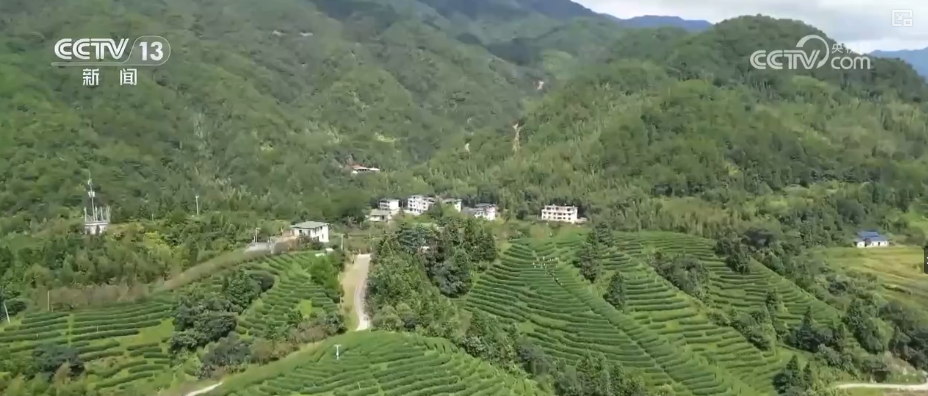
“十四五”期间我国新增水土流失治理面积超34万平方公里
Yang Shi Xin Wen· 2025-12-22 02:40
Core Viewpoint - During the "14th Five-Year Plan" period, the national area of newly managed soil and water loss exceeds 340,000 square kilometers, with a net reduction of approximately 116,000 square kilometers, achieving a soil and water conservation rate of over 73%, providing strong support for promoting harmony between humans and nature [1] Group 1 - Key Point 1: Significant progress has been made in managing soil and water loss in key areas, including the middle and upper reaches of major rivers, the black soil region in Northeast China, and the karst region in Southwest China [1] - Key Point 2: Central government investment has supported comprehensive management of small watersheds, with a total area of 67,000 square kilometers undergoing soil and water loss management [1] - Key Point 3: The implementation of these projects has resulted in a reduction of soil erosion intensity by 15 to 20 percentage points in the managed areas, significantly enhancing the quality and stability of the ecosystem [1]
山东持续推进水土流失治理 提升区域水土保持功能
Zhong Guo Xin Wen Wang· 2025-11-18 07:21
Core Viewpoint - Shandong Province has made significant progress in soil and water conservation, achieving a dual decrease in the area and intensity of soil erosion, with a water conservation rate of 86.55%, surpassing the national average by 13.72 percentage points [1][4]. Group 1: Water and Soil Conservation Achievements - The area of soil erosion in Shandong is projected to be 21,300 square kilometers in 2024, with a water conservation rate of 86.55% [1]. - The province has established a comprehensive prevention and protection system, designating 5,462 square kilometers as key prevention areas and 16,540 square kilometers as key treatment areas [3]. - Shandong has implemented 164 key soil and water conservation projects, with several areas recognized as national demonstration projects [3][4]. Group 2: Policy and Economic Impact - Shandong has utilized a range of policy tools, including land, finance, and taxation, to achieve breakthroughs in the value realization of ecological products related to soil and water conservation, with total transaction amounts reaching 85.8 million RMB [4]. - The province's ecological environment quality has improved, with 80.4% of national control surface water sections meeting or exceeding Class III water quality standards [4]. Group 3: Ecological Restoration and Green Initiatives - Shandong has constructed over 300 kilometers of ecological buffer zones and established more than 300,000 acres of artificial wetland for water quality purification [5]. - The province has completed afforestation of over 800,000 acres since the 14th Five-Year Plan, enhancing the water and soil conservation functions of forest ecosystems [5][6]. - Future projects will focus on high-quality implementation of national land greening initiatives, emphasizing the protection of native vegetation and prevention of soil erosion [6].
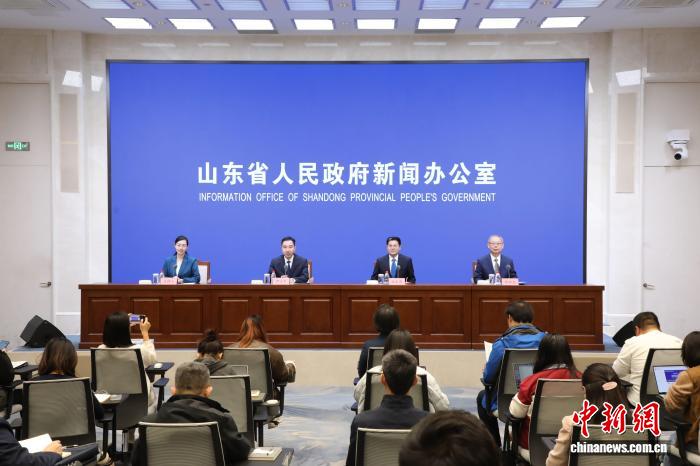
“十四五”以来,内蒙古黄河流域水土流失面积减少2515平方公里
Zhong Guo Xin Wen Wang· 2025-11-13 13:44
Group 1 - The core viewpoint of the articles highlights the significant reduction in soil and water loss in the Yellow River basin of Inner Mongolia since the start of the 14th Five-Year Plan, with a total decrease of 2,515 square kilometers, representing a reduction rate of 3.8% [1][2] - Inner Mongolia has invested a total of 2.357 billion RMB in combating soil and water loss in the Yellow River basin during the 14th Five-Year Plan period [1] - The area of moderate and severe soil and water loss has decreased by 326 square kilometers, with a reduction rate of 2.1%, achieving a continuous decline in both area and intensity, and the soil conservation rate has reached 58.29% [1] Group 2 - In the Daqingqi area of Inner Mongolia, known for its "Ten Major Kongdui" rivers, the soil and water loss area has been targeted for improvement, with a reduction from 4,454 square kilometers in 2021 to 4,251 square kilometers in 2024, a decrease of 4.77% [1] - The soil conservation rate in the Daqingqi area has improved to 60.51% [1] - Inner Mongolia has accelerated the comprehensive management of groundwater over-extraction in the Yellow River basin, with monitoring data indicating that groundwater levels have remained stable or increased in over-extraction areas for seven consecutive months this year [2]
预计“十四五”末我国新增水土流失治理面积34万平方公里
Xin Hua She· 2025-10-03 04:06
Core Viewpoint - The Ministry of Water Resources of China anticipates an increase of 340,000 square kilometers in soil erosion control area by the end of the 14th Five-Year Plan, with a soil conservation rate reaching 73% [1] Group 1: Soil Erosion Management - Since the beginning of the 14th Five-Year Plan, the situation of soil erosion in China has continuously improved, achieving a dual reduction in both the area and intensity of soil erosion [1] - There has been a notable decrease in both water erosion and wind erosion [1] Group 2: Regional Focus and Strategies - Taking the Loess Plateau as an example, various levels of water conservancy departments are implementing integrated protection and systematic management of mountains, rivers, forests, fields, lakes, grasslands, and deserts, focusing on reducing sediment entering the Yellow River [1] - Localized measures such as the construction of silt retention dams and dry farming terraces are being adopted [1] Group 3: Policy and Investment - The Ministry of Water Resources, in collaboration with relevant departments, has introduced a series of policy documents aimed at realizing the ecological product value of soil conservation in small clean watersheds and encouraging social capital participation in soil erosion management [1] - These policies aim to broaden the pathway for transforming ecological benefits into economic gains [1]