洋品牌本土化

Search documents
星巴克、汉堡王……“洋品牌”的中国剧本彻底变了
创业邦· 2025-11-13 10:12
Core Viewpoint - The article discusses the strategic shifts of foreign brands in the Chinese market, highlighting recent partnerships and investments aimed at regaining market share and adapting to local consumer preferences [6][9][10]. Group 1: Strategic Partnerships - CPE Yuanfeng announced a strategic partnership with Burger King, injecting $350 million to support expansion and operations, resulting in CPE holding approximately 83% of Burger King China [6][9]. - Starbucks China formed a joint venture with Boyu Capital, with a valuation of around $4 billion, allowing Boyu to acquire up to 60% of the joint venture while Starbucks retains brand ownership [9][30]. - These partnerships reflect a trend of foreign brands seeking local control to navigate the competitive landscape in China [9][30]. Group 2: Market Challenges - Foreign brands like Starbucks and Burger King are facing significant competition from local brands such as Luckin Coffee and Kudi, which offer lower prices and innovative products [12][14]. - Starbucks' market share in China has dropped to 14%, while Luckin Coffee holds 35% and Kudi 18%, indicating a shift in consumer preferences towards more affordable options [14]. - Burger King has struggled in China, with a significant reduction in store numbers and low average sales per store compared to competitors [15][16]. Group 3: Localization Issues - The article highlights that foreign brands are increasingly out of touch with the Chinese market, struggling to adapt their products and marketing strategies to local tastes [20][22]. - Burger King's attempts at localization have not resonated with consumers, leading to perceptions of the brand as outdated and lacking in effective marketing [22][24]. - Starbucks faces challenges with its "third space" concept as consumer preferences shift towards more affordable coffee options, and its product innovation has lagged behind local competitors [24][25]. Group 4: Future Growth Strategies - The partnerships aim to leverage local expertise to enhance operational efficiency, supply chain management, and product innovation, with CPE planning to expand Burger King's store count from approximately 1,250 to over 4,000 by 2035 [32]. - Boyu Capital's involvement with Starbucks will focus on a mixed model of franchising and direct operation to penetrate lower-tier markets, aiming to reduce operational costs and improve supply chain efficiency [31][32]. - The article emphasizes that foreign brands must adapt to the dynamic and independent nature of the Chinese market, which requires agility in decision-making and responsiveness to consumer demands [32].


星巴克、汉堡王……“洋品牌”的中国剧本彻底变了
3 6 Ke· 2025-11-12 11:51
Core Insights - The article discusses the trend of foreign brands in China, particularly in the food and beverage sector, shifting towards local partnerships and ownership structures to adapt to the competitive market landscape [1][3][4]. Group 1: Strategic Partnerships - CPE Yuanfeng has announced a strategic partnership with Burger King to establish a joint venture, injecting $350 million to support expansion and operations in China, with CPE holding approximately 83% of the equity [1]. - Starbucks has formed a joint venture with Boyu Capital, where Boyu will invest around $4 billion for up to 60% equity, while Starbucks retains 40% and continues to own the brand and intellectual property [3][19]. - These moves reflect a broader trend of foreign brands in China seeking local control to navigate the evolving market dynamics [3][18]. Group 2: Market Challenges - Foreign brands like Starbucks and Burger King are facing significant challenges from local competitors, with Starbucks' market share dropping to 14%, while Luckin Coffee holds 35% and Koolearn 18% [7]. - The traditional business models of these foreign brands, such as Starbucks' direct operation and premium pricing, are being undermined by local brands offering lower prices and innovative marketing strategies [5][10]. - Burger King's performance in China has been lackluster, with a significant reduction in store numbers and low average sales per store compared to competitors [8][11]. Group 3: Localization Efforts - The article highlights the difficulties foreign brands have in adapting to the Chinese market, with Burger King's product offerings and marketing strategies failing to resonate with local consumers [10][11]. - Starbucks is also struggling with its "third space" concept as consumer preferences shift towards more affordable coffee options and faster service [11][13]. - Both brands are now looking to leverage local partnerships to enhance their operational efficiency and product relevance in the Chinese market [19][20]. Group 4: Future Growth Plans - CPE Yuanfeng aims to expand Burger King's store count in China from approximately 1,250 to over 4,000 by 2035, indicating a strong growth ambition [20]. - Boyu Capital plans to implement a mixed model of franchising and direct operation for Starbucks, focusing on expanding into lower-tier markets while maintaining brand integrity in major cities [19][20]. - The article suggests that foreign brands must adapt to the unique demands of the Chinese market, which requires agility in decision-making and responsiveness to consumer trends [20].
从星巴克合营看洋品牌的本地化生死局
Sou Hu Cai Jing· 2025-11-05 07:41
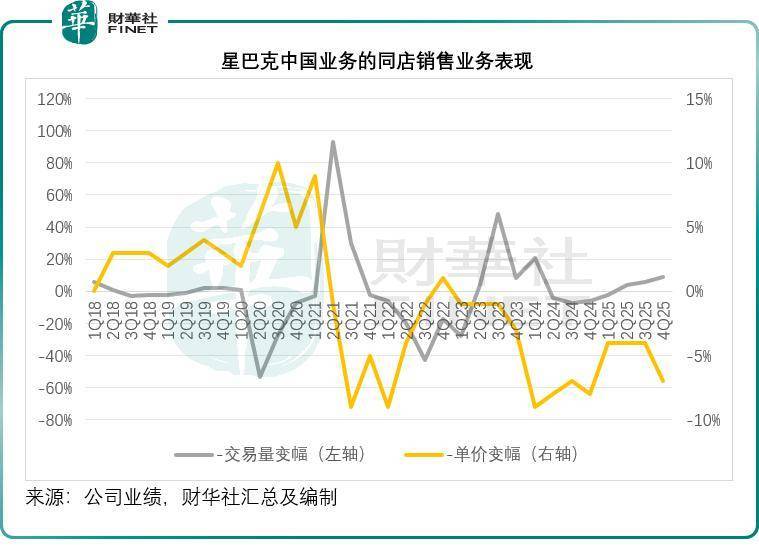
Core Insights - Starbucks has announced a strategic partnership with Boyu Capital to establish a joint venture for its retail operations in China, with Boyu holding up to 60% of the equity [1] - This move reflects a broader trend among foreign brands in China, emphasizing the importance of local partnerships and operational control to navigate market challenges [2][3] - The joint venture represents a shift from a heavy asset model to a lighter asset approach, allowing Starbucks to maintain brand ownership while reducing operational burdens [8] Company Challenges - Starbucks' "third space" model is showing signs of fatigue in the Chinese market, with high operational costs and strategic indecision impacting its performance [4] - The company has faced increased competition from local brands and lower-priced competitors, leading to a paradox of rising transaction volumes but declining average spending [6][7] - Despite a growing coffee consumer base in China, Starbucks struggles to maintain its market position amid fierce competition from brands like Luckin Coffee [6][7] Capital Strategy - The joint venture with Boyu Capital allows Starbucks to transition from a heavy asset operation to a model focused on revenue sharing and brand licensing, optimizing risk and returns [8][9] - Starbucks will retain 40% equity in the joint venture and continue to earn licensing fees, ensuring a stable cash flow while benefiting from market growth [9] - This partnership aligns with a trend among foreign brands in China, where capital cooperation has become essential for navigating complex market dynamics [10][12] Market Dynamics - The competitive landscape in China is intensifying, with independent coffee brands and fast-food chains aggressively targeting the same consumer base [6][7] - The rise of local competitors has led to a significant increase in the number of coffee drinkers, yet Starbucks has not capitalized on this growth effectively [6][7] - The operational model of local brands, which often includes flexible pricing and strategic location choices, poses a significant challenge to Starbucks' traditional high-end positioning [6][7] Lessons from Other Brands - Other foreign brands like McDonald's and Yum China have successfully implemented local partnerships to enhance operational efficiency and market penetration [10][11] - The experiences of these brands highlight the importance of balancing local operational control with maintaining brand integrity and long-term value [12][18] - Successful models involve a mix of equity sharing and licensing fees, allowing for both local responsiveness and stable revenue streams for the parent company [10][11][18]