资本合作

Search documents
深化产教融合 2026“秦·港”科技创新与资本合作峰会举行
Zhong Guo Xin Wen Wang· 2026-01-22 06:29
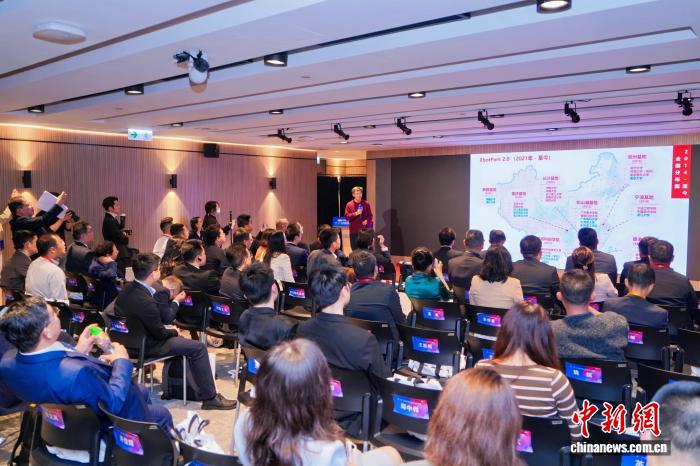
Core Insights - The 2026 "Qin-Hong Kong" Technology Innovation and Capital Cooperation Summit was held to enhance collaboration between Xi'an Jiaotong University and Hong Kong's financial sector, aiming to accelerate the transformation of technological achievements [1][2][4] Group 1: Event Overview - The summit was organized by Xi'an Jiaotong University, Hong Kong Science Park, and the Shaanxi Provincial Technology Resource Coordination Center, featuring 32 technology companies led by faculty and alumni from Xi'an Jiaotong University [1][2] - Over 80 representatives from investment institutions and listed companies participated, facilitating precise connections between Xi'an's hard technology and Hong Kong's financial capital [1][2] Group 2: Strategic Goals - Xi'an Jiaotong University aims to leverage its research and talent advantages to deepen cooperation between academia and industry, promoting a collaborative ecosystem that integrates Xi'an's R&D capabilities with Hong Kong's financial resources [2][4] - The event highlighted the establishment of a "Belt and Road" hard technology achievement database to support technology implementation and achievement transformation [2][4] Group 3: Collaboration and Future Plans - The summit marked the launch of the first batch of cooperative enterprises, including 16 companies such as Youai Zhihuo and Maike Aote, signaling a new chapter in development [4] - The event featured parallel sessions focused on "Artificial Intelligence and Information Technology" and "Life Health and Green Technology," showcasing 22 innovative companies and their leading technological achievements [4]

武商集团(000501.SZ)子公司拟收购小电科技部分股权 以期实现战略转型
智通财经网· 2025-11-28 11:32
Core Viewpoint - The company, Wushang Group, is transitioning from traditional retail to a commercial technology company through the acquisition of Hangzhou Xiaodian Technology Co., Ltd. by its subsidiary, Wuhan Jiangtun Digital Technology Co., Ltd. [1] Group 1: Acquisition Details - The acquisition agreement was signed on November 28, 2025, with the seller represented by Mr. Tang Yongbo [1] - The intended share acquisition range is between 70% to 100%, pending legal and financial compliance and due diligence [1] Group 2: Strategic Objectives - The transaction aims to integrate Xiaodian Technology's extensive offline traffic network and digital capabilities [1] - The core investment goal is to acquire key digital assets to address challenges in traffic conversion and intelligent management [1] - The strategy includes reconstructing the "people-goods-market" ecosystem to extend consumption scenarios and achieve data-driven operations while enhancing local market dominance [1]

从星巴克合营看洋品牌的本地化生死局
Sou Hu Cai Jing· 2025-11-05 07:41
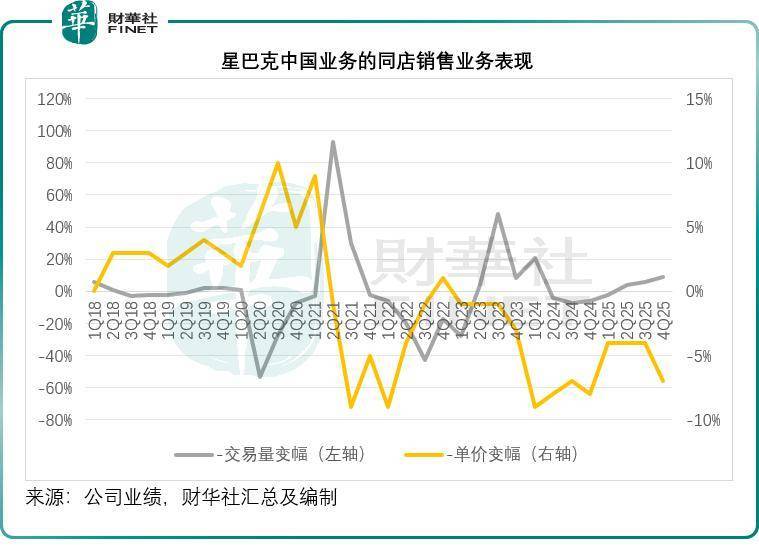
Core Insights - Starbucks has announced a strategic partnership with Boyu Capital to establish a joint venture for its retail operations in China, with Boyu holding up to 60% of the equity [1] - This move reflects a broader trend among foreign brands in China, emphasizing the importance of local partnerships and operational control to navigate market challenges [2][3] - The joint venture represents a shift from a heavy asset model to a lighter asset approach, allowing Starbucks to maintain brand ownership while reducing operational burdens [8] Company Challenges - Starbucks' "third space" model is showing signs of fatigue in the Chinese market, with high operational costs and strategic indecision impacting its performance [4] - The company has faced increased competition from local brands and lower-priced competitors, leading to a paradox of rising transaction volumes but declining average spending [6][7] - Despite a growing coffee consumer base in China, Starbucks struggles to maintain its market position amid fierce competition from brands like Luckin Coffee [6][7] Capital Strategy - The joint venture with Boyu Capital allows Starbucks to transition from a heavy asset operation to a model focused on revenue sharing and brand licensing, optimizing risk and returns [8][9] - Starbucks will retain 40% equity in the joint venture and continue to earn licensing fees, ensuring a stable cash flow while benefiting from market growth [9] - This partnership aligns with a trend among foreign brands in China, where capital cooperation has become essential for navigating complex market dynamics [10][12] Market Dynamics - The competitive landscape in China is intensifying, with independent coffee brands and fast-food chains aggressively targeting the same consumer base [6][7] - The rise of local competitors has led to a significant increase in the number of coffee drinkers, yet Starbucks has not capitalized on this growth effectively [6][7] - The operational model of local brands, which often includes flexible pricing and strategic location choices, poses a significant challenge to Starbucks' traditional high-end positioning [6][7] Lessons from Other Brands - Other foreign brands like McDonald's and Yum China have successfully implemented local partnerships to enhance operational efficiency and market penetration [10][11] - The experiences of these brands highlight the importance of balancing local operational control with maintaining brand integrity and long-term value [12][18] - Successful models involve a mix of equity sharing and licensing fees, allowing for both local responsiveness and stable revenue streams for the parent company [10][11][18]

零跑汽车回应一汽收购传闻,双方曾探讨深化资本合作的可行性
Xin Lang Cai Jing· 2025-11-05 00:55
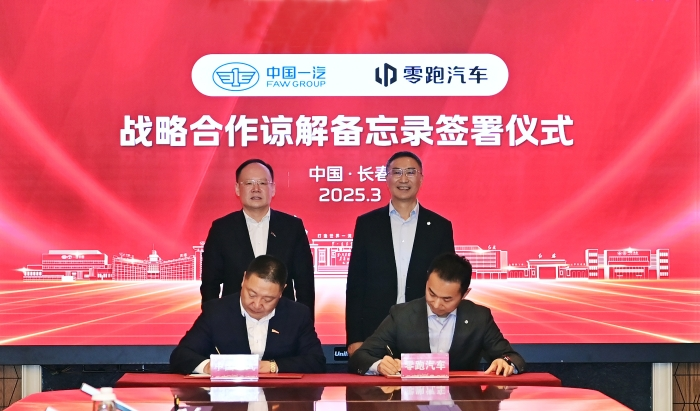
Core Viewpoint - The news discusses the ongoing speculation regarding a potential acquisition of Leap Motor by China FAW Group, with both companies denying the rumors while emphasizing their strategic partnership and collaboration in the electric vehicle sector [1][2]. Group 1: Acquisition Speculation - Leap Motor officially denied rumors of an acquisition by FAW Group, stating that the information is untrue [1]. - Reports suggested that FAW Group plans to acquire approximately 10% of Leap Motor's shares through a targeted issuance, with the plan already approved by relevant authorities [1]. - The speculation arose from a strategic cooperation memorandum signed between the two companies, indicating a collaborative effort in developing new energy vehicles and components [1]. Group 2: Strategic Partnership and Financial Performance - The strategic cooperation aims to leverage both companies' technological strengths to enhance product competitiveness in the electric vehicle market [1]. - Leap Motor has recently formed a global strategic partnership with Stellantis, which plans to invest approximately €1.5 billion for a 20% stake in Leap Motor, granting Stellantis two board seats [2]. - Leap Motor reported a revenue of ¥24.25 billion for the first half of the year, marking a 174% year-on-year increase, and achieved a net profit of ¥30 million, indicating its first half-year profitability [2]. - In terms of sales, Leap Motor delivered 70,289 vehicles in October, a year-on-year increase of over 84%, setting a new monthly delivery record for new car manufacturers [2].

博裕资本拿下星巴克中国60%股份 专家:资本加持下开2万家店并不难 或将是星巴克破局最好机会
Di Yi Cai Jing· 2025-11-04 10:25
Core Viewpoint - Starbucks has finalized a deal with Boyu Capital, which will acquire up to 60% of Starbucks' business in China, marking a significant shift in the company's strategy in the competitive Chinese coffee market [1] Group 1: Company Strategy - The partnership with Boyu Capital is viewed positively by Starbucks, indicating a strategic move to enhance its market position in China [1] - The collaboration is expected to provide the necessary capital to support Starbucks' ambitious expansion plans, including the opening of 20,000 new stores in the future [1] Group 2: Market Context - The deal comes in response to increasing competition in the domestic coffee market, suggesting that Starbucks is seeking to leverage external investment to navigate these challenges [1] - The involvement of Boyu Capital is seen as a potential turning point for Starbucks in China, providing a pathway to overcome competitive pressures [1]
一汽入股传闻下,盈利的零跑汽车面临“成长烦恼”
Xin Jing Bao· 2025-08-25 03:57
Core Viewpoint - The news highlights the potential strategic collaboration between China FAW Group and Leap Motor, particularly regarding a proposed acquisition of approximately 10% of Leap Motor's shares, amidst Leap Motor's record half-year performance in 2025 [1][4]. Financial Performance - Leap Motor reported a revenue of 24.25 billion yuan for the first half of 2025, a 174% increase compared to the same period in 2024, driven by increased vehicle deliveries and strategic partnerships [5]. - The company achieved a net profit of 30 million yuan for the first time in its history, with an adjusted net profit of 330 million yuan, compared to a loss of 2.02 billion yuan in the previous year [5]. - The gross margin improved to 14.1% in the first half of 2025 [5]. Strategic Collaboration - The strategic cooperation memorandum signed in March 2023 indicates both companies' intent to explore deeper capital cooperation and resource synergy across the entire industry chain [2][3]. - The first collaborative vehicle project has already been initiated, with ongoing efforts to advance the partnership [2]. Challenges and Opportunities - Despite the promising collaboration, both companies face challenges such as organizational differences, execution efficiency, and the need to clarify technology sharing boundaries [3][10]. - Leap Motor's current profitability is relatively weak compared to leading competitors, necessitating continuous improvement in brand positioning and advanced driving technology [1][6]. Market Position and R&D Investment - Leap Motor's R&D expenditure reached 1.89 billion yuan in the first half of 2025, a 54.9% increase year-on-year, with significant investments in smart driving technology [8]. - The company exported 20,375 vehicles in the first half of 2025, leading among new energy vehicle brands in overseas markets, but faces challenges in local production and brand recognition abroad [9].
合作出现新进展,中国一汽拟收购零跑10%股权
Guan Cha Zhe Wang· 2025-08-20 08:16
Core Viewpoint - China FAW Group plans to make an initial offer to acquire approximately 10% of Leap Motor shares, with the proposal currently circulating within FAW's relevant departments [1] Group 1: Strategic Cooperation - In March, China FAW signed a strategic cooperation memorandum with Leap Motor, focusing on joint development of new energy passenger vehicles and component collaboration [3] - The cooperation aims to leverage both companies' technological strengths to enhance product competitiveness and explore the feasibility of deepening capital cooperation [3] - Leap Motor reported that the first cooperative vehicle development project with FAW has been initiated, with further discussions on capital cooperation ongoing [3] Group 2: Company Performance - Leap Motor, established in 2014, aims to be a technology-driven smart electric vehicle company, projecting nearly 300,000 vehicle deliveries in 2024, exceeding its annual target [4] - In the first half of 2025, Leap Motor achieved revenue of 24.25 billion yuan, a year-on-year increase of 174%, with a gross margin of 14.1%, up 13 percentage points [6] - The company reported a net profit of 30 million yuan for the first half of the year, marking its first half-year profit, compared to a net loss of 2.21 billion yuan in the same period last year [6] - Leap Motor's total delivery volume reached 221,000 units in the first half of the year, reflecting a year-on-year growth of 155.7% [6] Group 3: Market Context - In the first half of 2024, China FAW delivered over 3.2 million vehicles, with a 95.5% year-on-year increase in its self-owned new energy vehicle sales, achieving a market penetration rate of approximately 32.2% [3]
三一集团与中国能建葛洲坝集团深化战略合作
Zheng Quan Shi Bao Wang· 2025-08-14 02:12
Group 1 - Sany Group's delegation, led by Chairman Qi Jian, visited China Energy Engineering Group's Gezhouba Group for strategic cooperation discussions [1] - The discussions focused on deepening collaboration in technology innovation, intelligent construction, major equipment research and development, talent cultivation, market development, and capital cooperation [1] - A technical exchange meeting was held on August 12, resulting in a joint research project on the application of unmanned dump trucks, laying a technological foundation for national strategic hydropower engineering construction [1]

股市必读:山东钢铁(600022)8月1日董秘有最新回复
Sou Hu Cai Jing· 2025-08-03 22:38
Core Viewpoint - Shandong Steel (600022) is experiencing significant operational improvements, with expectations of turning a profit in 2025 after a challenging period due to industry cycles and high raw material prices. The company is committed to a revised dividend policy that aims to reward shareholders when conditions allow [2]. Financial Performance - As of August 1, 2025, Shandong Steel's stock closed at 1.53 yuan, up 0.66%, with a trading volume of 657,300 shares and a total transaction value of 100 million yuan [1]. - The company anticipates a total profit of approximately 293 million yuan for the first half of 2025, representing a year-on-year increase of about 1.354 billion yuan. The net profit attributable to shareholders is expected to be around 12.71 million yuan, marking a turnaround from losses with a year-on-year increase of approximately 981 million yuan [2]. Dividend Policy - The company has not distributed dividends in recent years due to negative retained earnings caused by industry downturns and high raw material costs. However, it has revised its dividend policy to aim for annual cash dividends of at least 50% of the remaining after-tax profits once conditions permit [2]. Strategic Initiatives - Shandong Steel is focusing on enhancing value creation and operational efficiency, with plans to integrate its coking and iron-making processes by transferring all operations and personnel from the coking plant to the iron-making plant [7][8]. - The company is also exploring deeper collaboration with its parent company, China Baowu Steel Group, to leverage synergies in management and operations, although there are currently no plans for capital cooperation [5][8]. Market Activity - On August 1, 2025, the net inflow of main funds into Shandong Steel was 3.77 million yuan, accounting for 3.76% of the total transaction value, while retail investors showed a net outflow of 6.87 million yuan, representing 6.85% of the total [6][8].

50亿,云南滇中新区产业引导基金成立
FOFWEEKLY· 2025-07-25 09:58
Core Viewpoint - The establishment of the Yunnan Dianzhong New District Industrial Guidance Fund, with a scale of 5 billion yuan, aims to promote high-quality economic development in the region by investing in non-listed enterprises and leveraging various types of capital [1]. Group 1 - The Yunnan Dianzhong New District Industrial Guidance Fund has successfully completed registration with the Asset Management Association of China, marking its official establishment [1]. - This fund is the first comprehensive guiding mother fund within the Yunnan Dianzhong New District industrial investment fund system, focusing on equity investments in growth and mature stage non-listed enterprises [1]. - The fund will primarily adopt a sub-fund investment approach to attract quality industrial capital and resources, while also addressing some direct investment needs [1]. Group 2 - The industrial guidance fund will align with the economic and social development plans of the Yunnan Dianzhong New District, focusing on key industries and resource endowments [1]. - It aims to act as a value link and mechanism converter for industrial cultivation, leveraging fiscal funds to attract social, financial, industrial, and human capital [1]. - The fund will concentrate on building, extending, supplementing, and strengthening industrial chains in advantageous sectors, promoting a virtuous cycle among technology, industry, and finance [1].