消费需求变化

Search documents
航民股份:公司黄金饰品业务积极响应市场“精、轻、新”的消费需求变化
Zheng Quan Ri Bao Wang· 2026-01-21 11:41
Group 1 - The company, Hangmin Co., Ltd. (stock code: 600987), confirmed on an interactive platform that it does not have an employee stock ownership plan [1] - The company's gold jewelry business is actively responding to market demands for "refined, lightweight, and innovative" products by developing new items [1]

白酒经销商,一年亏3000万
36氪· 2025-11-26 13:39
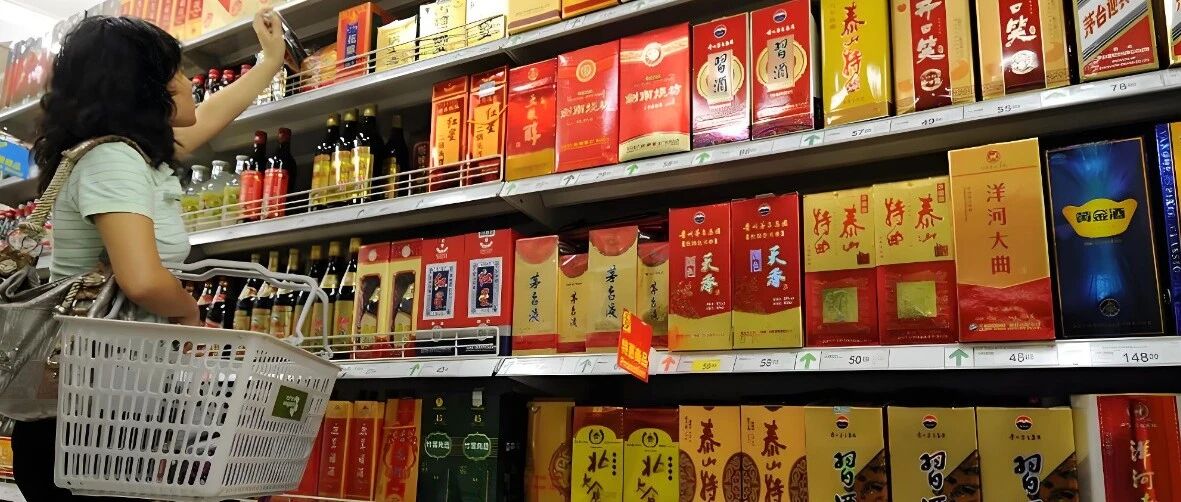
Core Viewpoint - The white liquor industry is facing significant challenges, with many distributors reporting severe financial losses and a saturated market leading to price inversions and cash flow pressures [7][8][10]. Group 1: Market Conditions - In Q3 2025, 18 out of 20 listed liquor companies reported declining profits, with some experiencing net profit drops exceeding 90% [7]. - Over 50% of white liquor distributors reported worsening price inversions, and more than 40% faced cash flow issues [8]. - The market is described as overly saturated, with distributors unable to sell inventory at profitable prices, leading to significant financial strain [10][15]. Group 2: Distributor Challenges - Distributors are experiencing a "reverse snowball" effect, where the value of inventory decreases with each new payment made to manufacturers [29][30]. - Many distributors are reducing their operational scale, cutting costs, and downsizing staff in response to the financial pressures [17][24]. - The relationship between distributors and manufacturers is becoming strained, with some distributors opting to limit their purchases to avoid losing their distribution rights [10][19]. Group 3: Consumer Behavior and Future Outlook - There is a perception that younger consumers are not engaging with white liquor, although some distributors believe this is temporary and linked to age rather than a permanent shift in consumption habits [10][32]. - The industry is undergoing a transformation influenced by new technologies and changing social values, which may impact traditional consumption patterns [10][11]. - Distributors are contemplating a shift towards online sales, although there are concerns about the associated costs and competition from low-priced online offerings [17][18].


白酒经销商,一年亏3000万
投资界· 2025-11-19 08:18
Core Insights - The white liquor industry is facing significant challenges, with many distributors reporting severe financial losses and cash flow issues due to market saturation and price inversion [3][4][5] - A majority of distributors are struggling to maintain profitability, with over 50% reporting worsening price inversions and more than 40% facing cash flow pressures [3][4] - The relationship between manufacturers and distributors is becoming increasingly strained, as distributors are pressured to make payments for inventory that is rapidly losing value [5][6] Market Conditions - In Q3 2025, 18 out of 20 listed liquor companies reported declining profits, with some experiencing net profit drops exceeding 90% [3] - The market is described as overly saturated, leading to significant price inversions where distributors are forced to sell products at prices lower than their purchase costs [4][5] - Distributors are experiencing a "snowball effect" where the value of their inventory decreases with each new payment made to manufacturers [18][19] Distributor Challenges - Many distributors are reporting that they are unable to sell inventory at profitable prices, with some stating that they are losing money on every sale [4][17] - The pressure to maintain sales volumes is leading to drastic cost-cutting measures, including reducing staff and operational expenses [9][10] - There is a growing trend of distributors considering online sales, but uncertainty about the effectiveness and costs associated with digital marketing remains a concern [9][10] Consumer Behavior - Changes in consumer preferences, particularly among younger demographics, are impacting demand for traditional white liquor, leading to fears about the industry's future [6][11] - The perception of drinking culture is shifting, with younger consumers viewing alcohol consumption as less essential compared to previous generations [11][12] - Distributors believe that the current decline in consumption is temporary and that demand will rebound as younger consumers mature and enter professional environments [21] Financial Outlook - Many distributors are projecting significant losses for the year, with estimates of losses reaching into the millions for some [3][17] - The financial strain is leading to a reevaluation of inventory management and sales strategies, with some distributors opting to reduce their purchase volumes from manufacturers [18][19] - The industry is experiencing a critical juncture where maintaining cash flow and managing inventory effectively are paramount for survival [18][19]

“每天睁眼就是亏钱”,有白酒经销商一年亏3000万
商业洞察· 2025-11-17 09:23
Core Viewpoint - The white liquor industry is facing significant challenges, with many distributors reporting severe financial losses and market saturation, leading to a shift in the relationship between distributors and manufacturers [5][7][21]. Market Conditions - In Q3 2025, many liquor companies reported poor performance, with 18 out of 20 listed white liquor companies experiencing profit declines, some exceeding 90% [5]. - Over 50% of white liquor distributors reported worsening price inversions, and over 40% faced cash flow pressures [5]. - The market is saturated, with distributors struggling to sell inventory at prices higher than their purchase costs, leading to significant financial losses [5][10]. Distributor Challenges - Distributors are experiencing a "snowball effect" where the value of their inventory decreases with each new payment made to manufacturers, leading to increasing financial strain [21][22]. - Many distributors are reducing their operational scale, cutting staff, and moving to smaller offices to manage costs [12][18]. - The relationship between distributors and manufacturers is becoming strained, with some distributors losing their rights due to refusal to meet high purchase quotas [6][7]. Consumer Behavior - There is a perception that younger consumers are not drinking white liquor, although some distributors believe this is temporary and linked to age rather than a permanent trend [7][25]. - The drinking culture is changing, with fewer consumers viewing drinking as a social obligation, impacting sales [14][25]. Future Outlook - Despite current challenges, some distributors maintain optimism about the long-term viability of the industry, believing that as younger generations mature, they will appreciate the value of white liquor [25]. - The industry is expected to continue facing pressure from online sales and price competition, which may further complicate the market landscape [13][14].
Has Crocs demand peaked? Sales just dropped — and are expected to keep falling.
MarketWatch· 2025-10-30 20:25
Core Viewpoint - Crocs Inc. experienced a decline in sales of its namesake brand for the first time in five years, leading to a drop in share prices and expectations of continued sales decline as customer preferences shift [1] Company Summary - The footwear maker's sales decline marks a significant change in its performance trajectory, indicating potential challenges ahead for the brand [1] - The decline in sales is attributed to changing customer behaviors, suggesting a need for the company to adapt its strategies to maintain market relevance [1] Industry Summary - The footwear industry may be facing shifts in consumer preferences, which could impact sales for brands similar to Crocs Inc. [1] - The decline in sales for a leading brand like Crocs could signal broader trends within the industry that warrant close monitoring [1]


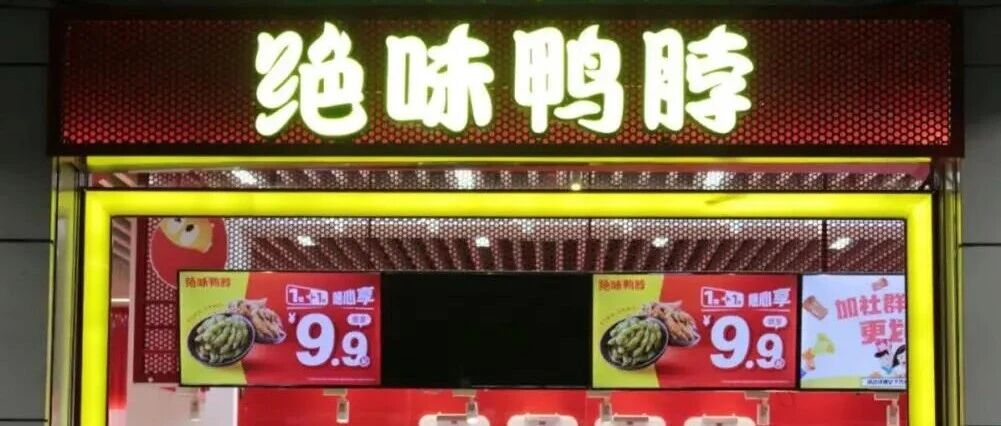
年轻人爱吃的“鸭脖大王”被罚400万!一年半关店超5000家
凤凰网财经· 2025-09-22 13:45
Core Viewpoint - Juewei Foods, once a leading brand in the snack industry, is facing significant challenges including declining performance, store closures, and legal repercussions, leading to its stock being labeled as ST (special treatment) due to undisclosed revenue issues [2][18][28]. Group 1: Financial and Legal Issues - Juewei Foods received a notice from the Hunan Securities Regulatory Commission regarding administrative penalties for failing to accurately disclose revenue from 2017 to 2021, resulting in a fine of 4 million yuan [2][12]. - The company's stock was suspended for one day and subsequently received a risk warning, changing its A-share abbreviation to "ST Juewei" [2][12]. - The company reported a significant drop in net profit by 40.71% in the first half of 2025, with revenue declining by 15.57% [18][19]. Group 2: Revenue Recognition Problems - The company has been accused of underreporting revenue related to franchise store renovation fees, which were not recognized according to regulations, leading to a significant understatement of reported income [8][11]. - The unreported revenue as a percentage of total disclosed revenue from 2017 to 2021 was 5.48%, 3.79%, 2.20%, 2.39%, and 1.64% respectively, indicating a systematic issue over several years [8][12]. Group 3: Market and Operational Challenges - Juewei Foods has seen a drastic reduction in store numbers, closing over 5,000 stores in a year and a half, representing a 32.3% decrease from its peak [23][24]. - The overall snack industry is experiencing stagnation, with major players reporting a collective revenue decline of over 10% in the first half of 2025 [22][27]. - The company's profitability is under pressure, with both gross and net profit margins declining significantly, particularly a net profit margin drop of over 31% [22][28].