
深地科学

Search documents
深耕实验室 破界生长
Xin Lang Cai Jing· 2026-01-26 21:05
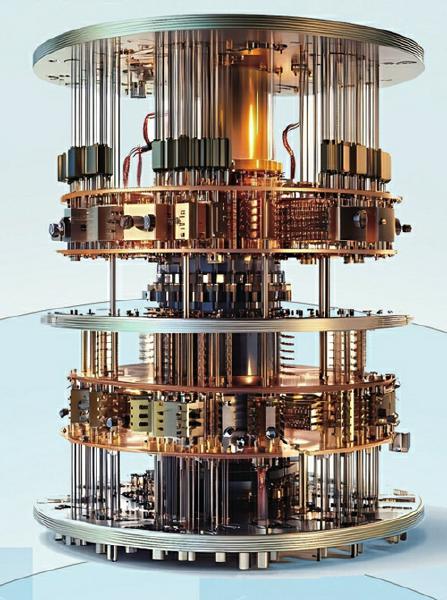
Group 1: Technological Innovations - The new generation artificial sun "China Fusion No. 3" achieved significant breakthroughs, including the first realization of nuclear temperatures of 117 million degrees Celsius and electron temperatures of 160 million degrees Celsius, marking a step towards the burning experimental phase of fusion research [10] - The first domestic quantum computing measurement and control system, ZW-QCS580 series, was launched by Sichuan company Zhongweidaxin, enhancing the commercial viability of quantum technology [8] - The world's first AI-assisted robotic surgery was successfully performed over a distance of 5,000 kilometers, showcasing advancements in remote surgical technology [9] Group 2: Space and Energy Developments - Sichuan's "Lasso" observatory detected high-energy gamma-ray signals from micro-quasars, providing insights into the origins of cosmic rays [14] - The successful launch of the world's first space computing constellation, consisting of 12 satellites, represents a significant advancement in space-based computing capabilities [11] - The first commercial supercritical carbon dioxide power generation unit was successfully operated, achieving an efficiency improvement of over 85% compared to existing technologies [18] Group 3: Medical and Biological Advances - The first case of interspecies kidney transplantation in Asia was successfully conducted, with the transplanted pig kidney functioning for 261 days, setting a record for the longest survival time [15] - A new therapeutic target for esophageal squamous cell carcinoma was identified, leading to the development of a novel small molecule candidate that enhances the tumor suppressor function [16] Group 4: Future Industry Development Plans - Sichuan's government issued a plan to develop emerging industries and accelerate the cultivation of future industries, identifying 23 key breakthrough directions across various sectors including AI, robotics, and quantum technology [6][7]

锦屏深地科学中心揭牌成立
Xin Hua She· 2025-12-24 00:48
Core Insights - The establishment of the Jinping Deep Earth Science Center marks a new phase of institutional operation and high-quality development for the Jinping Underground Laboratory, the world's deepest and largest underground laboratory [1][2] Group 1: Center Establishment and Function - The Jinping Deep Earth Science Center is registered in the Digital Economy Industrial Park of Xichang City, Sichuan Province, and is responsible for the operation and maintenance of the laboratory as well as the construction of the experimental technical team [1] - The center has established a long-term mechanism for school-enterprise cooperation at the national level, providing a clear management structure and model for the laboratory's long-term development [1] - A flexible management mechanism and diversified funding sources will be adopted to inject new vitality and momentum into the laboratory's innovative development [1] Group 2: Laboratory Characteristics and Research Focus - The Jinping Underground Laboratory is located in the middle of the Jinping Mountain Tunnel, buried under 2,400 meters of rock, with cosmic ray flux only one hundred millionth of that at the surface, making it the world's deepest and largest ultra-deep underground laboratory [1] - As an open, shared, multi-institutional, and interdisciplinary research platform, the laboratory provides a first-class experimental environment for cutting-edge topics such as dark matter, neutrinos, and nuclear astrophysics, as well as an excellent research platform for deep rock mechanics and deep medicine [1] - The center will further focus on national strategic needs, strengthen the strategic, forward-looking, and systematic layout of basic research, and continuously attract top experimental projects with diverse disciplinary backgrounds and technological routes [2]
四川建设世界一流重大科技基础设施集群成果丰硕
Zhong Guo Fa Zhan Wang· 2025-09-26 09:36
Core Viewpoint - Sichuan Province is prioritizing the development of major scientific and technological infrastructure as a key strategy to enhance original innovation capabilities and meet national strategic needs, with a focus on creating world-class research clusters in various fields [3][4]. Group 1: Nuclear Fusion Research - Sichuan is establishing an international forefront nuclear fusion research cluster in Chengdu, featuring the "China Fusion Engineering Test Reactor" and the world's first Z-pinch + local ignition fusion target technology [3][4]. - The province is the only one in China that integrates both magnetic confinement and inertial confinement fusion research, achieving significant breakthroughs in nuclear fusion technology [4]. Group 2: Astronomy Observation - A high-altitude astronomical observation cluster is being developed in Ganzi, with facilities at elevations above 4000 meters, including the world's highest cosmic ray observation station and the largest comprehensive aperture radio telescope [5]. - The high-altitude cosmic ray observation station has made significant discoveries, including the highest energy photons and the brightest gamma-ray bursts recorded to date [5]. Group 3: Deep Earth Science - In Liangshan, the world's deepest deep earth science facility is being constructed at a depth of 2400 meters, creating a world-class open experimental platform for interdisciplinary research [6]. - The facility has achieved major scientific results, including the successful operation of the world's strongest deep earth nuclear astrophysics accelerator [6]. Group 4: Biomedicine Innovation - Chengdu is developing a comprehensive biomedicine innovation cluster, focusing on translational medicine to expedite the conversion of basic research into clinical applications [7]. - The cluster includes national-level innovation platforms and has successfully developed various innovative drugs, including tumor mRNA vaccines and other therapeutic agents [7]. - Future plans involve enhancing operational efficiency of major scientific infrastructure and expanding the innovation ecosystem to better support industrial development [7].
全省完成省重点实验室优化重整 四川省重点实验室达128家
Si Chuan Ri Bao· 2025-07-06 01:19
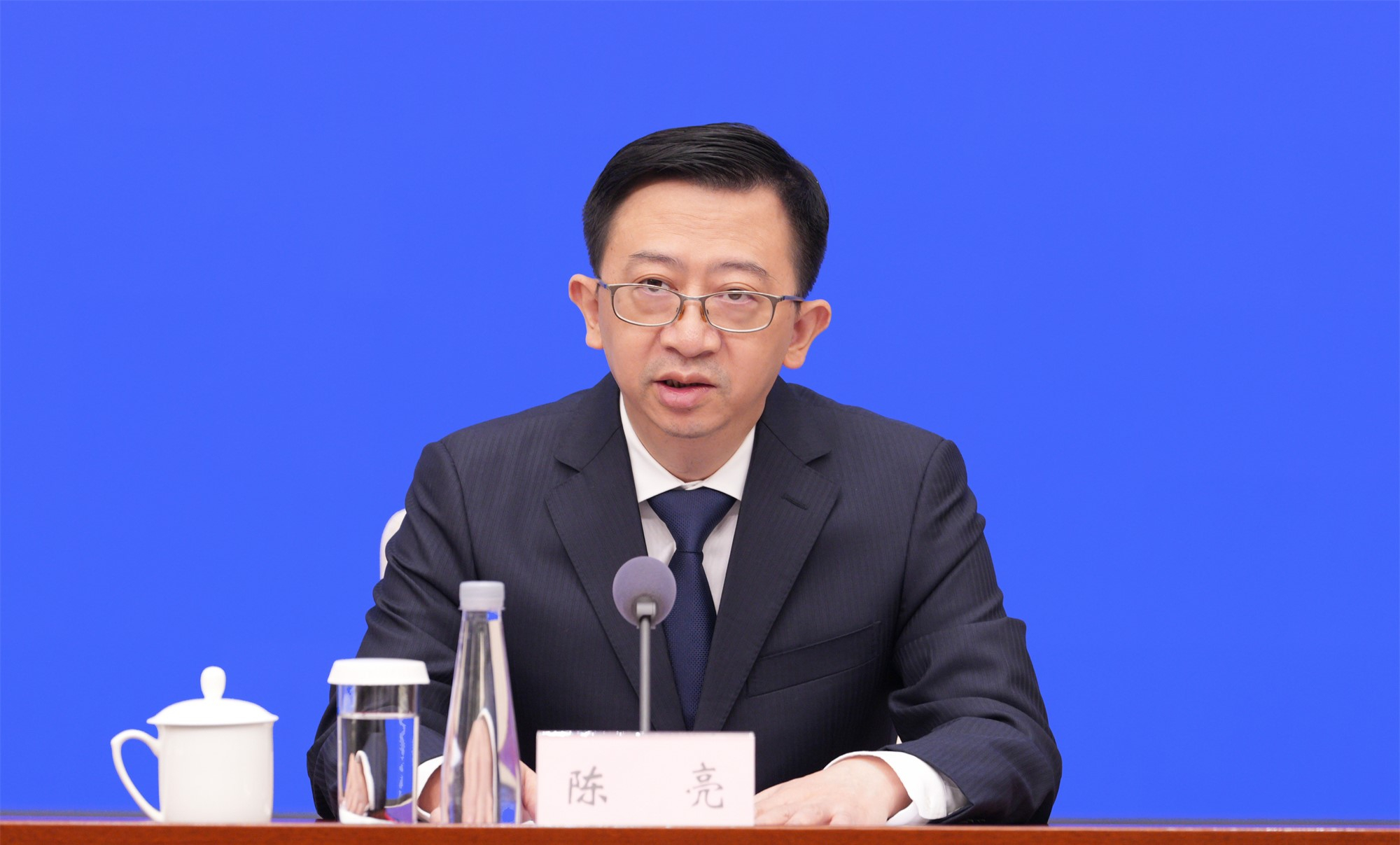
Group 1 - The core viewpoint of the news is that Sichuan Province has completed the optimization and restructuring of its key laboratories, with 121 laboratories entering the new sequence, resulting in a total of 128 key laboratories in the province [1][2] - The optimization process involved resource integration, with some laboratories merging into new entities, such as the merger of the Sichuan Provincial Key Laboratory for Tea Resource Utilization and Quality Testing [2] - The restructuring aims to align research directions with industry development needs, as seen in the renaming and focus shift of the High-Field Magnetic Resonance Brain Imaging Laboratory to Brain-Machine Interface and Brain-Like Intelligence Laboratory [2] Group 2 - The Sichuan Provincial Science and Technology Department plans to manage the construction and operation of key laboratories, develop management policies, and conduct regular evaluations for dynamic adjustments based on performance [3] - Each laboratory is required to set clear development goals and create a three-year research task list, focusing on research objectives, innovation output, and talent development [3] - The restructuring is part of a broader initiative to enhance the province's scientific frontier and emerging industry technology innovation capabilities, addressing issues such as insufficient alignment with development needs and management mechanisms [1][3]