
生物医药创新

Search documents
政策红利持续释放,跨国药企密集加码在华布局
第一财经· 2026-03-24 03:30
Core Viewpoint - The article emphasizes the strategic importance of the biopharmaceutical industry in China's "14th Five-Year Plan," highlighting opportunities for multinational pharmaceutical companies to engage in the "Healthy China" initiative and the need for a supportive innovation ecosystem [3][5]. Group 1: Policy and Market Environment - The "14th Five-Year Plan" outlines a health-first development strategy, positioning biopharmaceuticals as a new pillar industry, which presents significant opportunities for both domestic and foreign enterprises [3][5]. - The Chinese government has committed to building a "Healthy China" by 2035, with a focus on optimizing the business environment and expanding market access for foreign investments, particularly in healthcare [5][6]. - The removal of foreign investment restrictions in the manufacturing sector is expected to enhance the operational landscape for foreign pharmaceutical companies in China [5][6]. Group 2: Multinational Pharmaceutical Companies' Responses - Executives from multinational pharmaceutical companies expressed intentions to expand their operations in China, particularly in advanced fields like cell therapy, and to increase local production capabilities [3][7]. - Novartis plans to invest over 3.3 billion yuan in China, focusing on expanding its R&D and production facilities in Beijing and Shanghai [7][8]. - AstraZeneca announced the establishment of a production base for radiolabeled drugs in Guangzhou and plans to enhance collaboration with local partners in advanced biopharmaceuticals [7][8]. Group 3: Innovation Ecosystem and Collaboration - There is a collective call from multinational companies for a more robust innovation ecosystem that aligns with clinical needs, emphasizing the importance of integrating various stakeholders, including patients, healthcare institutions, and regulatory bodies [3][10]. - The need for a supportive intellectual property protection system and a clinical trial data protection framework that aligns with international standards is highlighted as essential for fostering innovation [10][12]. - Companies stress the importance of a value-based evaluation system for new drugs and technologies, advocating for better integration of health technology assessments (HTA) to measure effectiveness and cost-efficiency [12][13].






【申报入口】2026年《财富》中国科技50强
财富FORTUNE· 2026-03-13 13:08
Group 1 - The article discusses the concept of the "Fourth Industrial Revolution," highlighting how technological changes, such as artificial intelligence, liberate human intelligence, similar to how steam engines and electricity liberated physical labor and energy [2] - The focus is on identifying Chinese technology companies that are "born in China and influence the world," showcasing their role in transforming the current world with new productivity tools [2][3] - The article emphasizes that the list of impactful Chinese companies is compiled for the third consecutive year, reflecting ongoing innovations in various fields such as embodied intelligence, low-altitude flying vehicles, and biomedicine [2] Group 2 - Companies must meet specific criteria to be eligible for the list, including being primarily based in China and having a significant social impact and commercial value [11] - The evaluation process considers factors such as the company's importance in the Chinese and global economy, the innovation of its technology, and the establishment of core technological barriers [11] - The submission process involves companies filling out a pre-application form and submitting a complete application by a specified deadline [11][12]
拜耳Co.Lab共创平台在华再迎两家新成员:艾贝乐与明澄生物
生物世界· 2026-03-11 04:13
Core Insights - Bayer Co.Lab has welcomed two biotech startups, Arbele and Mingcheng Bio, to its global co-creation platform, aiming to accelerate innovative drug development and provide breakthrough treatments for patients [1][3] - The inclusion of these companies highlights China's significant potential as a source of innovation in the biopharmaceutical sector, with Bayer Co.Lab having attracted a total of 12 local startups within just over a year [1][6] Group 1: Arbele - Arbele is focused on developing precision therapies for solid tumors, particularly targeting the CDH17 marker, and has advanced its core project ARB202 into the dose-expansion phase after completing Phase I studies [4] - The company aims to leverage Bayer's global resources to expedite its research and development processes, addressing urgent medical needs in cancer treatment [3][4] Group 2: Mingcheng Bio - Mingcheng Bio specializes in GPCR-related technology services and has developed an integrated early drug discovery platform that addresses challenges in GPCR drug development [5] - The company has established a library of over 170 active GPCR proteins and has completed numerous cryo-electron microscopy structural analyses, enhancing its capabilities in antibody discovery and functional screening [5] Group 3: Bayer Co.Lab Overview - Bayer Co.Lab officially launched in China in September 2024, and with the addition of Arbele and Mingcheng Bio, it has formed a diverse biopharmaceutical innovation cluster that includes small molecules, nucleic acid drugs, and AI drug discovery [6] - The platform aims to foster open collaboration within the biotechnology ecosystem, facilitating the transformation of innovative results into impactful healthcare solutions [6]


红杉中国杨云霞:2026年医疗健康领域看哪里? | 投资人说
红杉汇· 2026-02-25 00:05
Core Insights - The article discusses the insights from Yang Yunxia, a partner at Sequoia China, highlighting that China's biopharmaceutical innovation has become a significant player in the global industry and a source of world innovation [3][6]. Group 1: Market Trends and Investment Directions - The biopharmaceutical sector in China is expected to continue its growth, with a focus on major disease areas such as oncology, autoimmune diseases, neurology, and metabolism, while also addressing underrepresented fields like gynecology, nephrology, and ophthalmology [3][8]. - The transaction value of Chinese innovative drug business development (BD) has increased tenfold over the past five years, indicating a growing recognition and willingness of multinational corporations (MNCs) to pay premiums for Chinese assets [3][9]. - The market is experiencing a resurgence, with increased enthusiasm from early-stage entrepreneurs and active participation from investors, making 2025 a fruitful year for the industry [5][6]. Group 2: Product Development and Innovation - There is an ongoing evolution in drug molecular forms, with advancements expected in antibody-drug conjugates (ADCs) and small nucleic acids, moving towards dual-target and dual-toxin formats [3][8]. - The trend of Chinese innovative drugs gaining international recognition is anticipated to continue, with more overseas companies showing interest in Chinese assets and establishing collaborations with local investment institutions [9][10]. Group 3: Future Outlook and Strategic Focus - The investment strategy of Sequoia China remains consistent, focusing on innovation and maintaining long-term relationships with early-stage companies and entrepreneurs [7][10]. - The expectation for 2026 is to see more entrepreneurs with a global perspective and competitive products entering the market, reflecting a shift in focus towards genuine global innovation [11].

生物医药企业赴港上市热潮持续升温
Xin Lang Cai Jing· 2026-02-12 00:41
Group 1 - The core viewpoint of the articles highlights a surge in local biopharmaceutical companies applying for listings on the Hong Kong Stock Exchange, driven by favorable market conditions and the need for funding to support research and development [1][5][8] - A significant portion of the companies applying for listings are early-stage, unprofitable biotech firms, with many utilizing the special listing channel for unprofitable companies established under Chapter 18A of the Hong Kong Stock Exchange [2][3] - The current wave of IPOs is characterized by a mix of newly established biotech firms and more mature companies with established business models, indicating a diverse range of funding needs and market strategies [3][4] Group 2 - The capital market's cyclical recovery has provided a crucial external window for these listings, with the Hang Seng Innovation Drug Index showing a rebound of over 200% in the past two years, reflecting a renewed focus on quality assets [5][6] - The internal dynamics of the biopharmaceutical industry, combined with the improved liquidity and sentiment in the Hong Kong market, have created a conducive environment for these companies to seek public funding [7][8] - However, there is a growing concern about market congestion, with over a hundred biopharmaceutical companies in the IPO preparation queue, leading to potential differentiation challenges among these firms [8][9] Group 3 - The market is expected to experience significant polarization, with a clear divide between high-value companies and those with weaker clinical data or less innovative pipelines, which may struggle to attract investment [9][10] - Companies that can withstand market fluctuations are those with unique pipelines and a focus on addressing real clinical needs, as opposed to those merely following trends [10][11] - The long-term success in the biopharmaceutical sector will depend on the ability to build competitive advantages through innovative solutions that meet clinical demands, rather than relying on speculative concepts [11]
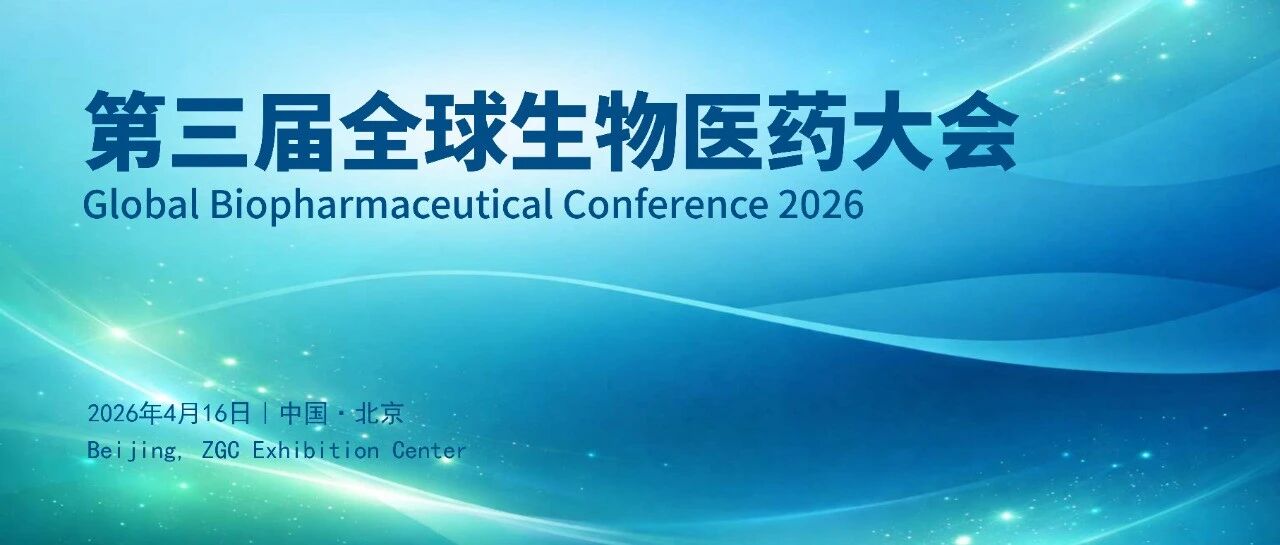
欢迎合作!第三届全球生物医药大会:展位+白皮书+奖项
思宇MedTech· 2026-02-10 07:08
Core Viewpoint - The innovation logic of the biopharmaceutical industry is undergoing adjustments due to intensified global competition, evolving technology platforms, and changing capital and regulatory environments. Systematic innovation capability and translational efficiency are becoming key factors influencing the industry's sustainable output [2]. Event Overview - The third Global Biopharmaceutical Conference 2026 will be held on April 16, 2026, at the Zhongguancun Conference Center, aiming to connect research, clinical, corporate, capital, and regulatory aspects of biopharmaceutical innovation [2][19]. - The conference will feature three main components: the release of a white paper, award evaluations, and multi-theme forums, presenting a comprehensive view of the global biopharmaceutical innovation ecosystem and development trends [2][9]. White Paper Release - The conference will officially release the "2026 Global Biopharmaceutical Innovation White Paper," focusing on technology evolution, product pipeline layout, corporate development paths, and changes in industry structure, providing valuable industry observation frameworks for enterprises, investors, and industry practitioners [9][10]. - The white paper serves as a significant window for companies to showcase their technological platform capabilities, research depth, and industry positioning [10]. Award Evaluation - The conference will announce multiple annual awards evaluating various dimensions of biopharmaceutical innovation, emphasizing long-term innovation capabilities rather than short-term market performance [11][12]. - Categories for awards include Annual Biopharmaceutical Innovation Enterprise, Annual Innovative Drug Product Award, Annual Technology Platform Innovation Award, and Annual Clinical Translation Innovation Award [15]. Multi-Theme Forums - The forums will address high-interest and collaborative potential topics in the biopharmaceutical industry, including trends in innovative drug development, antibody and ADC technologies, cell and gene therapy frontiers, nucleic acid drugs and delivery technologies, and biopharmaceutical innovation commercialization discussions [13][14]. - The forums aim to create a multi-perspective dialogue system involving various industry roles, enhancing collaboration and knowledge sharing [16]. Audience Composition - The conference targets a diverse audience, including research and clinical experts, biopharmaceutical company R&D and management teams, industry observers, investment institution representatives, and experts in registration, regulation, and payment [18][20]. - The event is positioned as an industry-focused, research-oriented, and systematic conference rather than a purely academic or promotional meeting [18].
发展的每一步都落笔在民生温度与质量上
Si Chuan Ri Bao· 2026-02-03 22:16
Group 1 - The core theme of the news is the focus on improving the quality of life for citizens through various initiatives and developments presented by provincial representatives at the meeting [5][6][11]. Group 2 - Representative Tian Xiaojing highlighted the successful development of China's first fully independently developed F-class 50MW gas turbine (G50), which was launched in 2023 and is referred to as "China's pride" [6]. - The G50 project is part of ongoing efforts to optimize and upgrade gas turbine structures, as well as to develop other models in the same series [6]. - Representative Li Bimazashi emphasized the importance of developing the local economy in Shakua Village, which has seen the establishment of 48 guesthouses and various eco-tourism initiatives [8]. Group 3 - Representative Niu Yu expressed the need for improved accessibility for disabled individuals, advocating for better facilities at airports, including a specially designed inspection room that respects privacy [9][10]. - The special inspection room at Mianyang Nanjiao Airport was successfully completed and served 17 passengers in its first month of operation, demonstrating its effectiveness [10]. Group 4 - Representative Ding Zhao shared his vision of reducing the stigma associated with cancer and proposed several initiatives to enhance the integration of artificial intelligence in the pharmaceutical industry [11]. - Ding Zhao called for the government to facilitate the integration of clinical data from medical institutions and to strengthen collaboration between research institutions, innovative pharmaceutical companies, and regulatory bodies [11].

邦顺制药赴港IPO 商业化收入近乎为0 平均每天烧掉65万元
Xi Niu Cai Jing· 2026-01-30 12:46
Group 1 - The core asset of Bangshun Pharmaceutical is Bezeqixitini, which is used for the treatment of myelofibrosis [2] - In 2024, Bangshun Pharmaceutical is projected to achieve revenue of 943,000 yuan, while the revenue for the first nine months of 2025 is zero, primarily coming from technology transfers of preclinical projects [2] - The net loss for Bangshun Pharmaceutical in 2024 is approximately 88.44 million yuan, with the net loss for the first nine months of 2025 expanding to 179 million yuan, indicating a daily cash burn of 650,000 yuan [2] Group 2 - As of September 30, 2025, Bangshun Pharmaceutical has cash and cash equivalents of 158 million yuan, net liabilities of 575 million yuan, and net current liabilities of 652 million yuan [3] - The decision to list on the Hong Kong Stock Exchange coincides with a resurgence in biotech IPOs, with 26 biotech companies raising a total of 29.265 billion HKD in 2025, a significant year-on-year increase of 751.7% [3] - The market environment has shifted, with investors focusing more on clinical progress and commercialization capabilities rather than just the number of drug candidates [3]

突发特讯!英国首相斯塔默访华期间,阿斯利康通告全球:宣布将在华投资超1000亿元!引发全球高度关注
Sou Hu Cai Jing· 2026-01-30 03:49
Group 1 - AstraZeneca announced a significant investment plan of over 100 billion RMB (approximately 14 billion USD) in China by 2030, marking a record for foreign pharmaceutical companies in the country [1][2] - The investment aims to enhance AstraZeneca's drug production and research capabilities in China, reflecting the country's growing importance as a hub for scientific innovation and advanced manufacturing [2][5] - This strategic move is seen as a response to geopolitical tensions, emphasizing that healthy economic cooperation can stabilize international relations [2][5] Group 2 - The investment will cover the entire value chain from early drug discovery to large-scale production, with a focus on becoming the first multinational pharmaceutical company in China to have "end-to-end" cell therapy capabilities [2][5] - AstraZeneca's decision is driven by four unique advantages in China: a large and diverse patient population, a wealth of high-quality STEM talent, an encouraging regulatory environment, and a complete industrial chain [5] - The collaboration is expected to lead to the launch of 20 global innovative drugs in China by the end of 2030, improving access to cutting-edge treatments for patients [7][9] Group 3 - The investment signifies a shift in China's role from being merely an important market to a core strategic partner for multinational pharmaceutical companies [5] - AstraZeneca's commitment is anticipated to generate high-level technology and talent spillovers, enhancing China's position in the global pharmaceutical value chain [7] - The overarching message is that collaboration and openness are essential for addressing global challenges, with AstraZeneca's investment serving as a testament to the potential of working with China's innovative ecosystem [9]

智飞生物:经营逐步企稳、长期竞争力持续构建
Jin Rong Jie· 2026-01-13 01:30
Core Viewpoint - Despite forecasting a net loss for 2025, the company shows signs of steady improvement in its fundamentals through various operational and financial strategies [1][2]. Group 1: Financial Performance and Strategy - The company has experienced steady recovery in its business, with two consecutive quarters of revenue growth and three consecutive quarters of positive cash flow from operating activities [2]. - A syndicated loan of up to 10.2 billion yuan has been secured to optimize working capital and reduce debt pressure, alongside the issuance of technology innovation bonds to further enhance its financial structure [2]. - The optimization of marketing strategies and debt structure has improved short-term operational efficiency and cash flow, while also providing a solid financial foundation for long-term R&D and market expansion [2]. Group 2: Product Pipeline and Innovation - The company has a robust pipeline with 34 projects in the preventive biological products sector, of which 24 are in clinical trials or application stages, including two newly approved influenza vaccines [3][4]. - The treatment biological drugs sector is positioned as a new growth engine, with multiple projects focusing on metabolic diseases, including insulin analogs and GLP-1 receptor agonists, showing significant progress [4]. - The company has invested over 6 billion yuan in R&D over the past three years, establishing a strong foundation for talent, technology breakthroughs, and product innovation [5]. Group 3: Talent and R&D Infrastructure - The company has built a high-quality professional R&D team and established an innovation incubation center in Beijing, collaborating with top universities and research institutions [6]. - Three major R&D and production bases have been established in Beijing, Anhui, and Chongqing, focusing on different vaccine types and treatment products, enhancing the company's innovation capabilities [6]. Group 4: Global Expansion and Market Presence - The company is actively pursuing internationalization, conducting clinical trials for innovative products overseas, and has initiated trials for a dual-valent vaccine in Bangladesh [8]. - It has successfully supplied vaccines to countries like Indonesia and Nigeria, and is working on global registration for tuberculosis diagnostic products [9]. - Participation in international pharmaceutical exhibitions enhances the company's global brand presence and facilitates future business expansion [9]. Group 5: Commitment to Innovation and Quality Development - The company emphasizes innovation-driven development, aiming to transition from following to leading in the biopharmaceutical industry, aligning with national policies that support source innovation [10].
