游戏IP联名

Search documents
数读2025:近400场游戏IP联名,卖爆与道歉齐飞,玩家骂的到底是谁?
3 6 Ke· 2026-01-16 00:23
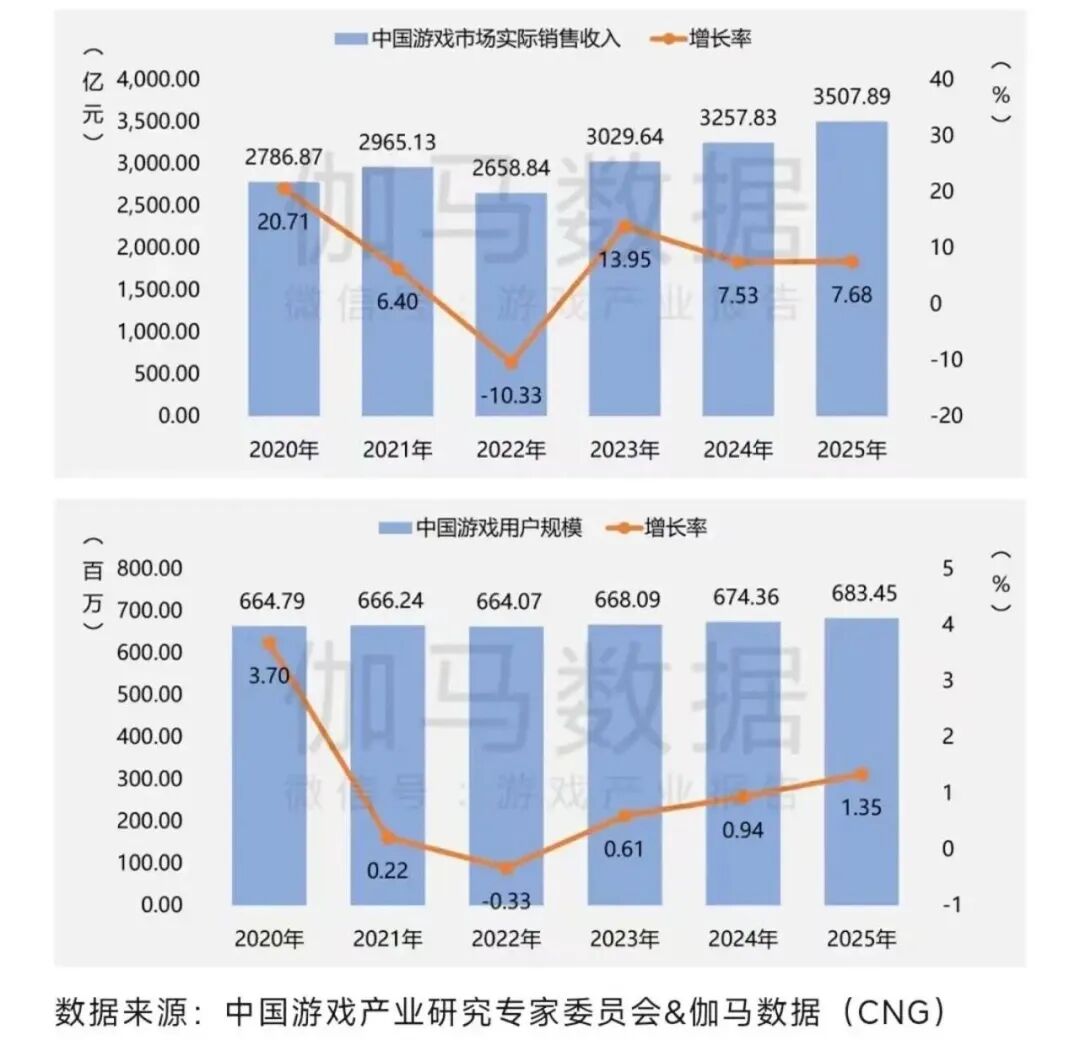
Core Insights - The Chinese gaming market achieved a record sales revenue of 350.79 billion yuan in 2025, marking a year-on-year growth of 7.68% with a user base of 683 million, up 1.35% [1] - The market for digital entertainment IP derivatives in China reached 75.3 billion yuan, reflecting a significant year-on-year increase of 62.8% [1] - Game IPs have found new growth engines through collaborations and partnerships, indicating a shift towards brand integration and cross-industry cooperation [3] Industry Trends - In the first half of 2025, the top 10 game IPs completed 47 licensing collaborations, a 56% increase year-on-year, while non-game apps engaged in 132 collaborations with game IPs, a staggering 149% increase [3] - A total of 29 mainstream game IPs executed nearly 400 collaboration events throughout 2025, averaging over one new collaboration per day, showcasing the intense enthusiasm for brand partnerships [3] Collaboration Highlights - Various collaborations included notable brands and IPs such as QQ, Coca-Cola, and popular cultural events, with activities ranging from in-game content to offline events [4][5][6] - Specific collaborations featured products like themed beverages, exclusive merchandise, and promotional events, indicating a diverse approach to engaging audiences [4][5][6]



动辄投入百万,餐饮品牌正透过联名游戏IP“抢人”?
投中网· 2025-11-18 03:14
Core Viewpoint - The collaboration between the restaurant industry and game IPs is becoming a prevalent marketing strategy, driving significant traffic and engagement for brands, despite the high costs associated with such partnerships [4][5][12]. Group 1: Trends in Collaboration - Game IPs are increasingly becoming a frequent choice for restaurant brand collaborations, with 70 game brands engaging in partnerships with various food and beverage companies by mid-2025 [6]. - The nature of these collaborations is evolving from simple branding to deeper integrations, including in-game items, themed stores, and exclusive menus [6][10]. - Notable examples include Luckin Coffee's collaboration with "Honor of Kings," which sold over 10 million cups in just three days, and Gu Ming's partnership with "Honkai: Star Rail," which caused their app to crash due to high traffic [4][6]. Group 2: Financial Considerations - Collaborating with top-tier game IPs typically incurs costs exceeding one million, with deeper partnerships ranging from 1.5 million to 3 million [8][10]. - Gu Ming reported a significant increase in advertising expenses, attributing over 70 million yuan to IP collaborations, indicating the financial impact of these marketing strategies [9]. - While the immediate financial returns may not be evident, the long-term brand value enhancement is often cited as a key benefit of these collaborations [10][17]. Group 3: Strategic Motivations - The restaurant industry is targeting the growing gaming demographic, which reached approximately 679 million users in China, with a market revenue of 168 billion yuan in the first half of 2023 [13]. - Collaborating with game IPs allows brands to tap into established fan bases, generating organic promotion and enhancing brand recognition [14][15]. - The emotional connection created through familiar game characters and narratives can lead to stronger customer engagement compared to traditional marketing methods [15][17]. Group 4: Success Factors - Successful collaborations require a strong alignment between the restaurant brand and the game IP's user demographics to maximize effectiveness [18]. - Quality control in supply chains is crucial, as many collaborations have failed due to issues like insufficient stock or poor product quality [18]. - Innovative and engaging marketing strategies, such as limited-time offers and interactive experiences, are essential to capture consumer interest and differentiate from competitors [18][20]. Group 5: Long-term Considerations - The challenge for brands lies in converting the temporary traffic spikes from collaborations into lasting customer loyalty and brand equity [21]. - The ultimate goal is to transform casual customers into loyal fans, ensuring that the collaborations yield sustainable benefits rather than fleeting attention [21].

万物皆可联名,IP谷子大爆发,吃谷妹先扛不住了
Hu Xiu· 2025-10-19 13:19
Core Insights - The rapid growth of the "Guzi economy" is leading to a surge in group purchases and collaborations with game IPs, creating a unique consumer culture among young people [1][33][36] - Despite the booming market, the actual spending on game content remains low, indicating a disconnect between merchandise purchases and in-game spending [40][41][52] Group 1: Guzi Economy Dynamics - The Guzi economy is projected to reach a market size of 168.9 billion RMB in 2024, with expectations to exceed 300 billion RMB by 2029 [33] - The rise of group purchases has led to a specialized language within the Guzi community, making it difficult for outsiders to understand [3][5] - Players are increasingly engaging in blind box purchases, which creates a gamble-like experience, leading to mixed feelings among consumers [9][10][18] Group 2: Consumer Behavior and Preferences - Many consumers prefer to buy merchandise rather than invest in game content, with some spending limits set at around 30 RMB for in-game purchases [41][42] - The popularity of certain characters influences pricing, with rare characters commanding higher prices while less popular ones are sold at lower rates [14][15][17] - The community dynamics show that group leaders often face challenges in managing group purchases, including dealing with cancellations and ensuring successful transactions [24][31][32] Group 3: Market Trends and Challenges - The frequency of collaborations between game IPs and merchandise brands has increased, but this has led to consumer fatigue and heightened expectations [42][48] - Recent collaborations have sparked debates within the community, indicating a growing divide among players regarding the value of merchandise versus in-game content [44][51] - The sustainability of the Guzi economy is questioned as the novelty of collaborations wears off, emphasizing the need for game developers to focus on enhancing the core gameplay experience [52]