
特朗普QE

Search documents
地缘政治强行“续命”石油美元?
Xin Lang Cai Jing· 2026-01-19 13:16
Group 1 - The core viewpoint of the article is that the U.S. military intervention in Venezuela is reshaping the geopolitical landscape in Latin America and bringing oil dollars back into focus for investors, providing a new short-term narrative for the U.S. dollar [2][3][15]. - The recent strengthening of the U.S. dollar index is attributed not only to economic fundamentals but also to geopolitical restructuring and monetary policy expectations [3][15]. - The U.S. military action in Venezuela is seen as a way to reintroduce the largest undeveloped oil reserves into the dollar settlement system, thus injecting new support into the oil dollar mechanism [4][16]. Group 2 - Venezuela, holding approximately 300 billion barrels of proven oil reserves (17% of the global total), has strategic energy assets that exceed typical geopolitical conflict targets [4][16]. - The Trump administration's announcement allowing U.S. energy companies to participate in the reconstruction of Venezuela's oil infrastructure indicates a long-term management plan for resource development [4][16]. - The military intervention has led to a rapid market response, with the dollar index rising and non-U.S. currencies weakening [4][16]. Group 3 - U.S. economic data, such as a December 2025 unemployment rate of 4.4% (below the expected 4.5%), provides fundamental support for the dollar, reducing expectations for a Fed rate cut in January [17]. - Despite the dollar's strength, precious metal prices are experiencing upward movement due to increased geopolitical uncertainty and rising demand for safe-haven assets [5][17]. - The Trump administration's unconventional monetary policy, referred to as "Trump QE," aims to stimulate the housing market by purchasing $200 billion in mortgage-backed securities, which may indirectly support precious metals [5][17]. Group 4 - The current foreign exchange market is undergoing a structural repricing driven by geopolitical factors, with the dollar gaining new support from its connection to Venezuelan oil resources [6][18]. - The potential institutionalization of the U.S. management model in Venezuela could reflect a broader strategy to prolong the dollar's dominance [6][18]. - Investors are advised to monitor OPEC+ responses, U.S. arrangements for Venezuelan oil exports, and the actual implementation scale of "Trump QE," as these variables will influence the future dynamics between the dollar and precious metals [6][18].


从“房贷QE”到“信用卡限价”:当特朗普开始亲自定价利率
华尔街见闻· 2026-01-10 10:48
Core Viewpoint - The article discusses the Trump administration's intervention in interest rates, particularly focusing on mortgage and credit card rates, as a response to the Federal Reserve's reluctance to lower rates quickly. This intervention is seen as a political strategy to address voter concerns about financial burdens rather than a purely economic decision [1][2][5]. Group 1: Mortgage Market Intervention - The Trump administration has directed Fannie Mae and Freddie Mac to purchase mortgage-backed securities (MBS) to mitigate the impact of the Federal Reserve's balance sheet reduction, aiming to narrow the spread between mortgage rates and Treasury yields [7][8]. - This intervention is characterized as a "quasi-QE" experiment, leveraging historical precedents of quantitative easing [6][8]. - The 30-year mortgage rate is crucial as it directly influences home purchasing ability, while the average credit card APR significantly affects household cash flow [9][10]. Group 2: Credit Card Rate Cap Proposal - The proposal to impose a 10% cap on credit card interest rates raises concerns as it disrupts the risk-based pricing mechanism, which is essential for lenders [11][12]. - Current average credit card APRs range from 20% to 25%, and enforcing a cap without financial support could lead banks to withdraw from the market, limiting credit access for higher-risk borrowers [12][13][14]. - This shift from market intervention to price control is alarming as it sets a precedent for future financial policies [15]. Group 3: Broader Implications of Administrative Power - The article highlights a fundamental shift in how interest rates are determined, moving from a market-driven approach to one influenced by political decisions, which could have long-term consequences for the financial system [18][19]. - The traditional separation of powers in U.S. economic policy is being challenged, with the administration seeking to redefine the boundaries of monetary policy and its implementation [17][18]. - The real risk lies not in the immediate effects of rate changes but in the potential for political judgments to dictate financial pricing, which could destabilize the market [19].
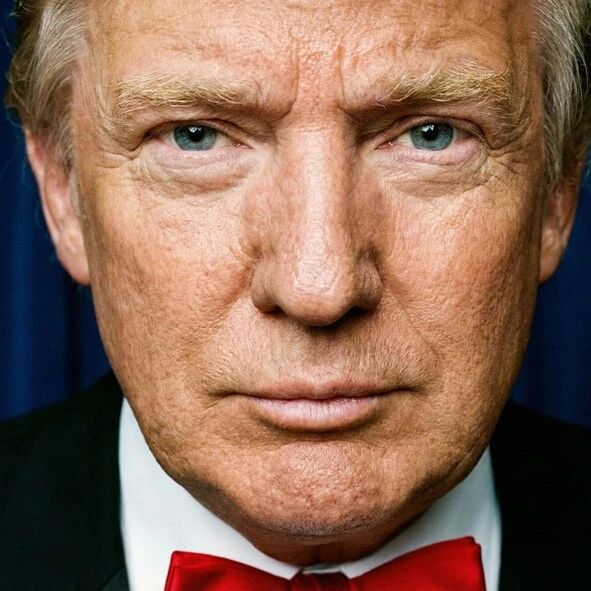
从“特朗普QE”到信用卡限价:当白宫开始亲自定价利率
Hua Er Jie Jian Wen· 2026-01-10 06:58
Core Viewpoint - The Trump administration is intervening in the credit card interest rate market, proposing a cap of 10%, which reflects a shift in the traditional role of the Federal Reserve in determining interest rates [1][10]. Group 1: Mortgage Market Intervention - The Trump administration's approach to the mortgage market involves directing Fannie Mae and Freddie Mac to purchase mortgage-backed securities (MBS) to mitigate the impact of the Federal Reserve's balance sheet reduction [4]. - This intervention aims to narrow the spread between mortgage rates and Treasury yields rather than directly lowering risk-free rates [5]. - The policy is seen as a form of "quasi-QE" that, while having monetary policy implications, is framed as an administrative measure to improve housing affordability [5][10]. Group 2: Credit Card Rate Cap Proposal - The proposed cap on credit card interest rates at 10% is concerning because it disrupts the risk-based pricing mechanism that determines credit card APRs, which currently average between 20% and 25% [9]. - Unlike mortgage rates, credit card rates are influenced by high default risks and are critical for household cash flow management [7][9]. - The imposition of such a cap without fiscal support could lead banks to withdraw from the market, pushing borrowers towards higher-cost alternative lending sources [9][10]. Group 3: Broader Implications of Administrative Intervention - The administration's actions signify a potential shift in how interest rates are determined, moving away from traditional market mechanisms and towards political influence [10][12]. - If this trend continues, it raises concerns about the long-term implications for financial market stability and the pricing of risk [11][12]. - The fundamental question is how the financial system will adjust if interest rates are increasingly dictated by political considerations rather than risk and capital [12].