
用户价值驱动

Search documents
小熊电器坚持以用户为中心 品牌受年轻人欢迎
Yang Shi Wang· 2026-01-20 02:43
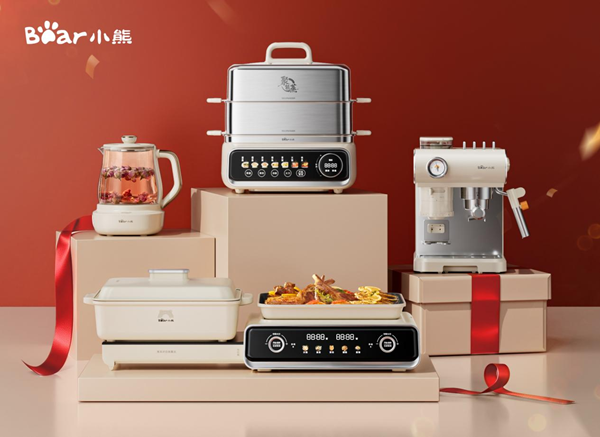
Core Insights - Xiaoxiong Electric ranked 94th in the "Global Brand China Online 500 Strong List" for Q1 2025, surpassing many traditional home appliance giants, according to the report by Peking University's National Development Research Institute [1] - The ranking evaluates brands based on metrics such as brand awareness, novelty, reputation, and intellectual investment, with a focus on actual consumer purchasing behavior [1] - Xiaoxiong Electric received high scores in areas such as growth in transactions among the 18-24 age group, quality ratings, and store review rates [1] Company Overview - Founded in March 2006, Xiaoxiong Electric focuses on the research, design, production, and sales of small home appliances under its own brand "Xiaoxiong" and was listed on the Shenzhen Stock Exchange in 2019 (stock code: 002959) [2] - The company has maintained rapid and steady growth, with a compound annual growth rate (CAGR) of over 18% in revenue from 2016 to 2024 [2] - Xiaoxiong Electric implements a high-quality boutique strategy, enhancing operational foundations across multiple dimensions including user experience, design, research and development, testing, and manufacturing [2] Product and Innovation - The company has established a three-tier R&D system and owns five major smart manufacturing bases, with over 90 categories and more than 1,000 product models covering various life scenarios [2] - Xiaoxiong Electric has received over 3,900 national patents and has been recognized as a national industrial design center and a national intellectual property demonstration enterprise [2] - The company has won multiple product awards, including the Red Star Award, Red Dot Award, and iF Design Award, reflecting recognition from national and social sectors [2] Business Philosophy - Xiaoxiong Electric is committed to a user-centered approach, focusing on user needs and driving its boutique strategy to build enterprise capabilities [2] - The company aims to provide innovative, fashionable, and high-quality products to global consumers, striving to create a pleasant quality of life for users and to become a long-term enterprise driven by user value [2]

滴滴官宣“小桔充电”更名为“滴滴充电” 充电桩可用率超97%
Feng Huang Wang· 2025-11-25 11:01
Core Insights - Didi Charging has officially upgraded its brand from "Xiaoju Charging" to "Didi Charging" during the 2025 Annual Partner Conference held in Shenzhen, aiming to enhance service experience and create a more user-recognized charging service platform [1] Group 1: Brand Upgrade and Strategy - The new brand slogan is "7 out of 10 electric vehicle owners use Didi Charging," reflecting the company's market penetration strategy [1] - The upgraded Didi Charging now covers over 270 cities nationwide and operates more than 62,000 charging stations [1] Group 2: Service Enhancements - The platform has introduced a "jump gun compensation" service to address issues related to charging interruptions [1] - The "fast start" feature reduces the average startup time to 10 seconds, while the "accelerated charging" technology improves charging efficiency by 8% [1] - The availability rate of charging piles is maintained at over 97% [1] Group 3: Industry Perspective - The general manager of Didi Energy, Jie Jingjing, stated that the new energy industry has entered a phase driven by market and user value [1] - The company plans to continue collaborating with partners to advance the construction of the charging service system and enhance user charging experience [1]

按次付费的“三元健身房”是门好生意吗? | 行业观察
Xi Niu Cai Jing· 2025-09-29 08:20
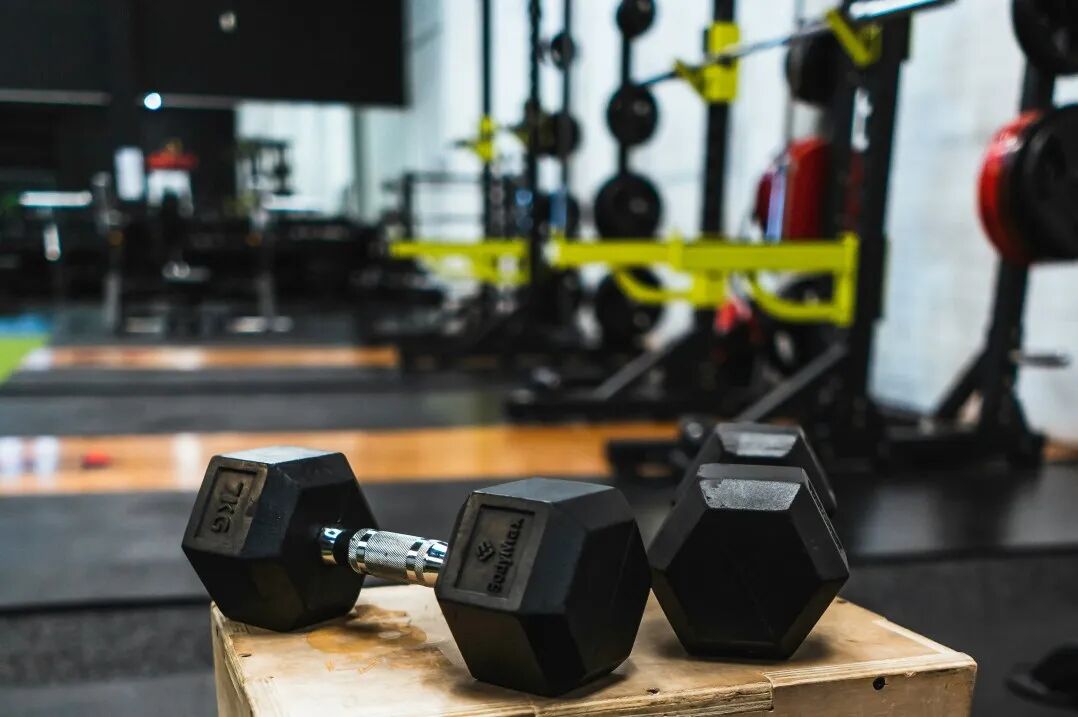
Core Insights - The "Three Yuan Gym" model in Shanghai has gained attention for its low-cost, pay-per-use structure, with fees of 3 yuan/hour in the morning, 6 yuan/hour in the afternoon, and 9 yuan/hour in the evening, supported by government subsidies for rent [1][10] - This model is seen as a government initiative to promote public fitness, providing affordable gym access to community residents while reducing operational costs for gym operators [1][9] - The collaboration between the government, which owns the venue assets, and the gym operators, who have the operational expertise, creates a mutually beneficial arrangement that enhances community welfare [1][10] Industry Context - The "Three Yuan Gym" is part of a broader trend in Shanghai's fitness market, which is characterized by diverse gym models, including 24-hour shared gyms and specialized fitness facilities, all competing on service quality and cost-effectiveness [1][19] - The model aims to attract new users to fitness through low barriers to entry, potentially converting them into higher-paying members at commercial gyms or specialized facilities [1][9][23] - The success of this model is supported by a mature sports venue operation company, "Jiuhui Sports," which has transformed urban idle spaces into sports facilities since its establishment in 2014 [2] Market Dynamics - The Shanghai fitness market is highly competitive, with various gym types catering to different demographics, including retirees and flexible workers, thus fostering a culture of fitness among residents [5][19] - Government support has led to a high rate of public sports facility maintenance, with a reported 96.65% intact rate for community sports facilities in 2023, indicating a strong infrastructure for fitness initiatives [9] - The "Three Yuan Gym" serves as a "market cultivator," drawing in users who may have previously been deterred by traditional gym costs, thereby creating a pipeline of potential customers for higher-end fitness facilities [9][23] Challenges and Limitations - Despite its benefits, the "Three Yuan Gym" model faces challenges in scalability and commercial viability, as it may not be easily replicable across different markets [10][17] - There are concerns regarding service quality and user experience, with reports of cleanliness issues and operational inefficiencies that could deter potential users [16] - The model's attempt to cater to a broad audience, including both older and younger demographics, may lead to conflicting user experiences and a lack of community cohesion [16][17]
按次付费的“三元健身房”是门好生意吗?
3 6 Ke· 2025-09-28 10:06
Core Insights - The "Sanyuan Gym" model in Shanghai faces limitations due to vague customer targeting and lack of precise positioning, which restricts its commercial potential [1][21] - The model operates on a low-cost, government-subsidized basis, providing affordable fitness options for community residents, thus acting as a public welfare initiative [1][5] - The emergence of various gym models, including 24-hour shared gyms and niche fitness spaces, reflects a competitive landscape where service quality and cost-effectiveness are increasingly important [2][22] Group 1: Business Model and Operations - The "Sanyuan Gym" operates on a pay-per-use basis with pricing tiers: 3 CNY/hour in the morning, 6 CNY/hour in the afternoon, and 9 CNY/hour in the evening, benefiting from low operational costs due to government support [1] - The model is designed to attract a broad audience, including retirees and flexible workers, thereby fostering a culture of fitness among potential users [5][12] - The operational entity, "Jiukui Sports," specializes in transforming idle urban spaces into sports facilities, indicating a mature operational capability [3] Group 2: Market Dynamics and User Engagement - The "Sanyuan Gym" serves as a "fitness enlightenment station," drawing in new users who may later transition to higher-end gyms, thus nurturing a fitness culture [2][27] - The model is not unique to Shanghai, as similar community fitness initiatives have existed since 1997, showcasing a long-standing commitment to public sports facilities [7][10] - The government’s role in supporting such initiatives highlights a collaborative approach to enhancing public health and fitness engagement [1][13] Group 3: Challenges and Limitations - The "Sanyuan Gym" model, while beneficial for public welfare, lacks the scalability and attractiveness for investors due to its inability to address core issues like user retention and service differentiation [20][27] - There are concerns regarding hygiene and user experience, which could deter potential customers despite the low pricing [20] - The attempt to cater to diverse demographics, such as both elderly and younger users, may lead to conflicting needs and experiences within the gym environment [20][27]
小熊电器:公司是从事小家电研发、设计、生产和销售的实业企业
Zheng Quan Ri Bao Wang· 2025-09-22 11:45
Core Viewpoint - The company, Bear Electric (002959), emphasizes its commitment to user-centered values and agile systems in product development and marketing [1] Group 1: Company Overview - Bear Electric is focused on the research, design, production, and sales of small home appliances under its own brand "Bear" [1] - The company utilizes big data to predict consumer trends and has established a modular R&D mechanism to accelerate creative transformation [1] Group 2: Operational Strategy - The company integrates online and offline channels deeply in its operations, leveraging a digital marketing system for precise targeting and rapid product promotion [1] - An immediate feedback system is in place to create a closed loop of "demand insight - product iteration - experience optimization," aiming to enhance user experience and satisfaction [1] Group 3: Quality and Production - Bear Electric employs an intelligent manufacturing system for flexible production and utilizes an advanced testing standard system to ensure product quality [1]