
市场驱动

Search documents
头部造车新势力集体盈利:告别烧钱时代,行业进入真较量
经济观察报· 2026-03-29 04:11
Core Viewpoint - The profitability achieved by new energy vehicle companies marks a new starting point, indicating their transition from a "newbie protection period" to competing on equal footing with traditional automakers, relying on their own capabilities for growth [1][12]. Financial Performance - NIO, Xpeng, Li Auto, and Leap Motor have recently disclosed their 2025 annual financial reports, showing a collective trend towards profitability after a decade of heavy spending [2]. - Li Auto achieved a full-year profit for the third consecutive year, with sales of 406,300 units and revenue of 112.31 billion yuan, marking it as the only new energy vehicle company to surpass 100 billion yuan in revenue [4]. - Leap Motor reported a delivery volume of 596,600 units, a year-on-year increase of over 103.1%, with revenue exceeding 32 billion yuan and a net profit of 538 million yuan, marking its first annual profit [5]. - Xpeng and NIO, while still in the loss zone, significantly reduced their losses and achieved their first quarterly profit since inception [5][6]. Market Dynamics - The new energy vehicle sector is at a historical turning point, with penetration rates exceeding 50% and the gradual withdrawal of policy incentives, prompting all types of automakers to focus on real capabilities in a more stable market [2][12]. - The top 10 new energy vehicle manufacturers accounted for 75.6% of wholesale and 75.9% of retail market shares in 2025, indicating a clear industry consolidation [12]. Profitability and Margins - The four companies exhibit significant differences in revenue and sales rankings, with Li Auto leading in revenue but ranking third in sales, while Leap Motor leads in sales but ranks last in revenue [8]. - The automotive industry is characterized by economies of scale, and the new energy vehicle companies are beginning to realize these effects, improving their overall gross margins [9]. - Xpeng's gross margin reached 18.9%, the highest among the four, driven by increased average selling prices and improved cost control [9]. - Leap Motor's gross margin improved to 14.5%, benefiting from a strategy focused on cost-effective pricing and increased production scale [10]. Competitive Landscape - The new energy vehicle companies are entering a phase of intense competition, with the market shifting from policy-driven growth to market-driven dynamics [12][13]. - Each company has its strengths and weaknesses, with Li Auto excelling in product foundation, NIO in innovative technology, Xpeng in intelligent driving, and Leap Motor in pricing strategy [13]. - The future competition will be more intense, and the sustainability of profitability will require time to validate, emphasizing the need for establishing long-term competitive barriers [13].



出口退税全面取消 光伏行业转向市场驱动
Bei Jing Shang Bao· 2026-01-11 22:53
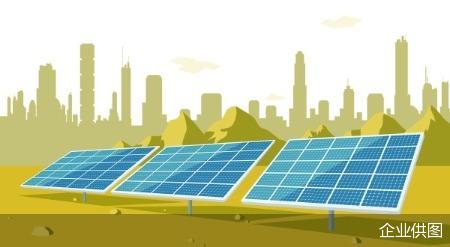
Core Viewpoint - The cancellation of the export VAT rebate for photovoltaic products marks the end of the "rebate subsidy era" for the industry, leading to significant impacts on component manufacturers and a potential surge in exports before the policy takes effect [3][4][6]. Group 1: Policy Changes - The Ministry of Finance and the State Taxation Administration announced the cancellation of the export VAT rebate for photovoltaic products effective April 1, 2024, with a gradual reduction for battery products starting in 2026 [3][4]. - The announcement includes a list of 249 photovoltaic products and 22 battery products affected by the policy change [3]. - The China Photovoltaic Industry Association stated that the adjustment aims to promote rational pricing in foreign markets and curb the rapid decline in export prices [3][4]. Group 2: Industry Impact - The cancellation of the export VAT rebate is expected to significantly affect component manufacturers, leading to a "rush to export" before the policy takes effect [4][6]. - Major manufacturers like JinkoSolar, Trina Solar, JA Solar, and Longi Green Energy reported substantial losses in the first three quarters of 2025, with revenues of approximately 479.86 billion, 499.7 billion, 368.09 billion, and 509.15 billion respectively [5]. - JinkoSolar had the highest share of overseas revenue, exceeding 60%, while Longi Green Energy had the lowest at around 37.81% [5]. Group 3: Market Dynamics - The industry is experiencing fierce competition, with export prices declining and a trend of "increased volume but decreased price" [4][6]. - The cancellation of the rebate is seen as a shift from a "policy-driven" to a "market-driven" approach, pushing companies to focus on value rather than price competition [8][9]. - Companies may need to upgrade technology and reduce production costs to maintain competitiveness, potentially leading to a shift of production capacity to regions with favorable tax conditions [8][9].
协同发力促良性循环
Jing Ji Ri Bao· 2025-12-30 22:24
Group 1 - The core viewpoint emphasizes the need for a systematic approach to ecological value transformation, highlighting the importance of institutional innovation, industry cultivation, and market-driven strategies to bridge the gap between ecological resources and economic benefits [1][2] - Institutional innovation is identified as the "pioneer" for ecological value transformation, with the establishment of the GEP accounting system in Tonggu County serving as a key example of quantifying and trading ecological value, thus addressing the long-standing issue of "valuable but unmarketable" ecological assets [1] - Industry cultivation is described as the "carrying主体" for ecological value transformation, focusing on the transition from a "logging economy" to a green industry system, which involves restructuring the industrial chain and enhancing the value chain [1] Group 2 - Market-driven strategies are presented as the "vital source" for ecological value transformation, with examples such as carbon trading and green financial innovations that allow ecological assets to be used as collateral, demonstrating proactive market engagement to create trading scenarios and discover value [1] - The deep logic behind the realization of ecological product value is rooted in the positive interaction among institutions, industries, and markets, where each element provides essential support to the others, emphasizing the necessity of collaboration for achieving a sustainable cycle [2]
年底车市静悄悄 | 棱镜
Xin Lang Cai Jing· 2025-12-22 11:19
Group 1 - The Chinese automotive market is experiencing a significant decline in sales, with retail sales of passenger vehicles dropping by 32% year-on-year in early December 2025, totaling 297,000 units [2][28] - The new energy vehicle (NEV) market also saw a decline, with retail sales of 185,000 units, down 17% year-on-year [2][28] - This decline is attributed to the phasing out of the vehicle purchase tax exemption and uncertainty surrounding the "trade-in" subsidy policies [3][29] Group 2 - The current vehicle purchase tax is set at 10%, with a reduced rate of 5% for NEVs, and the exemption cap has been lowered from 30,000 yuan to 15,000 yuan [5][31] - There is a prevailing market sentiment of caution among consumers, with 58.2% of dealers reporting that November sales did not meet expectations due to this cautious attitude [6][33] - The "trade-in" subsidies have been paused in many regions, impacting consumer purchasing behavior [8][34] Group 3 - The anticipated "year-end surge" in sales, typically seen in the fourth quarter, has not materialized this year, leading to a "flat tail" effect instead of the expected "tail effect" [36][44] - The automotive market saw a rare decline in November, with retail sales down 8.1% year-on-year, attributed to high sales figures from the previous year and the suspension of trade-in subsidies [38][39] - The inventory warning index for dealers reached a high of 55.6%, indicating over 3.3 million vehicles in stock, with more than 30% of dealers facing inventory pressure [35][41] Group 4 - Over 20 automotive companies have introduced "purchase tax guarantee" policies, where manufacturers will cover the difference in tax if consumers order vehicles before the end of 2025 but do not receive them until after [41][44] - This policy is expected to affect purchasing behavior, leading consumers to delay purchases, which could suppress immediate demand in the fourth quarter [42][44] - The exit of subsidies is projected to significantly impact the market, with estimates suggesting a potential sales growth slowdown from 8% in 2025 to -2% in 2026 [45][46] Group 5 - The automotive industry is shifting from a "policy-driven" to a "market-driven" and "technology-driven" model, indicating a maturation of the market [46] - The average price of new energy vehicles is expected to decrease from 185,000 yuan in 2023 to 156,000 yuan in 2025, putting pressure on profit margins [52] - The penetration rate of new energy vehicles has surpassed 50%, indicating a significant shift in consumer adoption and market dynamics [52]


11月车市现“产销温差”:350万产量创新高,零售下滑8%
3 6 Ke· 2025-12-12 01:47
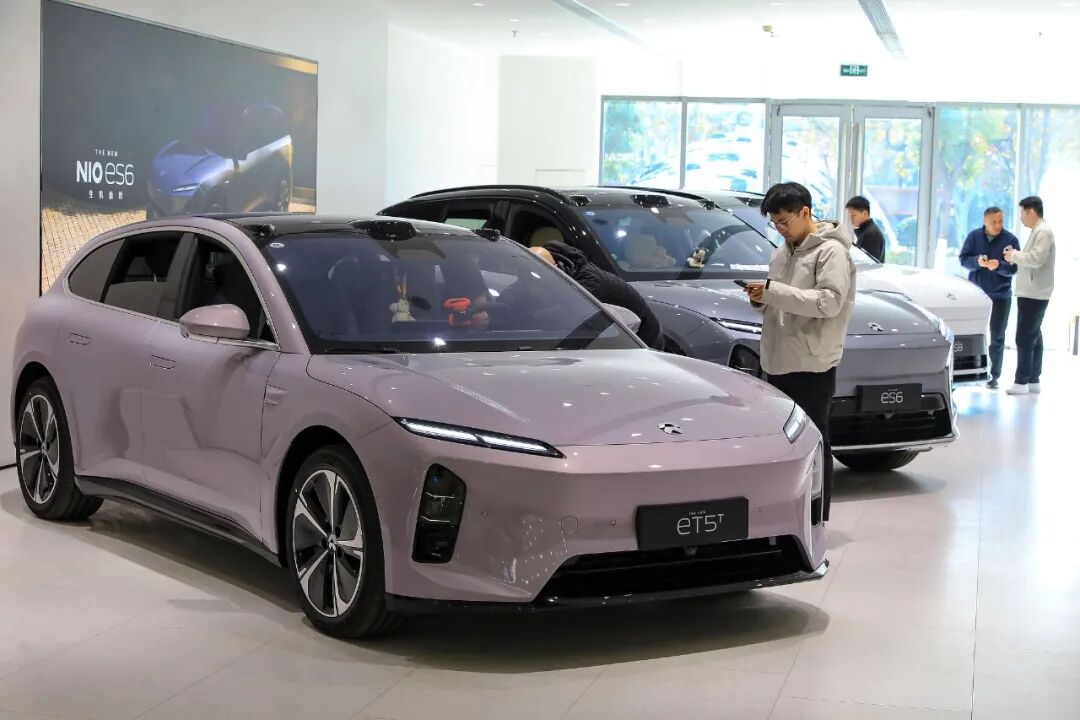
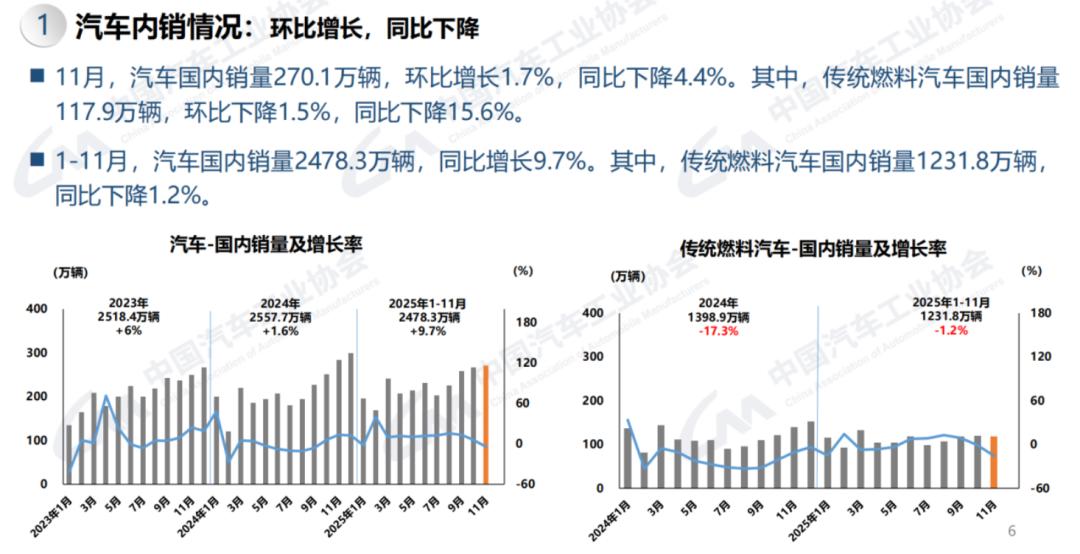
Core Insights - The Chinese automotive market in November 2025 shows a complex scenario with high production but declining retail demand, indicating a disconnect between production enthusiasm and consumer spending [1][2][5] Production and Sales - In November, China's automotive production reached a historic high of 3.53 million units, with a month-on-month increase of 5.1% and a year-on-year increase of 2.8% [1][2] - Cumulative production and sales from January to November reached 31.23 million and 31.13 million units, respectively, reflecting year-on-year growth of 11.9% and 11.4% [1] - Retail sales of passenger vehicles in November fell by 8.1% year-on-year and 1.1% month-on-month, indicating a significant decline in consumer demand [1][5] Inventory and Market Dynamics - The disparity between production and retail sales has led to increased inventory pressure, with manufacturer inventory rising by 60,000 units compared to a decrease of 220,000 units in the same month last year [5] - Factors contributing to this divergence include the withdrawal of previous policy stimuli and a cautious consumer outlook regarding future economic conditions [5] New Energy Vehicles (NEVs) - NEVs continue to be a key growth driver, with production and sales in November reaching 1.88 million and 1.82 million units, respectively, marking a year-on-year increase of over 20% and achieving a penetration rate of 53.2% [7][8] - From January to November, NEV production and sales totaled 14.91 million and 14.78 million units, with year-on-year growth of 31.4% and 31.2% [8] - The retail penetration rate for NEVs reached 59.3%, indicating a shift from a policy-driven growth phase to a market-driven stabilization phase [8] Export Performance - November saw a record export of 728,000 vehicles, a month-on-month increase of 9.3% and a year-on-year increase of 48.5%, with total exports from January to November reaching 6.34 million units, up 18.7% year-on-year [10][13] - NEVs accounted for 47.3% of total passenger vehicle exports, reflecting a growing trend in international markets [10] - The export market is diversifying, with significant demand for plug-in hybrid models in developing countries, indicating a shift in market strategy [13] Future Outlook - The end of 2025 is marked by a critical policy transition, with the expiration of the NEV purchase tax exemption expected to create a surge in consumer demand in December [14][15] - Despite structural challenges, the overall outlook for the automotive market in 2025 remains optimistic, with expectations for record production and sales driven by policy support and resilient foreign trade [14][15]
市场新增驱动不足 预计纯碱底部偏强震荡为主
Jin Tou Wang· 2025-12-02 08:08
Core Viewpoint - The domestic futures market for soda ash is experiencing a slight increase, with the main contract rising by 1.28% to 1183.00 CNY/ton, despite a generally weak demand environment and high inventory levels [1][2]. Supply Side - Soda ash enterprises are making minor adjustments to their operations, with little change in production levels and few upcoming maintenance plans. New production capacity is expected to come online, maintaining overall output at relatively high levels [2]. - Manufacturers are primarily focused on fulfilling previous orders, with new orders being limited. Although short-term inventory levels are decreasing, the absolute inventory remains high [2]. Demand Side - The demand for soda ash is weak, particularly in the float glass industry, which is facing a dual weakness in supply and demand. The recovery in demand is hindered by a lack of improvement in the real estate market, which is the main downstream sector for float glass [2]. - Additionally, the anticipated demand from the photovoltaic sector for dense soda ash has not materialized, further limiting overall demand growth [2]. Inventory Levels - As of December 1, 2025, the total inventory of soda ash manufacturers in China is 1.5699 million tons, a decrease of 17,500 tons (1.10%) from the previous week. This includes 734,500 tons of light soda ash (down 6,100 tons) and 835,400 tons of dense soda ash (down 11,400 tons) [2]. Market Outlook - The futures market shows clear bottom characteristics, but there is a lack of new driving forces. The market is expected to experience strong oscillation around the bottom, with future trends requiring more catalysts to materialize. Key factors to monitor include soda ash production levels, product release schedules from Alashan, downstream purchasing rhythms, and trends in the macroeconomic and commodity markets [2].
走进未来科学城:新形势下新能源与储能协同创新发展沙龙成功举办
中关村储能产业技术联盟· 2025-11-30 03:46
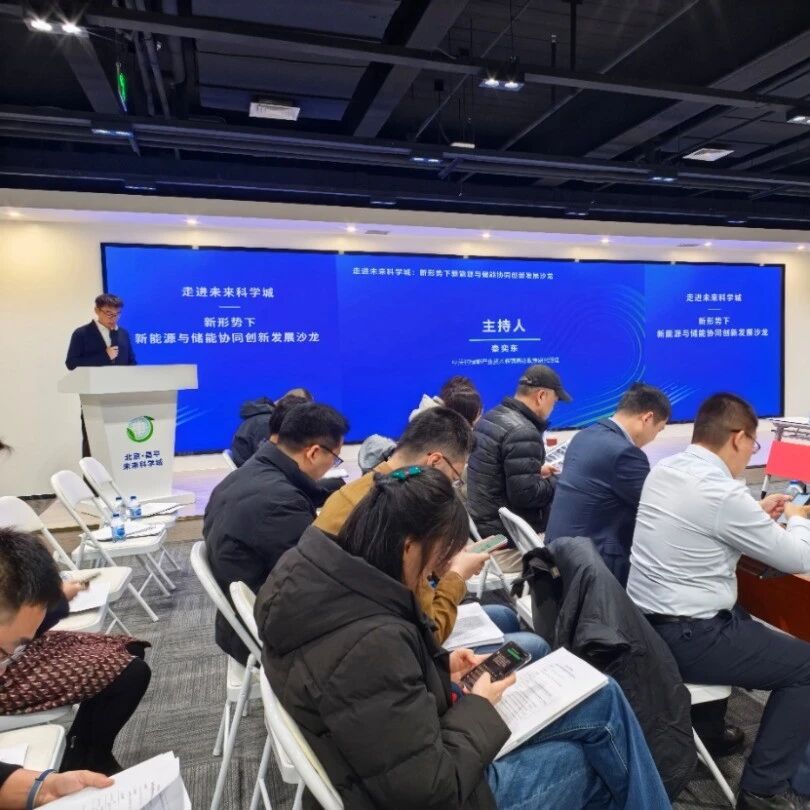
Core Viewpoint - The article discusses the transition of the energy storage industry from mandatory storage requirements to market-driven models following the release of the "Document 136" in 2025, highlighting both challenges and opportunities for new energy storage development [2]. Group 1: Event Overview - The "Future Science City: Collaborative Innovation Development of New Energy and Energy Storage" salon was held on November 28, focusing on policy implementation and market changes post "Document 136" [2]. - The event aimed to facilitate deep discussions among grid companies, energy generation groups, and energy storage enterprises to promote the successful transition of the energy storage industry from "mandatory storage" to "market-driven" models [2]. Group 2: Key Initiatives - Three initiatives were proposed by Cui Chao, Deputy Director of the Advanced Energy Industry Department of the Beijing Future Science City Management Committee: 1. Establishing a talent cultivation base in collaboration with universities to align training with market needs [4]. 2. Building a technology innovation platform to address critical issues in energy storage safety and enhance collaboration between industry and academia [4]. 3. Fostering a cluster of energy storage industry development by inviting quality enterprises and research teams to settle in Changping [4]. Group 3: Technological Insights - The State Grid Energy Research Institute emphasized the shift of new energy storage from "mandatory" to "market-driven," identifying long-duration and grid-forming storage technologies as key development areas [9]. - The National Energy Group presented advancements in molten salt storage technology coupled with coal power, addressing challenges in flexible transformation [12]. - Huawei introduced intelligent solutions for integrating solar and storage systems, aimed at overcoming large-scale grid connection challenges [13]. - JinFeng Zero Carbon showcased its achievements in smart storage and carbon-neutral projects, delivering over 15 GWh of storage products [15]. - ChuNeng New Energy discussed breakthroughs in lithium supplementation technology to extend the lifecycle of energy storage cells [17]. - XiQing Energy highlighted the use of AI for enhancing safety operations in energy storage stations, focusing on early fault warning systems [19]. Group 4: Collaborative Efforts - The salon provided a platform for industry leaders and enterprises to share insights on technological breakthroughs, market progress, and safety practices in the new energy and storage sectors [25]. - The Zhongguancun Energy Storage Industry Technology Alliance aims to strengthen resource connections and empower the energy storage industry for high-quality development, contributing to the achievement of carbon neutrality goals [25].
来自经济学的警示:前苏为什么会失败?
Sou Hu Cai Jing· 2025-11-26 03:11
Core Insights - The article discusses the economic failures of the former Soviet Union (FSU) and draws parallels to current global dynamics, particularly in the context of a new Cold War [2][3][9]. Group 1: Economic Performance and Structure - The FSU's economic model prioritized total output over efficiency, leading to a loss of internal vitality in the residential sector [6][10]. - The FSU's GDP was heavily reliant on a planned economy, which was resource-driven rather than efficiency-driven, resulting in a significant disparity in productivity compared to the United States [6][8]. - By 1975, the FSU's reported GDP reached 67% of the U.S. GDP, but this figure was inflated, with actual estimates suggesting it was only 53% [8][9]. Group 2: Production Efficiency - The FSU's industrial labor productivity was only 55% of that of the U.S., and agricultural productivity was merely one-fifth of the U.S. level [7][8]. - The FSU's energy consumption to produce GDP was 2.5 times that of the U.S., indicating a cycle of increasing waste and inefficiency [7][9]. Group 3: Economic Sustainability - The FSU's focus on administrative directives led to a neglect of the fundamental purpose of the economy, which is to improve living standards, ultimately resulting in a loss of public support [10]. - The article warns that a healthy economic competition must shift from resource input-driven to efficiency-driven models, emphasizing that the internal economic vitality stems from the prosperity of the residential sector [10].

滴滴官宣“小桔充电”更名为“滴滴充电” 充电桩可用率超97%
Feng Huang Wang· 2025-11-25 11:01
Core Insights - Didi Charging has officially upgraded its brand from "Xiaoju Charging" to "Didi Charging" during the 2025 Annual Partner Conference held in Shenzhen, aiming to enhance service experience and create a more user-recognized charging service platform [1] Group 1: Brand Upgrade and Strategy - The new brand slogan is "7 out of 10 electric vehicle owners use Didi Charging," reflecting the company's market penetration strategy [1] - The upgraded Didi Charging now covers over 270 cities nationwide and operates more than 62,000 charging stations [1] Group 2: Service Enhancements - The platform has introduced a "jump gun compensation" service to address issues related to charging interruptions [1] - The "fast start" feature reduces the average startup time to 10 seconds, while the "accelerated charging" technology improves charging efficiency by 8% [1] - The availability rate of charging piles is maintained at over 97% [1] Group 3: Industry Perspective - The general manager of Didi Energy, Jie Jingjing, stated that the new energy industry has entered a phase driven by market and user value [1] - The company plans to continue collaborating with partners to advance the construction of the charging service system and enhance user charging experience [1]

深圳:这项补贴停止实施
Di Yi Cai Jing· 2025-10-28 15:24
Core Insights - The Chinese new energy vehicle (NEV) industry is transitioning from a "policy nurturing period" to a market-driven phase as government subsidies begin to phase out [3] Group 1: Policy Changes - Shenzhen's automotive replacement subsidy policy will cease on October 28, 2025, after reaching its budget limit [1] - The subsidy program aims to promote the replacement of approximately 160,000 vehicles by the end of 2025, alongside significant sales in home appliances and digital products [2] Group 2: Market Response - The subsidy program has seen a strong market response, with over 1 million applications submitted nationwide by October 22, 2023, indicating high consumer interest [2] - The rapid depletion of subsidy qualifications has led to additional funding being allocated by Shenzhen authorities [2] Group 3: Regional Variations - Several provinces have suspended their long-term special bond subsidy policies, while some local governments are introducing supplementary measures to stimulate automotive consumption [3] - Starting January 1, 2026, the full exemption from vehicle purchase tax for NEVs will shift to a 50% reduction, increasing the cost of purchasing these vehicles [3]