滴滴充电

Search documents
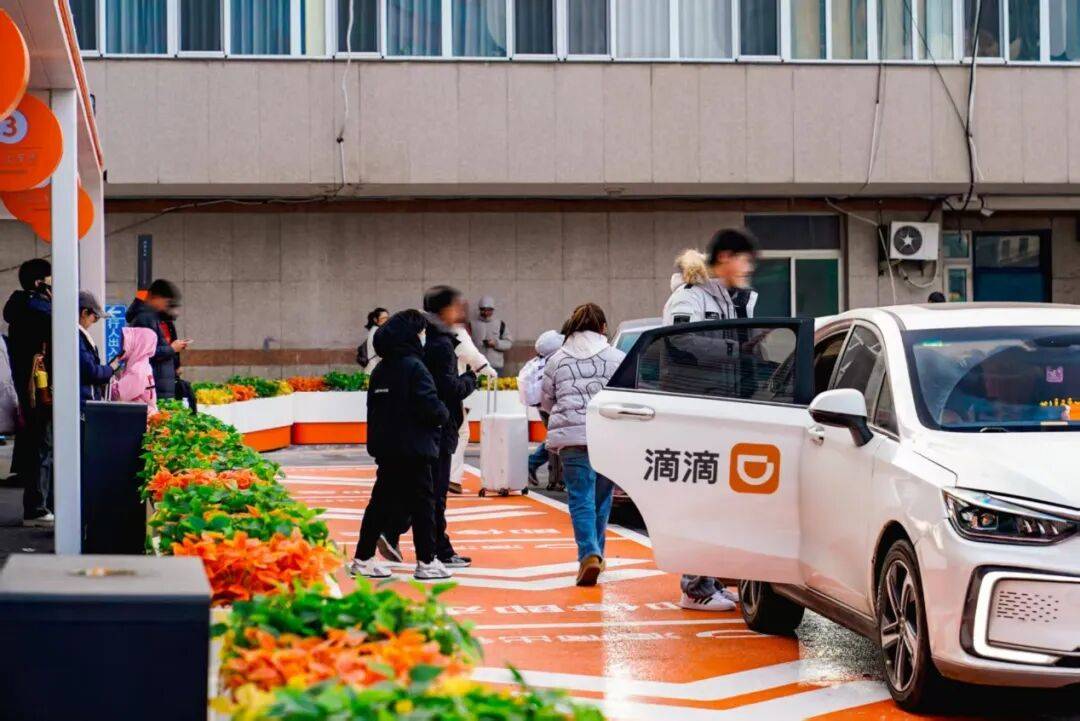
“反向过年”继续火热:低线城市55岁以上用户去往一线城市打车日均订单涨超四成
Sou Hu Cai Jing· 2026-02-25 06:02
Core Insights - The article highlights the significant increase in ride-hailing demand during the Chinese New Year, driven by trends such as "reverse New Year" and "dual migration" [1][4][10] Group 1: Ride-Hailing Demand Trends - In lower-tier cities, orders for intercity rides increased by 95% compared to regular days, with long-distance orders (over 100 kilometers) rising by 43% [1] - The "reverse New Year" trend has led to a 45% increase in daily intercity ride orders from users aged 55 and above in first-tier and new first-tier cities [4] - During the Spring Festival, daily ride orders in cities like Hangzhou increased by 21%, with other major cities also showing double-digit growth [4] Group 2: Service Enhancements and Support - Didi has implemented multiple rewards and trialed driver service fees during peak travel times to meet the high demand for rides during the holiday [1] - The company has established support teams at over 100 major transportation hubs to assist travelers, providing free route consultations and guidance [4] Group 3: Rental Car Trends - Didi's rental car orders surged by 80% compared to last year, with an average rental period exceeding six days [5] - The rental car demand peaked on specific days during the holiday, with significant increases in the need for larger vehicles [7] Group 4: Charging and Fuel Demand - Charging demand during the holiday increased by 37% year-on-year, with historical cities and coastal areas seeing the highest growth in charging orders [5] - Fuel demand also rose significantly, with orders in cultural cities like Shantou increasing by 45% compared to regular days [5] Group 5: Cultural Events and Tourism - The demand for rides to lantern festivals increased by 135%, with some cities experiencing over 200% growth in ride requests for these events [8][10] - The influx of tourists during the holiday led to a 74% increase in ride orders from inbound users, particularly from countries like South Korea and Russia [10]

滴滴:春节百公里以上远距离订单上涨43% 亲友同行六座打车需求激增141%
Zhong Guo Xin Wen Wang· 2026-02-24 10:45
Core Insights - The Chinese New Year has significantly increased travel demand, with Didi Chuxing reporting a 95% rise in intercity ride-hailing orders from third-tier cities compared to regular days, driven by the trend of "reverse New Year" [1][2] - The influx of tourists during the holiday season has led to a 74% year-on-year increase in ride-hailing orders from inbound users, particularly from countries like South Korea and Russia [8] Group 1: Travel Trends - The demand for long-distance rides (over 100 kilometers) has increased by 43% compared to regular days, with specific cities like Chongqing and Jiangsu seeing order growth of 43% and 21% respectively [2] - The trend of "reverse New Year" has resulted in a 45% increase in ride-hailing orders from users aged 55 and above in first-tier cities [2] - Didi has established ride-hailing support teams at over 100 major transportation hubs to assist travelers during the Spring Festival, serving over 700,000 users [3] Group 2: Rental and Ride-Hailing Demand - The trend of "first returning home, then traveling" has led to a 42% increase in ride-hailing demand for travel to tourist attractions during the holiday [4] - Didi's rental car orders have surged by 80% compared to last year, with the average rental period exceeding six days [4][5] - The demand for six-seat vehicles has increased by 141% due to the need for group travel among friends and family [4] Group 3: Charging and Fuel Demand - Charging demand during the holiday has grown by 37% year-on-year, with cities like Nanjing and Qingdao seeing significant increases in charging orders [6] - Fuel demand has also risen, with cities known for cultural traditions, such as Shantou, experiencing a 45% increase in fuel orders [7] Group 4: Inbound Tourism - The optimization of visa policies has led to a 74% increase in ride-hailing orders from inbound tourists, with Didi enhancing services for international users [8] - Popular destinations for inbound tourists include Kuala Lumpur and Bangkok, with peak demand occurring on February 20 [8]

滴滴:春节百公里以上订单上涨43%,低线城市异地订单涨95%
Bei Ke Cai Jing· 2026-02-24 08:36
Group 1 - Didi Chuxing reported a significant increase in ride-hailing orders during the 2026 Spring Festival, with orders from third-tier cities and below for intercity rides rising by 95% compared to regular days [1] - The demand for rides to visit friends and family increased, with orders for six-seat vehicles rising by 141% and the most common use cases being for dining and visiting relatives, accounting for 15% and 11% of total rides respectively [1] - The trend of "reverse New Year" led to a record increase in ride orders from first-tier cities, with long-distance orders over 100 kilometers increasing by 43% [1] Group 2 - The demand for Didi rides to lantern festivals surged by 135%, while the demand for rides to temple fairs increased by over 12 times, particularly in cities like Shijiazhuang, Guiyang, Beijing, Qingdao, and Nanchang [2] - During the Spring Festival, the demand for Didi rides in Hong Kong from mainland tourists rose by 58%, with popular destinations including Disneyland and Victoria Peak [3] - The optimization of transit visa policies contributed to a 74% year-on-year increase in ride orders from inbound users during the holiday, with users from South Korea, Russia, Malaysia, and Singapore being the most active [4] Group 3 - Didi's car rental service saw an 80% increase in orders during the Spring Festival, with an average rental period exceeding six days, and the top five pickup cities being Guangzhou, Shenzhen, Beijing, Chengdu, and Kunming [5] - The demand for electric vehicle charging during the holiday increased by 37%, with cities like Nanjing, Qingdao, and Zhengzhou seeing significant growth in charging orders, up by 68%, 53%, and 50% respectively [6] - Fueling demand also rose significantly, with orders in cultural cities like Shantou increasing by 45% and in ice cities like Harbin by 22%, with Beijing, Chengdu, Shanghai, Tianjin, and Shenyang being popular fueling cities [7]
滴滴:“中国年”带动入境打车增长74% 海外出行2月20日达假期高峰
Jin Rong Jie· 2026-02-24 08:18
Core Insights - The Chinese New Year travel demand has significantly increased, with Didi Chuxing reporting a 95% rise in intercity ride-hailing orders from third-tier cities compared to regular days, driven by the "reverse New Year" trend [1][2][4] - The overall ride-hailing orders in first-tier cities have also seen substantial growth, with a 20% increase in intercity orders during the holiday period [4] - Didi has implemented various incentives and established support teams in key cities to ensure safe and efficient transportation during the Spring Festival [1][4] Group 1: Travel Trends - The demand for long-distance rides (over 100 kilometers) has increased by 43% compared to regular days [2] - Cities like Chongqing and Jiangsu have reported significant year-on-year growth in ride-hailing orders, with increases of 43% and 21% respectively [2] - The trend of "first returning home, then traveling" has emerged, with a 42% increase in ride-hailing for tourism during the holiday [5] Group 2: Service Enhancements - Didi has set up ride-hailing guides at over 100 major transportation hubs to assist users, serving more than 700,000 passengers [4] - The company has optimized its services in lower-tier cities by collaborating with local agents to enhance the ride-hailing experience [2] - Didi has introduced a range of rewards and trialed driver service fees during peak travel times to meet the increased demand [1] Group 3: Rental and Charging Trends - Didi's car rental orders have surged by 80% compared to last year, with an average rental period exceeding six days [5] - The demand for charging services has grown by 37% during the holiday, particularly in cultural and coastal cities [8] - The rental service has seen multiple peak times for vehicle pickup and return, indicating a well-coordinated approach to meet user needs [7] Group 4: International Travel - There has been a 74% increase in ride-hailing orders from inbound tourists during the holiday, with significant activity from users from South Korea, Russia, Malaysia, and Singapore [11] - Didi has enhanced its services for international travelers by offering multilingual support and various payment options [11] - Popular destinations for inbound tourists include major attractions in Kuala Lumpur, Bangkok, and Singapore, with peak demand observed on February 20 [11]
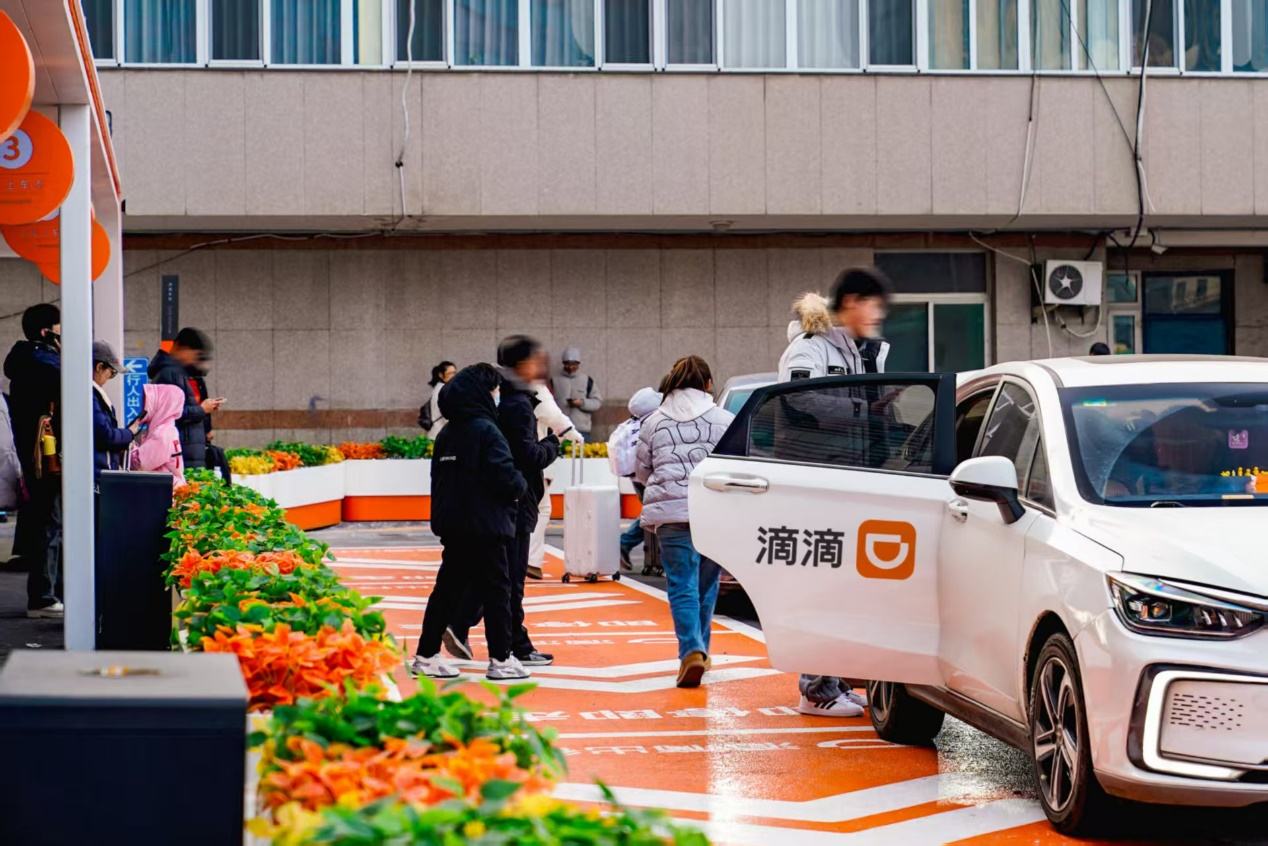
滴滴春节出行数据:“反向过年”带动一线城市打车订单涨幅创新高
Huan Qiu Wang· 2026-02-24 07:30
Core Insights - The Chinese New Year travel demand has significantly increased, with Didi Chuxing reporting a 95% rise in intercity ride-hailing orders from third-tier cities compared to regular days, driven by the trend of "reverse New Year" [1][4] - The overall ride-hailing orders in first-tier cities have also seen substantial growth, with a 20% increase in intercity orders during the holiday period [4] - Didi has implemented various incentives and established support teams in key cities to ensure safe and efficient transportation during the Spring Festival [1][4] Ride-Hailing Demand - Intercity ride-hailing orders from third-tier cities surged by 95% during the Spring Festival, with orders for distances over 100 kilometers increasing by 43% [1] - Specific cities like Chongqing and Jiangsu saw year-on-year order growth of 43% and 21%, respectively [2] - The demand for ride-hailing in first-tier cities also rose, with daily intercity orders increasing by 20% during the holiday [4] Rental Car Trends - Didi's rental car orders increased by 80% compared to last year, with an average rental period exceeding six days [5] - The peak rental periods were identified on February 12, February 18, and February 23, aligning with the holiday travel patterns [7] Charging and Fuel Demand - Charging demand during the Spring Festival grew by 37% year-on-year, with cities like Nanjing and Qingdao leading in order volume [7] - Fuel demand also saw a notable increase, with orders in cultural cities like Shantou rising by 45% compared to regular days [7] Cultural Events and Tourism - The demand for ride-hailing to attend lantern festivals increased by 135%, with some cities experiencing over 200% growth in orders [8][10] - The trend of "tourism during the New Year" led to a 42% increase in ride-hailing for sightseeing trips during the holiday [4] International Travel - The number of ride-hailing orders from inbound tourists during the Spring Festival rose by 74%, with significant activity from users from South Korea, Russia, Malaysia, and Singapore [10] - Didi has enhanced its services for international travelers, including multilingual support and various payment options [10]
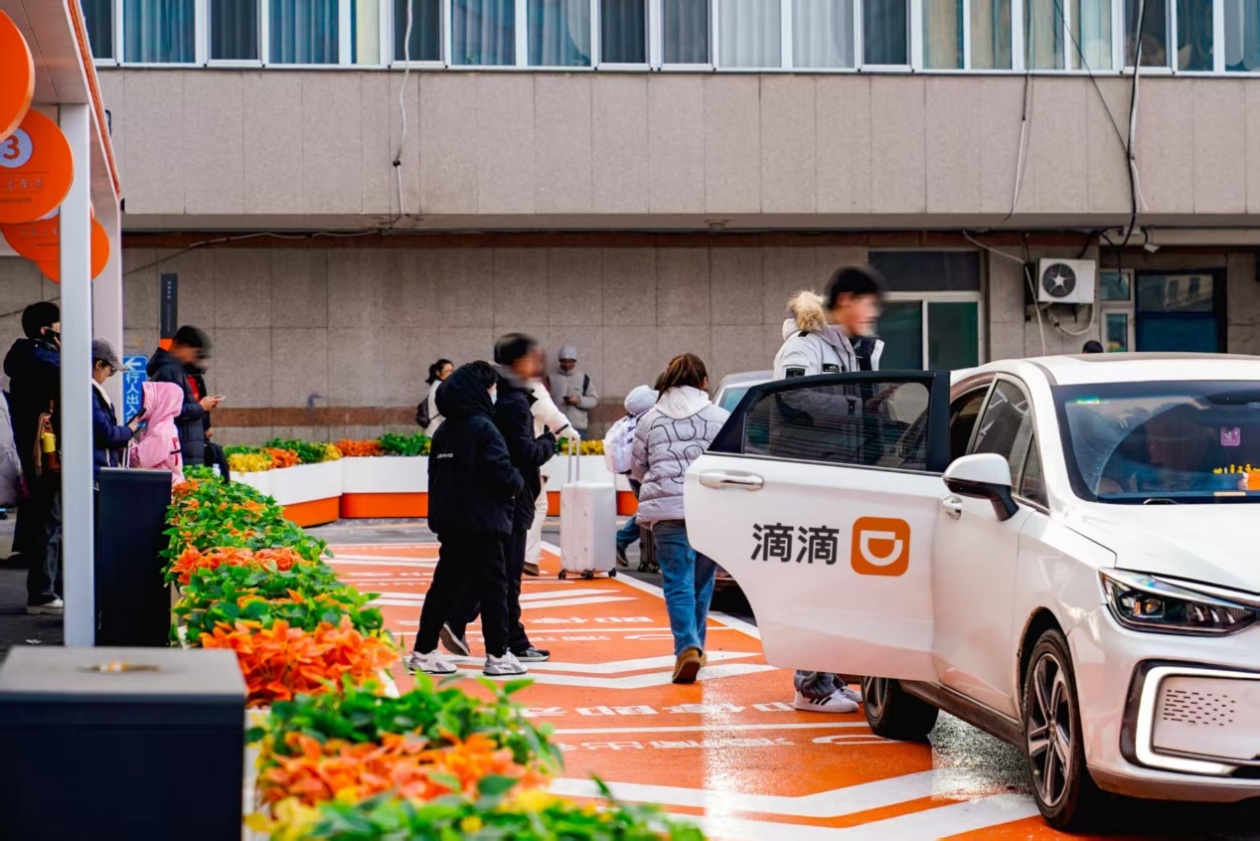
滴滴预计今年春运异地出行上涨45% 充电需求增长超六成
Bei Ke Cai Jing· 2026-02-06 08:53
Core Insights - Didi Chuxing predicts a 45% increase in intercity ride-hailing demand before the Spring Festival compared to the pre-Spring Festival period [1] - The demand for rides to major transportation hubs like airports and train stations is expected to rise by 40% [1] - Significant increases in demand for rides to beauty salons and shopping malls are forecasted at 67% and 49% respectively [1] Demand Forecast - Ride-hailing demand is expected to surge starting February 8, peaking on February 13, with subsequent peaks on February 22, February 24, and during the Lantern Festival on March 3-4 [1] - A 21% year-on-year increase in ride-hailing demand is anticipated in first-tier cities before the Spring Festival, with a notable rise in intercity users [1] - Third-tier and lower cities are expected to experience a prolonged peak in ride-hailing demand, lasting until February 15 before continuing from February 23 to March 5 [1] Spring Festival Trends - Since the beginning of the Spring Festival travel season, intercity ride-hailing demand has increased by 23%, with specific demands for tourist attractions, ski resorts, and shopping districts rising by 75%, 60%, and 38% respectively [2] - Didi plans to distribute 1.1 billion yuan in driver subsidies during the Spring Festival and will trial a driver service fee during peak travel times to better meet demand [2] Charging and Fuel Demand - National charging demand is expected to grow by over 60%, with cities like Beijing, Shanghai, Chengdu, Chongqing, and Tianjin seeing increases exceeding 80% [2] - Fuel demand in transportation hub cities and popular tourist destinations is projected to rise by over 10% during the Spring Festival travel period [2]
滴滴充电2025年度报告:累计服务超17亿次,减碳2200万吨
Jing Ji Guan Cha Wang· 2026-01-19 08:07
Group 1 - The core viewpoint of the article highlights Didi Charging's significant growth and impact in the electric vehicle charging sector, with a focus on its 2025 annual report [1] Group 2 - As of the end of 2025, Didi Charging's services have expanded to over 280 cities and 68,000 charging stations, providing more than 1.7 billion charging services and achieving a carbon reduction of 22 million tons, equivalent to planting over 1.8 billion trees [1] - The company has launched over 280,000 fast charging guns, with more than 100,000 of them being ultra-fast charging guns, representing a year-on-year growth of 77% [1] - Major cities such as Shanghai, Guangzhou, and Shenzhen have the highest density of ultra-fast charging facilities [1] - The "Accelerated Charging" feature has served over 13 million users, improving charging speed by an average of 8% [1]
滴滴充电发布2025年度报告:已覆盖超280座城市68000余座场站,累计提供超17亿次充电服务
Xin Lang Cai Jing· 2026-01-19 07:14
Core Insights - Didi Charging has released its 2025 annual report, highlighting significant growth and contributions to carbon reduction since its inception [1][2] Coverage and Service - Didi Charging has expanded its network to cover over 280 cities and more than 68,000 charging stations across the country by December 31, 2025 [1][2] - The company has provided charging services over 1.7 billion times, contributing to a carbon reduction of over 22 million tons [1][2] User Experience and Technology - The company offers a charging service characterized by being "easy to find, easy to charge, fast, and safe," continuously optimizing user experience [1][2] - The "Accelerated Charging" feature has served over 13 million users, improving charging speed by an average of 8% [1][2] Infrastructure Growth - Didi Charging has deployed over 280,000 fast charging guns nationwide, with the number of supercharging guns exceeding 100,000, marking a year-on-year growth of 77% [1][2] - The top ten cities with the densest distribution of supercharging facilities include Shanghai, Guangzhou, Shenzhen, Beijing, Wuhan, Hangzhou, Changsha, Chengdu, Chongqing, and Dongguan [1][2] Environmental Commitment - Didi Charging emphasizes its commitment to green development, having achieved a carbon reduction equivalent to planting over 1.8 billion trees, further supporting the "dual carbon" goals [1][2]
滴滴:12月31日打车需求量预计突破8000万,打车晚高峰将提前至15时
Xin Lang Cai Jing· 2025-12-30 08:17
Core Insights - Didi Chuxing predicts a significant increase in ride-hailing demand on December 31, with peak hours starting at 3 PM and lasting until 8 PM, expecting over 80 million rides nationwide [1][3] - Demand for high-quality rides, such as Didi's premium and luxury services, is expected to rise by 226% and 188% respectively compared to the previous week [1][3] - The post-00s generation is anticipated to account for 37% of the ride-hailing demand, with the highest demand expected at 1 AM on January 1, reaching 45% [1][3] Ride-Hailing Demand - The demand for rides during New Year's Eve is projected to increase over nine times compared to the previous week, particularly in outdoor leisure venues, tourist attractions, and large shopping districts [1][3] - Didi's charging services predict a notable increase in charging orders in coastal cities such as Wenzhou, Haikou, Huizhou, Quanzhou, and Xiamen during the New Year holiday [1][3] - Fuel orders are also expected to rise in cities like Wenzhou, Nanchang, Nanning, Haikou, and Jinhua compared to regular days [1][3] Car Rental Trends - The "3 days off, 8 days on" holiday arrangement has stimulated demand for self-driving trips, with Didi's car rental bookings increasing by 243% year-on-year [1][3] - Over 70% of users are expected to pick up their rental cars early (between December 27 and December 31), with 50% planning 2-4 day self-driving trips [1][3] - Among Didi's rental orders for the New Year, 40% are local rentals while 60% are for out-of-town travel [1][3] Driver Incentives - To thank drivers for their service during the holiday period, Didi will launch a commission-free card in 245 cities from December 31 to January 3 [2][4]
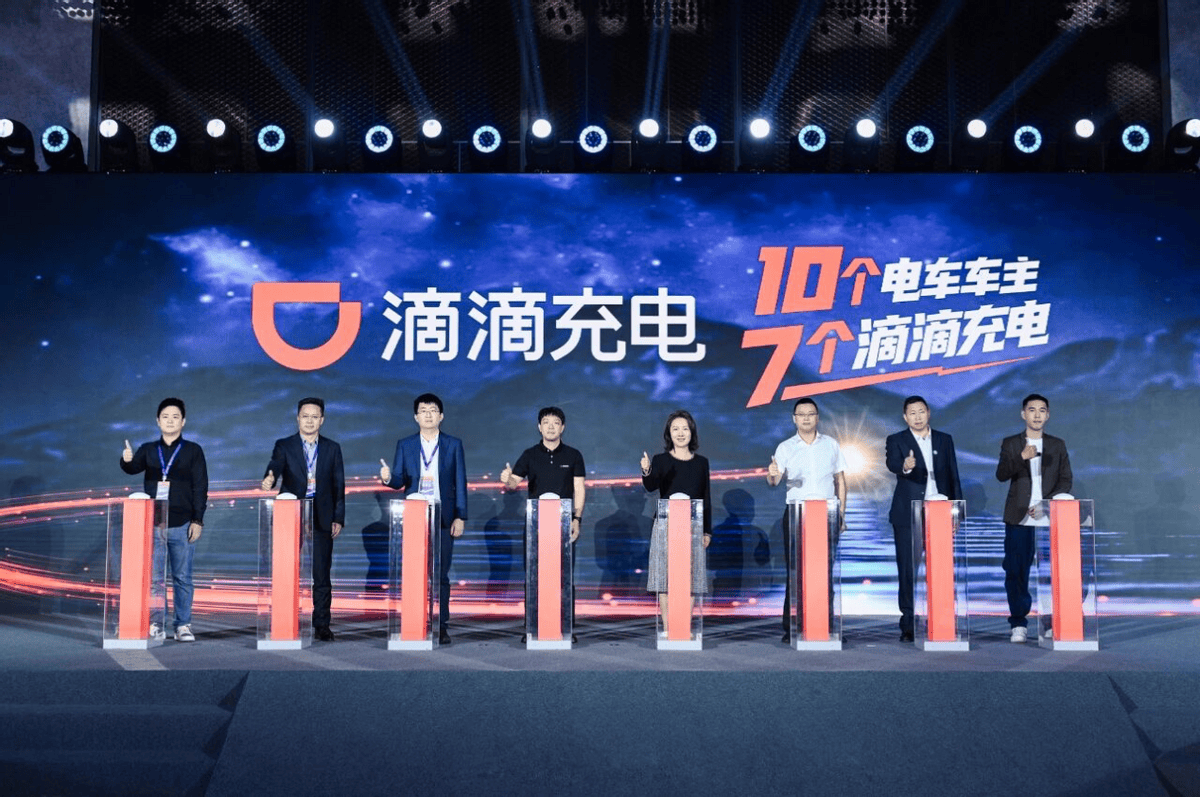
小桔充电更名滴滴充电 “10个电车车主7个滴滴充电”
Sou Hu Cai Jing· 2025-11-26 03:02
Core Insights - The charging industry is shifting towards a user-centric approach, with Didi Charging rebranding and emphasizing user experience as a key differentiator [1][9][14] - The rapid growth of charging infrastructure in China has transitioned the main challenge from quantity to quality of charging services [5][8] Industry Trends - As of October 2025, China has 18.645 million electric vehicle charging points, marking a 54% year-on-year increase, establishing the largest and most comprehensive charging network globally [4] - The focus of the industry is now on providing high-quality and reliable charging services rather than merely increasing the number of charging stations [5][8] Didi Charging's Strategy - Didi Charging aims to enhance user experience with initiatives such as ensuring charging stations are within 3 kilometers of users, achieving a charging station availability rate of over 97%, and introducing a "jump gun compensation" policy for service interruptions [11][12] - The company has partnered with over 600 charging station operators and more than 11,000 merchants to create a smart charging ecosystem, investing over 100 million yuan to upgrade facilities [13] Future Outlook - The industry is expected to see a shift in consumer behavior from B2B to B2C, with the key to success being the ability to attract and retain users [15] - The government's "Three-Year Doubling" action plan aims to establish 28 million charging facilities by the end of 2027, emphasizing service capacity over mere infrastructure quantity [8][14]